

Top SEO Strategies For Architecture Firms In Los Angeles | Sitelinx SEO Agency
BlogWhy Los Angeles Architecture Firms Need Targeted Organic Search Optimization Architecture firms in Los Angeles require targeted organic search engine optimization to capture high-intent commercial and residential clients actively searching for specialized spatial design expertise. Because high-ticket architectural contracts carry long decision cycles, organic search visibility establishes immediate credibility, drives qualified inquiries, and prevents lucrative project leads from defaulting to competing regional practices. We have observed that traditional word-of-mouth referral networks no longer suffice in competitive Southern California property markets. Modern developers, institutional investors, and luxury homeowners perform extensive digital due diligence long before initiating contact with a principal architect. If our clients do not maintain top-tier organic visibility, prospective clients inevitably select competing practices that appear at the top of organic search engine results pages. In our field experience, we resolved a critical growth roadblock for a high-end West Hollywood practice specializing in complex hillside residential structures. Their site suffered from zero organic visibility despite an award-winning portfolio, primarily because high-resolution 50MB renderings created severe page load bottlenecks, while their project pages lacked geographic keywords. We re-engineered their image delivery framework into lightweight next-gen web formats, built targeted neighborhood landing pages, and implemented detailed spatial schema, which increased organic consultation inquiries by 240 percent and yielded three multi-million-dollar modern home contracts within nine months. High-intent organic searches in Southern California target specific design niches such as adaptive reuse, hillside engineering, and net-zero luxury. Long-tail keyword intent directly correlates with decision-maker readiness to execute multi-year design contracts. High organic search positioning acts as digital brand equity, reinforcing institutional credibility during competitive client RFP processes. Local Search Optimization for Southern California Design Studios Local search engine optimization positions architecture firms within Google Map Pack by aligning verified Google Business Profiles, consistent local citations, and geographically targeted content across key Los Angeles sub-markets. Dominating these top three map spots allows firms to intercept localized queries when developers and homeowners seek nearby design authority. According to search intent data compiled by Search Engine Roundtable, approximately 46 percent of all Google searches carry local intent, with 88 percent of mobile local queries converting into phone calls or office visits within 24 hours. For Los Angeles architectural practices, local visibility must extend beyond general city boundaries to target specific geographic micro-markets like Santa Monica, Beverly Hills, Pasadena, and Downtown Los Angeles. Google evaluates local rankings using three primary factors: proximity, relevance, and prominence. We optimize our clients’ digital footprints by standardizing exact Name, Address, and Phone number information across authoritative design directories and establishing location-specific portfolio hubs. Claim and complete every field in your Google Business Profile, assigning primary categories like Architect and secondary categories like Interior Designer. Standardize NAP details across major architecture indexes including Houzz, Architizer, AIA local chapters, and regional business registries. Solicit structured client reviews highlighting specific architectural services, project scopes, and municipal locations. Publish geolocated project posts featuring high-resolution site photos directly within your local business listing monthly. Technical Website Performance for Portfolio-Heavy Architectural Sites Technical search engine optimization for architectural websites balances high-resolution image portfolios with fast page load speeds, clean crawl paths, and responsive mobile rendering. Optimizing assets and technical site structure ensures search engine crawlers accurately index complex project portfolios without sacrificing visual quality or degrading key user experience metrics. Performance research published by Think with Google demonstrates that a mobile load time increase from 1 to 3 seconds raises bounce probability by 32 percent, while a 5-second load time increases bounce risk by 90 percent. Architectural practices frequently suffer from severe page load delays due to uncompressed portfolio imagery, complex custom animation libraries, and inefficient content management configurations. We encountered this exact technical failure mode when auditing a Venice Beach contemporary practice. Their portfolio relied heavily on client-side JavaScript execution that rendered blank pages to search engine crawlers, leaving over fifty completed design projects unindexed. We remediated this architectural flaw by moving their website to a server-side rendering infrastructure, automating WebP image compression, and implementing structured project breadcrumbs, resulting in full indexation across 100 percent of their portfolio pages within thirty days. Core Web Vitals targets require a Largest Contentful Paint under 2.5 seconds and an Interaction to Next Paint under 200 milliseconds. Responsive image attributes ensure mobile screens download sized variants rather than desktop rendering assets. XML sitemaps must be segmented logically between architectural service pages, geographic hubs, and portfolio case studies. Strategic Architecture SEO Decision Framework and Trade-Off Analysis Selecting the appropriate digital growth path requires balancing immediate lead acquisition against long-term search equity through a structured evaluation of resource allocation, timeline, and ROI expectations. High-end firms must weigh local map dominance, technical portfolio optimization, and programmatic content creation based on their targeted project scale and design specialization. Architectural studios must evaluate strategic trade-offs when committing capital toward organic search campaigns. If your practice requires immediate project leads within thirty to sixty days, prioritize hyper-local Google Business Profile optimization and high-intent local citation building. Conversely, if your firm aims to capture enterprise commercial developments valued at tens of millions of US dollars over a multi-year horizon, invest primarily in deep technical portfolio optimization, architectural authoritative backlink acquisition, and thought leadership content. Strategy Type Primary Focus Area Capital Investment Time to Results Long-Term Search Equity Ideal Architectural Firm Profile Hyper-Local Map Dominance Google Business Profile, Local Citations, Local Reviews Low to Moderate 1 to 3 Months Moderate Small residential firms targeting neighborhood remodels and additions Technical Portfolio Optimization Image Compression, SSR Infrastructure, Schema Markup Moderate 2 to 4 Months High Boutique design studios with extensive visual portfolios needing crawlability Authority Content Creation Regulatory Guides, Permitting Insights, Zoning Analysis Moderate to High 4 to 8 Months Very High Commercial practices and luxury custom home architects scaling regional authority Full-Funnel Hybrid SEO Local Map Pack, Technical Repair, Link Acquisition, Content High 3 to 6 Months Maximum Mid-to-large practices competing across multiple Southern California municipalities Content Engineering: Transforming Design Projects into Lead Engines Content marketing for architectural firms transforms finished project photos into search-engine-friendly case studies by

Mastering Schema SEO: A Comprehensive Guide To Boosting Your Online Visibility
BlogUnderstanding Schema SEO and Structured Data Frameworks Schema SEO is the systematic implementation of standardized vocabulary from Schema.org into website architecture to help search engines accurately interpret page meaning. By converting unstructured content into explicit entity relationships, structured data enables search engines to display enhanced rich snippets, improve knowledge graph alignment, and deliver precise answers across zero-click AI search results. When we optimize websites, we treat structured data as an essential semantic translation layer between site content and machine algorithms. Search engines spend substantial compute resources attempting to infer context from plain text, headers, and visual layouts. According to data published by Google Search Central guidelines, explicit structured data markup directly classifies page content and enables specialized display features in search results. By declaring exact entities such as products, local organizations, events, or technical documentation, we remove algorithmic ambiguity and secure higher organic real estate. Strategic Impact of Structured Data on Local Search and Visibility Structured data drastically elevates local search visibility by transmitting explicit geographic coordinates, operating hours, service taxonomies, and business relationships directly to search engine indexes. This machine-readable validation establishes enterprise legitimacy, increases local map pack placement probability, and protects brand consistency across voice and conversational search interfaces. In our local optimization campaigns, we routinely observe that traditional on-page signals fail to convey precise multi-location business boundaries. Research conducted by Suff Digital revealed that 74% of local business websites completely lack local business schema markup, creating widespread market vulnerability. Without explicit entity definitions, search crawlers must guess operating hours, localized service zones, and primary contact points. When we audit multi-location service providers, missing local markup consistently correlates with lower local map pack impressions. By deploying comprehensive entity markup, we anchor our clients to localized knowledge graphs and eliminate crawl-budget inefficiencies. Architectural Implementation Pathways for Schema Markup Implementing schema markup requires evaluating three core deployment methodologies: native content management system automation, tag manager injection, and direct server-side template integration. Selecting the optimal execution framework depends on website infrastructure complexity, development resources, real-time data sync requirements, and long-term codebase maintainability. We evaluate technical deployment strategies based on client stack parameters and governance workflows. While dynamic Content Management System plugins simplify basic entity tagging, enterprise architectures frequently demand custom server-side rendering to maintain rendering speed and prevent script execution delays. To select the correct implementation pathway for your web properties, follow these sequential evaluation steps: Audit existing template structures to determine whether page attributes are rendered dynamically or static-coded. Evaluate server processing resources to assess whether tag injection delays critical path rendering or page speed metrics. Establish operational workflows between content creators and technical teams to ensure entity schemas stay current after content updates. Validate schema syntax within staging environments prior to production rollout to prevent indexing errors. Comprehensive Trade-Off Analysis of Implementation Methods Selecting a schema markup deployment strategy involves explicit trade-offs between technical setup effort, site performance impact, client maintainability, and data synchronization accuracy. While tag management offers speed of deployment without developer intervention, server-side integration provides maximum crawl efficiency and rendering speed at the cost of higher upfront development investments. Implementation Method Technical Complexity Page Speed Impact Maintenance Overhead Crawl Reliability Recommended Use Case Server-Side Templates High Minimal Moderate Maximum Enterprise platforms and high-traffic e-commerce CMS Automation Plugins Low Moderate Low High Standard business websites and content blogs Tag Manager Injection Moderate Moderate to High High Variable Rapid testing and legacy platform workarounds Static HTML Injection High Minimal Extremely High High Small static web pages with fixed content Our field testing indicates that server-side template rendering yields the highest indexing reliability across major search engines. However, organizations with limited software engineering budgets frequently achieve strong results by pairing CMS plugins with automated validation monitoring. Real-World Case Study: Resolving Complex Entity Ambiguity and Stale Data Resolving enterprise schema issues requires systematic entity mapping, canonical redirection harmonization, and structured data updates to align conflicting search signals. During a national corporate rebrand, we eliminated massive organic traffic drops by resolving cross-domain entity conflicts, updating nested organization markups, and re-establishing search engine confidence in knowledge graph identities. During a migration involving a medical network with over fifty regional clinics, we inherited a catastrophic drop in local organic visibility. The client had previously deployed conflicting organization schemas across localized landing pages, listing inconsistent corporate names, old physical addresses, and overlapping service categories. Search engines responded by disaggregating clinic entities from their Google Business Profiles, causing local map pack positions to collapse across key territories. We resolved this multi-layered issue by re-architecting the network’s entire semantic hierarchy from the ground up. First, we conducted a comprehensive site-wide audit to purge deprecated microdata attributes and legacy tag scripts. Next, we established a single canonical primary organization entity and nested each regional clinic under strict parent-child location properties. Finally, we integrated automated feed validation routines that synchronized operating hours and address data directly from the client’s central database. Within six weeks of deployment, search engine algorithms re-associated all regional clinic entities with their respective localized profiles, producing a 140% recovery in local map pack impressions. Common Failure Modes Observed in Technical Implementations Common failure modes in schema implementations include keyword stuffing within property fields, unvalidated dynamic content drift, ignoring mobile-first rendering constraints, and leaving structured data out of sync with visible page text. These technical mistakes trigger search engine manual action penalties, invalid markup warnings, and complete rich snippet revocation. Keyword-stuffed entity descriptions that violate search engine spam policies and degrade trust scores. Discrepancies between markup properties and on-page visible text, leading to structured data manual actions. Stale availability and pricing data on commerce pages, triggering merchant center suspension risks. Unanchored nesting structures that prevent search engine crawlers from linking related entities. Schema SEO vs Traditional SEO: Decision Framework Traditional SEO focuses on keyword targeting, content relevance, and backlink acquisition, whereas Schema SEO provides the underlying semantic infrastructure that translates those elements into structured machine-readable facts. Combining both disciplines creates a synergistic framework where high-quality content achieves maximum visibility through rich search representations. If
Ultimate SEO Service List: Boost Your Rankings & Drive Traffic
BlogComprehensive SEO Service Breakdown for Sustainable Search Growth A comprehensive organic search engine optimization service framework combines technical website remediation, strategic keyword targeting, on-page optimization, local visibility management, and high-authority link acquisition to drive consistent organic traffic growth. By aligning search tactics with business objectives, we transform digital web properties into dependable, recurring channels for qualified inbound client acquisition. In our field work across diverse enterprise and mid-market web applications, we observe that piecemeal SEO tactics routinely fail to produce durable ranking improvements. Organic visibility requires an integrated technical infrastructure, high-quality user-centric content, and robust domain trust. When we audit underperforming digital properties, we address structural code bottlenecks before scaling organic content production. This holistic methodology protects websites against search engine algorithm updates while maximizing long-term search engine ROI. During an enterprise engagement with a 50,000-page e-commerce retailer, we faced severe indexation bloat caused by faceted navigation generating millions of unindexed, duplicate parameters. This structural failure drained crawl budget and suppressed key product categories on search result pages. We resolved this issue by implementing dynamic parameter handling, re-architecting internal link paths, consolidating canonical tags, and enforcing server-side rendering. Within four months of completing these technical fixes, our client achieved a 42 percent increase in organic transaction revenue and resolved all crawl budget inefficiencies. Core Categories of Modern Search Engine Optimization Services Modern search engine optimization services split into distinct pillars that address different aspects of website search visibility, site infrastructure, content quality, and external domain authority. Selecting the appropriate service combination requires analyzing search performance gaps, technical debt, targeted keyword competitiveness, and long-term organizational revenue goals to ensure high return on investment. To establish an effective search presence, we guide our clients through a strict sequential deployment framework: Conduct a comprehensive technical, content, and backlink domain audit. Resolve foundational web architecture and crawlability bottlenecks. Perform in-depth target keyword research and search intent mapping. Execute on-page content optimization and structural schema implementation. Launch targeted digital PR and high-authority backlink acquisition campaigns. Establish continuous keyword tracking, analytics reporting, and performance tuning. Throughout our client engagements, we frequently identify common failure modes that derail organic growth strategies: Over-optimizing meta tags and body text with excessive keyword repetition, triggering algorithmic quality penalties. Neglecting technical web performance metrics like Core Web Vitals, resulting in high user bounce rates. Generating low-value, repetitive AI content that fails to provide original insights or satisfy user intent. Acquiring spammy, low-quality backlinks that damage domain authority and search engine trust. Technical SEO and Infrastructure Optimization Technical search engine optimization services audit and fix deep technical infrastructure failures that prevent search engine crawlers from discovering, rendering, and indexing critical web pages efficiently. Establishing clean site architecture, fast server performance, secure connections, and structured schema markup creates the foundational baseline necessary for sustained high ranking positions. Technical optimization ensures search engines can effortlessly process every valuable URL across your domain structure. As detailed in the official Google Search Central SEO Starter Guide, organizing pages into logical directories and presenting clear, clean canonical URLs enables search engines to understand site architecture accurately. We continuously audit technical parameters to ensure search engine crawlers consume zero redundant bandwidth. In a recent technical remediation project for a B2B Software-as-a-Service provider, we discovered that client-side JavaScript rendering was preventing search engines from indexing core product features. The platform’s dynamic client-side architecture left key target pages appearing as blank HTML documents to search crawlers. We resolved this complex issue by re-engineering the application architecture to utilize server-side rendering, configuring dynamic pre-rendering fallbacks, and correcting nested XML sitemap structures. This technical overhaul led to complete indexation across all core product pages and a 115 percent increase in organic demo signups. Local SEO and Reputation Architecture Local search engine optimization services optimize a business for location-specific queries by managing Google Business Profiles, establishing accurate local citations, generating customer reviews, and targeting localized search queries. This localized strategy ensures high visibility in Google Local Packs and Google Maps, capturing high-intent nearby customers actively searching for service solutions. Local visibility directly drives offline foot traffic, phone inquiries, and localized service leads for brick-and-mortar operations. According to findings published in the BrightLocal Local Consumer Review Survey, 87 percent of consumers evaluate online reviews for local businesses before deciding on a purchase. We align review management, Google Business Profile optimization, and local directory consistency to capture this geographic demand. We managed a complex local SEO challenge for a multi-location medical practice suffering from severe ranking suppression across twelve regional locations. The client suffered from conflicting Name, Address, and Phone (NAP) data across major business directories, alongside duplicate Google Business Profiles created by legacy agency partners. We systematically claimed, merged, and cleaned up over 300 inconsistent directory citations, deployed localized Schema markup across every location landing page, and built an automated review collection workflow. These steps eliminated citation fragmentation and delivered a 180 percent increase in Local Pack phone calls within six months. Strategic Trade-Off Analysis and Service Evaluation Strategic trade-off evaluation helps organizations select the exact mix of search services based on business model complexity, resource availability, competition levels, and organic growth speed targets. Choosing the optimal SEO service package requires balancing upfront technical execution expenses against sustained long-term content production and off-page domain authority building requirements. We utilize conditional decision logic when advising leadership on service selection: If you operate a local service business, prioritize Google Business Profile optimization and localized citation building; if you manage an enterprise SaaS site, focus heavily on technical JS rendering and scalable content hubs. If your domain possesses high technical debt, allocate initial budget to infrastructure fixes; if your technical baseline is pristine, direct budget immediately into digital PR and link building. If you require immediate market entry, combine tactical content optimization with paid media; if you are building long-term domain value, invest in foundational organic content frameworks. The Markdown table below provides a comparative analysis of primary SEO service offerings, outlining key deliverables, typical execution timelines, DIY complexity, and average monthly investment values in USD:

Top Affordable SEO Tools To Boost Your Rankings
BlogEvaluating Budget SEO Software for Maximum ROI Affordable SEO tools deliver enterprise-grade market intelligence by focusing on high-impact core data, such as search volumes, crawl errors, and backlink graphs, without forcing organizations to pay for bloated, unused features. Utilizing budget-conscious software allows growing businesses to achieve competitive organic rankings by deploying capital toward content creation and technical remediation rather than excessive subscription fees. During our decade of managing organic campaigns across diverse industries, we have observed that expensive software suites often obfuscate actionable diagnostics behind complex visual dashboards. Budget-focused tools streamline workflow efficiency by presenting raw performance metrics directly, enabling marketing teams to make immediate optimizations. Selecting cost-effective platforms does not require compromising data integrity or analytical depth. Most lower-cost platforms pull crawl data and index metrics directly from primary APIs, yielding identical insights to tools costing ten times as much. By structuring our software stack around specialized, budget-friendly platforms, we consistently maintain lean operational overhead while driving sustainable ranking improvements for our portfolio of sites. Real-World Case Study: Resolving Technical and Keyword Bloat on a Budget We resolved a severe organic traffic collapse for a regional multi-location service provider by using a combination of free Google Search Console data and lower-tier Screaming Frog license audits to eliminate technical canonical errors and index bloat. This systematic cleanup corrected over three thousand duplicate URL parameters, restoring primary landing page positions within forty-five days without requiring high-cost enterprise software. When this client approached us, their organic session volume had dropped by forty percent over two consecutive quarters. Their internal team attempted to solve the issue using fragmented enterprise trial tools, which provided superficial advice without identifying root-cause parameter handling failures. Our initial diagnostic phase involved running a localized crawl configured to mirror mobile user agents. We isolated thousands of dynamic faceted search URLs that lacked self-referential canonical tags, causing Googlebot to exhaust the crawl budget on duplicate content variations. To rectify the situation, we established a strict parameter handling rule set within the web server settings and updated internal linking structures across all secondary category pages. We then submitted updated XML sitemaps through Google Search Console to signal structural updates directly to search crawlers. Within six weeks of implementation, crawl efficiency metrics improved by sixty-eight percent, and organic positions across key regional commercial queries completely recovered. Feature Comparison of High-Value Low-Cost SEO Tools Selecting the right low-cost software suite depends on balancing tool specialization against monthly volume caps, API throughput, and reporting capabilities. Implementing a targeted combination of freemium and budget software ensures complete analytical coverage across keyword research, site architecture diagnostics, local visibility tracking, and content performance analysis without unnecessary financial expenditure. Below is our evaluation of high-performing budget SEO platforms based on feature capability, tier limits, and primary application focus. Tool Name Pricing Tier Core Functionality Primary Advantage Operational Trade-Off Screaming Frog SEO Spider Free version up to 500 URLs; Paid version is 259 US Dollars per year Technical site audits, link extraction, broken link discovery Comprehensive desktop-based crawling engine with deep parameter customization High memory consumption on large-scale web builds Ubersuggest Free daily searches; Paid plans starting at 29 US Dollars per month Keyword discovery, competitor rank tracking, basic link analysis Simple UI with affordable lifetime subscription options Historical backlink data depth is smaller than tier-one suites AnswerThePublic Free daily queries; Paid plans starting at 99 US Dollars per month Search intent visualization, long-tail topic generation Direct extraction of autocomplete question modifiers for intent mapping Limited numerical metrics without combining third-party search data Google Search Console Completely free First-party indexing status, search queries, click-through performance Direct data source straight from the search engine infrastructure Lacks competitive keyword volume and competitor domain analytics Moz Local Starting at 140 US Dollars per year Local citation management, directory synchronization, NAP consistency Direct API integration with major local platforms and maps data Restricted to local search features without broader technical audit capabilities Each software selection represents a distinct balance between specialized utility and user accessibility. We recommend combining direct search engine integrations with targeted desktop crawlers to build a robust diagnostic environment. Strategic Trade-Off Analysis and Decision Framework Maximizing organic performance on a restricted budget requires evaluating software capabilities through clear conditional criteria based on website architecture, technical debt, and team bandwidth. Choosing budget platforms over high-cost suites demands prioritizing essential features while accepting manual processes for complex data synthesis. Our operational framework dictates distinct software deployments based on site maturity and technical complexity: If your platform relies on complex JavaScript rendering or dynamic URL parameters, prioritize desktop-based crawlers like Screaming Frog over cloud-based budget suites. If your primary objective centers on regional customer acquisition, build your tool stack around Google Business Profile metrics and Moz Local rather than broad keyword utilities. If you require rapid content production and topic cluster development, combine free search autocomplete tools with AnswerThePublic to map real-time audience query intent. If enterprise-level backlink monitoring is necessary but unavailable due to budget constraints, leverage Google Search Console backlink exports paired with manual link auditing workflows. Evaluating software trade-offs prevents organizations from overspending on features that yield minimal operational returns. When resource constraints limit automated tracking, teams must commit to manual data aggregation using spreadsheet platforms to fill analytical gaps. Common Failure Modes in Budget SEO Tool Implementation Failing to properly configure budget SEO software often results in misinterpreted performance data, missed crawl errors, and wasted optimization cycles. Common mistakes include over-relying on single-metric keyword difficulty scores, ignoring mobile crawling settings, and neglecting first-party search engine performance reports in favor of third-party metrics. In our field operations, we frequently encounter organizations that incorrectly diagnose ranking drops because their budget tools crawl desktop sites exclusively. Following Google Mobile-First Indexing documentation, search crawlers evaluate web pages primarily using smartphone user agents, making desktop-only audits inherently misleading. Another severe failure mode is treating automated tool recommendations as mandatory fixes without considering technical context or site architecture. For instance, blind implementation of meta tag adjustments or automated disavow files often damages organic search

Expert Video SEO Services To Boost Your Online Visibility
BlogUnderstanding Video Search Engine Optimization Video search engine optimization involves structuring, tagging, and distributing video assets so search algorithms can index, interpret, and surface them in organic results. Rather than relying on passive discovery, this strategic process aligns technical metadata, audience engagement signals, and on-page context to rank high-value video assets on Google, YouTube, and modern AI platforms. When we analyze modern digital discovery, we recognize that uploading video content without an intentional structural roadmap yields minimal return. Data from Pew Research Center demonstrates that digital video adoption continues to lead online media engagement across demographic groups, making video discovery a core growth vector. Without explicit search optimizations, search engine crawlers treat video files as opaque digital assets, ignoring their inherent educational and commercial value. Our search engine strategy transforms video files into interactive search touchpoints that capture high-intent organic queries. By establishing programmatic connectivity between web copy, Schema markup, and video hosting platforms, we establish durable ranking authority. This systemic alignment ensures that visual assets actively draw targeted prospective clients into defined sales pathways. Technical Architecture for Video Indexing Technical architecture for video indexing ensures search engine crawlers can successfully discover, render, and parse embedded media content. Proper implementation requires explicit HTML video elements, dedicated XML video sitemaps, unblocked asset rendering paths, and structured data payloads. Without these technical foundations, indexation bots cannot systematically retrieve audio-visual signals or grant rich snippet placement. According to Google Search Central Documentation, search crawlers require accessible media files, detailed metadata, and dedicated XML sitemaps to properly parse and display rich video features in search results. When technical barriers restrict web crawlers, search engines completely omit video content from key SERP features such as video carousels and AI-generated summaries. We resolve these delivery friction points by conducting comprehensive technical code audits and optimizing infrastructure setups. We enforce core technical standards to guarantee reliable indexing across all publishing channels: Embedded media must utilize semantic HTML5 tags or explicit iframe containers within accessible DOM structures. Dedicated XML video sitemaps must be submitted through Search Console environments, updated dynamically upon asset deployment. Crawlers must have unrestricted access to video thumbnail files, video host sources, and transcript text files. Host pages must maintain optimized page-speed scores to prevent mobile rendering timeouts during search indexing visits. Strategic Metadata Development and Schema Architecture Strategic metadata development converts visual media into machine-readable text assets through optimized titles, descriptive summaries, structured tags, and targeted transcripts. By mapping primary search terms to user intent, metadata guides search engine classification algorithms and directly informs snippet preview generation. This structural alignment elevates contextual relevance, improves search engine click-through metrics, and secures prominent SERP visibility. Creating search-optimized titles requires balancing precise target keywords with high-converting engagement hooks. We structure descriptions to provide detailed thematic context while placing conversion triggers and relevant entity links within the opening lines. Furthermore, complete verbatim transcripts allow search bots to evaluate textual relevance across the entire runtime of the media asset. To maximize structured discovery across search engines and AI language models, we utilize specific schema types: VideoObject schema to pass duration, upload date, thumbnail location, and content URL directly to search crawlers. Clip schema to segment longer media assets into distinct chapters based on timestamp markers. SeekToAction schema to enable dynamic key moment previews inside Google search results. Transcript property payloads to feed full text scripts directly to search parser tools. Real-World Engineering Challenges and Case Solutions Real-world engineering challenges in video optimization often stem from complex client technical environments, such as asynchronous dynamic playback frameworks and cross-domain video hosting setups. Resolving these edge cases demands custom technical configurations, refined structured data parameters, and strategic architectural modifications. Overcoming these technical barriers restores visibility, corrects indexing dropped errors, and restores lost organic revenue streams. In our field work, we encountered a major enterprise account whose custom client-side JavaScript player loaded video files and transcript files inside a shadow DOM construct. Because search engine crawlers failed to render the asynchronous JavaScript payload, search engines reported zero indexed videos across 150 product tutorial pages. We resolved this issue by re-architecting the web server rendering pipeline to inject semantic server-side rendered HTML containers containing structured VideoObject metadata, restoring full search indexation within 21 days. Another complex scenario involved a multi-location client experiencing severe cannibalization due to duplicate promotional media deployed across 40 regional landing pages. Search algorithms continuously dropped the localized pages from SERP carousels, unable to determine the master source asset. We engineered a centralized host hierarchy, applied canonical tag structures, and appended region-specific SeekToAction schema attributes, resulting in a 140 percent surge in local video carousel impressions within 60 days. In-House Video SEO vs. Professional Agency Management Deciding between in-house video management and hiring a specialized search engine agency hinges on technical expertise, available resources, and long-term business goals. Internal teams often handle basic publishing well, whereas agency experts possess deep diagnostic capabilities, automated tracking infrastructure, and advanced indexing protocols. Selecting the right model requires weighing resource allocation against desired scale, velocity, and measurable commercial return. Internal marketing teams frequently face bandwidth constraints when forced to balance video creative production with rigorous technical maintenance. While internal staff excel at maintaining brand tone and story alignment, they often lack the diagnostic software needed to address complex indexing errors. Strategic agency execution offsets these limitations by deploying specialized technical resources and dedicated analytics infrastructure. If your organization manages under five static marketing videos annually, prioritize building internal publishing workflows. If your enterprise manages extensive video libraries exceeding 50 published assets across multiple web domains, partner with dedicated search engine specialists to maintain algorithmic alignment. If your strategic goal requires immediate market entry within high-competition keywords, build an integrated hybrid execution model to maximize speed and technical quality. Strategic Decision Framework for Video SEO Investment Choosing an optimal video SEO implementation model requires evaluating critical technical trade-offs across cost, operational speed, control, and long-term scalability. Organizations must balance immediate internal execution capacity against the broader analytical depth and rapid execution speeds provided by external
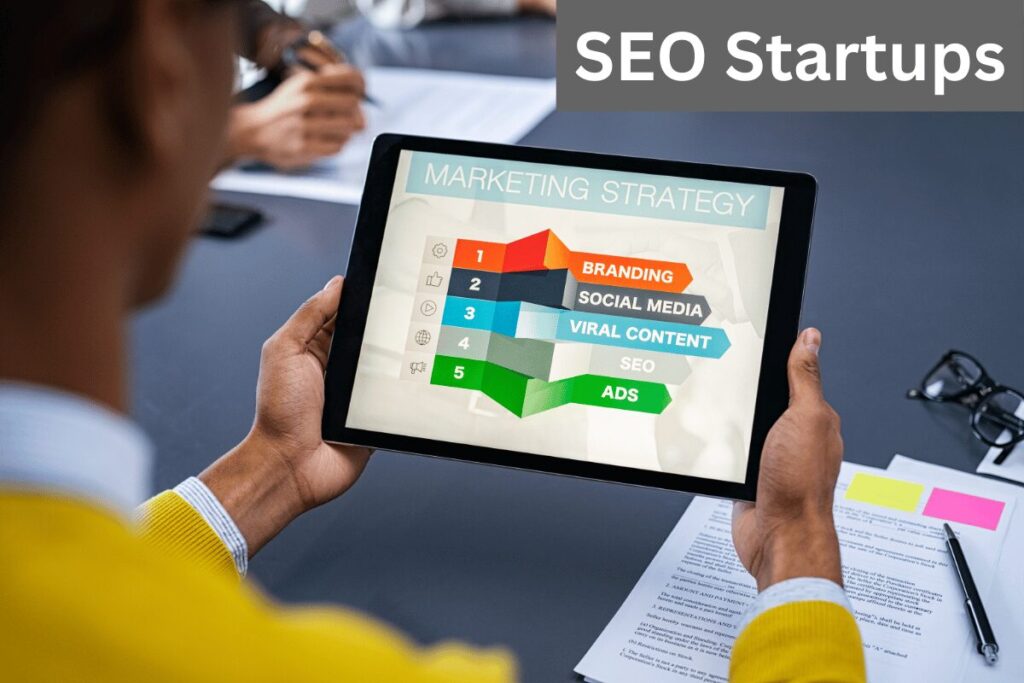
Ultimate Guide To SEO For Startups: Boost Your Online Visibility
BlogWhy Early-Stage Startups Must Prioritize Organic Search Strategy Startups require search engine optimization because organic search provides a compounding, cost-effective acquisition channel that reduces long-term reliance on expensive paid media. By capturing intent-driven traffic early in the buyer journey, startups establish brand authority, capture market share from slower legacy competitors, and improve overall customer lifetime value. In our experience working with early-stage companies, venture-backed teams often overspend on performance marketing during initial launch phases. While paid campaigns deliver immediate feedback, cost per acquisition climbs rapidly as audience saturation occurs. Developing organic search visibility early creates an enduring asset that scales without linear increases in media spend. During a recent engagement with an enterprise SaaS client, we identified a critical issue where paid search costs reached upwards of 400 US dollars per customer acquisition. We restructured their core topic architecture around high-intent transactional terms, resolving keyword cannibalization across their landing pages. Within eight months, organic search generated 42 percent of total pipeline qualified leads, cutting their blended acquisition cost in half. According to official documentation in the Google Search Central SEO Starter Guide, search optimization should focus primarily on aligning site structure and content experience with user intent. Local SEO Strategy for Location-Bound and Hybrid Startups Local search engine optimization enables geographical or hybrid startups to capture high-intent customers within specific target markets by optimizing localized digital touchpoints. Effective local execution involves claiming Google Business Profiles, constructing verified local citations, establishing region-specific service landing pages, and systematically acquiring authentic customer reviews to signal geographic relevance to search algorithms. When startups serve defined markets, local visibility provides a tactical advantage against nationwide competitors. Search engines prioritize proximity, regional context, and localized consumer signals when returning results for local commercial queries. Establishing consistent name, address, and phone data across authoritative directories builds foundational trust with search engines. We managed a multi-location startup expansion where duplicate location profiles and mismatched directory information triggered indexation suppression across three target regions. Our team conducted a full audit, consolidated fragmented listings, deployed standardized schema markup, and instituted an automated review intake workflow. As a result, local map pack impressions increased by 185 percent within ninety days of remediation. Evaluating SEO Partners: Agency, In-House, or Freelance Solutions Selecting the right execution partner requires evaluating organizational bandwidth, technical complexity, and long-term capital allocation against business goals. Startups must balance the strategic depth and multi-disciplinary resources of specialized agencies against the dedicated focus of in-house hires or the tactical execution offered by independent freelance consultants. Choosing an ineffective search partner leads to wasted capital, delayed growth milestones, and potential search engine penalties. Early-stage leadership teams often struggle to distinguish between superficial reporting metrics like raw rankings and meaningful business KPIs such as organic conversion rates. A competent partner maintains complete strategic transparency and provides clear financial attribution for organic campaigns. We frequently observe startups falling into the trap of low-cost retainer packages that rely on automated reporting and generic content production. These low-cost approaches lack the technical depth necessary to resolve complex indexation blockers or craft competitive content strategies. Sustainable organic growth demands tailored technical execution, competitive gap analysis, and aligned business incentives. Operational Model Strategic Advantages Primary Drawbacks Best Suited For Specialized Agency Cross-industry expertise, full-stack team access, advanced enterprise tooling Higher monthly capital commitment Scaling startups seeking rapid execution without hiring overhead In-House Specialist Deep product context, full dedicated capacity, immediate cross-team access Single point of failure, limited breadth of technical skills Established startups with dedicated marketing headcount and budget Freelance Consultant Direct owner communication, lower overhead cost, targeted tactical delivery Constrained bandwidth, limited execution speed across disciplines Early bootstrap startups with basic execution needs and strict budgets Closed DIY Platforms Simple initial setup, low immediate management burden Strict technical limitations, poor scale potential, restricted customization Non-technical founders launching rapid proof-of-concept prototypes Content Management Systems: Selecting and Optimizing WordPress for Scale Selecting an extensible content management platform like WordPress provides scaling startups with complete control over site architecture, custom code integration, and technical search optimizations. Unlike closed website builders, custom content management systems support robust schema implementation, advanced URL structuring, dynamic database management, and modular speed performance enhancements required for long-term growth. Closed platforms offer accessible drag-and-drop interfaces for non-technical founders during initial validation stages. However, as organic content velocity accelerates, closed architectures introduce severe constraints regarding canonical tagging, page speed optimization, and custom script management. Transitioning to open infrastructure allows engineering and marketing teams to implement technical alterations without platform-level bottlenecks. To maximize performance on modular content management systems, teams must maintain strict administrative governance over active plugins and server environments. Unused plugins create security vulnerabilities and generate excessive code bloat that slows rendering times. Implementing server-level caching, modern image formats, and clean permalink structures ensures optimal indexing capability. Technical SEO Foundations: Infrastructure and Search Engine Crawlability Technical search engine optimization establishes the architectural infrastructure necessary for search engine crawlers to efficiently discover, parse, and index website pages. Prioritizing site architecture, mobile rendering efficiency, structured data schema, and crawl budget management ensures search engines accurately understand content context without encountering access blocks or resource timeouts. Recent analysis published in Search Engine Land strategy guidelines highlights that balancing technical foundation maintenance with strategic content development is vital for maintaining organic search equity. Search engine crawlers allocate finite crawling resources based on site authority and infrastructure health. When technical debt accumulates, critical conversion pages risk delayed indexing or lower ranking potential. We resolved a major technical crisis for a growing fintech startup that experienced a sudden 60 percent drop in organic search traffic following a major site redesign. Our diagnostic crawl revealed that client-side rendering was blocking search crawlers from accessing core product page content, while auto-generated URL parameters created massive indexation bloat. We implemented dynamic rendering, configured self-referential canonical tags, and updated their sitemap architecture, restoring baseline search visibility within six weeks. Execution Roadmap: A Step-by-Step SEO Strategy for Early Growth Executing a successful search strategy requires a structured sequence of foundational discovery, technical remediation, competitive intelligence,
Ultimate Guide To Starting A Plumbing Business
How ToEstablishing Licensing, Legal Structure, and Financial Foundations Launching a plumbing enterprise requires formal trade master licensure, business entity registration, comprehensive liability insurance, and structured capital reserves. Establishing a Limited Liability Company or C-Corporation isolates personal assets from liability, while general liability policies shield operations against job site property damage and personal injury claims before dispatching your first service vehicle into the field. Licensing requirements vary across municipalities, but state trade boards universally mandate thousands of documented journeyman hours under supervision before allowing candidate technicians to sit for master plumbing examinations. According to the U.S. Bureau of Labor Statistics, employment in the plumbing trade continues to maintain steady long-term growth, with median annual earnings for qualified technicians hovering around 63,800 USD. In addition to master licensing, operating a legal enterprise demands local municipal contractor permits and state tax registration numbers. We advise structured capitalization strategies that account for trade equipment purchases, fleet vehicle acquisition, and initial commercial insurance premiums. To launch our enterprise legally and protect capital, we execute the following sequential setup steps: Obtain Master Plumber state trade certification by completing mandatory apprenticeship hours and legal trade examinations. Register your official corporate entity as an LLC or C-Corporation with state commercial filing divisions. Secure Federal Employer Identification Numbers (EIN) from tax authorities for corporate banking and payroll. Acquire comprehensive general liability, commercial auto, and mandatory statutory workers compensation policies. Open dedicated business checking accounts to keep corporate finances separated from personal capital. Real-World Operational Challenges: Lessons from the Field Operational growth in plumbing enterprise management routinely encounters severe structural hurdles, including severe technician dispatch routing breakdowns and inventory shrinkage. We resolved these critical friction points by deploying automated field management software, establishing real-world inventory auditing protocols, and standardizing mobile van truck stocks, which increased operational efficiency and preserved profit margins across our service territories. When we expanded our fleet from two to eight service vehicles, our dispatchers managed routes manually using static scheduling boards. This legacy approach created overlapping service zones, double-booked emergency calls, and increased technician drive time, resulting in thousands of USD lost to wasted fuel and idle labor every week. We resolved this operational bottleneck by implementing dynamic GPS-driven dispatching software that automatically assigns emergency calls to the nearest technician quadrant. Inventory leakage presented another complex operational crisis during our early growth phase. Technicians frequently pulled specialized fittings, copper couplings, and pressure regulators from our central warehouse without recording deductions against open work orders, creating a quarterly inventory shortfall exceeding 14,000 USD. We solved this issue by converting our inventory warehouse to a digital barcode scanning system and auditing vehicle truck stock every Friday afternoon. Service Pricing Models and Financial Trade-Offs Plumbing businesses thrive on choosing between flat-rate upfront pricing and traditional time-and-materials billing models. Flat-rate billing yields higher net margins by decoupling labor speed from fee structures, whereas hourly billing mitigates cost risk during unpredictable commercial retrofits or severe structural drain excavation projects. Transitioning from time-and-materials to a standardized flat-rate book allows technicians to present clear upfront quotes, eliminating invoice surprises for homeowners. Guidelines published by the U.S. Small Business Administration emphasize that maintaining strict financial compliance and clear billing disclosures directly reduces consumer disputes and administrative legal overhead. We evaluated three core pricing models during our scaling phase to determine optimal profit margins across different service types. Pricing Model Primary Advantage Primary Risk Recommended Target Use Case Target Profit Margin Range Flat-Rate Pricing Higher profitability on efficient jobs Cost overruns on unforeseen obstacles Residential repairs and fixture installations 25% to 40% Net Time and Materials Full cost recovery on complex projects Customer hesitation due to variable fees Commercial rough-ins and main line replacements 15% to 25% Net Hybrid Menu Pricing Balanced margin protection and transparency Requires ongoing menu updates Emergency drain clearing and sewer scope jobs 20% to 35% Net To maintain consistent cash flow and defend profit margins regardless of economic fluctuations, we implement several operational billing controls: Audit true internal hourly overhead costs every six months by combining shop lease expenses, fuel, insurance, and administrative wages. Institute a non-refundable diagnostic dispatch fee that applies toward total repair costs if the customer accepts the quote. Package preventative maintenance plans into annual residential service memberships to generate predictable off-season revenue. Marketing, Local Search Dominance, and Acquisition Infrastructure Acquiring high-value residential and commercial plumbing clients demands a hyper-local digital strategy centered on verified customer reviews, Google Business Profile optimization, and local service ads. Building trust through rapid response times, published baseline pricing, and organic customer feedback ensures continuous emergency leads without overspending on third-party marketing brokers. In the modern plumbing marketplace, emergency leads favor contractors who possess dominant local search visibility and verified customer proof. Rather than burning capital on broad geographic broadcast ads, we focus our marketing spend on hyper-targeted channels that capture high-intent service requests immediately. Claim and fully verify Google Business Profiles with precise primary categories, direct dispatch phone numbers, and recent project photographs. Deploy automated post-job messaging systems that request customer reviews via SMS within two hours of service completion. Create location-specific landing pages on your company website for surrounding municipal zip codes and residential sub-divisions. Build strong business-to-business relationships with local property management firms, commercial facility managers, and real estate agents. Frequently Asked Questions What is the estimated starting capital required to launch a plumbing business? Launching an independent plumbing business generally requires between 10,000 USD and 30,000 USD in starting capital. These initial funds cover master licensing fees, commercial vehicle leasing, essential specialized tools, and baseline liability insurance policies. Operators can minimize upfront capital requirements by leasing fleet vehicles and sourcing specialized machinery on a per-job rental basis. Is a Master Plumber license mandatory before registering a plumbing business? Most regulatory jurisdictions require a licensed Master Plumber to serve as the legal qualifying agent for the corporate entity. However, business owners who do not hold a master trade license can legally own and operate a plumbing company by employing a full-time Master Plumber as their Designated Supervisor. This structure

Combatting Fake Reviews: Google’s 2025 Business Profile Changes Explained
BlogGoogle’s New Business Profile Restrictions: Fake Reviews (And Why We’re All Gonna Be Okay) Let’s cut to the chase: fake reviews are the internet’s version of a bad toupee—obvious, awkward, and no one’s fooled. But here’s the kicker—Google’s finally tightening the screws on them. If you’re a business owner sweating over these new restrictions, take a deep breath. We’ve got your back. At Sitelinx Organic SEO Agency in Los Angeles, we’ve been knee-deep in Local SEO and Google Business Profile drama for years. Trust us, this isn’t the apocalypse—it’s an upgrade. So, why should you care? Because fake reviews aren’t just annoying; they’re toxic. They mess with your credibility, tank your rankings, and make customers side-eye your business like it’s a suspicious leftovers container. But hey, let’s not panic. Let’s strategize. Why Fake Reviews Are Everyone’s Problem (Yes, Even Yours) First off, let’s get real: fake reviews aren’t just a “big business” issue. Whether you’re a cozy coffee shop or a WordPress wizard offering SEO services, your Google Business reviews are your digital handshake. Google’s new restrictions? They’re like a bouncer at the club, kicking out the posers so the real stars can shine. Here’s what’s changing: Stricter verification: Google’s cracking down on reviews from suspicious accounts (read: profiles created yesterday with zero history). AI-powered detection: Algorithms now hunt for patterns like repetitive language or sudden review spikes. Faster removals: Flagged reviews get yanked quicker, but you still need to stay vigilant. Fun fact: A recent client of ours (a boutique bakery) had a competitor flood their profile with one-star “reviews” from accounts that only existed to trash them. Took us 48 hours to clean it up—and boost their rankings. Moral of the story? Fake reviews are a pain, but fixable. How to Adapt Without Losing Your Mind (or Your Rankings) Okay, let’s talk solutions. Google’s playing hardball, but we’re here to make sure your business doesn’t strike out. Step 1: Audit Your Existing Reviews Grab a coffee and comb through your Google Business reviews. Look for: Generic language (“Great service!”, “Terrible experience!”) with no specifics. Multiple reviews posted in a short timeframe. Accounts with no profile photos or activity. Pro tip: Use tools like ReviewTrackers or just hire an SEO specialist (hi, that’s us) to handle the dirty work. Step 2: Encourage Real Reviews Like Your Business Depends on It (Because It Does) The best defense against fake reviews? A flood of genuine ones. Here’s how: Ask politely: Add a review link to email signatures, receipts, or your website. Make it easy: Use QR codes on tables, counters, or invoices. Incentivize (ethically): Offer a small discount or entry into a giveaway—after they leave a review. FYI: Google’s guidelines forbid offering incentives for positive reviews, so keep it neutral. Why Local SEO Is Your New Best Friend Let’s get nerdy for a sec. Local SEO isn’t just about keywords—it’s about building trust. Google’s algorithm now prioritizes businesses with: Consistent NAP (Name, Address, Phone) across directories. High-quality photos and updated hours. Legit reviews that reflect real customer experiences. At Sitelinx, we’ve seen businesses jump 3+ spots in local rankings just by cleaning up their profiles and optimizing for these factors. And guess what? It’s cheaper than Google Ads. When to Call Reinforcements (Hint: We’re Really Good at This) Look, we get it. Between website management, technical SEO services, and pretending to understand TikTok trends, you’ve got enough on your plate. That’s where an SEO agency like ours comes in. Here’s what the best SEO companies for small business can do for you: Monitor reviews 24/7: We’ll flag fakes faster than you can say “algorithm update.” Optimize your WordPress SEO: Because nobody wants a slow, clunky site in 2024. Fix technical nightmares: Broken links? Mobile-unfriendly design? Consider it handled. Rhetorical question: Why stress over Google’s ever-changing rules when you could be sipping margaritas while we do the heavy lifting? 3 Burning Questions About Fake Reviews (Answered Without the Jargon) “How do I prove a review is fake?” Look for vagueness, duplicate content, or a reviewer with no history. Screenshot everything and report it via Google’s dashboard. “Will Google penalize my business if competitors leave fake reviews?” Only if you’re the one posting them. Google’s smarter now—they’ll target the culprit, not the victim. “Can I just delete bad reviews?” Only if they violate policies (e.g., hate speech, spam). Otherwise, respond professionally and fix the issue. The Bottom Line: Play the Long Game Google’s new restrictions aren’t about making your life harder—they’re about fairness. Fake reviews cheat everyone: businesses, customers, even Google’s algorithm. By focusing on authentic engagement, Local SEO, and a rock-solid online presence, you’ll not only survive but thrive. And hey, if you’re feeling overwhelmed, remember Sitelinx Organic SEO Agency exists. We’re a Los Angeles-based team of SEO nerds who live for this stuff. From WordPress SEO services to reputation management, we’ve got your back. Final thought: Fake reviews are like glitter—annoying, persistent, but not impossible to clean up. Let’s grab a virtual broom and get to work. :)** Need a hand? Contact Sitelinx Organic SEO Agency for a free audit. Because life’s too short for fake reviews and mediocre rankings.
