SEO For Manufacturers
BlogSEO For Manufacturers: The Modern Technical Strategy for B2B Industrial Lead Generation Industrial manufacturing operates in a distinct ecosystem. When we evaluate digital marketing strategies for industrial clients, we recognize that standard consumer SEO tactics fail to address the complexities of B2B procurement. Manufacturing buyers do not make impulse decisions based on catchy headlines; they are engineers, procurement officers, and operations executives evaluating high-value contracts, tight tolerances, ISO certifications, and long-term supplier viability. In our work optimizing search presence for precision machining, custom fabrication, and heavy industrial component manufacturers, we have found that organic search visibility is the single most effective channel for capturing high-intent technical buyers early in their evaluation process. This guide details our methodology for transforming a manufacturer’s website into a continuous source of qualified Request for Quotes (RFQs). The Fundamental Differences in Industrial B2B Search Search engine optimization for manufacturers requires a pivot from high-volume traffic targets toward low-volume, ultra-specific search queries. While a consumer product page might aim for thousands of monthly searches on broad terms, an industrial original equipment manufacturer (OEM) or contract job shop often thrives by ranking for terms that generate fewer than 100 searches per month worldwide. Key characteristics that define manufacturing search behavior include: Multi-stakeholder buying committees where engineers assess technical capabilities and procurement directors evaluate risk, lead times, and unit pricing. Long sales cycles ranging from 3 months to over 18 months, requiring multi-touch content that re-engages prospective buyers across multiple research phases. Specification-driven queries containing exact metal grades, dimensions, industry standard codes, operating temperature ranges, or processing methods. High average contract values where a single organic quote lead can result in hundreds of thousands of dollars in recurring annual revenue. Solving Complex Technical SEO Challenges in Manufacturing Over years of auditing and building industrial web architecture, our team has encountered and solved technical issues unique to manufacturing catalogs and service offerings. Below are three real-world examples of complex problems we routinely address. Resolving Dynamic CAD and Parameter Duplicate Content A precision injection molding manufacturer maintained a catalog with over 15,000 parameter variations across material types, dimensions, and durometer ratings. Their legacy CAD preview tool automatically generated unique URLs for every minor parameter toggle, resulting in index bloat and thousands of thin, duplicate pages that diluted domain authority. We solved this issue by implementing a strict canonical hierarchy. We configured parametric filtering controls using asynchronous JavaScript rendering without generating unique indexed URLs for minor parameter shifts. Primary product category hubs were designated as canonical targets, while deep specification attributes were annotated using structured JSON-LD data. This consolidation reduced indexed thin pages by 82 percent and propelled core category pages into top-three positions for high-value terms. Bridging the 12-Month Attribution Gap in GA4 and CRM Systems A custom hydraulic cylinder manufacturer struggled to attribute high-value purchase orders back to organic search keywords because their sales cycle averaged 11 months from initial form fill to final contract execution. Standard web analytics sessions expired long before deals closed, leading management to underfund organic optimization. Our team resolved this by engineering a custom Google Tag Manager data layer that captured Google Click IDs (GCLID) and organic landing page session IDs, passing them directly into the client’s HubSpot and Salesforce CRM profiles via API endpoints. We then established offline conversion import routines back to Google Analytics 4. This cross-system integration enabled tracking of generated pipeline revenue in dollars directly back to specific organic landing pages, proving a 14x ROI on their SEO program. Balancing Proprietary IP Protection with Search Indexability An aerospace supplier wanted to rank for custom engineering capabilities but kept all technical specification sheets, 3D CAD files, and tolerance guidelines locked behind strict registration gates. Because search engine crawlers could not read the locked assets, Google treated their capability pages as thin content. We resolved this by developing a dual-layer content architecture. We ungated high-level parametric summary tables, raw material compatibility matrixes, and compliance declarations directly on the HTML page, allowing search engine crawlers full access to technical terminology. We maintained registration gates strictly for full STEP file downloads and detailed blueprint packages. This approach allowed search bots to index complete specification data, increasing organic search impressions by 210 percent while increasing qualified RFQ form conversions by 35 percent. Core Pillars of an Industrial SEO Framework To achieve top rankings and convert technical traffic into pipeline revenue, we execute a structured framework across technical web development, content engineering, and authority building. Technical Web Architecture and Indexation Control Search engine crawlers must effortlessly discover, parse, and render technical assets. In accordance with Google Search Central starter documentation, a clean site hierarchy paired with logical internal linking ensures search bots distribute crawl budget efficiently across high-margin service lines. Essential technical requirements for manufacturing sites include: Mobile responsiveness optimized for field engineers and on-site plant managers utilizing tablet and mobile devices. Page speed optimization ensuring fast rendering of heavy industrial diagrams, PDF spec sheets, and high-resolution machinery photos. Logical URL taxonomy organized by process, material capability, industry application, and part certification. Parameter handling through search console configuration and canonical tags to prevent duplicate indexing from internal faceted search systems. Intent-Driven Keyword Mapping Keywords for manufacturers must be categorized by commercial intent rather than search volume alone. B2B buyers search with explicit requirements that indicate immediate production needs. Query Type Primary Target Audience Sample Search Terms Optimal Page Target Process & Capability Manufacturing Engineers 5 axis CNC titanium machining services Custom Service Landing Page Material & Tolerance Design / R&D Engineers PEEK plastic machining tolerances ISO 13485 Technical Specification Guide Industry Compliance Procurement Officers AS9100 certified aerospace sheet metal fabrication Industry Solution Page Direct Commercial Sourcing Managers custom rubber gasket manufacturer near me Local / Regional Service Page Structured Data and Schema Implementation Structured data translates human-readable technical specifications into standardized code that search engines and AI models digest instantly. Utilizing Schema.org Product definitions alongside Organization markup allows search engines to identify your precise capabilities, materials, and service parameters. Key structured data types for manufacturing

SEO For Lawyers
BlogTitle: SEO Strategy for Law Firms: Modern Frameworks for Sustainable Client Acquisition When prospective clients face legal challenges, their initial action is rarely consulting traditional directories. They turn immediately to modern search engines and AI assistants. Queries like "best family law attorney near me" or "what to do after a commercial vehicle collision" generate thousands of high-intent searches daily. If our law practice does not appear prominently during these pivotal moments, those potential clients connect with competing firms. Search Engine Optimization (SEO) for lawyers is not about manipulating search engines through outdated tactics. It represents a systematic engineering effort designed to establish top-tier visibility, establish strict regulatory compliance, and position our attorneys as trusted authorities in specific practice areas. Understanding Legal Search Optimization in High-Stakes Markets Legal services fall directly under Google’s "Your Money or Your Life" (YMYL) content standards. Search algorithms scrutinize legal content with exceptional stringency because inaccurate legal advice can cause significant financial or personal harm. Demonstrating high levels of Experience, Expertise, Authoritativeness, and Trustworthiness (E-E-A-T) is mandatory for achieving sustainable rankings. To understand how search engines evaluate quality signals, reviewing Google Search Central guidelines on E-E-A-T provides essential baseline principles. Furthermore, legal digital marketing operates within strict ethical parameters defined by state bar associations and the ABA Model Rule 7.1 regarding legal communications. Key factors that distinguish legal SEO from standard business marketing include: Elevated YMYL Scrutiny: Algorithmic filters strictly evaluate author credentials, legal source citations, and editorial oversight. Extreme Local Intent: Over 70 percent of prospective legal clients look for representation within their local geographic jurisdiction. Substantial Customer Acquisition Value: Single legal leads often translate to substantial case values, justifying intensive optimization investments. Strict Ethical Advertising Constraints: Legal websites must strictly avoid misleading claims, guaranteed outcome promises, or unauthorized specialization titles. Google Business Profile and Local SEO: Dominating Local Pack Rankings The Google Business Profile (GBP) and local map pack listings serve as the primary point of contact for local legal inquiries. For personal injury, criminal defense, and family law practices, local map listings account for the majority of initial call volume. Critical Local Optimization Checklist To capture top map-pack placements, our local architecture must maintain precise alignment across all digital properties: Business Name Consistency: Ensure the exact legal registered name is used across all web directories without aggressive keyword stuffing. Primary and Secondary Categories: Select primary classifications accurately (e.g., "Personal Injury Attorney") and support them with secondary tags (e.g., "Law Firm", "Trial Attorney"). NAP Standardization: Maintain 100 percent consistency across Name, Address, and Phone number entries on legal directories like Avvo, Justia, FindLaw, and Martindale-Hubbell. Review Management Protocols: Implement systematic, post-resolution client workflows to acquire authentic Google reviews while maintaining client confidentiality. Local Geo-Targeted Service Pages: Create dedicated location pages for each physical office location with embedded map coordinates, localized schema, and neighborhood-specific content. Technical SEO for Law Firm Websites: Building an Unshakeable Foundation A visually appealing website fails if search engine crawlers cannot efficiently parse its architecture or if slow page load times frustrate mobile users. Technical SEO ensures that site architecture, code efficiency, and security protocols align with current web standards. Technical SEO Pillar Benchmark Requirement Impact on Legal Search Performance Mobile Performance Largest Contentful Paint (LCP) under 2.5 seconds Prevents bounce rate spikes from users in emergency legal situations Core Web Vitals Cumulative Layout Shift (CLS) under 0.1 Ensures seamless navigation across mobile devices Security Protocols HTTPS with valid TLS/SSL certificates Protects confidential intake data and establishes trust Indexability & Crawl Budget Zero crawl errors, streamlined XML sitemaps Allows search bots to rapidly index new legal insights and news Structured Data Custom LegalService JSON-LD implementation Enables AI search engines to pull exact practice details and FAQs Real-World Technical Case Study: Resolving Core Web Vitals and Multi-Location Cannibalization A multi-office personal injury firm approached our team after suffering a 40 percent decline in organic leads following a site migration. Our technical audit revealed two major systemic failures: severe keyword cannibalization caused by duplicate practice area pages created for seven separate sub-cities, and broken Core Web Vitals resulting from uncompressed media files and render-blocking scripts. To resolve these issues, we executed a comprehensive technical restoration: Page Consolidation and Canonicalization: We consolidated 42 thin, city-specific doorway pages into 7 comprehensive regional practice hubs, utilizing 301 redirects to consolidate link equity. Asset Optimization: We implemented next-generation image formats (WebP), minified JavaScript libraries, and deployed a global Content Delivery Network (CDN), dropping mobile LCP from 5.2 seconds down to 1.8 seconds. Geo-Targeted Schema Overhaul: We implemented unique LegalService structured data on each physical office page, clearly specifying geo, address, and areaServed properties. Within 90 days of deploying these fixes, organic local map pack impressions increased by 112 percent, and primary practice area keyword rankings recovered to top-three positions. Content Strategy and E-E-A-T Compliance for Legal YMYL Topics Writing legal content requires balancing authoritative expertise with consumer accessibility. Articles filled with dense legal jargon alienate prospective clients, whereas overly simplified content fails to establish technical authority. Structured Content Guidelines for Legal Practices Plain-Language Explanations: Deconstruct complex statutes, procedural rules, and legal timelines into clear, actionable steps. Clear Author Attribution: Include detailed attorney bios on all legal articles, highlighting bar admissions, trial experience, and professional achievements. Comprehensive Citation: Reference specific state codes, precedent case law, and official court procedures to validate statements. Temporal Accuracy: Update legal guides annually to account for statutory changes or recent appellate decisions. Real-World Content Case Study: Overcoming ABA Compliance Violations and Duplicate Topical Dilution An established estate planning firm observed that its long-form informational guides were failing to rank on modern AI-driven search engine result pages. Our content audit identified that their writers relied heavily on generic legal summaries lacking original analysis. Additionally, several pages used impermissible terminology like "the top certified experts in the state," triggering ethics warnings and algorithmic quality penalties. Our strategic intervention included the following technical content adjustments: Editorial Policy Alignment: We established an editorial review process where every published piece was reviewed and signed off by a

Search Engine Optimization Services
BlogTitle: Strategic Search Engine Optimization Services: Driving Organic Growth, Technical Authority, and Generative Search Visibility When businesses launch digital assets, they often expect immediate organic traffic. However, without a structured visibility strategy, even the best digital storefronts fail to capture target audience attention. We understand this frustration because we have guided hundreds of organization leaders through the complexities of organic discovery. Search engine optimization is not a static list of tricks or secret algorithms. It is an evolving engineering discipline, digital PR strategy, and user experience framework designed to establish sustainable digital authority. Search engine optimization services focus on positioning your web properties where high-intent consumers search for answers, products, and localized solutions. Achieving top rankings on search engines requires systematically solving technical debt, aligning content with search intent, and building authority across the web. Modern search strategy must also account for artificial intelligence engines and conversational LLMs that aggregate and summarize authoritative web pages directly for users. What Are Search Engine Optimization Services? Search engine optimization services encompass the end-to-end management of a website’s organic search performance. Rather than paying for continuous ad impressions, organic search optimization earns continuous visibility by fulfilling search engine requirements and consumer queries better than competing websites. Google processes billions of queries every day using sophisticated automated crawlers, indexing databases, and multi-stage ranking algorithms. To systematically maximize visibility within this ecosystem, we align digital assets with the fundamental discovery steps outlined in the official Google Search Central SEO Starter Guide. URL Discovery: Ensuring search engine crawlers can discover every critical URL through efficient site architecture and clean sitemap delivery. Content Parsing and Indexing: Structuring text, media, and code so indexing systems can categorize page themes accurately. Signal Evaluation and Serving: Building trust, page speed, and backlink relevance so algorithms select your pages as top answers for specific queries. Organic optimization represents a long-term compound asset for small businesses and enterprise corporations alike. While paid advertising traffic stops the moment ad budgets dry up, an optimized website continues generating qualified leads and sales calls month after month. The Three Fundamental Pillars of Modern SEO Services A resilient search strategy relies on a balanced architecture. Ignoring one pillar destabilizes the entire enterprise, leading to volatile ranking drops during core algorithm updates. Technical SEO: Establishing the High-Performance Infrastructure Technical SEO serves as the unseen foundation of your entire digital presence. If search engine crawlers encounter execution errors, broken directives, or severe site slowness, your content will fail to rank regardless of its quality. Core Web Vitals Optimization: Optimizing site metrics including Largest Contentful Paint (LCP) for load speed, Cumulative Layout Shift (CLS) for visual stability, and Interaction to Next Paint (INP) for real-time responsiveness. Crawl Budget and Directives Management: Configuring robots.txt, canonical tags, and XML sitemaps to prevent crawlers from wasting resources on duplicate or low-value parameter URLs. Indexation and Architecture Engineering: Establishing clear logical internal linking trees and eliminating orphan pages that prevent search engine bots from reaching high-priority content. Mobile-First Responsive Optimization: Ensuring seamless rendering across mobile screens, as Google evaluates sites predominantly through its mobile indexing crawlers. On-Page Optimization: Aligning Search Intent with Structured Content On-page optimization shapes how both users and search bots interpret your web pages. It goes far beyond repeating keywords; it requires mapping complete intent ecosystems to specific pages. Search Intent Mapping: Analyzing query clusters to identify whether searchers seek informational solutions, transactional product pages, or comparative evaluation matrices. Semantic Tag and Heading Hierarchy: Structuring pages with clean header tags, meta titles, meta descriptions, and alt text to establish contextual relevance. Content Depth and EEAT Alignment: Crafting comprehensive resources that demonstrate Experience, Expertise, Authoritativeness, and Trustworthiness (E-E-A-T). Content Management System (CMS) Optimization: Configuring platforms like WordPress using custom lightweight frameworks to deliver fast-loading, clean code. Off-Page SEO and Digital Authority Building Off-page optimization proves to search algorithms that external industry peers validate your expertise. Search engines view links from reputable external websites as votes of confidence. Contextual Backlink Acquisition: Earning authoritative links from high-trust industry publications and media channels through original research and content distribution. Unlinked Brand Mention Reclamation: Identifying online mentions of your company brand name and converting them into direct contextual backlinks. Content Syndication and Digital PR: Placing expert commentary on leading industry outlets to build brand equity and referral traffic. Local SEO Services: Dominating Geographic Search Ecosystems For regional service providers and local business storefronts, ranking across localized query terms requires a dedicated framework. Local SEO captures users with immediate commercial intent searching within specific geographic zones. Google Business Profile Management: Claiming, verifying, and optimizing your Google Business Profile (GBP) with precise primary categories, real-time hours, services, and photo updates. Citation and Directory Consistency: Auditing and unifying your Name, Address, and Phone Number (NAP) details across hundreds of local directories and mapping aggregators. Review Generation and Sentiment Management: Establishing automated workflows to generate genuine customer reviews on Google and responding professionally to build user trust. Geo-Targeted Location Page Optimization: Creating unique, non-duplicative landing pages tailored to specific suburbs, cities, and transit corridors to capture hyper-local traffic. Real-World Case Studies: Resolving Complex Technical SEO Challenges To demonstrate how strategic search optimization operates in real-world scenarios, we examine two complex engineering challenges we diagnosed and resolved. Case Study 1: Resolving JavaScript Client-Side Rendering Indexation Failures A fast-growing web platform migrated its marketing frontend to a headless single-page application built on Next.js. Shortly after launch, organic search traffic dropped by 68 percent, and crucial lead-generation pages disappeared from search engine indices. The Diagnostic: We identified that the frontend was executing client-side rendering without fallback static pre-rendering. Search engine bots were crawling empty HTML shells before the JavaScript bundles executed, causing pages to time out during the second-pass indexing queue. The Strategy and Solution: We re-engineered the rendering architecture to Server-Side Rendering (SSR) for static content pages and implemented incremental static regeneration. We updated structural directives and validated rendering efficiency using real-time search engine rendering tools. The Result: Within 45 days of deploying server-side rendering, indexing efficiency restored to 100
Understanding Linkgraph Link Building: A Key to Effective SEO Strategies
BlogWhat Is Linkgraph Link Building? (And Why Your SEO Strategy Needs It) Hey there, fellow SEO nerds! Let’s talk about something we’ve all obsessed over at 2 a.m. while downing our third cup of coffee: link building. But not just any link building—today, we’re diving into Linkgraph, the buzzword that’s been floating around forums and making marketers like us tilt our heads like confused puppies. What even is it? And why should we care? Spoiler: If you’re not using Linkgraph principles, you’re basically playing darts blindfolded. Let’s break it down, swap some tips, and maybe even roast a few outdated tactics along the way. (Looking at you, spammy directory links from 2005.) So, What’s Linkgraph Anyway? Imagine Google’s crawling your site, right? Instead of seeing a jumbled mess of random backlinks, it maps out a clean, organized “graph” of how your site connects to others. That’s Linkgraph in a nutshell. It’s not a tool or a checklist—it’s a framework for building links that actually make sense for your niche, audience, and goals. Here’s the kicker: Linkgraph link building focuses on quality over quantity. Gone are the days of stuffing your profile with 500 irrelevant forum signatures. Today, it’s about strategic partnerships, Local SEO wins, and content so good that other sites beg to link to you. How Linkgraph Works (Without Putting You to Sleep) Let’s get tactical. How do you actually build a Linkgraph-friendly backlink profile? 1. Identify “Link-Worthy” Pages Not every page deserves a gold medal. Start by auditing your site to find: Pages with high organic traffic but few backlinks. Cornerstone content (think ultimate guides or data-driven reports). Pages targeting keywords where you’re almost ranking on page 1. Pro tip: If you’re on WordPress, plugins like Yoast can help spot these opportunities. Or, y’know, hire an SEO specialist (hi, that’s us at Sitelinx) to do the heavy lifting. 2. Create Content That’s Actually Linkable Here’s where most folks flop. You can’t just publish a generic “Top 10 Tips” post and expect The New York Times to link to it. Ask yourself: Is this data original? (Surveys, case studies, and proprietary research = link magnets.) Does it solve a problem 90% of your audience has? Would I share this with a colleague? (Be honest.) Fun fact: We once boosted a client’s traffic by 200% in 6 months by turning their boring service page into a free interactive tool. Links poured in like free samples at Costco. 3. Outreach Like a Human, Not a Robot Cold emailing 1,000 bloggers with “Hey [First Name], love your blog!” isn’t just lazy—it’s embarrassing. Instead: Personalize every pitch. Mention their recent article or a shared connection. Offer value upfront: “I noticed your guide on X is missing [our data/study/tool]. Want to include it?” Follow up politely. Twice. Then move on. Why Bother with Linkgraph? (Besides Impressing Your Boss) Let’s cut through the jargon. Here’s what Linkgraph link building actually does for you: Boosts Domain Authority: Google trusts sites with relevant, high-authority backlinks. Fuels Local SEO: Got a brick-and-mortar biz? Links from local news sites or directories = gold. Drives Targeted Traffic: A link from a niche blog brings visitors who want what you sell. FYI, we’ve seen clients land on the first page for competitive keywords just by cleaning up their link profiles. No magic, just strategy. Common Linkgraph Mistakes (Don’t Be This Person) We’ve all messed up. Here’s what not to do: Ignoring Technical SEO: Broken links? Slow site speed? Fix these first. Even the best backlinks won’t save you if your site’s a hot mess. Buying Links: Unless you enjoy Google penalties. (Spoiler: You don’t.) Forgetting Google Business Reviews: For local businesses, reviews boost visibility and credibility. Respond to them—yes, even the Karens. Linkgraph vs. Traditional Link Building: A Totally Unbiased Showdown Let’s settle this once and for all. Aspect Linkgraph Traditional Tactics Focus Relevance, authority, user value Quantity, any link you can get Content Strategy Data-driven, original research Generic “me-too” posts ROI Long-term growth, sustainable traffic Short-term spikes, high risk Best For Businesses wanting to scale Desperate folks chasing quick wins IMO, it’s no contest. “But How Do I Start?” (Glad You Asked) Audit Your Backlinks: Tools like Ahrefs or SEMrush show who’s linking to you—and if they’re trash. Prioritize Fixing Toxic Links: Disavow spammy links dragging you down. Partner with an SEO Agency: Like, say, a certain Sitelinx Organic SEO Agency in Los Angeles? Wink. Seriously, though—if you’re a small business owner juggling website management, WordPress SEO services, and 10 other hats, outsourcing to one of the best SEO companies for small business lets you focus on what you do best. 3 Burning Questions About Linkgraph (Answered) Q: How long until I see results? A: SEO’s a marathon, not a sprint. Expect 3–6 months for noticeable traction. But hey, good things come to those who wait (and optimize). Q: Can I DIY this? A: Sure, if you’ve got time to learn 15 tools and enjoy reading Google’s 200-page algorithm updates. For everyone else, hire an SEO agency. Q: What’s the #1 thing killing my Linkgraph? A: Probably irrelevant links. If you’re a vegan restaurant with backlinks from a motorcycle forum, Houston, we have a problem. Why Sitelinx? (We’re Not Just Saying This) Shameless plug time! At Sitelinx Organic SEO Agency, we live for this stuff. Here’s why clients stick with us: Hyperlocal Expertise: We know LA’s market inside out. Want to dominate Local SEO in Venice Beach? We’ve got you. Full-Service SEO: From technical SEO services to content strategy, we’re your one-stop shop. No BS Reporting: We’ll show you exactly where your money’s going. No jargon, no fluff. Oh, and we’ve been called a “best SEO company” by actual humans—not just our moms. Ready to Level Up? Linkgraph isn’t a trend—it’s the future of SEO. Whether you DIY it or team up with a marketing consultant, the key is to start now. And hey, if you’re feeling stuck, hit up Sitelinx. We’ll handle the geeky stuff while you focus
Ultimate Guide to Selecting the Best SEO Service Provider
BlogHow to Choose the Right SEO Service Provider (Without Losing Your Mind) Let’s be real—navigating the world of SEO feels like trying to solve a Rubik’s Cube blindfolded. One wrong move, and suddenly your website’s buried under a pile of cat meme blogs. But hey, that’s why we’re here. At Sitelinx Organic SEO Agency in Los Angeles, we’ve seen it all: the good, the bad, and the “wait, you did WHAT to their backlinks?!” moments. So, grab a coffee, and let’s break down how to pick an SEO partner that won’t leave you Googling “how to undo SEO disasters.” Step 1: Know What You Actually Need (No, Really) Before we start swiping right on every “SEO specialist” with a flashy website, let’s figure out what your business actually needs. Spoiler: “More traffic” isn’t specific enough. Business Goals: Are We Chasing Sales or Brand Love? Want local customers walking through your door? Local SEO is your BFF. Running a WordPress site that’s slower than a DMV line? WordPress SEO services might save your sanity. Dreaming of national dominance? Time to talk technical SEO services and content strategy. Pro tip: If you’re a small business, lean toward providers branded as the “best SEO companies for small business”—they’ll get your budget and hustle. Budget: Because “Exposure” Doesn’t Pay the Bills Let’s avoid sticker shock. SEO isn’t a one-time fee; it’s a relationship. Ask: Do they offer flexible plans? Is there a clear ROI timeline? (Hint: If they promise #1 rankings in a week, run. Fast.) FYI, agencies like ours (hey, Sitelinx!) often bundle website management with SEO—because who has time to juggle 10 different logins? Step 2: The “Green Flags” of a Killer SEO Company Not all heroes wear capes. Some write meta tags and fix crawl errors. Here’s what to look for: Transparency: No “Trust Me, Bro” Vibes The best SEO companies won’t leave you in the dark. Demand: Regular reports that actually make sense. Clear explanations of strategies. (If they mention “quantum meta-algorithmic hyper-optimization,” they’re bluffing.) Experience: Been There, Fixed That Look for: Case studies with real results. (Bonus if they’ve worked with businesses like yours!) Expertise in your niche. A vegan bakery’s SEO isn’t the same as a law firm’s. Fun fact: Our team at Sitelinx once resurrected a client’s site after a “SEO guru” tanked their rankings with shady backlinks. Lesson? Experience matters. Technical Chops: More Than Just Keyword Stuffing Technical SEO services are the unsung hero of rankings. Your provider should geek out about: Site speed optimization (especially for WordPress users). Mobile responsiveness. Fixing broken links like it’s their job (because… it is). Step 3: Red Flags That Scream “NOPE” Avoid these like expired milk: “Guaranteed #1 Rankings!”: Unless they own Google (they don’t), this is fantasy. No Clear Strategy: If their plan is “we’ll do some SEO magic,” swipe left. Ignoring Local SEO: For brick-and-mortar businesses, Google Business reviews and local listings are non-negotiable. Step 4: Why Local SEO Isn’t Just a Buzzword If your business serves a local crowd, Local SEO is your golden ticket. Think: Optimizing Google Business profiles (with real reviews, not your cousin’s fake 5-star). Location-based keywords (“best tacos in LA” > “best tacos”). Shameless plug: Sitelinx specializes in helping LA businesses dominate local searches. Because why compete globally when you can own your backyard? Step 5: WordPress? Don’t Wing It WordPress SEO services aren’t just plugins and prayers. A pro will handle: Speed optimization (goodbye, 10-second load times). SEO-friendly themes and plugins. Security updates (because getting hacked is not a traffic strategy). SEO Provider Showdown: Freelancer vs. Agency vs. DIY Let’s compare your options (without the jargon): Factor Freelancer Agency (Like Sitelinx!) DIY Cost Budget-friendly Mid-to-high Free (ish) Expertise Hit or miss Full-team skills Depends on your coffee intake Time Commitment Moderate Low Sky-high Scalability Limited High You’re the bottleneck FAQ: Your Burning Questions, Answered 1. “How much does SEO cost?” It varies. Small businesses might spend $500–$2,500/month. Agencies like ours tailor plans because—surprise—a startup and a Fortune 500 don’t need the same strategy. 2. “How long until I see results?” SEO’s a marathon, not a sprint. Expect 3–6 months for traction. (Pro tip: Avoid anyone who says “overnight results.” They’re selling fairy tales.) 3. “What if Google updates its algorithm?” A solid SEO agency stays ahead of trends. We’ve survived countless updates by focusing on ethical SEO—no shady shortcuts. Wrapping Up: Your SEO Sidekick Awaits Choosing an SEO provider isn’t about finding the cheapest or flashiest. It’s about partnership. At Sitelinx Organic SEO Agency, we’re not just another SEO company—we’re your hype squad, tech nerds, and marketing consultant rolled into one. So, if you’re ready to ditch the guesswork and actually enjoy SEO, hit us up. Let’s make Google fall in love with your site. (And yes, we’ll explain every step—no “quantum meta-algorithmic” gibberish.) TL;DR: Do your homework, prioritize transparency, and don’t ignore local or technical SEO. Or… let us handle it while you focus on your business. 😉
Essential SEO FAQs for 2025: Strategies for Success
BlogSEO FAQs for 2025 Moving Forward: Let’s Cut Through the Noise Hey there, SEO nerds and business hustlers! Let’s get real for a minute. If you’re still treating SEO like a “set it and forget it” task, 2025 might just hit you like a ton of bricks. Algorithms are evolving faster than your aunt’s conspiracy theories on Facebook, and keeping up feels like running a marathon in flip-flops. But don’t panic—we’ve got your back. At Sitelinx Organic SEO Agency (yes, we’re the Los Angeles-based rebels who geek out over keyword rankings), we’ve been knee-deep in the trenches. Let’s break down what actually matters for SEO in 2025 and beyond—no fluff, no jargon, just straight talk. Why SEO Still Isn’t Dead (And Never Will Be) Let’s squash this myth once and for all: SEO isn’t going anywhere. Sure, TikTok dances and Instagram Reels are fun, but when it comes to driving sustainable traffic, nothing beats a well-optimized website. Think of SEO as the foundation of your digital house. You wouldn’t build a mansion on quicksand, right? Here’s the deal for 2025: Google’s getting smarter (and pickier). Core updates now prioritize user intent over keyword stuffing. If your content doesn’t answer questions like a helpful friend, you’ll get buried. Voice search is exploding. “Hey Google, find me the best SEO company near me” isn’t just a casual query—it’s a goldmine for local SEO. Technical SEO services are non-negotiable. Slow sites? Broken links? Mobile-unfriendly designs? Google’s side-eyeing you harder than a barista decaf-ing your order. Pro tip: Partnering with an SEO agency that understands these shifts (like, ahem, Sitelinx) isn’t just smart—it’s survival. Local SEO in 2025: Your Neighborhood Just Got Digital Raise your hand if you’ve Googled “best coffee near me” this week. Exactly. Local SEO isn’t just for brick-and-mortar shops anymore—it’s the secret sauce for any business with a physical presence (or even a service area). Here’s what’s changing: Google Business Reviews Are Your New Billboard Google’s leaning hard into reviews. A 4.5-star rating isn’t just ego fuel; it’s a ranking signal. Respond to reviews (yes, even the salty ones), and keep your profile updated. Fun fact: At Sitelinx, we’ve seen clients boost local traffic by 60% just by optimizing their Google Business profiles. Hyperlocal Content is King Forget generic “SEO services in Los Angeles” blogs. Write about “Why Echo Park Small Businesses Need Technical SEO Services in 2025.” Get specific, get personal, and watch your local rankings climb. Technical SEO: The Boring Stuff That Makes Magic Happen Let’s be honest—technical SEO sounds about as exciting as folding laundry. But here’s the kicker: if your site’s a mess under the hood, even the shiniest content won’t save you. Top priorities for 2025: Core Web Vitals: Google’s still obsessed with speed, stability, and responsiveness. Use tools like PageSpeed Insights to avoid being labeled “slow” (the ultimate digital insult). Structured data markup: Help Google “get” your content by tagging recipes, events, or products. It’s like giving the algorithm a roadmap. Mobile-first indexing: If your site isn’t mobile-friendly, you’re basically invisible. FYI, our team at Sitelinx once rescued a client’s site that took 12 seconds to load. After some website management wizardry, it now loads in 2.3 seconds—traffic tripled. Boring? Maybe. Game-changing? Absolutely. WordPress SEO services: Because 43% of the Web Can’t Be Wrong If your site runs on WordPress, congrats—you’re in good company. But here’s the catch: not all WordPress sites are created equal. WordPress SEO checklist for 2025: Plugins: Yoast SEO is great, but don’t let it lull you into complacency. Pair it with a caching plugin (like WP Rocket) and ensure your theme isn’t bloated. Security updates: Hackers love outdated plugins. Update regularly or risk becoming a cautionary tale. Customization: Generic themes = generic results. Work with an SEO specialist to tweak your site’s backend for speed and usability. At Sitelinx, we’ve handled enough WordPress SEO services to know that a well-optimized site can outrank flashier competitors. It’s like bringing a knife to a gun fight… except the knife is a lightsaber. Choosing the Best SEO Company for Small Business “But there are a million SEO companies! How do I pick?!” We feel you. Here’s our no-BS guide: Red Flags to Avoid Guaranteed #1 rankings: If they promise this, run. Fast. One-size-fits-all packages: Your business isn’t a McMuffin. Demand tailored strategies. Zero transparency: You deserve to know where your money’s going. Green Flags to Embrace Proven track record: Look for case studies or client testimonials. Holistic approach: The best SEO companies for small business (like us, hint hint) blend local SEO, content, and technical fixes. Communication: Your marketing consultant should reply faster than your ex’s “u up?” text. SEO in 2025: Your FAQs, Answered Q1: “How much does SEO cost?” A: Depends. A small business might spend $500–$2,500/month, while larger campaigns hit $5k+. But IMO, it’s cheaper than paid ads long-term. Q2: “How long until I see results?” A: SEO’s a marathon, not a sprint. Expect 3–6 months for traction. But hey, good things come to those who wait (and optimize). Q3: “Can’t I just DIY my SEO?” A: Sure, if you’ve got time to learn schema markup and run your business. For everyone else, hiring an SEO agency is like hiring a plumber—you could fix the leak yourself, but do you really want to? The Future of SEO? It’s Brighter Than You Think Look, SEO isn’t getting simpler—but that’s why we’re here. Whether you’re wrestling with Google Business reviews or need a full technical SEO services overhaul, Sitelinx Organic SEO Agency has your back. We’re not just another “best SEO company” billboard; we’re your partners in crushing rankings. So, ready to stop chasing algorithms and start mastering them? Let’s chat. Because in 2025, the only thing better than ranking #1 is staying there. P.S. If you’re still reading, congrats—you’re officially an SEO nerd. Welcome to the club 🙂 SEO Strategy Comparison Table Strategy 2024 Focus 2025 Adjustments Local SEO Optimize Google My Business Leverage AI for hyperlocal content Technical

Top Reasons to Outsource Your SEO Services for Business Growth
BlogWhy Should You Outsource SEO Services? Imagine trying to be an SEO expert, a content writer, a data analyst, and a business owner all at once. Spoiler: It’s like trying to teach a cat to fetch—possible, but wildly inefficient. If you’re nodding along right now (or laughing nervously), let’s talk about why outsourcing SEO might just save your sanity—and your business. Hi there! I’m Tom from Sitelinx, and I’ve spent years watching entrepreneurs burn the midnight oil trying to DIY their SEO. Trust me, I’ve seen the chaos. That’s why today, we’re cutting through the noise to explore why outsourcing SEO isn’t just a “nice-to-have”… it’s a game-changer. Let’s dive in. The Time-Suck Monster (AKA SEO) Let’s start with the obvious: SEO is a full-time job. Between keyword research, technical audits, content optimization, and tracking Google’s ever-changing whims, you’re looking at 20+ hours a week. And hey, if you’ve got that kind of time lying around, congrats—you’re a unicorn. But for the rest of us mortals? Trying to juggle SEO while running a business is like microwaving a gourmet meal. Sure, technically it works, but the results are… questionable. At Sitelinx, we’ve had clients come to us after months of struggling in-house. One bakery owner spent weeks optimizing her site for “artisanal croissants” only to realize her competitor ranked higher by targeting “best breakfast pastries.” Oof. Outsourcing SEO lets you focus on what you do best—running your business. Want to spend your days perfecting your product or connecting with customers? Yeah, we thought so. Expertise Matters (No, Google Doesn’t Count) Here’s a hot take: Reading a few SEO blogs doesn’t make you an expert. I mean, I binge-watched The Bear, but you won’t catch me running a Michelin-star kitchen. SEO is a mix of technical skill, creativity, and—let’s be real—psychic predictions about Google’s next move. At Sitelinx, our team eats, sleeps, and breathes SEO. We’re talking: Algorithm updates: We track ’em so you don’t have to. Technical fixes: Redirects, site speed, mobile optimization—yawn, but crucial. Content strategy: Because “stuffing keywords like a Thanksgiving turkey” isn’t a plan. Ever tried fixing a broken redirect chain? It’s like untangling Christmas lights. Why waste time on tasks that pros can handle faster (and better)? Cost-Effectiveness: Breaking the “Cheaper DIY” Myth “But isn’t outsourcing expensive?” Great question! Let’s do some math: Hourly rate for an in-house SEO specialist: $50–$150/hour. Time spent training them: 3–6 months (and a few migraines). Cost of mistakes: How much is a Google penalty worth? Exactly. Outsourcing gives you access to a full team for a fraction of the cost. At Sitelinx, our packages start at less than the price of your daily latte habit. Plus, you only pay for results—not sick days or coffee breaks. Keeping Up with Google’s Mood Swings Google updates its algorithm… checks notes… roughly 500–600 times a year. That’s like changing the rules of Monopoly mid-game. Remember when everyone panicked about the “Helpful Content Update”? Yeah, us too. Outsourcing means someone’s always watching the horizon. We’ve got tools, training, and a direct line to industry updates (no, not Twitter rumors). When Google sneezes, we’re already handing you a tissue. Scalability: Grow Without the Growing Pains SEO isn’t a “set it and forget it” strategy. As your business grows, your needs change. Maybe you’re expanding to new cities, launching products, or targeting fresh keywords. Trying to scale SEO in-house is like building a plane while flying it. With Sitelinx, scaling is seamless. Need to ramp up content? Add local SEO? We adjust your strategy faster than you can say, “Wait, what’s a featured snippet?” FAQ: Your Burning Questions, Answered “Won’t outsourcing make me lose control?” Nope! Think of us as your co-pilot. You set the destination; we handle the navigation. Regular reports and transparent communication keep you in the loop. “How long until I see results?” SEO is a marathon, not a sprint. Most clients notice traction in 3–6 months. But hey, good things come to those who wait (and optimize). “What if I’m a small business?” Perfect! We specialize in tailoring strategies for budgets of all sizes. You don’t need Fortune-500 cash to play the SEO game. Ready to Ditch the DIY Nightmare? Let’s recap: Outsourcing saves time, money, and sanity. Experts > Google University grads. Scalability without the stress. At Sitelinx, we’re not just an SEO agency—we’re your secret weapon. Whether you’re a startup or a seasoned business, we’ll help you crush rankings without crushing your spirit. So, what’s next? Hit that contact button, tell us your goals, and let’s turn your SEO from “meh” to “mind-blowing.” And hey, if you’re still on the fence, ask yourself: “Do I really have time for this?” Spoiler: You don’t. P.S. Need more convincing? Our clients’ results speak louder than a viral TikTok rant. Let’s chat 🙂
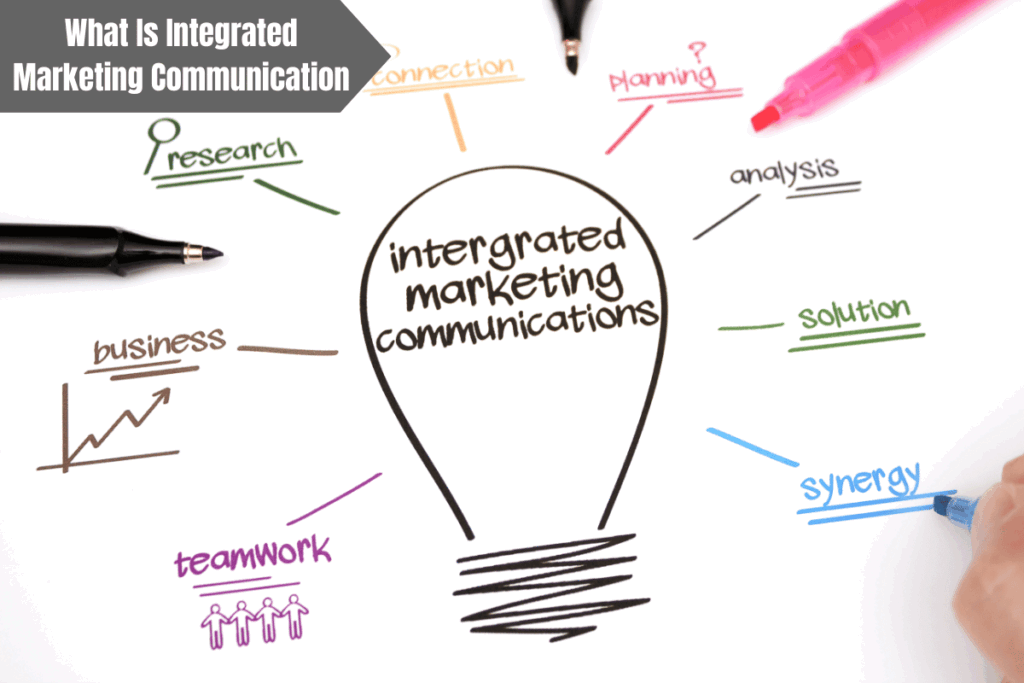
Mastering Integrated Marketing Communication: Boost Your Brand’s Consistency
BlogWhat Is Integrated Marketing Communication (And Why Your Business Needs It) Ever feel like your marketing strategy is a jumbled puzzle where none of the pieces fit? You’re posting on social media, tweaking your website, sending emails, and maybe even running ads—but instead of a symphony, it sounds more like a middle school band rehearsal? (No offense to middle schoolers. We’ve all been there.) That’s where Integrated Marketing Communication (IMC) comes in. Think of IMC as the ultimate playlist curator for your brand’s message. It ensures every channel, from your website to your TikTok videos, sings the same tune. And guess what? We’ve got some strong opinions about how to do this right—especially if you’re a small business in Los Angeles trying to stand out. At Sitelinx Organic SEO Agency, we’ve seen firsthand how blending strategies like Local SEO, WordPress SEO services, and Google Business reviews can transform chaotic marketing into a streamlined powerhouse. Let’s break down what IMC really means, why it’s not just a buzzword, and how you can stop throwing spaghetti at the wall and start cooking a Michelin-star campaign. What Exactly Is Integrated Marketing Communication? IMC is like that friend who remembers everyone’s coffee order. It’s the practice of aligning all your marketing efforts—social media, email, SEO, ads, PR—so they work together seamlessly. Instead of treating each channel as a solo act, IMC makes them backup dancers to your brand’s lead vocals. Here’s the kicker: consistency is key. Your Instagram captions should vibe with your blog posts. Your email subject lines should echo your Google Ads. And your website management? It better not look like it’s stuck in 2012. Why Should You Care About IMC? Let’s get real. If your marketing feels disjointed, your customers notice. Imagine clicking on a Facebook ad for “eco-friendly yoga mats” only to land on a website that screams “discount party supplies.” Confusing, right? IMC fixes that by: Boosting brand recognition (because repetition works, folks). Saving money (no more wasting budget on mismatched campaigns). Improving customer trust (consistency = reliability). And hey, if you’re a small business, IMC levels the playing field. You don’t need a Fortune 500 budget—just smart coordination. That’s where partnering with an SEO agency like Sitelinx helps. We’ve helped LA-based cafes, boutiques, and tech startups nail their messaging without breaking the bank. The Nuts and Bolts of IMC: Breaking It Down 1. Start With a Clear Message (No, “We’re Awesome” Doesn’t Cut It) Your brand’s core message is the foundation. Are you the best SEO company for small businesses? The go-to WordPress SEO services provider? Whatever it is, drill it into every piece of content. Pro Tip: Use tools like customer surveys or social listening to refine your message. (Or hire a marketing consultant—cough we know a great agency in LA cough.) 2. Choose Your Channels Wisely Not every platform deserves your energy. If your audience hangs out on LinkedIn, why waste time mastering TikTok dances? Here’s a quick cheat sheet: Channel Best For Google Business Local SEO & reviews WordPress Blog Long-form content & SEO Email Newsletters Nurturing leads Instagram Stories Behind-the-scenes engagement 3. Sync Your SEO and Content Strategy Technical SEO services might sound boring, but they’re the backbone of visibility. Optimize your site speed, fix broken links, and structure your content for both humans and search engines. Pair this with Local SEO tactics (like optimizing for “best coffee shop in LA”) to attract nearby customers. Fun Fact: We once boosted a client’s organic traffic by 200% just by aligning their blog topics with their Google Business reviews keywords. Magic? Nope—just IMC. 4. Measure, Tweak, Repeat IMC isn’t a “set it and forget it” crockpot recipe. Use analytics to track what’s working. Did that email campaign drive traffic to your site? Did your WordPress SEO services blog post rank for the right keywords? Adjust as you go. Common IMC Mistakes (And How to Avoid Them) We’ve seen it all—businesses that treat their social media manager like a lone wolf, or websites that haven’t been updated since the first iPhone launch. Here’s what not to do: Ignoring Mobile Users: If your site isn’t mobile-friendly, you’re basically telling 60% of visitors to bounce. Siloed Teams: Your SEO specialist and social media manager should be BFFs. Period. Forgetting Local SEO: If you’re a local business, missing out on “near me” searches is like leaving money on the table. FYI: Sitelinx offers website management packages that include technical SEO services, so you can avoid these face-palm moments altogether. “But Do I Really Need an SEO Agency?” Look, we get it. Hiring an SEO company feels like a big step. But here’s the thing: IMC requires expertise. You wouldn’t rewire your house without an electrician, right? (Unless you’re into living by flashlight. No judgment.) The best SEO companies for small business (hey, that’s us!) handle the heavy lifting: Keyword research & content planning On-page and technical SEO services Monitoring Google Business reviews and local rankings Aligning everything with your broader marketing goals Plus, we’ll make sure your WordPress site isn’t secretly sabotaging your efforts. (Spoiler: Outdated plugins are not your friend.) FAQs: Your IMC Questions, Answered Q: How long does it take to see results from IMC? A: SEO and brand building aren’t overnight successes. Give it 3–6 months for traction, but expect gradual improvements sooner. Q: Can I handle IMC myself? A: Sure—if you have 10 hours a week to spare. Most small biz owners don’t. That’s why working with an SEO specialist lets you focus on what you do best. Q: What’s the #1 thing killing IMC efforts? A: Inconsistent messaging. If your website says “affordable” but your ads say “luxury,” customers will peace out faster than you can say “brand voice.” Ready to Ditch the Chaos? Let’s Talk. IMC isn’t just a strategy—it’s a mindset. It’s about weaving your brand’s story into every tweet, email, and Google search. And while it might feel overwhelming, you don’t have to figure it out alone. At Sitelinx Organic SEO

Understanding Parasite SEO: Effectiveness and Risks Explained
BlogWhat Is Parasite SEO And Is It Effective? Let’s cut to the chase: You’ve probably heard whispers about “Parasite SEO” in dark corners of the internet. Maybe someone at a marketing meetup dropped the term like a mic, leaving you wondering, “Is this genius or just glorified spam?” Spoiler: It’s a little of both. At [INSERT BUSINESS NAME], we’ve seen clients ride this strategy to the top of Google—and we’ve also mopped up after the ones who crashed and burned. So grab a coffee (or a stiff drink), and let’s unpack whether Parasite SEO is your next secret weapon or a disaster waiting to happen. What the Heck Is Parasite SEO? Picture this: You’re crashing a party you weren’t invited to. You don’t bring snacks, but you still eat all the guacamole. That’s Parasite SEO in a nutshell. Technically, it’s the practice of piggybacking on high-authority websites (think Forbes, Medium, or Reddit) to rank your content quickly. You “borrow” their domain strength to boost your own visibility—without owning the platform. How? You publish content on these third-party sites, stuff it with keywords and backlinks to your site, and let the host site’s credibility work its magic. It’s like using your friend’s VIP pass to sneak into a concert. Risky? Maybe. Effective? Sometimes too effective. How Does It Actually Work? Let’s break it down step by step: Find a High-DA Platform: Target sites with Domain Authority (DA) scores of 70+. These are the big players Google already trusts. Publish Optimized Content: Write a guest post, forum thread, or review packed with keywords linking back to your site. Ride the Wave: As the host site ranks, your backlinks get a credibility boost, pulling your site up the SERPs. Simple, right? Well, not quite. The devil’s in the details—and the ethics. The Good, the Bad, and the Ugly of Parasite SEO Pros (Because Who Doesn’t Love Quick Wins?) Lightning-Fast Results: Traditional SEO can take months. Parasite SEO? We’ve seen pages rank in days. Low Effort, High Reward: No need to build your site’s authority from scratch. Let Forbes do the heavy lifting. Cost-Effective: Guest posts on reputable sites are cheaper than overhauling your entire SEO strategy. Cons (Here’s Where It Gets Icky) You Don’t Own the Content: The host site can delete your post anytime. Poof—there goes your hard work. Google’s Wrath: Overdo it, and you’ll trigger penalties for manipulative backlinks. Reputation Risks: If your content feels spammy, you’ll annoy both the host site and their audience. At [INSERT BUSINESS NAME], we call this the “double-edged sword” of SEO. Sure, you could rank fast—but one wrong move, and you’re stuck explaining to your boss why your site vanished from Google. Is Parasite SEO Actually Effective? Let’s Get Real Here’s the tea: It works—until it doesn’t. We’ve had clients skyrocket to page one for competitive keywords using Parasite SEO. One even landed a featured snippet on a Forbes guest post. But we’ve also seen Google slap down sites that got greedy with backlinks. The key? Balance. Use Parasite SEO sparingly, like hot sauce. A little adds flavor; too much ruins the meal. Pair it with long-term strategies (like optimizing your own site’s content) to stay safe. FYI, this isn’t a “set it and forget it” tactic. You’ll need to monitor rankings and tweak your approach. Or, you know, let [INSERT BUSINESS NAME] handle the messy parts while you focus on running your business. 3 Burning Questions About Parasite SEO (Answered) 1. “Is Parasite SEO Legal?” Totally legal—but ethical is another story. Google’s guidelines frown on manipulative tactics, so tread carefully. 2. “How Long Do Results Last?” Anywhere from weeks to years. It depends on the host site’s policies and whether Google catches on. 3. “Can I Do This Myself?” You could, but why risk it? Platforms often reject blatant self-promotion. We’ve found subtlety works best—like slipping veggies into a kid’s smoothie. Final Verdict: Should You Try Parasite SEO? If you’re feeling adventurous and need quick wins, give it a shot. Just don’t bet your entire SEO strategy on it. Think of it as a temporary boost, not a forever solution. And hey, if you’d rather leave the risk-taking to the pros, [INSERT BUSINESS NAME] specializes in balancing aggressive tactics with white-hat strategies. We’ll help you rank without ending up in Google’s penalty box. TL;DR: Parasite SEO can work wonders, but it’s like adopting a raccoon—thrilling until it tears up your couch. Use it wisely, pair it with sustainable strategies, and always have an exit plan. Still curious? Hit us up at [INSERT BUSINESS NAME]. We’ll make sure your SEO game is more “friendly neighbor” and less “party-crashing parasite.” 😉

Maximize Event Attendance with Proven SEO Strategies
BlogSEO for Events: Because Shouting Into the Void Isn’t a Strategy Ever tried promoting an event and felt like you’re yelling into a crowded room where everyone’s wearing noise-canceling headphones? Yeah, we’ve been there too. Whether you’re organizing a local art fair, a tech conference, or a pop-up dinner, getting eyes on your event is half the battle. That’s where SEO swoops in like a superhero with a spreadsheet (not the most glamorous sidekick, but hey, it gets the job done). At Sitelinx Organic SEO Agency in Los Angeles, we’ve spent years perfecting the art of making events visible online. And trust us—there’s more to it than slapping a Facebook event together and praying to the algorithm gods. Let’s break down how SEO can turn your event from “wait, that happened?” to “sold out in 24 hours.” Why SEO Matters for Events (Spoiler: It’s Not Just About Keywords) Let’s get real: SEO isn’t just for e-commerce sites or blogs. Events are time-sensitive, competitive, and often hyper-local. If your target audience can’t find your event page, you’re basically hosting a party for your pet goldfish. Here’s the kicker: SEO for events isn’t a one-size-fits-all strategy. A music festival needs different tactics than a B2B conference. But the core principles? Those stay the same. Local SEO: Your Secret Weapon for Filling Seats If your event is happening in a physical location (and not in the Metaverse… yet), Local SEO is your best friend. Think about it: when someone Googles “best food festival near me” or “Los Angeles tech meetups,” you want your event to pop up like that one enthusiastic friend who always knows the hot spots. How do we make that happen? Optimize for location-based keywords: Include city names, neighborhoods, or landmarks. Claim and polish your Google Business Profile: AKA the MVP of local SEO. Update hours, add photos, and beg for those Google Business reviews (politely, of course). Leverage local directories and partnerships: Sites like Eventbrite, Meetup, or even local newspapers. Pro tip: If this sounds exhausting, that’s because it is. But guess what? Sitelinx offers local SEO services that handle the heavy lifting. We’ll make sure your event doesn’t get lost in the digital noise. Technical SEO Services: The Boring (But Essential) Stuff Okay, let’s talk about the unsexy side of SEO. Technical SEO is like flossing—nobody wants to do it, but ignoring it leads to bigger problems. For events, this means: Mobile optimization: Because nobody’s buying tickets on a desktop in 2024. Fast load times: If your site takes longer to load than a microwave burrito, you’re losing attendees. Structured data markup: Help Google understand your event dates, locations, and ticket info. And if your site runs on WordPress? Double-check that your plugins are updated, your URLs are clean, and your images aren’t hogging bandwidth. (Psst—our WordPress SEO services can automate 90% of this. Just saying.) Building Buzz: SEO Meets Social Proof Ever clicked on a search result just because it had a ton of positive reviews? That’s social proof in action. For events, Google Business reviews are golden. Encourage attendees to leave feedback post-event—it boosts future SEO and builds credibility. But here’s a hot take: SEO and social media aren’t rivals. They’re teammates. Share your event page on Instagram, TikTok, or LinkedIn, and watch those backlinks roll in. Just don’t forget to: Use trackable UTM parameters. Embed keywords in your social posts (subtly, though—no one likes a hashtag hoarder). Choosing the Right SEO Partner: Because DIY Isn’t Always Cute Look, we get it. Hiring an SEO company feels like handing over the keys to your car. But here’s the truth: the best SEO companies for small business (like yours) don’t just tweak meta tags—they become an extension of your team. At Sitelinx, we’re not just another SEO agency. We’re a bunch of nerds who geek out over keyword trends, site audits, and turning “meh” traffic into “holy cow, we need a bigger venue!” results. Here’s what sets us apart: Hyper-local expertise: We’re based in L.A., so we know the market inside-out. Transparent reporting: No jargon, just clear metrics. A mix of creativity and tech: Our SEO specialists and marketing consultants work together like peanut butter and jelly. Still on the fence? Ask yourself: Would you rather spend hours drowning in Google Analytics or actually planning your event? Yeah, thought so. FAQ: Your SEO Questions, Answered 1. “How long does SEO take to work for an event?” It depends. If your event is next week, you’re better off buying ads. But for events 3–6 months out, SEO can drive steady, organic traffic that converts. Start early—your future sold-out self will thank you. 2. “Can I handle SEO myself?” Sure, if you enjoy deciphering algorithm updates in your spare time. But for most busy organizers, partnering with an SEO specialist saves time, stress, and costly mistakes. 3. “Do I really need a Google Business Profile for a one-time event?” Yes. It’s free, it boosts local visibility, and it’s a magnet for reviews. Set it up, optimize it, and let it work its magic. The Bottom Line: SEO Is Your Event’s Best Wingman Let’s face it: organizing an event is chaotic enough without worrying whether anyone will show up. SEO isn’t a magic wand, but it’s the closest thing we’ve got. From technical SEO services to website management, the right strategy turns “Why isn’t this working?!” into “Wait, how did we hit capacity so fast?!” And hey, if you’re drowning in spreadsheets or just want to hand this off to pros, Sitelinx Organic SEO Agency is here to help. We’re based in Los Angeles, but we’ll make your event the talk of the town—or the internet. Ready to stop shouting into the void? Let’s chat. Table: Traditional Marketing vs. SEO for Events Aspect Traditional Marketing SEO for Events Cost High (print ads, billboards) Cost-effective long-term Targeting Broad, less precise Hyper-local + intent-driven Lifespan Short-term (weeks) Builds momentum over months Measurability Fuzzy metrics Clear, trackable data Best For Immediate awareness