How To Start A Successful Pest Control Business: A Step-by-Step Blueprint For Maximum Profitability
How ToLaunching a structural pest control business offers high profit margins, manageable capital barriers relative to long-term earning potential, and exceptional cash flow predictability. The United States structural pest management market generates over 13.4 billion USD in annual service revenue, with recurring subscription contracts accounting for more than 85 percent of total residential earnings across the sector. To build a scalable pest management enterprise, operators must balance regulatory compliance, route density optimization, specialized equipment selection, and technical search engine visibility. We partner with rapidly growing home service enterprises at Sitelinx SEO Agency to transform local online searches into recurring, high-margin commercial and residential contracts. Contact our growth team directly at (213) 510-8355 to establish your digital lead generation engine while building out your field operations. The Financial Opportunity in Structural Pest Management Structural pest management remains one of the most resilient sectors across the entire service economy. High customer retention rates, non-negotiable commercial compliance requirements, and public health necessities insulate pest operators from macroeconomic shifts. According to financial benchmarking and market data from the National Pest Management Association, over 16,500 independent pest control firms operate in the United States. Independent single-truck fleets account for the vast majority of local routes, routinely recovering initial capital expenditures within six to twelve months of active route deployment. Growth across this market stems from distinct operational advantages: High Recurring Subscription Cash Flow: Monthly, bi-monthly, and quarterly route maintenance models generate predictable subscription revenue that offsets seasonal winter dips. Inelastic Consumer Demand: Property owners cannot ignore wood-destroying organisms, bed bug outbreaks, or disease-carrying rodent infestations, making pest management an essential household expenditure. Premium Margin Specialty Treatments: High-complexity treatments such as thermal bed bug remediation, structural wildlife exclusion, and subterranean termite barrier installations yield gross margins ranging between 60 and 75 percent. Strict Commercial Mandates: Food processing facilities, commercial kitchens, healthcare environments, and hospitality spaces require documented pest control audits by local and federal health regulations. Legal Licensing, Insurance, and Environmental Compliance Operating a commercial chemical application business requires strict adherence to federal safety protocols and state-level structural pesticide regulations. Applying pesticides for hire without verified commercial applicators licenses carries severe legal penalties and financial liabilities. Federal and State Pesticide Applicator Licensing The U.S. Environmental Protection Agency mandates under 40 CFR Part 171 that any professional applying restricted-use pesticides (RUPs) complete accredited state training and examination programs under federal certification standards. Every state designates a structural pest control board or department of agriculture to issue business operating permits. We advise prospective operators to follow a structured three-step licensing process: Complete Core Safety Exam Requirements: Demonstrate mastery in fundamental pesticide safety, chemical calculation formulas, label interpretation, personal protective equipment (PPE) protocols, and environmental hazard mitigation. Secure Specialized Category Certifications: Pass focused technical examinations covering specific disciplines such as Industrial and Structural Pest Control, Wood-Destroying Organisms (Termites), Commercial Fumigation, or Turf and Ornamental Pest Management. Designate a Qualifying Manager or Master Applicator: Most state regulatory boards require businesses to employ at least one certified manager who possesses two to four years of verified full-time field experience or a degree in entomology. Business Insurance and Risk Exposure Handling concentrated synthetic chemicals, navigating enclosed crawlspaces, and operating high-pressure power equipment introduce operational risk. We insist that every fleet vehicle carries tailored commercial insurance tiers prior to dispatch. Essential insurance coverage structures include: General Liability Insurance: Maintain policy limits of at least 1,000,000 USD per occurrence and 2,000,000 USD aggregate to protect against chemical overspray, drift claims, and property damage. Commercial Auto Insurance: Specialized commercial automobile policies covering service trucks, enclosed cargo vans, and specialized equipment transport. Environmental Pollution Liability: Dedicated chemical pollution endorsements covering accidental spills, toxic runoff, and required environmental remediation that standard general liability policies exclude. Workers Compensation Insurance: Full coverage for field technicians exposed to physical crawlspace hazards, ladder work, and chemical handling. Startup Capital, Equipment, and Financial Allocations Launching a single-truck pest control operation requires precise budget planning. Allocating capital effectively across field application gear, safety apparatus, operating software, and digital marketing preserves liquidity while accelerating route growth. Startup Expense Breakdown The following table provides realistic startup cost estimates for launching a fully compliant, single-vehicle pest control operation: Expense Category Operational Scope & Details Estimated Cost Range (USD) Capital Priority Service Vehicle Acquisition Reliable used pickup truck or enclosed cargo van 12,000 – 25,000 USD High Power Application Equipment 50 to 100-gallon skid sprayer, electric hose reel, industrial hand sprayers 2,500 – 6,000 USD High Specialized Field Gear Aerosol foggers, gel bait guns, thermal blowers, sub-slab injectors 1,200 – 2,500 USD High Personal Safety Gear (PPE) Respirators, nitrile gloves, chemical protective suits, eye protection, spill kit 500 – 1,200 USD High Licensing & Permits Exam fees, business incorporation, municipal licensing, pesticide permits 800 – 2,500 USD High Insurance Premiums General liability down payment, pollution rider, commercial auto deposit 3,000 – 6,500 USD High Field Software & Setup CRM system setup, website deployment, local map configuration, initial ads 2,000 – 5,000 USD High Working Capital Reserve 90-day liquid reserve for fuel, initial chemical inventory, and contingencies 5,000 – 10,000 USD High Total Estimated Investment Comprehensive single-truck operational setup budget 27,000 – 58,700 USD High Essential Field Equipment Checklist Outfitting service trucks with commercial-grade application equipment ensures efficient treatment execution and presents a clean, professional brand image to clients. We recommend equipping every operational service unit with these core tools: Compressed Air Sprayers: Heavy-duty stainless steel spray units featuring four-way precision nozzles for crack and crevice applications. Perimeter Power Rigs: A 50-gallon heavy-duty tank equipped with a 12-volt electric pump and 300 feet of high-pressure chemical hose for rapid perimeter barrier treatments. Precision Bait Applicators: Calibrated mechanical bait guns designed for targeted gel applications targeting cockroaches and invasive ant colonies. Structural Inspection Apparatus: High-output LED tactical flashlights, extendable inspection mirrors, and digital borescopes for evaluating wall voids and attic structures. Personal Protective Equipment: NIOSH-approved half-mask respirators with organic vapor cartridges, chemical-resistant gloves, protective footwear, and disposable Tyvek suits. Pricing Models and Recurring Revenue Contracts Structuring high-margin recurring agreements

Modern B2B Marketing Strategy: Master Search, Sales Alignment, And High-Intent Growth
BlogModern B2B Marketing Strategy: Master Search, Sales Alignment, and High-Intent Growth Modern B2B marketing requires moving beyond high-volume lead forms and vanity metrics to build precise, authority-driven revenue engines. Sustainable growth depends on aligning marketing with sales, mastering search authority, and delivering technical clarity to multi-member buying committees. At Sitelinx SEO Agency, we help growth-focused firms convert digital visibility into closed enterprise contracts across long, complex sales cycles. We have observed that organizations relying on legacy lead-generation tactics frequently suffer from misaligned revenue teams and inflated customer acquisition costs. By structuring campaigns around validated commercial intent, technical site performance, and consultative content assets, we empower brands to capture market share and secure long-term client commitments. Deconstructing the Modern B2B Buyer Journey Enterprise purchasing is no longer a linear funnel where buyers move sequentially from awareness to decision. Decision committees engage in parallel evaluation, regularly revisiting requirements and comparing vendors across multiple digital touchpoints. According to Gartner B2B Buying Journey Research, 77 percent of B2B buyers describe their recent purchase process as complex or difficult. The average enterprise buying committee now includes 6 to 10 decision makers, with each stakeholder independently gathering four to five pieces of research before meeting. Buyers perform up to 80 percent of their research autonomously before ever contacting a sales representative. If your organization lacks strong organic search placement, clear technical documentation, and credible client proof, you are eliminated before the initial sales conversation occurs. Five Core Tasks of the B2B Buying Group Problem Identification: The committee identifies internal operational bottlenecks, compliance gaps, or revenue ceilings that demand external software or specialized service solutions. Solution Exploration: Decision makers research potential solutions across Google search results, industry analyst reports, and peer recommendation networks. Requirements Building: The team formalizes mandatory technical specifications, security parameters, and budget boundaries for prospective vendors. Supplier Selection: Stakeholders narrow candidates to a shortlist of three to four vendors, requesting live platform demonstrations and customized proposals. Validation and Consensus: Executives validate return on investment projections, legal terms, data compliance protocols, and implementation timelines to secure executive approval. Core B2B Marketing Strategies That Drive Sustainable Growth High-Intent Organic Search Strategy and Technical SEO Search engine optimization remains the highest-ROI digital channel for capturing B2B buyers actively researching solutions. Decision makers rely on Google to diagnose operational issues, evaluate software architectures, and discover potential service partners. To capture high-value buyer intent, we structure search strategies around specialized long-tail queries rather than broad, low-converting keywords. Securing a top ranking for high-intent search terms like enterprise logistics software integration drives qualified leads directly into your pipeline. We also ensure site performance, clean code architecture, and structured data schema are fully optimized. Technical speed flaws and mobile navigation issues instantly degrade trust with corporate procurement teams and lower your organic visibility. Hyper-Targeted Account-Based Marketing Account-Based Marketing reverses traditional inbound outreach by focusing resources exclusively on pre-selected, high-value target accounts. Rather than casting a wide net, Account-Based Marketing treats individual prospective enterprise clients as dedicated target markets. Account List Alignment: Marketing and sales teams collaborate to identify top-tier accounts based on company revenue, existing tech stack, and ideal customer profile criteria. Bespoke Content Messaging: Campaigns address specific operational pain points for executive roles within target firms. Personalized Touchpoints: Customized landing pages, role-specific technical guides, and direct executive outreach replace generic marketing broadsheets. Authority-Building Content and Technical Assets B2B prospects demand actionable data, original research, and clear implementation frameworks over superficial promotional material. Publishing primary research and verified outcome studies positions your firm as an indispensable industry reference. Data highlighted in the HubSpot State of Marketing Report emphasizes that B2B brands prioritizing original research and high-utility digital content consistently outrank competitors relying on aggregated summaries. Original Research Reports: Publish primary benchmarks and industry survey data that client executives can present to internal board members. Interactive ROI Calculators: Provide prospects with self-service financial modelers to estimate cost savings, risk reduction, and efficiency gains. Metric-Driven Case Studies: Showcase real-world implementation metrics, operational timelines, and quantifiable outcomes from actual client engagements. Executive Outreach on LinkedIn LinkedIn serves as the primary professional platform for engaging corporate leadership, department heads, and enterprise procurement teams. It allows precision targeting based on exact job titles, company sizes, and industry classifications. Role-Based Ad Campaigns: Deliver targeted educational assets directly to Chief Technology Officers, Chief Information Officers, and Vice Presidents of Operations. Native Lead Generation: Use pre-populated native lead forms to capture contact information without forcing mobile users through lengthy web forms. Retargeting Qualified Visitors: Serve relevant case studies to prospects who previously spent time reviewing your specific service pages without converting. Local Search Authority and Google Maps Optimization For regional B2B service providers, industrial suppliers, and corporate agencies, local search visibility is a primary revenue driver. Securing top placement on Google Maps establishes immediate regional credibility for corporate decision makers searching nearby partners. Maintaining optimized business profiles, securing verified client reviews, and maintaining consistent Name, Address, and Phone data reinforces brand authority. Positive executive feedback and strong client reviews accelerate contract approvals during final vendor validation phases. B2B vs. B2C Marketing: A Strategic Comparison Understanding the structural differences between B2B and B2C frameworks prevents misallocated budgets and ineffective messaging. B2B campaigns focus on risk mitigation, ROI clarity, and consensus building, whereas B2C focuses on emotional triggers and rapid transactions. Strategic Factor B2B Marketing Framework B2C Marketing Framework Primary Audience Buying committees, department heads, procurement teams Individual consumers and households Average Sales Cycle Extended (3 to 18 months) Short (minutes to 30 days) Core Buying Motivator ROI, risk reduction, operational efficiency, revenue growth Personal gratification, convenience, price point Decision Process Consensus-driven, formal evaluations, legal contract reviews Individual choice, brand preference, immediate impulse Average Contract Value High (10000 to over 1000000 USD) Low to Moderate (10 to 1000 USD) Content Focus Technical specs, ROI calculators, integration guides Engaging creative media, storytelling, promotional discounts Primary SEO Goal High-intent B2B search ranking for commercial terms Broad organic search reach for consumer keywords Key Performance Metrics Pipeline Value, CAC, Customer Lifetime Value, Conversion
Comprehensive Guide To SEO Management: Boost Your Online Visibility
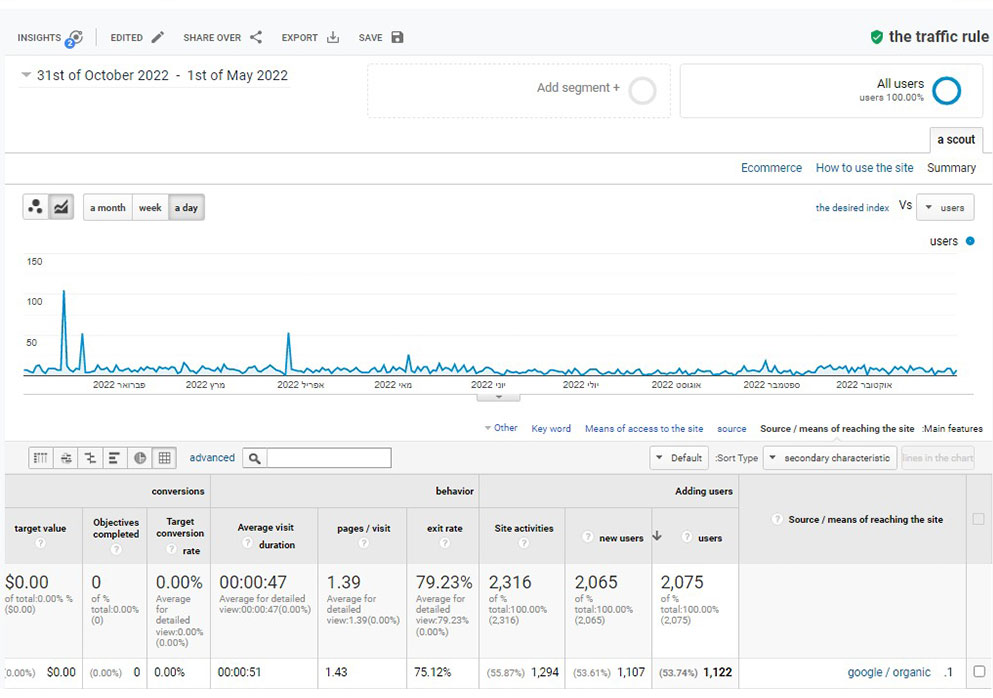
BlogEnterprise SEO Management: Strategic Frameworks for Search Engine and LLM Visibility Over the past decade, we have watched search engine optimization transform from basic keyword placement into an engineering discipline that bridges search engines, user experience, and large language models (LLMs). Effective SEO management is no longer a static monthly checklist or a one-time site audit. It is an ongoing operational framework designed to build domain authority, streamline technical architecture, and maintain visibility across both traditional search engine results pages (SERPs) and AI-driven answer engines. When we evaluate enterprise digital visibility, we recognize that search engines like Google and generative systems like ChatGPT or Perplexity operate on structured data, crawl efficiency, and topical authority. Without structured SEO management, websites experience silent traffic erosion caused by technical debt, algorithm shifts, and unoptimized content structures. Defining SEO Management in the Modern Search Ecosystem SEO management represents the systematic coordination of technical infrastructure, on-page optimization, content strategy, off-page authority building, and generative AI readability. We approach this discipline by dividing operations into core functional pillars designed to maximize search engine discovery and information retrieval efficiency. Key operational focus areas include: Crawl Infrastructure and Indexation: Managing site architecture, canonical tag networks, and XML sitemaps to ensure search crawlers and AI bots discover and index high-value pages without wasting crawl budget. Semantic Entity Mapping: Structuring site content around entity relationships and user intent rather than isolated keyword targets. Experience, Expertise, Authoritativeness, and Trustworthiness (E-E-A-T): Validating author credentials, brand references, and transactional security across all digital touchpoints. Core Web Vitals Optimization: Engineering low latency, rapid interactivity, and visual stability to align with performance standards documented in the web.dev Core Web Vitals documentation. Generative Engine Optimization (GEO): Formatting content hierarchies, tabular data, and direct definitions so LLMs can cite domain insights in AI-generated answers. Strategic SEO Management Execution Matrix To systematically execute an organic growth strategy, we utilize a structured performance matrix that balances technical execution with topical authority. SEO Management Pillar Core Technical Objectives Primary Key Performance Indicators (KPIs) Strategic Search & LLM Impact Technical Architecture Server response time, Core Web Vitals (INP, LCP, CLS), crawl budget efficiency Indexation rate, server log crawl frequency, page speed score Ensures complete site discovery and prevents rendering drops in search engine crawlers. Topical Authority & Content Semantic clustering, depth of coverage, E-E-A-T entity mapping Organic keywords in top 3 positions, organic sessions, content decay rate Drives rankings for competitive commercial queries and provides source data for LLM summaries. On-Page & Schema Markup Structured JSON-LD schema, meta title and header optimization, internal linking Click-Through Rate (CTR), impressions, rich snippet ownership Enhances SERP layout visibility and assists search engines in understanding content entities. Off-Page & Brand Authority High-authority backlink acquisitions, digital PR, entity mention tracking Domain Rating, referring domains, brand search volume Signals domain trustworthiness and contextual relevance across search platforms. Local & Multi-Location SEO Google Business Profile management, NAP consistency, local review acquisition Local map pack rankings, directional requests, store calls Captures geo-specific transactional intent across localized search queries. Complex SEO Challenges and Real-World Resolutions To illustrate how technical SEO management operates in high-stakes environments, we highlight two complex client issues we encountered and successfully resolved. Scenario 1: Resolving Indexation Failure and Canonical Cannibalization at Scale A multi-location service enterprise approached us after losing 40 percent of its organic traffic following an automated site migration. The site contained over 50,000 programmatically generated landing pages. Flawed dynamic URL parameters created millions of duplicate page paths, confusing search crawlers and consuming the entire site crawl budget. Consequently, core product pages were dropped from the Google index. To resolve this issue, we executed a four-step remediation protocol: Log File Diagnostics: We analyzed raw server log files to identify where search engine crawlers were spending resources, discovering that 75 percent of crawl requests targeted dynamic filter URLs. Canonical Map Restructure: We engineered a strict self-referential canonical tag policy across primary pages and dynamically parameterized filter URLs back to root category pages. Dynamic Robots Exclusion: We introduced custom directives in the robots file and optimized URL parameters within search management consoles to block useless paths. Internal Link Graph Cleanup: We rebuilt the internal navigation structure using semantic HTML links to pass link equity directly to revenue-generating URLs. Within 90 days of execution, crawl efficiency improved by 210 percent, non-indexed core pages re-entered the primary Google index, and organic traffic rebounded by 65 percent. Scenario 2: Recovering Organic Visibility via Entity Restructuring Post-Algorithm Update An enterprise information portal experienced a severe ranking decline following a Google Core Update. The site had published thousands of short articles that lacked authoritative depth and structured entity definitions. As a result, search engines reclassified the content as low-quality scaled material, leading to a drop in organic sessions. Our strategy focused on content consolidation and E-E-A-T amplification: Content Pruning and Consolidation: We audited 3,500 URLs, consolidating 1,200 thin articles into 300 comprehensive, highly detailed guides using 301 redirects. Author Credibility Infrastructure: We created individual author profile pages featuring verifiable credentials, linked schema markup, and third-party references. Schema Graph Implementation: We deployed advanced Article, Organization, and DefinedTerm schema structures to explicitly define subject matter entities for search algorithms and LLMs. First-Party Visual and Data Assets: We replaced generic commentary with original research tables, detailed industry breakdowns, and downloadable resources. This content overhaul reversed the core update penalty within five months, achieving a 120 percent net increase in organic search traffic and securing citations across major generative AI search systems. Technical Architecture and Core Web Vitals Engineering A foundational requirement for modern search engine management is a clean, scalable technical baseline. Search algorithms prioritize websites that deliver seamless user experiences across mobile and desktop devices. When evaluating site speed and usability, we align optimizations with standard developer guidelines published in the Google Search Central documentation. Key technical targets include: Largest Contentful Paint (LCP): Must occur within 2.5 seconds of page initiation. We achieve this through server-side caching, Content Delivery Network (CDN) edge rendering, and image format conversion (WebP/AVIF). Interaction to Next Paint
Do Social Signals Influence Google Rankings?
BlogIs It True Social Signals Help To Boost Rankings On Google Search? Let’s Break It Down Ever scrolled through Instagram, seen a post go viral, and thought, “If only Google loved my website this much…”? We’ve all been there. Social media feels like it should matter for SEO—after all, isn’t everything connected these days? But do likes, shares, and retweets actually nudge your site up the search rankings? Let’s cut through the noise and figure this out together. Spoiler: It’s complicated (but we’ll make it simple). Here at Sitelinx Organic SEO Agency in Los Angeles, we’ve fielded this question more times than we’ve had iced coffees—and that’s saying something. So grab your beverage of choice, and let’s dive into the messy, fascinating relationship between social signals and Google rankings. What Even Are “Social Signals”? Let’s Start Here Imagine social signals as the digital equivalent of gossip. When people share your content, comment on it, or tag their friends, they’re basically whispering, “Hey, this is worth paying attention to!” These signals include: Likes, shares, retweets: The classic vanity metrics. Comments and replies: Real conversations = social proof. Brand mentions: When someone talks about you without tagging you (like a shoutout in a Facebook group). But here’s the kicker: Google has never officially confirmed that social signals directly impact rankings. So why does everyone keep arguing about this? The Google Connection: Correlation vs. Causation Let’s get nerdy for a second. Studies do show that content ranking high on Google often has strong social engagement. But does that mean social activity causes better rankings? Not necessarily. Think of it like this: A popular restaurant usually has a clean kitchen, but the cleanliness isn’t why it’s popular. It’s just a side effect of being well-run. In the same way, content that’s shareable tends to also be: High-quality: Useful, entertaining, or both. Well-optimized: Proper keywords, meta tags, and mobile-friendly design. Linked internally: Good website management connects related content. So while social signals might not be a direct ranking factor, they’re often a symptom of content that’s already SEO-friendly. Confused yet? Let’s simplify. Why Social Media Still Matters for SEO (Even If Google Says “Nah”) Google might not be taking notes on your TikTok followers, but ignoring social media is like skipping leg day at the gym—everything else might look good, but you’ll stumble eventually. Here’s why: 1. Brand Visibility = More Backlinks When your content goes viral, other websites notice. A viral blog post about “The Best Coffee Shops in LA” could earn backlinks from local bloggers, news sites, or even Yelp. And backlinks? Those definitely boost SEO. 2. Social Profiles Rank in Search Results Google LOVES showing social profiles (like LinkedIn or Twitter) in search results. Optimizing your social accounts with keywords and local SEO tactics means you’ll dominate more real estate on the results page. 3. Audience Insights Fuel Better Content Social media comments are a goldmine for understanding what your audience cares about. Struggling with blog ideas? Check your DMs. 4. Google Business Reviews Are Social Signals Too Wait, reviews aren’t just for Yelp! Positive Google Business reviews improve local SEO by boosting trust and relevance. At Sitelinx, we’ve seen clients’ rankings jump after cleaning up their review game. The Cold Hard Truth: What Actually Moves the Needle for SEO Let’s be real: If social signals were the magic SEO bullet, we’d all be posting cat memes 24/7. But SEO isn’t that simple. Here’s what matters more: ✅ Technical SEO Services Broken links, slow site speed, and poor mobile optimization will tank your rankings faster than a tweetstorm gone wrong. ✅ Quality Content (No, Really) Google’s algorithm can smell fluff from a mile away. Invest in content that answers questions, solves problems, or makes people laugh. ✅ Local SEO for the Win If you’re a small business, local SEO is your best friend. Optimize for “near me” searches, claim your Google Business profile, and watch local traffic roll in. ✅ Backlinks from Authority Sites A single link from a site like Forbes or HubSpot is worth 1,000 social shares. ✅ Website Management That Doesn’t Suck Regular updates, security patches, and fresh content keep Google’s bots coming back. FYI: At Sitelinx, we bake all this into our WordPress SEO services. Because why juggle ten tools when you can have one actual SEO specialist handle it? When Social Signals Do Make a Difference Alright, time to stop dunking on social media. Here are three scenarios where social activity indirectly boosts SEO: Launching a New Product or Service A social media blitz can drive traffic to your site, signaling to Google that your content is relevant. Pair this with a solid technical SEO foundation, and you’ve got momentum. Building Relationships with Influencers Influencers sharing your content can lead to backlinks, press features, or collaborations—all SEO gold. Crisis Management Negative viral posts can harm your reputation (and traffic). Addressing issues publicly shows Google you’re trustworthy. “But Wait, My Competitor Is Ranking Higher Just Because They’re Popular on Instagram!” First, take a deep breath. Now, let’s dissect this: Are they using their social bios to link to optimized landing pages? Is their content actually better than yours? (Be honest.) Do they have a ton of Google Business reviews? More often than not, their success comes from a mix of SEO basics and social hustle. Which brings us to… How to Use Social Media Without Losing Your Mind You don’t need to be everywhere. Focus on platforms where your audience hangs out. For example: B2B? LinkedIn and Twitter. Local business? Facebook and Google Business. Visual brands? Instagram and Pinterest. Pro tip: Use social media to repurpose your SEO content. Turn a blog post into a carousel, a video, or a Twitter thread. The Sitelinx Approach: Marrying Social and SEO Here’s where we brag a little (but only because it works). As an SEO agency that’s helped dozens of LA businesses rank higher, we’ve learned that success comes from: Integrating social insights into keyword research (what’s buzzing on