Top WordPress Themes For SEO Success: Boost Your Rankings
BlogTop 2025 WordPress Themes for SEO Success: Boost Your Rankings Selecting a WordPress theme is one of the most critical structural decisions made during a website build. In our work at Sitelinx Organic SEO Agency, we frequently observe that theme code quality directly establishes the ceiling for organic search performance. A visually attractive theme loaded with unoptimized scripts, excessive DOM nodes, and redundant styling will handicap organic visibility regardless of content quality or backlink authority. Google evaluates sites based on technical efficiency, rendering speed, structural clarity, and user experience. The foundation for meeting these demands rests within your theme codebase. In this technical guide, we evaluate top-performing WordPress themes for 2025, analyze technical criteria essential for search performance, and share real-world engineering solutions for resolving complex theme-level SEO bottlenecks. The Direct Impact of WordPress Theme Architecture on Search Rankings A WordPress theme controls how content is formatted, rendered, and delivered to web browsers and search engine crawlers. The underlying software architecture directly influences critical technical ranking factors: Largest Contentful Paint (LCP): Unoptimized theme assets, uncompressed header images, and render-blocking CSS delay the initial rendering of primary page content. Interaction to Next Paint (INP): Heavy theme JavaScript execution, complex main-thread tasks, and unoptimized event listeners degrade page responsiveness during user interactions. Cumulative Layout Shift (CLS): Themes missing explicit height and width attributes for media wrappers or dynamic dynamic injection areas trigger page instability during loading. Crawl Budget and Rendering Efficiency: Bloated themes generate deep DOM trees and hundreds of external HTTP requests, slowing down Googlebot crawling and consuming unnecessary server resources. Mobile-First Rendering: Non-responsive breakpoints or poorly structured mobile navigation frameworks negatively affect mobile indexation and usability. Technical Evaluation Criteria for SEO-Optimized WordPress Themes When assessing themes for organic search readiness, we evaluate technical parameters using automated lab environments and field performance metrics. We prioritize the following engineering benchmarks: Native Payload Size: The core CSS and JavaScript files loaded on a fresh installation must remain under 100 KB total. HTTP Request Minimization: Default page load configurations should require 10 or fewer HTTP requests before third-party plugin integration. Clean Document Object Model (DOM) Tree: Deeply nested HTML elements increase memory consumption. Optimal themes maintain a DOM depth below 32 levels and total nodes under 800. Schema Markup Standards: Structured data must be correctly implemented using standard JSON-LD specifications rather than deprecated inline microdata formats. Full Site Editing (FSE) and Block Editor Compatibility: Modern themes must rely on native WordPress Gutenberg block architecture rather than legacy shortcodes or heavy visual builder engines. Deep Dive: Top 2025 WordPress Themes Evaluated for Technical SEO Astra: High-Velocity Scalability for Enterprise and Content Networks Astra remains a industry standard for performance-focused deployments. Built with a modular architecture, Astra allows developers to disable unused functions, ensuring that unused JavaScript and CSS files are never requested. Minimal Footprint: Astra requires less than 50 KB of resources on front-end loading, operating without dependency on jQuery. Native Schema Support: Built-in structured data provides clean JSON-LD implementation for articles, breadcrumbs, organization profiles, and WooCommerce products. Optimized Header and Footer Builder: Generates inline CSS styles dynamically, eliminating external layout stylesheets that delay first paint. Page Builder Neutrality: Integrates seamlessly with native block editors while remaining compatible with heavy page builders through dedicated asset-debloating settings. GeneratePress: Lean Architecture for Maximum Core Web Vitals Performance GeneratePress represents a benchmark in minimal, highly efficient theme engineering. Its core focus on performance makes it an exceptional foundation for technical SEO specialists aiming for perfect Google PageSpeed Insights scores. Extreme Efficiency: Core theme page size is approximately 7.5 KB, generating only 2 HTTP requests out of the box. Advanced Hook System: Enables clean code injection across any theme layout location without altering child theme template files or using extra plugins. Accessibility Standards: Adheres strictly to WCAG 2.1 AA standards, ensuring complete accessibility compliance that search engines favor. Local Asset Control: Native capabilities allow local hosting of Google Fonts and inline execution of CSS files to eliminate render-blocking delays. Divi: Visual Customization and Strategic Asset Management Divi by Elegant Themes provides design control for complex visual layouts. Historically prone to DOM bloat, recent architectural rewrites have improved its performance capabilities significantly. Dynamic Asset Deferral: Automatically splits stylesheets and defers non-critical CSS, serving only elements present on the page. Inline Critical CSS: Compiles and embeds critical above-the-fold layout styles directly into the HTML document header to accelerate LCP. Responsive Design Breakpoints: Fine-grained visual editing options allow precise control over asset rendering across desktop, tablet, and mobile displays. Operational Trade-Offs: Requires careful caching, asset optimization, and minimal plugin usage to prevent script execution delays from hurting INP scores. Neve: Mobile-First Optimization for Fast-Loading Micro-Sites Neve is engineered with a mobile-first framework, making it ideal for local service providers, small businesses, and accelerated mobile projects. Accelerated Loading: Default installations load in under 1 second on standard mobile connections, delivering high performance without optimization plugins. AMP Native Compatibility: Fully synchronized with Accelerated Mobile Pages (AMP) frameworks to support mobile publication environments. Modern PHP Architecture: Compatible with PHP 8.x execution environments, optimizing database processing speed and reducing server response time (TTFB). Local Business Integration: Works smoothly with local SEO plugins and schema generators to push location parameters to search crawlers. Real-World Technical Case Studies: Resolving Complex Theme-Level SEO Barriers At Sitelinx Organic SEO Agency, we frequently diagnose and remediate technical performance issues caused by suboptimal theme implementations. Below are two complex cases we resolved. Case Study 1: Resolving Excessive DOM Size and INP Delays on a Legacy Portal A large content client experienced declining rankings following Google’s transition to Interaction to Next Paint (INP) as a Core Web Vitals metric. Analysis via Chrome DevTools revealed an excessive DOM size exceeding 3,200 nodes and an INP metric hovering at 480 milliseconds (well above the acceptable 200-millisecond threshold). The primary cause was an enterprise multi-purpose theme rendering invisible mega-menus, complex modal structures, and duplicated hidden layout containers for mobile responsiveness. Our resolution engineering process included: Migrating the core layout from a multi-purpose legacy theme to
How An SSL Certificate Enhances Technical SEO And Boosts Your Rankings
BlogHow SSL Certificates Impact Technical SEO, Core Web Vitals, and Organic Search Performance Security infrastructure on the modern web serves a dual purpose: safeguarding data integrity and establishing trust signals for search algorithms. For over a decade, transport layer encryption has transitioned from an optional feature reserved for transaction pages to a mandatory baseline for indexability and organic search visibility. When evaluating modern search architecture, an SSL (Secure Sockets Layer) or TLS (Transport Layer Security) certificate is far more than a visual padlock in a browser address bar. It serves as the prerequisite layer for modern networking protocols, core page experience metrics, referral tracking, and search crawler efficiency. In our SEO practice, we frequently see site migrations and technical audits where unencrypted HTTP protocols or misconfigured SSL certificates create severe organic ranking bottlenecks. Understanding the exact cryptographic, algorithmic, and performance mechanisms connecting HTTPS to search rankings is critical for maintaining maximum visibility in competitive search environments. Contextual Key Takeaways for Search and AI Retrieval: SSL/TLS encryption converts HTTP traffic to secure HTTPS, functioning as an explicit, confirmed Google search ranking factor. Modern web performance protocols, including HTTP/2 and HTTP/3 over QUIC, require TLS encryption to function in modern web browsers. Unencrypted websites forfeit traffic attribution in analytics platforms when users arrive from secure HTTPS sources due to referrer stripping. Search engines deprioritize unencrypted domains due to elevated bounce rates caused by browser security warnings and broken active content blocks. Proper HTTPS implementation requires precise 301 server redirects, updated canonical tags, and HSTS headers to prevent canonicalization splitting and crawl budget waste. The Technical Architecture of HTTPS and Search Engine Discovery To understand how SSL certificates influence search rankings, we must examine the underlying mechanics of transport security. HTTP transfers data in plain text, making every packet vulnerable to interception, manipulation, and eavesdropping. TLS encrypts this traffic through asymmetric key cryptography during an initial connection negotiation known as a handshake. From a search engine perspective, Googlebot and other crawler agents prioritize user safety above all else. In 2014, Google officially designated HTTPS as a core ranking signal. While initially classified as a lightweight tie-breaker between otherwise identical search results, the role of security has expanded into broader page health standards. When Googlebot requests a URL, it evaluates protocol security, handshake latency, and certificate validity before rendering and indexing the document. If a site lacks proper encryption or presents invalid cryptographic chain certificates, crawlers may encounter fetching errors, flag the domain as unsafe, or reduce crawling frequency. Technical Parameter HTTP (Unencrypted) HTTPS over TLS 1.2 HTTPS over TLS 1.3 / HTTP/3 Transport Protocol TCP TCP UDP (QUIC) Initial Handshake Overhead 1 RTT (Plaintext) 2 to 3 RTT (TCP + TLS) 0 to 1 RTT (Combined) Browser Protocol Support HTTP/1.1 HTTP/1.1, HTTP/2 HTTP/1.1, HTTP/2, HTTP/3 Data Confidentiality None (Plaintext) Full Transport Encryption Full Forward Secrecy Encryption Google Ranking Status Disadvantaged Standard Ranking Signal Optimized Ranking & Core Web Vitals Signal Browser Trust Warnings Marked "Not Secure" Padlock / Secure Connection Padlock / Secure Connection Analytics Referrer Retention Stripped (Shows as Direct) Preserved across HTTPS Preserved across HTTPS 5 Technical SEO Bottlenecks Solved by SSL Encryption Implementing an SSL/TLS certificate directly resolves several hidden technical SEO defects that frequently suppress domain authority and crawling efficiency. 1. Eliminating Google Page Experience Penalties and Security Warnings Google integrates security directly into its core page experience systems. When a user attempts to access an unencrypted site, modern browsers like Chrome, Safari, and Firefox issue prominent "Not Secure" browser warnings or intercept access via full-page interstitial blocks. These browser warnings trigger massive spikes in bounce rates and immediate task abandonment. When a user bounces back to the Search Engine Results Page (SERP) within milliseconds, search engine algorithms register a poor user experience. Over time, negative engagement metrics degrade organic keyword rankings. Following Google Search Central HTTPS guidelines ensures that search crawlers evaluate your pages without flagging security exceptions. 2. Preserving Referral Traffic Attribution in Analytics A major issue with unencrypted web architectures is the loss of analytics visibility, often called "dark traffic." According to global web standards, when a visitor navigates from an encrypted HTTPS site to an unencrypted HTTP site, the browser strips the HTTP Referer header to prevent leaking sensitive secure URLs. As a result: Traffic originating from HTTPS referral sources, social media networks, and external backlink domain partners is misattributed as "Direct" traffic in Google Analytics 4. Marketing teams lose the ability to measure organic campaign effectiveness, accurate referral conversions, and real backlink performance. Migrating the site to HTTPS ensures end-to-end referrer header preservation, restoring data attribution across all reporting platforms. 3. Enabling Next-Generation Protocols for Core Web Vitals Optimization Site speed directly influences Google search rankings through Core Web Vitals metrics, specifically Largest Contentful Paint (LCP) and Interaction to Next Paint (INP). While legacy cryptography added processing overhead, modern TLS 1.3 combined with HTTP/3 drastically improves load performance. Browsers explicitly restrict advanced networking protocols to secure connections: HTTP/2 allows multiplexing, enabling multiple assets to download concurrently over a single TCP connection. Browsers only support HTTP/2 over encrypted TLS. HTTP/3 utilizes the QUIC protocol built on UDP, eliminating TCP head-of-line blocking and reducing handshake latency to zero or one round-trip time (0-RTT/1-RTT). Implementing modern TLS certificates allows websites to unlock these protocol enhancements, directly improving Core Web Vitals performance benchmarks on Web.dev. 4. Resolving Active and Passive Mixed Content Vulnerabilities Installing an SSL certificate does not automatically guarantee full security if your site suffers from "mixed content." Mixed content occurs when an initial HTML document loads securely over HTTPS, but sub-resources such as images, CSS, JavaScript files, or API endpoints are fetched over unencrypted HTTP. Mixed content falls into two technical classifications: Passive (Display) Mixed Content: Audio, video, or image assets loaded via HTTP. Browsers may load these assets but replace the secure address bar icon with an unencrypted warning symbol. Active Mixed Content: JavaScript files, stylesheets, web fonts, or iframe elements loaded via HTTP. Modern browsers block active mixed content entirely due to
Understanding the Key Differences Between Marketing and Advertising
BlogMarketing vs Advertising: Why Your Business Needs Both (and How to Nail Them) Let’s cut to the chase: if you’ve ever lumped marketing and advertising into the same “meh, same difference” bucket, you’re not alone. But here’s the kicker—they’re as different as avocado toast and a kale smoothie. Both are good for you, but one’s about long-term health, and the other? Instant gratification. Today, we’re breaking down the real differences, why both matter, and how to avoid the cringe-worthy mistakes that make customers scroll faster than a TikTok feed. Oh, and we’ll casually brag about our Los Angeles-based team, Sitelinx Organic SEO Agency, because someone’s gotta keep your SEO from being a hot mess. What’s the Big Deal Anyway? Let’s start with the basics. Marketing is the whole enchilada—the strategy, research, branding, and customer relationships that build your business over time. Advertising? That’s just the sizzle on the steak. It’s the paid promotions, flashy banners, and Instagram ads that scream, “Hey, look at me!” Think of it this way: Marketing = Planning a wedding (budget, guest list, theme, vows). Advertising = Sending out the invites (with glitter, because why not?). Without marketing, your advertising is just throwing confetti into the void. And without advertising? Well, good luck filling those RSVPs. Marketing vs Advertising: Breaking It Down Like a Pro The Scope Shakedown Marketing’s a marathon; advertising’s a sprint. Marketing builds your brand’s reputation through Local SEO, content creation, and website management. Advertising? It’s the paid boost that gets your product in front of eyeballs right now. Pro Tip: Ever seen a business with killer Google Business reviews but zero sales? That’s marketing doing its job, but advertising forgot to show up. The Tools of the Trade Here’s where it gets spicy: Marketing Tools: SEO services, email campaigns, social media strategy, customer surveys. Advertising Tools: Facebook Ads, billboards, YouTube pre-rolls, influencer collabs. FYI: If your WordPress site isn’t optimized for SEO (looking at you, broken plugins), even the snazziest ad won’t save you. That’s where WordPress SEO services come in—shameless plug for our team at Sitelinx. Why You Need Both (Unless You Like Burning Cash) Let’s get real: marketing without advertising is like baking a cake and forgetting to frost it. Sure, it’s edible, but who’s excited? Conversely, ads without a marketing strategy are fireworks—bright, loud, and gone in seconds. Here’s the magic formula: Use technical SEO services to make your website Google’s BFF. Run targeted ads to drive traffic. Nurture those leads with email marketing (thank you, marketing!). Case in Point: A client once came to us after spending $$$ on ads for their yoga studio. Problem? Their site loaded slower than a sloth on melatonin. We fixed their website management, optimized their Local SEO, and poof—their ad budget finally paid off. The “Oops” Zone: Common Pitfalls to Avoid Mistake #1: Treating Them as Interchangeable Spoiler: They’re not. Marketing builds trust; advertising exploits FOMO. Mix them up, and you’ll confuse customers faster than a marketing consultant explaining blockchain. Mistake #2: Ignoring Data Guess what’s sexier than intuition? Analytics. Track your SEO services performance and ad metrics like a hawk. If your ads flop, maybe your landing page needs a SEO specialist’s touch. Mistake #3: Forgetting the Human Touch Ads that feel robotic? Yawn. Marketing that’s all jargon? Double yawn. Inject personality—or hire a SEO agency that gets it (cough Sitelinx cough). FAQ: Because We Know You’re Curious 1. “Can I just do one and not the other?” Technically, yes. Should you? Only if you enjoy lighting money on fire. Even the best SEO companies for small business will tell you: balance is key. 2. “Which gives faster results?” Ads = quick wins. Marketing = slow burn. Want both? Pair ads with Local SEO so traffic sticks around. 3. “How much should I budget?” Start with 60% marketing, 40% ads. Adjust based on data—not your cousin’s “vibes.” Your Action Plan (No Fluff, We Promise) Aspect Marketing Advertising Goal Build relationships Immediate sales/awareness Timeframe Long-term Short-term Cost Lower over time Higher upfront Best For Brand loyalty Launching new products Wrapping Up: Let’s Get You Sorted So, marketing and advertising walk into a bar… and honestly? They’re better together. Whether you’re tweaking WordPress SEO services or obsessing over Google Business reviews, the goal is synergy. P.S. If this feels overwhelming, hey—we’re a friendly Los Angeles SEO agency named Sitelinx. We live for fixing chaotic SEO, crafting ads that don’t suck, and making small businesses look like rockstars. DM us. Or don’t. But your competitors probably will. 😉 There you go—no fluff, all action. Now go make your mark (and your ads).
Understanding the Difference: Search Google vs. Type a URL
BlogWhat Does “Search Google or Type a URL” Mean? Let’s Break It Down (Without the Jargon) Hey there! Ever opened your browser, stared at that blank address bar, and wondered, “Do I search Google or just type a URL? What’s the difference, anyway?” Don’t worry—you’re not alone. We’ve all been there, staring at that prompt like it’s a riddle from the Sphinx. Let’s unravel this mystery together, and hey, we’ll even throw in some SEO wisdom (because why not make it useful?). What Does “Search Google or Type a URL” Actually Mean? Let’s start simple. When you open a browser—Chrome, Safari, whatever—you’ll usually see a bar at the top with two options: search Google or type a URL. It’s like a digital fork in the road. Search Google: Type a keyword or phrase here (e.g., “best pizza in LA”), and Google will show you results. Type a URL: If you already know the exact website address (like “www.sitelinx.com”), punch it in directly. Think of it as the difference between asking for directions (“Where’s the nearest gas station?”) and already knowing the address (“Take me to 123 Main Street”). One’s exploratory; the other’s laser-focused. Why Should We Care? Hint: It’s All About SEO Okay, so why does this matter for your business or website? Glad you asked. If you want people to find you online, you need to dominate both paths: Search Google: Optimize your site so it ranks for keywords (that’s where Local SEO, WordPress SEO services, and our team at Sitelinx Organic SEO Agency come in). Type a URL: Build a memorable brand so people type your URL directly (easier said than done, right?). Here’s the kicker: SEO isn’t just about keywords anymore. It’s about technical SEO services, website management, and even Google Business reviews. Miss one piece, and you’re basically leaving money on the table. (And nobody wants that, unless you’re into self-sabotage.) How This Impacts Your Business (Spoiler: A Lot) Let’s get real. If your website isn’t optimized for search Google, you’re invisible to 90% of potential customers. But if you’re not thinking about type a URL, you’re missing out on brand loyalty. Here’s the breakdown: For the “Search Google” Crowd Local SEO: If you run a brick-and-mortar business in LA, this is your golden ticket. Google prioritizes local results, so claiming your Google Business profile is non-negotiable. WordPress SEO Services: Got a WordPress site? Plugins like Yoast are great, but they’re not magic. You need an SEO specialist to tweak metadata, speed, and mobile responsiveness. (Shameless plug: We’ve turned clunky WordPress sites into lead-generating machines at Sitelinx.) For the “Type a URL” Elite Brand Authority: Think Apple or Nike. People type their URLs because they know the brand. How? Consistent content, killer marketing, and yes—stellar SEO services that keep their site flawless. Technical SEO Services: Broken links? Slow load times? You’ll tank your direct traffic faster than a dropped call. The Secret Sauce: Blending Both Strategies Why choose one when you can master both? Here’s how the best SEO companies for small business (like yours truly) approach it: Optimize for Search: Keyword research (no, “best SEO company ever” isn’t a realistic target). On-page SEO: Meta tags, headers, alt text—yawn, but necessary. Content that answers exactly what people are searching for. Encourage Direct Traffic: Memorable domain names (cough sitelinx.com cough). Social proof: Flaunt those Google Business reviews. Email marketing that drives clicks. FYI, we’ve seen clients double their traffic by balancing these strategies. Not too shabby, huh? Common Questions (Answered Without the Fluff) Q: What happens if I type a URL wrong? A: You’ll either hit a 404 error (bad for user experience) or land on a competitor’s site (worse). Fix it with website management tools and redirects. Q: Does SEO really work for small businesses? A: IMO, it’s the only way to compete with big brands. Local SEO levels the playing field—ask our clients in LA. Q: How do I know if I need an SEO agency? A: If your site’s slower than dial-up or you’re stuck on page 2 of Google, call a marketing consultant. (We know a good SEO agency in LA… just saying.) Need a Hand? Here’s Where We Come In Look, we get it. SEO feels like trying to solve a Rubik’s Cube blindfolded. But here’s the thing: Sitelinx Organic SEO Agency lives for this stuff. Whether you need technical SEO services, WordPress tweaks, or a full-scale strategy, we’ve got your back. Why us? We’re LA locals who understand Local SEO inside out. We treat your site like it’s ours (because let’s face it—your success is ours too). No robotic jargon, no empty promises. Just results. Wrapping Up: Your Next Move So, next time you see “Search Google or type a URL,” remember: It’s not just a prompt—it’s a roadmap. Master both paths, and you’ll turn casual browsers into loyal customers. And hey, if you’re feeling overwhelmed, hit up Sitelinx. We’ll handle the SEO heavy lifting while you focus on what you do best. Because honestly, who has time to stress about meta descriptions? Ready to stop guessing and start growing? Let’s chat. Your website (and your sanity) will thank you. 😊
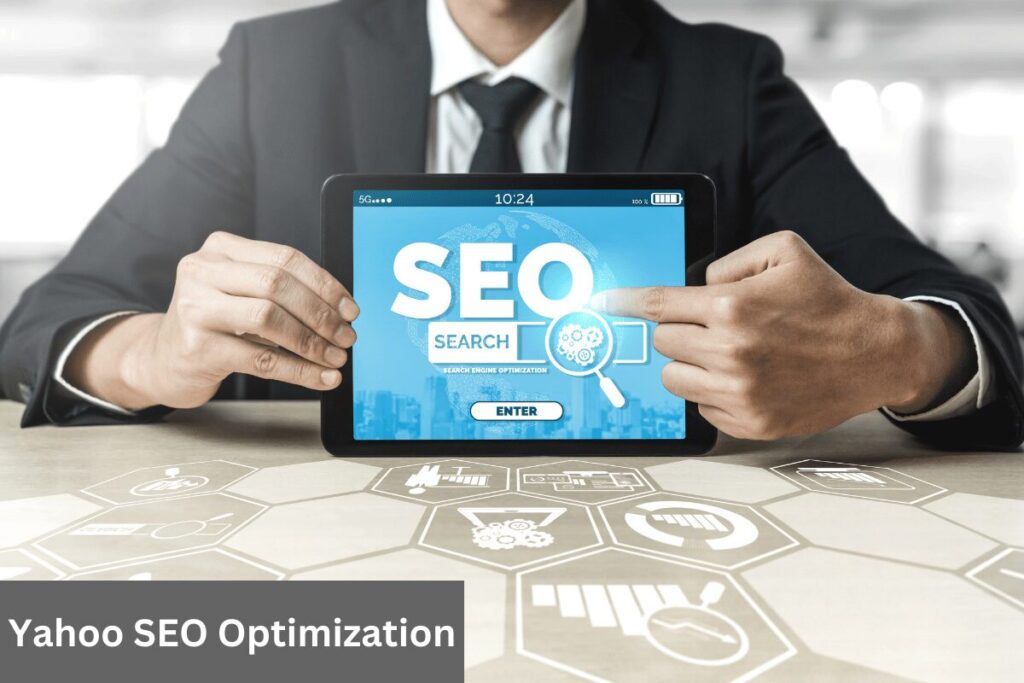
Mastering Yahoo SEO: Proven Strategies to Boost Your Rankings
BlogYahoo SEO Optimization: Your Underestimated Secret Weapon Hey there, fellow digital enthusiasts! Let’s cut to the chase: when we talk SEO, you’re probably already rolling your eyes and muttering, “Not another ‘Google this, Google that’ lecture.” But what if we told you there’s a retro powerhouse quietly waiting to boost your traffic? Yep, we’re talking about Yahoo—the underdog of search engines that’s still kicking (and ranking). Let’s unpack why Yahoo SEO deserves your attention and how to ace it—no fluff, just actionable gems. Why Yahoo SEO Still Matters (Yes, Really) Wait, Yahoo? Isn’t that just for checking the weather or… checks notes… 90s nostalgia? Surprise: Yahoo still processes over a billion searches monthly. Its user base skews older, wealthier, and less tech-obsessed—perfect if your audience isn’t glued to Google. Plus, competition here is lower. Imagine ranking on page one without battling 10,000 other sites. Cue angelic choir. At Sitelinx Organic SEO Agency in Los Angeles, we’ve seen clients snag prime Yahoo real estate way faster than Google. Why? Fewer folks are optimizing for it. Let’s fix that oversight. Local SEO on Yahoo: Your Hidden Goldmine Yahoo’s local search game is stronger than you’d think. Their algorithm loves hyper-localized content, especially for businesses serving specific regions. Think: Keyword-rich local landing pages (e.g., “Los Angeles organic SEO services”). Consistent NAP (Name, Address, Phone) listings across directories. Google Business reviews (yep, Yahoo pulls these too—wild, right?). Pro tip: Yahoo Local Works is their business directory. Claim your profile, stuff it with details, and watch local traffic trickle in. Not sure where to start? Our team at Sitelinx lives for this stuff. We’ve helped cafes, boutiques, and even that quirky candle shop down the street dominate Yahoo’s local results. Technical SEO for Yahoo: No Rocket Science Required Yahoo’s crawlers aren’t as sophisticated as Google’s, but that doesn’t mean you can slack. Here’s the lowdown: Site speed: Yahoo hates slow sites more than we hate Monday meetings. Compress images, leverage caching, and ditch clunky plugins (looking at you, WordPress users). Mobile-first design: Over 60% of Yahoo searches happen on mobile. If your site isn’t responsive, you’re basically ghosting your audience. XML sitemaps: Submit them via Yahoo Site Explorer. It’s like giving Yahoo a treasure map to your content. WordPress fans, rejoice: Plugins like Yoast or Rank Math simplify meta tags and redirects. But if coding makes you break out in hives, our WordPress SEO services team at Sitelinx handles the dirty work. Content Optimization: Yahoo’s Quirky Preferences Yahoo’s algorithm has a sweet spot for: Long-tail keywords: Think “best organic SEO company for small businesses in LA” vs. “SEO services.” Fresh, FAQ-style content: Answer questions directly. (“How do I fix a hacked WordPress site?”) Authoritative backlinks: Yahoo values .edu and .gov links like they’re rare Pokémon cards. Fun fact: We once boosted a client’s Yahoo traffic by 200% just by rewriting their blog titles to include “how-to” phrases. Sometimes, it’s the little things. Google Business Reviews vs. Yahoo: The Unlikely Crossover Here’s a plot twist: Yahoo aggregates Google Business reviews in its local results. So, those 5-star reviews you’ve hustled for? They pull double duty. But Yahoo also has its own review system. Moral of the story: Keep your Google profile polished. Encourage happy customers to leave reviews on both platforms. Respond to negative reviews swiftly—Yahoo’s algorithm notices engagement. Why Partner with an SEO Agency? (Spoiler: We’re Biased) Look, DIY SEO is like assembling IKEA furniture without the manual. Doable? Maybe. Worth the rage? Nope. Here’s where a best-in-class SEO company (ahem, like us) steps in: Technical SEO audits: We find cracks in your site’s foundation before they become sinkholes. Keyword strategy: Because guessing what Yahoo wants is so 2004. Ongoing website management: Updates, security, backups—we’ve got your back. Not all heroes wear capes. Some write meta descriptions and fix broken links. Yahoo vs. Google SEO: The Ultimate Showdown Let’s settle this once and for all. Here’s how their SEO priorities stack up: Factor Yahoo Google Backlinks Quantity + authority Quality + relevance Content Freshness Important, but not obsessive Critical (thanks, Hummingbird) Local SEO Loves hyper-local signals Relies heavily on Google My Biz Mobile Optimization Must-have Non-negotiable FYI: Yahoo’s simpler algorithm means quicker wins—ideal for small businesses. FAQs: Yahoo SEO Unmasked 1. “Is Yahoo SEO even worth the effort?” Absolutely! Especially if your audience is 35+ or local. Lower competition = faster results. 2. “Do I need a separate strategy for Yahoo and Google?” Kinda. Basics (like mobile speed) overlap, but keyword focus and link-building differ. A savvy SEO specialist (wink) can streamline both. 3. “Can WordPress handle Yahoo SEO?” 100%. With plugins like Yoast, it’s a breeze. But if you’d rather binge Netflix than tweak schema markup, our WordPress SEO services team has your back. Wrapping Up: Yahoo’s Comeback Tour Needs You Yahoo might not be the shiny new toy, but underestimating it is like ignoring a slot machine that’s already paying out. Whether you’re a small business owner or a marketing consultant drowning in Google’s complexity, Yahoo offers a simpler path to visibility. At Sitelinx Organic SEO Agency, we’re all about working smarter, not harder. Our technical SEO services and local expertise have turned underdog sites into traffic magnets—no magic, just strategy. Ready to give Yahoo the love it deserves? Let’s chat over coffee (or Zoom, if you’re allergic to pants). Because hey, even underdogs deserve their day in the sun. 🌞