How To Start An HVAC Business: Launch Blueprint & Local SEO Guide
How ToLaunching a successful heating, ventilation, and air conditioning (HVAC) business requires balancing trade technical skills with legal compliance, proper financial backing, and digital customer acquisition. To build a profitable enterprise in today’s contracting market, you must secure mandatory licenses, equip your fleet for low Global Warming Potential (GWP) A2L refrigerants under federal environmental rules, and establish a dominant online presence. Our team at Sitelinx SEO Agency helps contractor businesses convert localized web searches into high-margin service calls through data-driven technical SEO, custom schema architecture, and responsive web design. Legal and Operational Foundations Building a compliant HVAC company starts with selecting the right corporate structure, obtaining state trade licenses, and securing environmental certifications. Proper entity setup shields personal wealth while opening doors to commercial vendor financing and municipal contracting bids. Entity Structuring and Tax Registration We recommend forming a Limited Liability Company (LLC) or electing S-Corporation status to separate personal assets from company liabilities. This structural barrier protects personal savings, real estate, and personal vehicles from job-site liability claims or contract disputes. Once net earnings reach a steady threshold, electing S-Corporation tax status lets owners reduce self-employment taxes through a combination of reasonable W-2 salary and shareholder distributions. You must also obtain an Employer Identification Number (EIN) directly from the Internal Revenue Service to open commercial business accounts and process employee payroll. Mandatory Licensing and EPA Compliance HVAC licensing mandates vary by state, but most jurisdictions require documented field hours under a master technician, passing trade and business law exams, and submitting background checks. California requires a C-20 HVAC Contractor License, while Texas requires a Class A or Class B Environmental Air Conditioning License. Under federal law, any technician servicing or repairing equipment with regulated refrigerants must possess an U.S. Environmental Protection Agency (EPA) Section 608 Certification. Universal Certification covers Type I (small appliances), Type II (high-pressure systems), and Type III (low-pressure systems). Modern environmental standards under the American Innovation and Manufacturing (AIM) Act enforce strict leak inspection protocols for systems holding 15 pounds or more of low-GWP refrigerants like R-454B and R-32. Fleet Insurance and Commercial Bonding Operating a field trade business without broad commercial insurance creates massive financial risk. A single property damage claim or vehicle collision can shut down an under-insured enterprise overnight. General Liability Insurance: Maintain a minimum coverage policy of 1,000,000 USD to 2,000,000 USD to cover job-site property damage or bodily injury claims. Workers Compensation Insurance: Required in almost every state as soon as you hire your first apprentice or technician to cover medical expenses and lost wages. Commercial Auto and Inland Marine: Commercial auto covers your service vans, while inland marine insurance covers specialized tools, manifold gauges, and recovery units while in transit. Surety Performance Bonds: Many municipal jurisdictions require 5,000 USD to 25,000 USD surety bonds before issuing local master mechanical permits. Capital Requirements and Financial Planning Launching a single-vehicle HVAC enterprise requires capital allocation across vehicles, diagnostic tools, working capital, and digital marketing. Accurately projecting your startup capital prevents cash flow starvation during spring and autumn shoulder months. Startup Cost Breakdown for First-Year Operations The table below details the initial capital investment necessary to launch a single-truck HVAC unit equipped with modern A2L refrigerant diagnostics. Capital Category Investment Range (USD) Essential Line Items Included Service Vehicle & Fleet Branding 15,000 to 45,000 Pre-owned cargo van, interior shelving, ladder rack, custom vinyl wrap Diagnostic Tools & A2L Recovery Gear 8,000 to 22,000 Spark-proof recovery pumps, vacuum pumps, digital manifolds, leak detectors Business Licensing, Insurance & Bonding 3,000 to 8,000 State contractor license, general liability deposit, surety bond Digital Platform & Organic Marketing 4,000 to 12,000 Custom WordPress website, schema markup, initial local search campaigns Initial Inventory & Operating Reserves 10,000 to 25,000 Capacitors, fan motors, virgin refrigerant, emergency payroll buffer Total Estimated Investment 40,000 to 112,000 Complete setup for an operational single-truck company Cash Flow Management and Vendor Credit We advise maintaining at least three to six months of fixed operating expenses in a liquid reserve account. HVAC revenue experiences heavy seasonal spikes during summer heatwaves and winter freezes. Establish net-30 credit accounts with regional supply houses like Johnstone Supply, Carrier Enterprise, or Ferguson to delay material payments until jobs are billed. Establish flat-rate pricing models based on direct labor rates, overhead absorption, and target profit margins rather than simple hourly billing. Technical Industry Standards and Environmental Regulations Federal environmental policies mandate a nationwide transition toward low Global Warming Potential (GWP) refrigerants. Modern field technicians must adhere to design protocols established by the Air Conditioning Contractors of America (ACCA). Navigating Low-GWP Refrigerant Mandates The phasedown of high-GWP refrigerants like R-410A requires contractors to adopt mildly flammable A2L refrigerants such as R-454B and R-32. Working with A2L refrigerants requires specialized tools including spark-proof recovery units, left-hand threaded recovery cylinders, and calibrated A2L leak detectors. Technicians must verify equipment pairings using Manual J heat gain calculations, Manual D duct design, and Manual S equipment selection. Proper matching maintains system performance ratings under SEER2 standards. Real-World Field Case Study: Resolving Heat Pump Lockouts During a heat pump installation, our field team encountered intermittent high-pressure lockouts on a newly installed A2L heat pump system operating in low ambient heating mode. Standard pressure gauges indicated transient spikes, while electrical diagnostics showed normal compressor amp draw. Diagnostic testing confirmed non-condensable gas trapped in the liquid line alongside an incorrect factory thermal expansion valve (TXV) superheat setting. Our technicians isolated the circuit, recovered the A2L refrigerant using an explosion-proof recovery machine, and performed a triple evacuation down to 250 microns. We verified vacuum stability, recharged the system by weight using precision digital scales, and adjusted the mechanical TXV to deliver 10 degrees Fahrenheit of subcooling, eliminating pressure lockouts permanently. Digital Infrastructure and Local Search Optimization Emergency repair customers turn directly to search engines when heating or cooling systems fail. Securing dominant positions in organic search results and local map packs drives consistent incoming service calls. Custom Site Architecture and Mobile Performance Your website functions as your primary sales representative.

Local SEO Pricing Guide: Real Costs, Service Models, And ROI Benchmarks
BlogLocal SEO Pricing Guide: Real Costs, Service Models, And ROI Benchmarks In 2026, local search engine optimization campaigns for single-location businesses typically cost between 500 USD and 3,000 USD per month, with standard agency retainers averaging 1,557 USD monthly. Multi-location brands and service providers operating in dense urban markets invest between 3,500 USD and 10,000 USD per month to capture dominant map pack rankings. We created this clear pricing breakdown to help business owners evaluate agency quotes, understand core technical deliverables, and measure real commercial return on investment. If you want direct advice on structuring your marketing budget, reach out to Sitelinx SEO Agency at (213) 510-8355. Core Pillars Driving Local Search Performance Achieving top ranking positions on Google requires an integrated approach across site architecture, geographical relevance, and online customer sentiment. According to official documentation in the Google Business Profile Help Center, local algorithms evaluate three primary factors: relevance, distance, and prominence. Translating those three algorithmic pillars into operational daily tasks shapes campaign scope and pricing. Modern local campaign deliverables include: Google Business Profile Management: Selecting accurate primary categories, adding geotagged media, monitoring spam edits, and auditing secondary categories to maximize Google Maps exposure. On-Page Technical SEO: Building location landing pages, writing geo-targeted title tags, fixing core web vitals, and deploying LocalBusiness JSON-LD structured data. Review Acquisition and Velocity Workflows: Setting up automated outreach channels to collect customer reviews. Consistent review velocity directly improves map pack visibility. Citation Clean-Up and Aggregator Syncing: Aligning business name, address, and phone number (NAP) data across aggregators like Data Axle and Neustar Localeze to eliminate search data confusion. Generative AI Search Grounding: Structuring site answers and entity data so conversational AI platforms and search overviews accurately cite your business details. Evaluating Local SEO Pricing Models Digital agencies and consultants structure their billing into three standard service models. Choosing the right structure depends on your internal technical resources, project timeline, and growth goals. Industry guidance from the U.S. Small Business Administration notes that aligning marketing investments with clear performance metrics ensures sustainable growth. Monthly Retainer Model The monthly retainer is the primary framework for ongoing search optimization, accounting for roughly 78 percent of agency client contracts. Retainers provide predictable monthly costs in exchange for continuous technical updates, review strategies, local link outreach, and ranking reports. Single-location retainers range from 750 USD to 3,500 USD per month, while multi-location brands scale beyond 5,000 USD monthly. Hourly Consulting Model Hourly billing works best for standalone technical audits, strategy sessions, or internal team training. Senior agency strategists bill between 100 USD and 250 USD per hour for customized advice. While hourly contracts offer flexibility, they lack the ongoing execution required to build market authority in competitive sectors. Project-Based Pricing Model Project-based engagements suit companies that need targeted fixes without recurring commitments. Common projects include profile penalty reinstatements, site migrations, citation audits, or initial schema installations. Project fees fall between 1,000 USD and 6,000 USD depending on overall scope. Local SEO Cost Comparison Matrix The table below outlines standard investment tiers, typical monthly costs, deliverables, target business types, and expected ROI timelines across the search market. Investment Tier Typical Monthly Cost (USD) Target Business Scope Primary Deliverables Included Expected ROI Window Low-Cost Maintenance 300 to 750 USD Single location, low-competition niche services Basic profile setup, directory citation lock, quarterly performance reporting 6 to 9 Months Mid-Tier Competitive Growth 1,500 to 3,500 USD Single to dual location, competitive metro areas (legal, dental, HVAC) Full profile management, local schema, review campaigns, geo-content, technical SEO 3 to 6 Months Multi-Location Expansion 3,500 to 8,000 USD Regional brands, 3 to 15 physical branches or service zones Multi-branch profile management, location landing hubs, aggregator sync, link building 3 to 6 Months Enterprise & Franchise 8,000 to 20,000+ USD Regional and national franchises with 15+ locations Custom API integrations, central review governance, AI entity grounding, scale link outreach 2 to 4 Months For broad educational background on search indexing and site optimization, consult the overview on Wikipedia Search Engine Optimization Overview. Key Factors Influencing Local SEO Investment Campaign costs reflect technical labor requirements. When we evaluate projects for clients, four major variables drive necessary effort and campaign pricing: Market Density and Competition: Securing organic search positioning for a personal injury attorney in Los Angeles requires vastly more effort than ranking a boutique service provider in a small suburban township. High cost-per-click industries demand heavy content creation and aggressive backlink outreach. Location Count and Service Radius: Managing multiple storefronts multiplies the required labor for profiles, location hub pages, schema markup, and review tracking. Service-area businesses covering adjacent counties must publish distinct location pages for every targeted zip code. Legacy Technical Debt and Domain Health: Websites with past manual spam penalties, duplicate pages, or mismatched NAP records require deep technical remediation before growth strategies show results. Target Commercial Intent: Capturing high-intent transactional search queries requires deeper keyword modeling, structured schema validation, and high-authority local citations. Real-World Engineering Challenges and Technical Resolutions To demonstrate how technical execution connects directly with investment, we share two distinct client scenarios managed by our agency. Resolving Hard Map Suspensions and Directory Mismatches A multi-location medical practice in Southern California relocated two branch clinics. Internal staff updated the address on their Google Business Profiles without syncing third-party aggregator directories. The data mismatch triggered an immediate hard suspension on Google Maps, erasing the business from local search results during peak customer acquisition season. Our team completed a full citation audit, locking core records across Data Axle and Neustar. We compiled lease agreements, state business licenses, and utility records to submit a formal reinstatement appeal directly to Google. Within 11 business days, Google reinstated both profiles, restoring top-three map rankings and preserving historic customer reviews. Eliminating Keyword Cannibalization for Multi-Branch Services A multi-county plumbing and HVAC business suffered a severe organic traffic drop after launching individual city landing pages. The pages used templated content where only city names were swapped. Google flagged the domain for duplicate content, triggering keyword cannibalization where local pages
Understanding Linkgraph Link Building: A Key to Effective SEO Strategies
BlogWhat Is Linkgraph Link Building? (And Why Your SEO Strategy Needs It) Hey there, fellow SEO nerds! Let’s talk about something we’ve all obsessed over at 2 a.m. while downing our third cup of coffee: link building. But not just any link building—today, we’re diving into Linkgraph, the buzzword that’s been floating around forums and making marketers like us tilt our heads like confused puppies. What even is it? And why should we care? Spoiler: If you’re not using Linkgraph principles, you’re basically playing darts blindfolded. Let’s break it down, swap some tips, and maybe even roast a few outdated tactics along the way. (Looking at you, spammy directory links from 2005.) So, What’s Linkgraph Anyway? Imagine Google’s crawling your site, right? Instead of seeing a jumbled mess of random backlinks, it maps out a clean, organized “graph” of how your site connects to others. That’s Linkgraph in a nutshell. It’s not a tool or a checklist—it’s a framework for building links that actually make sense for your niche, audience, and goals. Here’s the kicker: Linkgraph link building focuses on quality over quantity. Gone are the days of stuffing your profile with 500 irrelevant forum signatures. Today, it’s about strategic partnerships, Local SEO wins, and content so good that other sites beg to link to you. How Linkgraph Works (Without Putting You to Sleep) Let’s get tactical. How do you actually build a Linkgraph-friendly backlink profile? 1. Identify “Link-Worthy” Pages Not every page deserves a gold medal. Start by auditing your site to find: Pages with high organic traffic but few backlinks. Cornerstone content (think ultimate guides or data-driven reports). Pages targeting keywords where you’re almost ranking on page 1. Pro tip: If you’re on WordPress, plugins like Yoast can help spot these opportunities. Or, y’know, hire an SEO specialist (hi, that’s us at Sitelinx) to do the heavy lifting. 2. Create Content That’s Actually Linkable Here’s where most folks flop. You can’t just publish a generic “Top 10 Tips” post and expect The New York Times to link to it. Ask yourself: Is this data original? (Surveys, case studies, and proprietary research = link magnets.) Does it solve a problem 90% of your audience has? Would I share this with a colleague? (Be honest.) Fun fact: We once boosted a client’s traffic by 200% in 6 months by turning their boring service page into a free interactive tool. Links poured in like free samples at Costco. 3. Outreach Like a Human, Not a Robot Cold emailing 1,000 bloggers with “Hey [First Name], love your blog!” isn’t just lazy—it’s embarrassing. Instead: Personalize every pitch. Mention their recent article or a shared connection. Offer value upfront: “I noticed your guide on X is missing [our data/study/tool]. Want to include it?” Follow up politely. Twice. Then move on. Why Bother with Linkgraph? (Besides Impressing Your Boss) Let’s cut through the jargon. Here’s what Linkgraph link building actually does for you: Boosts Domain Authority: Google trusts sites with relevant, high-authority backlinks. Fuels Local SEO: Got a brick-and-mortar biz? Links from local news sites or directories = gold. Drives Targeted Traffic: A link from a niche blog brings visitors who want what you sell. FYI, we’ve seen clients land on the first page for competitive keywords just by cleaning up their link profiles. No magic, just strategy. Common Linkgraph Mistakes (Don’t Be This Person) We’ve all messed up. Here’s what not to do: Ignoring Technical SEO: Broken links? Slow site speed? Fix these first. Even the best backlinks won’t save you if your site’s a hot mess. Buying Links: Unless you enjoy Google penalties. (Spoiler: You don’t.) Forgetting Google Business Reviews: For local businesses, reviews boost visibility and credibility. Respond to them—yes, even the Karens. Linkgraph vs. Traditional Link Building: A Totally Unbiased Showdown Let’s settle this once and for all. Aspect Linkgraph Traditional Tactics Focus Relevance, authority, user value Quantity, any link you can get Content Strategy Data-driven, original research Generic “me-too” posts ROI Long-term growth, sustainable traffic Short-term spikes, high risk Best For Businesses wanting to scale Desperate folks chasing quick wins IMO, it’s no contest. “But How Do I Start?” (Glad You Asked) Audit Your Backlinks: Tools like Ahrefs or SEMrush show who’s linking to you—and if they’re trash. Prioritize Fixing Toxic Links: Disavow spammy links dragging you down. Partner with an SEO Agency: Like, say, a certain Sitelinx Organic SEO Agency in Los Angeles? Wink. Seriously, though—if you’re a small business owner juggling website management, WordPress SEO services, and 10 other hats, outsourcing to one of the best SEO companies for small business lets you focus on what you do best. 3 Burning Questions About Linkgraph (Answered) Q: How long until I see results? A: SEO’s a marathon, not a sprint. Expect 3–6 months for noticeable traction. But hey, good things come to those who wait (and optimize). Q: Can I DIY this? A: Sure, if you’ve got time to learn 15 tools and enjoy reading Google’s 200-page algorithm updates. For everyone else, hire an SEO agency. Q: What’s the #1 thing killing my Linkgraph? A: Probably irrelevant links. If you’re a vegan restaurant with backlinks from a motorcycle forum, Houston, we have a problem. Why Sitelinx? (We’re Not Just Saying This) Shameless plug time! At Sitelinx Organic SEO Agency, we live for this stuff. Here’s why clients stick with us: Hyperlocal Expertise: We know LA’s market inside out. Want to dominate Local SEO in Venice Beach? We’ve got you. Full-Service SEO: From technical SEO services to content strategy, we’re your one-stop shop. No BS Reporting: We’ll show you exactly where your money’s going. No jargon, no fluff. Oh, and we’ve been called a “best SEO company” by actual humans—not just our moms. Ready to Level Up? Linkgraph isn’t a trend—it’s the future of SEO. Whether you DIY it or team up with a marketing consultant, the key is to start now. And hey, if you’re feeling stuck, hit up Sitelinx. We’ll handle the geeky stuff while you focus
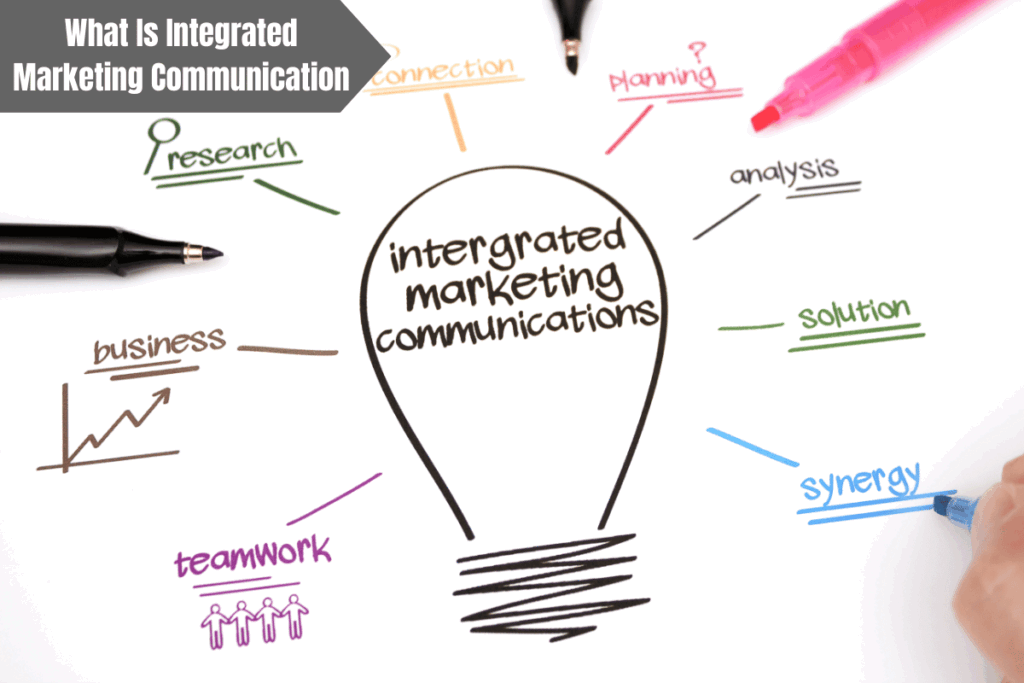
Mastering Integrated Marketing Communication: Boost Your Brand’s Consistency
BlogWhat Is Integrated Marketing Communication (And Why Your Business Needs It) Ever feel like your marketing strategy is a jumbled puzzle where none of the pieces fit? You’re posting on social media, tweaking your website, sending emails, and maybe even running ads—but instead of a symphony, it sounds more like a middle school band rehearsal? (No offense to middle schoolers. We’ve all been there.) That’s where Integrated Marketing Communication (IMC) comes in. Think of IMC as the ultimate playlist curator for your brand’s message. It ensures every channel, from your website to your TikTok videos, sings the same tune. And guess what? We’ve got some strong opinions about how to do this right—especially if you’re a small business in Los Angeles trying to stand out. At Sitelinx Organic SEO Agency, we’ve seen firsthand how blending strategies like Local SEO, WordPress SEO services, and Google Business reviews can transform chaotic marketing into a streamlined powerhouse. Let’s break down what IMC really means, why it’s not just a buzzword, and how you can stop throwing spaghetti at the wall and start cooking a Michelin-star campaign. What Exactly Is Integrated Marketing Communication? IMC is like that friend who remembers everyone’s coffee order. It’s the practice of aligning all your marketing efforts—social media, email, SEO, ads, PR—so they work together seamlessly. Instead of treating each channel as a solo act, IMC makes them backup dancers to your brand’s lead vocals. Here’s the kicker: consistency is key. Your Instagram captions should vibe with your blog posts. Your email subject lines should echo your Google Ads. And your website management? It better not look like it’s stuck in 2012. Why Should You Care About IMC? Let’s get real. If your marketing feels disjointed, your customers notice. Imagine clicking on a Facebook ad for “eco-friendly yoga mats” only to land on a website that screams “discount party supplies.” Confusing, right? IMC fixes that by: Boosting brand recognition (because repetition works, folks). Saving money (no more wasting budget on mismatched campaigns). Improving customer trust (consistency = reliability). And hey, if you’re a small business, IMC levels the playing field. You don’t need a Fortune 500 budget—just smart coordination. That’s where partnering with an SEO agency like Sitelinx helps. We’ve helped LA-based cafes, boutiques, and tech startups nail their messaging without breaking the bank. The Nuts and Bolts of IMC: Breaking It Down 1. Start With a Clear Message (No, “We’re Awesome” Doesn’t Cut It) Your brand’s core message is the foundation. Are you the best SEO company for small businesses? The go-to WordPress SEO services provider? Whatever it is, drill it into every piece of content. Pro Tip: Use tools like customer surveys or social listening to refine your message. (Or hire a marketing consultant—cough we know a great agency in LA cough.) 2. Choose Your Channels Wisely Not every platform deserves your energy. If your audience hangs out on LinkedIn, why waste time mastering TikTok dances? Here’s a quick cheat sheet: Channel Best For Google Business Local SEO & reviews WordPress Blog Long-form content & SEO Email Newsletters Nurturing leads Instagram Stories Behind-the-scenes engagement 3. Sync Your SEO and Content Strategy Technical SEO services might sound boring, but they’re the backbone of visibility. Optimize your site speed, fix broken links, and structure your content for both humans and search engines. Pair this with Local SEO tactics (like optimizing for “best coffee shop in LA”) to attract nearby customers. Fun Fact: We once boosted a client’s organic traffic by 200% just by aligning their blog topics with their Google Business reviews keywords. Magic? Nope—just IMC. 4. Measure, Tweak, Repeat IMC isn’t a “set it and forget it” crockpot recipe. Use analytics to track what’s working. Did that email campaign drive traffic to your site? Did your WordPress SEO services blog post rank for the right keywords? Adjust as you go. Common IMC Mistakes (And How to Avoid Them) We’ve seen it all—businesses that treat their social media manager like a lone wolf, or websites that haven’t been updated since the first iPhone launch. Here’s what not to do: Ignoring Mobile Users: If your site isn’t mobile-friendly, you’re basically telling 60% of visitors to bounce. Siloed Teams: Your SEO specialist and social media manager should be BFFs. Period. Forgetting Local SEO: If you’re a local business, missing out on “near me” searches is like leaving money on the table. FYI: Sitelinx offers website management packages that include technical SEO services, so you can avoid these face-palm moments altogether. “But Do I Really Need an SEO Agency?” Look, we get it. Hiring an SEO company feels like a big step. But here’s the thing: IMC requires expertise. You wouldn’t rewire your house without an electrician, right? (Unless you’re into living by flashlight. No judgment.) The best SEO companies for small business (hey, that’s us!) handle the heavy lifting: Keyword research & content planning On-page and technical SEO services Monitoring Google Business reviews and local rankings Aligning everything with your broader marketing goals Plus, we’ll make sure your WordPress site isn’t secretly sabotaging your efforts. (Spoiler: Outdated plugins are not your friend.) FAQs: Your IMC Questions, Answered Q: How long does it take to see results from IMC? A: SEO and brand building aren’t overnight successes. Give it 3–6 months for traction, but expect gradual improvements sooner. Q: Can I handle IMC myself? A: Sure—if you have 10 hours a week to spare. Most small biz owners don’t. That’s why working with an SEO specialist lets you focus on what you do best. Q: What’s the #1 thing killing IMC efforts? A: Inconsistent messaging. If your website says “affordable” but your ads say “luxury,” customers will peace out faster than you can say “brand voice.” Ready to Ditch the Chaos? Let’s Talk. IMC isn’t just a strategy—it’s a mindset. It’s about weaving your brand’s story into every tweet, email, and Google search. And while it might feel overwhelming, you don’t have to figure it out alone. At Sitelinx Organic SEO
Top Affordable SEO Tools to Boost Your Rankings
BlogCheap SEO Tools: Your Wallet’s New Best Friend (No, Really) Let’s cut to the chase: SEO doesn’t have to cost you a kidney. We’ve all been there—staring at pricey software subscriptions or agency quotes that make your bank account weep. But here’s the kicker: you can boost your rankings, drive traffic, and outsmart competitors without selling your soul to the “SEO overlords.” And guess what? We’re sharing exactly how. (Spoiler: Our pals at Sitelinx Organic SEO Agency in Los Angeles might pop up a few times. They’re kinda genius at this stuff.) Why Cheap SEO Tools Deserve a Spot in Your Toolkit Look, we get it. “Cheap” often screams “sketchy” or “barely works.” But hear us out: some of these tools are like that underrated coffee shop down the street—affordable, reliable, and surprisingly good. Here’s why budget-friendly SEO tools rock: They’re perfect for small businesses (because not everyone has Fortune 500 cash). You can test strategies risk-free before committing to pricier options. Many offer free trials or freemium plans—hello, zero upfront costs! And hey, if you’re drowning in spreadsheets or keyword chaos, Sitelinx Organic SEO Agency offers technical SEO services that pair beautifully with these tools. Think of them as the Avengers to your Iron Man. Our Top Picks: Cheap (But Not Cheapish) SEO Tools Let’s get tactical. Below, we’ve rounded up tools that punch way above their weight class. Bonus: we’ve even thrown in a comparison table because, let’s face it, adulting is easier with charts. Tool Price Best For Why We’re Obsessed Ubersuggest Free/$29/month Keyword Research Neil Patel’s brainchild—simple and powerful Screaming Frog Free/$259/year Technical SEO Audits Crawls sites faster than your morning coffee AnswerThePublic Free/$99/month Content Ideas Visualizes search queries like a mind map Pro Tip: Pair these with WordPress SEO services (shoutout to Sitelinx’s team for making WordPress sites sing) to automate meta tags, optimize images, and slash loading times. local SEO on a Budget: Because Your Neighborhood Matters Trying to dominate local searches without a trust fund? Same. Here’s the cheat code: Google Business Reviews: Claim your profile, post updates, and politely beg for reviews. (No, really—95% of customers read them.) Local Citations: Use free tools like Moz Local to ensure your biz details are consistent everywhere. Community Engagement: Partner with local influencers or host events. FYI, if this sounds exhausting, Sitelinx Organic SEO Agency offers local SEO packages that handle everything from Google My Business to hyper-local keywords. Because life’s too short to manually update 50 directories. WordPress SEO: Plugins That Won’t Empty Your Wallet If your site runs on WordPress (and let’s be real, 43% of the web does), these plugins are game-changers: Yoast SEO: Free version covers basics like meta descriptions and readability checks. WP Rocket: Speed optimization without the $200/month price tag. Broken Link Checker: Because 404 errors are so 2010. But wait! Even the best plugins can’t fix spaghetti code or server issues. That’s where Sitelinx’s WordPress SEO services swoop in—handling everything from XML sitemaps to .htaccess tweaks. Common Mistakes: How to Not Waste Time & Money Cheap tools are awesome… unless you’re using them wrong. Avoid these facepalm moments: Ignoring Mobile Optimization: Google’s mobile-first indexing isn’t a suggestion. Keyword Stuffing: Write for humans, not robots. (Unless you want to sound like a malfunctioning AI.) Skipping Analytics: Tools like Google Search Console are free. Use them! IMO, the biggest mistake? Trying to DIY everything. Sometimes, you need an SEO specialist—like the crew at Sitelinx—to untangle technical nightmares. “Should I Just Hire an SEO Company Instead?” (We See You, Overthinkers) Great question! Cheap tools are stellar for DIYers, but there’s a line. If you’re dealing with… Plummeting rankings after a Google update A site slower than dial-up Zero idea how to fix crawl errors …it’s time to call the best SEO company for small business needs. Cough Sitelinx cough. Their SEO services blend strategy, tech fixes, and content magic—all without the corporate price tag. Your Burning Questions, Answered Q: Are cheap SEO tools as effective as expensive ones? A: For basics? Absolutely. But advanced tasks (like enterprise-level audits) might need heavy-duty software—or a pro SEO agency like Sitelinx. Q: How do I pick the right tool? A: Match tools to your goals. Keyword research? Ubersuggest. Technical issues? Screaming Frog. Still lost? A marketing consultant can help. Q: Can I handle SEO myself? A: Yes—if you’ve got time to learn. No? Agencies exist for a reason. 🙂 Wrapping Up: Cheap Tools + Smart Strategy = SEO Gold At the end of the day, SEO isn’t about throwing cash at the problem. It’s about working smarter, not harder. Use budget tools to nail the fundamentals, lean on website management hacks, and when you hit a wall—please—call Sitelinx. Their team turns chaos into clicks, and honestly? They’re way cheaper than therapy. Final thought: Why stress over SEO alone? Hit up Sitelinx Organic SEO Agency and watch your rankings (and sanity) soar. 🚀

Top Web SEO Companies: Elevate Your Online Presence with Sitelinx
BlogWhy Your Business Needs an SEO Company (And How to Choose the Right One) Let’s cut to the chase: if your website isn’t showing up on Google’s first page, does it even exist? (Okay, that’s a bit dramatic, but you get the idea.) We’ve all been there—staring at analytics that look like hieroglyphics, wondering why our “amazing content” isn’t getting traffic. That’s where SEO companies come in. And hey, since we’re based in Los Angeles ourselves (cough Sitelinx Organic SEO Agency cough), we’ve seen firsthand how the right strategy can turn a digital ghost town into Grand Central Station. But with so many agencies claiming to be the “best SEO company,” how do you separate the pros from the… well, let’s just say “overpromisers”? Grab a coffee, and let’s break it down. What Even Is SEO in 2024? (Spoiler: It’s Not Just Keywords) SEO isn’t just about stuffing keywords like a Thanksgiving turkey anymore. Modern SEO is like a three-legged stool: Technical SEO services: Fixing broken links, speeding up your site, and making Google’s bots love you. Content strategy: Creating stuff people actually want to read (not just robot-friendly jargon). Local SEO: Because if you’re a brick-and-mortar shop in LA, you’d better show up when someone Googles “best tacos near me.” And here’s the kicker: 90% of clicks go to the first page of Google. So yeah, you need this. Why Hire an SEO Agency? (Unless You’re a Masochist) Look, we get it—DIY SEO sounds tempting. How hard could it be? Then you’re 12 hours deep into a YouTube tutorial on schema markup, questioning your life choices. An SEO company does the heavy lifting so you can focus on, you know, running your business. Here’s what the best SEO companies for small business actually deliver: Time savings: No more Googling “what’s a meta tag?” at 2 a.m. Expertise: SEO specialists who eat algorithm updates for breakfast. Results: Real traffic, real leads, real growth. FYI, agencies like ours (Sitelinx, in case you forgot) also handle website management and WordPress SEO services—because nobody wants their site crashing during a Black Friday sale. “But How Do I Pick the Right SEO Agency?” (Glad You Asked) Not all SEO agencies are created equal. Some are wizards; others are just waving a wand and hoping you don’t notice. Here’s our cheat sheet: Red Flags to Avoid Promises #1 rankings in 24 hours: Unless they’ve got a crystal ball, run. No clear strategy: If they can’t explain “how,” they don’t know “how.” Zero focus on Local SEO: Crucial for small businesses! Green Flags to Embrace Transparent reporting: You should know where your money’s going. Holistic approach: Mixing technical SEO services with content and Google Business reviews optimization. Experience in your niche: A bakery’s SEO needs ≠ a law firm’s. Oh, and if you’re on WordPress? Prioritize agencies that offer WordPress SEO services. Plugins like Yoast are great, but they’re no substitute for human expertise. SEO Services Decoded (No Jargon, We Promise) Let’s demystify what an SEO specialist actually does: Service What It Means Why It Matters Local SEO Optimizing for “near me” searches and Google Maps. Drives foot traffic to your store. Technical SEO Services Fixing site speed, mobile-friendliness, errors. Makes Google and users happy. Content Strategy Blogs, guides, and videos that answer real questions. Builds authority and keeps visitors hooked. Google Business Reviews Management Encouraging happy customers to leave reviews. Boosts local rankings and trust. And yes, we do all of this at Sitelinx—along with marketing consultant support to align SEO with your bigger goals. WordPress Users, Listen Up: Your Site Needs Love Too If your site runs on WordPress, you’re already ahead of the game (high five!). But here’s the thing: WordPress SEO services aren’t just about installing Yoast and calling it a day. You need: Customized plugins: Out-of-the-box tools won’t cut it for unique needs. Database optimization: Stop your site from slowing down as it grows. Security updates: Because getting hacked is not a traffic strategy. We’ve lost count of how many WordPress sites we’ve rescued from the “too slow to rank” graveyard. Don’t be one of them. Local SEO: Your Secret Weapon for Dominating LA Here’s a hot take: Local SEO is the unsung hero for small businesses. Imagine someone searching “best SEO company Los Angeles” and actually finding you. That’s the power of: Optimized Google Business profiles. Localized keywords (e.g., “SEO agency near Hollywood”). Reviews that scream “these folks know their stuff.” At Sitelinx, we’ve helped everything from LA coffee shops to law firms crush their local search game. Because why compete globally when you can own your backyard? 3 Burning Questions About SEO Companies (Answered) “How long until I see results?” IMO, anyone who guarantees under 3 months is lying. SEO is a marathon—usually 4–6 months for traction. But hey, good things come to those who wait (and hire the right agency). “Do I need technical SEO services?” Only if you want your site to load faster than a sloth on melatonin. Spoiler: You do. “What’s the #1 mistake businesses make with SEO?” Trying to do it all themselves. Unless you’re an SEO specialist, outsource this. Ready to Stop Guessing and Start Growing? Let’s face it: SEO isn’t magic, but it’s pretty close when done right. Whether you need technical SEO services, WordPress tweaks, or a full-blown local SEO overhaul, the right agency (hi, Sitelinx) can make it happen. So, why keep shouting into the void? Let’s turn your website into a lead-generating machine. Drop us a line—we’re based in LA, but we work with businesses everywhere. And hey, no judgment if you’re still using Comic Sans. (Okay, maybe a little judgment.) TL;DR: Hire an SEO company that cares about your goals as much as you do. Hint: We’re right here. 😉