
How To Start A Landscaping Business: Equipment, Pricing, And Digital Client Acquisition
How ToMarket Positioning and Operational Focus Establishing a profitable landscape firm requires selecting target property verticals before purchasing machinery or hiring personnel. Operators achieve long-term commercial survival by aligning capital investments with high-density suburban lawn care or institutional grounds management. Selecting a focused operational vertical early establishes baseline profit margins, dictates equipment financing terms, and defines route scheduling parameters across regional markets. We observe that new enterprise owners often fail when trying to service every incoming lead request without clear positioning. Servicing isolated residential properties alongside expansive commercial campuses inflates fuel costs and creates severe schedule fragmentation. Developing specialized focus within distinct geographical zones enables crews to complete more billable service calls per shift while reducing non-billable windshield time. Direct Evaluation of Residential and Commercial Models Choosing between residential property care and commercial grounds management dictates cash flow predictability, contract duration, and administrative overhead. Residential accounts provide higher gross profit margins with fast billing turnaround but require high client density. Conversely, commercial multi-year contracts yield predictable recurring revenue and long-term enterprise valuation, balanced by institutional payment terms and heavy initial equipment requirements. To evaluate structural trade-offs between operating verticals, we examine key financial and operational benchmarks across recurring client contracts: Operational Benchmark Residential Maintenance Vertical Commercial Grounds Vertical Average Annual Contract Value 1,800 USD to 12,000 USD 15,000 USD to 150,000 USD Target Gross Profit Margin 48% to 62% gross profit 28% to 42% gross profit Target Net Profit Margin 16% to 24% net profit 11% to 19% net profit Billing Structure & Terms Automated monthly credit card debits Net-30 to Net-60 corporate invoicing Fleet Machinery Outlay Low to moderate setup capital High specialized machinery capital Contracting Horizons Month-to-month or annual agreements Two-to-five year binding contracts If your priority is rapid cash collection and minimal machinery overhead, build a residential maintenance route centered on high-income neighborhoods. If you possess substantial initial capital reserves and seek enterprise stability, secure institutional commercial contracts that provide consistent recurring billings through multi-year agreements. Specialized High-Yield Service Vectors Integrating specialized enhancement offerings into basic turf care routes expands profit margins and insulates business revenue against seasonal downturns. Specialized services like agronomic turf treatment, custom masonry, and water-conserving irrigation upgrades command premium hourly rates. Adding technical capabilities elevates enterprise value, deepens customer retention, and differentiates your organization from baseline mowing companies in competitive regional markets. We recommend expanding service capabilities into high-yield specialized operational categories: Agronomic Turf Management: Delivering targeted soil chemistry adjustments, core aeration, over-seeding, and custom fertilizer applications. Smart Irrigation and Water Management: Modernizing water delivery systems through micro-drip zones, backflow preventers, and weather-driven controllers. Hardscape and Outdoor Masonry: Constructing structural retaining walls, interlocking paver patios, natural stone features, and outdoor living areas. Seasonal Utility Operations: Managing commercial snow removal, de-icing applications, and municipal winter emergency maintenance to preserve year-round cash flow. Our operational field data indicates that service portfolios combining standard turf cutting with agronomic chemical treatments maintain profit margins up to 15% higher than pure mowing firms. High-skill services create higher switching costs for property owners, directly driving contract renewal rates year over year. Regulatory Frameworks, Licensing, and Field Safety Operating a legitimate outdoor services firm demands strict adherence to state trade licensing, environmental regulatory codes, and federal workplace safety standards. Business owners must secure legal corporate protection, environmental handling permits, and appropriate trade certifications prior to bidding on commercial accounts. Failure to comply with federal or local regulations exposes enterprises to severe administrative fines and fatal operational disruptions. Forming a Limited Liability Company or S-Corporation shields personal assets against business liabilities, equipment accidents, and property damage litigation. Furthermore, securing an official Federal Employer Identification Number enables owners to establish commercial lines of credit with wholesale nurseries and power equipment distributors. Regulatory Compliance and Certification Protocols State and federal agencies regulate landscape service operations to safeguard public safety, water systems, and local ecosystems. Applying restricted-use pesticides, installing backflow prevention devices, or performing structural masonry work requires professional certifications and mandatory safety testing. Adhering to these regulatory standards protects outdoor service firms from expensive municipal penalties and complex legal liabilities during field operations. Chemical application rules are governed nationally by the U.S. Environmental Protection Agency, requiring applicators handling restricted products to complete rigorous technical training. Municipalities and state oversight boards also enforce mandatory specialized operational credentials: Specialty Trade Licensing: Mandatory state licensing for structural building, irrigation plumbing, or projects exceeding state cost thresholds. Certified Commercial Pesticide Applicator Licenses: State-administered certifications required to apply synthetic herbicides, fungicides, and controlled chemical treatments. Backflow Assembly Testing Credentials: Municipal authorizations needed to service, inspect, and certify cross-connection control valves tied to public water main supplies. In our field operations, we encountered a complex regulatory challenge when expanding across four contiguous municipal jurisdictions. Each municipality enforced contradictory seasonal fertilizer blackout periods and differing jobsite noise decibel thresholds, leading to unexpected municipal warnings. We resolved this issue by embedding geofenced regulatory rules directly into our crew dispatching software and converting our entire handheld fleet to low-decibel, high-torque battery platforms. Capital Allocation and Equipment Procurement Strategies Launching a successful outdoor maintenance company requires systematic capital allocation split between commercial vehicles, production equipment, insurance policies, and cash reserves. Allocating initial investment funds properly prevents early liquidity shortages during seasonal ramp-up periods. Owners must balance equipment financing against cash reserves to maintain financial stability while scaling production capacity across commercial and residential sectors. Below is our strategic capital allocation blueprint for establishing a fully equipped outdoor grounds management business: Expense Allocation Category Entry-Level Outlay (USD) Commercial-Grade Outlay (USD) Strategic Procurement Guidance Vehicles & Utility Trailers 8,500 USD 38,000 USD Procure pre-owned three-quarter-ton truck with heavy-duty tandem trailer Commercial Mowers & Hand Tools 4,500 USD 22,000 USD Invest in commercial stand-on mowers and heavy-duty string trimmers Safety Gear & Crew Protection 400 USD 1,200 USD Acquire steel-toe footwear, eye protection, ear defenders, and high-visibility apparel Licenses, Permits & Commercial Auto 1,500 USD 5,000 USD Secure general liability, inland marine equipment riders, and commercial auto coverage Digital Branding & Search Setup 1,200 USD 6,500
How To Start A Roofing Company: The Ultimate Operational And SEO Growth Playbook
How ToMarket Capitalization and Operational Models Starting a roofing business requires between 15,000 US Dollars and 50,000 US Dollars for a lean residential model, while establishing a commercial operation demands between 100,000 US Dollars and 250,000 US Dollars. In our advisory work with trade contractors, high-performing operators achieve gross profit margins between 30 percent and 45 percent while maintaining net operating profit margins of 10 percent to 18 percent. Data from IBISWorld indicates that the U.S. roofing contractor market commands over 92.5 billion US Dollars in annual revenue across more than 100,000 active enterprises. Residential replacements and storm restoration projects account for more than 80 percent of total market volume across North America. Sustainable growth requires pairing certified field craftsmanship with solid corporate governance, proactive risk management, and local search visibility. Business Structuring and Financial Capital Allocation Establishing a corporate legal framework is required before submitting project estimates, executing contracts, or deploying crews on job sites. Operating as a Limited Liability Company or S-Corporation shields personal assets from operational liabilities while offering tax advantages. Capital allocation varies significantly depending on your chosen business model, equipment ownership strategy, and market positioning. We categorize capital deployment requirements into three core operational tiers: Lean Residential Model: Solo operators leveraging subcontracted installation crews launch with an initial cash reserve of 15,000 US Dollars to 50,000 US Dollars to cover initial marketing, licensing, legal setup, and working capital. In-House Crew Operations: Launching an in-house crew of three technicians with dedicated commercial service vehicles, pneumatic tools, and safety gear requires between 50,000 US Dollars and 75,000 US Dollars in working capital. Commercial Operations: Establishing a commercial flat-roofing venture (TPO, EPDM, PVC) requires 100,000 US Dollars to 250,000 US Dollars due to heavy equipment requirements, specialized perimeter protection, and extended billing windows. Securing trade credit lines with primary material distributors such as ABC Supply Co., Beacon Building Products, or SRS Distribution remains vital for liquidity. Establishing 30-day to 60-day vendor payment terms insulates cash flow against delayed insurance settlement checks and extended commercial payment cycles. Detailed Startup Cost Breakdown Launching a certified roofing enterprise requires strategic capital allocation across legal, operational, and equipment expense categories to prevent cash deficits during early growth. Initial startup investments range from 15,000 US Dollars for basic subcontracted operations up to 250,000 US Dollars for fully equipped commercial fleets. Allocating sufficient liquidity toward working capital ensures uninterrupted payroll execution. Expense Category Estimated Cost (US Dollars) Key Operational Considerations Corporate Setup & Legal Filings 1,000 to 3,000 US Dollars Entity formation (LLC or S-Corp), operating agreements, municipal business licenses, state tax registration. Contractor Licensing & Testing 500 to 2,000 US Dollars State trade examinations, business law tests, pre-licensing educational requirements, filing fees. Insurance & Initial Surety Bonding 5,000 to 15,000 US Dollars General liability deposit, initial workers’ compensation policy premium, mandatory state surety bond. Field Safety & Installation Tools 4,000 to 12,000 US Dollars OSHA-compliant harnesses, extension ladders, pneumatic nailers, heavy-duty air compressors, perimeter guardrails. Commercial Service Vehicles 15,000 to 45,000 US Dollars Pre-owned utility truck or cargo van equipped with a high-visibility branded vehicle wrap. Technology Stack & Digital Setup 2,000 to 5,000 US Dollars Contractor CRM, high-resolution aerial measurement software, domain registration, website architecture. Operational Cash Reserves 10,000 to 30,000 US Dollars Emergency liquidity reserve dedicated to weekly payroll and material deposits during billing delays. Regulatory Compliance, Licensing, and Risk Mitigation Contractor compliance requires securing state licensing, posting mandatory surety bonds, and maintaining general liability insurance alongside workers’ compensation coverage to protect operations. Licensing mandates passing technical trade exams and demonstrating two to four years of journey-level field experience. Adhering strictly to regulatory guidelines safeguards your balance sheet against devastating fines and structural legal liability. Most state licensing boards mandate posting a surety bond ranging from 10,000 US Dollars to 25,000 US Dollars to guarantee contractual compliance. Roofing contractors must secure at least 1,000,000 US Dollars per occurrence and 2,000,000 US Dollars aggregate in General Liability Insurance to shield reserves against major property damage claims or water intrusion. Workers’ Compensation insurance is legally mandatory for all job site personnel because unweighted labor burden rates in high-risk trades carry significant cost implications. Operating without active coverage leaves business owners exposed to regulatory fines, immediate job site shutdown orders, and direct financial liability for worker injuries. Strict enforcement of OSHA fall protection standards under 29 CFR 1926.501 mandates personal fall arrest systems, safety netting, or guardrails whenever workers operate six feet or higher above lower surface levels. Operational Case Study: Resolving Cash Flow and EMR Bottlenecks During our advisory engagement with a regional specialty roofing contractor, we resolved a severe liquidity crisis stemming from unbilled commercial deck repairs, elevated Experience Modification Rates, and sixty-day payment delays. Implementing digital change orders, daily fall safety protocols, and milestone billing terms successfully restored profitability, cash flow predictability, and operational stability across all commercial projects. We instituted three targeted operational adjustments that directly eliminated cash drains and mitigated risk across field operations: EMR Reduction via Daily Safety Protocols: We instituted mandatory daily tailgate safety huddles, anchor point verification checklists, and strict tie-off enforcement. This eliminated safety violations, dropped their Experience Modification Rate below 1.0, and saved the business 35,000 US Dollars in annual workers’ compensation premiums. Real-Time Digital Change Orders: We integrated mobile CRM workflows for instant field change orders across active crews. Technicians captured photos of rotted decking and secured instant digital signatures from property managers before installing materials, completely eliminating unbilled scope leakage. Restructured Milestone Billing Schedule: Aligning with U.S. Small Business Administration capital guidance, we restructured contract payment terms away from sixty-day billing to a milestone model: 30 percent upon contract execution, 40 percent upon job site material delivery, and 30 percent upon final inspection approval. Estimating, Pricing Models, and Profitability Benchmarks Sustainable pricing models must account for direct material costs, fully burdened labor rates, equipment depreciation, material waste margins, and fixed corporate overhead rather than undercutting regional competitors. Setting prices accurately ensures that contractors maintain gross profit margins between 30 percent and 45

Google Search Ranking Playbook: Proven Organic Frameworks & AI Visibility Strategies
BlogTo achieve top search ranking visibility on Google, websites must combine technical site architecture, high information gain content, and structured schema markup. Modern search systems utilize Retrieval-Augmented Generation (RAG) and semantic entity evaluation to select authoritative sources for standard organic results and Google AI Overviews. We built this comprehensive playbook to demonstrate how business leaders can scale organic traffic, capture targeted intent, and outperform competitors across modern search engine results pages. How Search Algorithms and Generative AI Evaluate Content Modern search engines evaluate digital content through vector embeddings, machine learning frameworks, and structured semantic entity mapping rather than simple keyword placement. Search engines evaluate overall domain authority, published author expertise, and factual information gain before placing web pages within organic search listings or AI-driven summary panels. We structure our organic search framework to align directly with both standard crawling indexing pipelines and modern generative artificial intelligence platforms. Web properties must satisfy four foundational algorithmic evaluation mechanisms to secure lasting visibility: Google E-E-A-T Compliance: Search evaluation frameworks evaluate Experience, Expertise, Authoritativeness, and Trustworthiness, with verified trust functioning as the central governing foundation. Retrieval-Augmented Generation (RAG): Generative models parse factual text segments from top-indexed sources to compose instant AI answer displays above traditional web links. Information Gain Scoring: Algorithmic systems reward web pages that publish original empirical research, practitioner insight, or proprietary survey data over aggregated generic summaries. Knowledge Graph Entity Mapping: Artificial intelligence models process explicit named entities and contextual relationships instead of matching basic literal keyword strings. Keyword Intelligence and Intent Classification Keyword intelligence provides the architectural blueprint for enterprise search optimization by systematically analyzing user intent, search volume dynamics, and commercial potential. We structure target queries into connected semantic topic clusters rather than evaluating disconnected search keywords, ensuring complete coverage across the modern customer buying journey. Intent Breakdown for Organic Conversion Intent classification maps explicit user search behavior into distinct psychological phases to ensure web landing pages satisfy reader expectations instantly. We divide every targeted enterprise query into four operational classifications to prevent aggressive user bounce rates and eliminate systemic ranking penalties associated with misaligned content formats. Informational Intent: Searchers seek definitive definitions, industry guides, or technical concepts. We structure these pages with instant summary blocks followed by step-by-step documentation. Navigational Intent: Users attempt to locate specific enterprise software portals or corporate resources. We optimize brand metadata and navigation schemas to direct users immediately. Commercial Investigation: Decision-makers evaluate competitive product alternatives, feature matrices, or service capabilities. We build comparative analysis tables, transparent feature breakdowns, and third-party proof signals. Transactional Intent: Buyers prepare to complete purchases or schedule executive consultations. We deploy conversion-focused landing pages containing simple forms and clear calls to action. Essential Data Sources and Analytics Tools Enterprise keyword research requires aggregating multi-source search query datasets to identify genuine user demand, topical authority opportunities, and competitive content gaps. We integrate first-party web search analytics with specialized enterprise industry diagnostic platforms to construct robust, high-converting keyword target lists across diverse industry verticals. We rely on four primary platform categories to extract actionable query intelligence: Ahrefs and Semrush: Used to audit competitive keyword gaps, profile historical link velocity, and project organic difficulty scores. Google Keyword Planner: Provides baseline search volume figures, seasonal demand trends, and commercial pay-per-click bid estimates. Google Search Console: Reveals exact user search queries, actual impressions, direct click totals, and precise average rank positions. AnswerThePublic: Captures natural language questions, long-tail conversational query phrasing, and prepositional search variants. Case Study: Resolving Domain-Wide Keyword Cannibalization Keyword cannibalization occurs when multiple web pages on a single domain compete against each other for identical target search terms, confusing indexation systems and depressing overall organic search performance. We successfully resolved a complex domain-wide cannibalization issue for a business software client, consolidating competing pages to unlock major traffic growth. Our enterprise client had accumulated 240 published articles over six years, resulting in severe search competition across 35 primary topic clusters. Search engine crawlers continually rotated indexed URLs, leaving key service pages stuck on secondary search results pages. We executed a four-step remediation framework: Conducted an exhaustive inventory auditing all 240 URLs against organic impressions, active backlinks, and primary target entities. Selected one definitive master authority page per topic cluster and merged unique technical insights from secondary articles into the core document. Implemented permanent 301 server redirects from redundant, low-performing web pages directly to the consolidated master resource. Rebuilt internal link networks across the domain using entity-rich, descriptive anchor text variations. Following our 90-day execution period, total organic impressions expanded by 138 percent and top-tier commercial pages secured top-three positions. On-Page Execution and Information Gain On-page search execution transforms raw keyword intelligence into highly structured HTML code and compelling editorial copy that search crawlers evaluate easily. Following official Google Search Central Helpful Content Guidance ensures web documents present clear technical structure, authoritative expertise, and immediate value to target audience members. Structural Tagging and Contextual Linking Semantic document markup and strategic internal link networks enable search engine crawlers to parse page architecture, establish topical hierarchies, and distribute equity effectively across a domain. We deploy precise structural markup conventions to guarantee that search algorithms and human readers navigate complex enterprise website content without friction. Title Tags: Engineered under 60 characters, placing core target entities at the front while maintaining brand readability. Meta Descriptions: Kept under 155 characters to summarize specific page benefits and maximize organic search click-through performance. Header Structure: Organized using logical heading levels without incorporating bold text formatting inside heading strings. Contextual Links: Embedded within body copy using descriptive anchor text to distribute authority and define explicit topic relationships. Information Gain as a Core Ranking Signal Information gain measures the unique perspective, original data, or novel analysis a web document contributes beyond existing indexed search engine results. Search algorithms penalize derivative content that merely restates published web summaries, making original practitioner experience and proprietary field research essential for achieving top organic rankings. We build exceptional information gain into every client resource by integrating proprietary survey findings, field case studies, custom diagrams, and executive
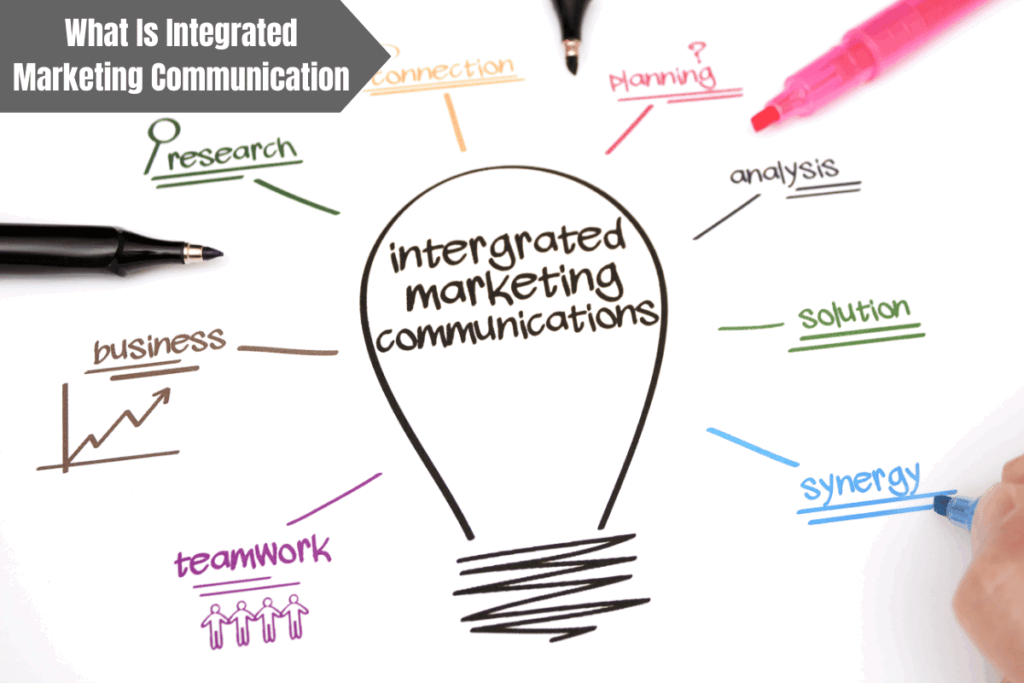
Mastering Integrated Marketing Communication: Boost Your Brand’s Consistency
BlogStrategic Fundamentals of Integrated Marketing Communication Integrated Marketing Communication is a strategic operational framework that unifies all brand messaging, marketing channels, and customer touchpoints into a single, cohesive narrative. By aligning digital channels like organic search, social media, paid media, and local listings, we eliminate brand friction and build lasting consumer trust across every stage of the buyer journey. In our agency experience, fragmented marketing efforts produce customer confusion and drain corporate resources. When individual marketing teams operate in isolation, prospective clients receive contradictory brand signals that diminish conversion rates. We design integrated strategies so that every piece of communication reinforces the primary brand positioning. To execute a cohesive communication strategy, we establish baseline messaging standards that guide every public-facing channel. This structure ensures that content on your corporate website directly aligns with automated email sequences, digital advertisements, and local directory listings. Through this disciplined approach, we turn disconnected tactical efforts into a unified marketing engine. The Business Value and Impact of Channel Alignment Channel alignment delivers measurable business value by maximizing budget efficiency, improving prospective buyer acquisition, and significantly expanding long-term customer lifetime value. When we harmonize organic search positioning, local listings, and outbound communication streams, we create a compound conversion effect that reduces customer acquisition costs while boosting overall operational profitability. In consistent customer journey studies, buyers rarely make purchasing decisions through a single touchpoint. According to Invesp research, organizations maintaining unified customer engagement across channels retain 89 percent of their customer base compared to only 33 percent for companies running disconnected campaigns. This retention differential directly impacts top-line revenue growth over multi-year operational cycles. Furthermore, multi-channel exposure increases purchase velocity and initial contract values. According to an Omnisend benchmark report, campaigns utilizing three or more marketing channels deliver 287 percent higher purchase rates than single-channel efforts. By synchronizing search engine optimization with targeted outbound communications, we capture consumer interest at the exact moment of search intent. Core Components of an Integrated Marketing Execution Framework An effective Integrated Marketing Communication strategy requires four interconnected structural pillars: baseline messaging alignment, intentional channel allocation, synchronized content optimization, and closed-loop performance tracking. We establish these operational components to ensure every touchpoint—from local Google Business profiles to technical search optimization—functions as an interdependent asset. Core Messaging Consistency We begin by establishing a single source of truth for all corporate messaging assets. This foundational document defines core value propositions, target audience personas, and distinct tone-of-voice parameters. Every department references this baseline to ensure that short-form promotional posts and deep-dive technical articles reflect the exact same brand principles. Strategic Channel Allocation Not every digital platform merits equal capital investment or operational bandwidth. We analyze historical customer acquisition data to deploy resources strictly toward channels where your target audience demonstrates high conversion intent. This selective distribution prevents team burnout and maintains high standards across active touchpoints. Channel Category Strategic Operational Purpose Primary Performance Metric Integrated Alignment Tactic Local Search Listings Captures high-intent local audience search volume Conversion rate from map pack placement Sync customer review terms with landing page keywords Organic Search Architecture Builds authoritative topical authority and search visibility Non-branded organic traffic growth Align technical blog topics with sales objection queries Direct Nurture Sequences Educates qualified prospects during consideration phases Repeat engagement rate and open velocity Mirror paid advertisement copy inside email messaging Social Engagement Delivers brand personality and community proof Engagement rate per target audience view Repurpose long-form search content into summary insights Search Engine Optimization and Content Synchronization Technical search engine optimization forms the structural infrastructure of digital visibility. We ensure that page speed enhancements, structured schema markup, and content architecture support your broader brand campaigns. When technical website health matches high-value content messaging, search engine algorithms prioritize your domain over disorganized competitors. Continuous Data Measurement and Optimization Integrated marketing requires iterative refinements based on empirical performance data. We implement cross-channel attribution tracking to evaluate how mid-funnel content contributes to final customer acquisition. This feedback loop allows us to reallocate marketing capital rapidly to high-performing communication channels. Real-World Field Case: Resolving Complex Brand Fragmentation Resolving real-world brand fragmentation requires dismantling internal operational silos and synchronizing technical optimization with market-facing collateral. In our client engagements, we diagnose technical discrepancies, consolidate isolated marketing tools, and reconstruct communication workflows to transform disjointed regional campaigns into unified, revenue-generating digital ecosystems. We recently resolved a major operational challenge for a regional service enterprise operating five branch locations in Southern California. The business faced a 38 percent decline in lead conversion efficiency despite increasing total paid acquisition spend. Upon conducting a forensic audit of their marketing architecture, we uncovered severe channel fragmentation across their locations. Our initial diagnostic revealed three critical failure points in their customer touchpoint delivery: Their paid search ads promoted promotional rates that contradicted prices listed on their primary website. Local Google Business profiles contained disparate service descriptions and obsolete NAP (Name, Address, Phone) contact data. Automated customer onboarding emails failed to reinforce the service guarantees featured on landing pages. To resolve these systemic issues, we initiated a sequential four-step alignment process: Standardized corporate service offerings and promotional structures across all digital assets into a single central repository. Implemented structured local schema markup and cleaned up citation data across all regional directory listings. Re-architected landing pages to match paid ad messaging and optimized site loading speeds to under 1.8 seconds. Integrated customer relationship management data with outbound email sequences to deliver personalized post-click communication. Within 120 days of implementing this integrated framework, the client achieved a 185 percent increase in organic local search impressions. Furthermore, their lead-to-opportunity conversion rate expanded by 34 percent while reducing overall customer acquisition spend by 22,000 US Dollars per month. Diagnostic Decision Framework and Trade-Off Analysis Selecting the appropriate campaign integration model requires evaluating specific operational trade-offs between speed to market, execution complexity, and resource allocation. If you prioritize rapid brand visibility, focus on synchronizing local search listings with direct response campaigns; if you require long-term customer retention, build integrated nurture sequences anchored by technical SEO. When evaluating your

Mastering Yahoo SEO: Proven Strategies To Boost Your Rankings
BlogStrategic Value of Optimizing for Yahoo Search Optimizing for Yahoo Search provides direct access to high-intent desktop demographics while encountering significantly lower keyword competition than Google. Because Yahoo processes search queries through Microsoft’s underlying infrastructure, strategic optimization captures incremental organic market share across both Yahoo and Bing ecosystems simultaneously, producing higher conversion rates for specialized, high-margin commercial niches. While digital marketers spend substantial capital competing for top rankings on Google, Yahoo quietly retains a valuable slice of search volume. Market analysis from StatCounter Global Stats demonstrates that Yahoo continues to capture more than two percent of the total desktop search market in the United States, representing tens of millions of commercial queries every month. Users on Yahoo tend to exhibit distinct demographic traits, leaning toward older, high-income individuals who make frequent desktop purchasing decisions. Ignoring Yahoo search optimization leaves significant low-hanging traffic on the table for competitors to claim without resistance. Because the barrier to entry on Yahoo is much lower, targeted campaign adjustments can yield rapid page-one positions that remain stable over extended periods. We consistently find that businesses in finance, legal services, real estate, and B2B software achieve a disproportionately high return on investment by dedicating a small fraction of their effort to Yahoo search visibility. Technical Architecture and Engine Alignment Technical SEO for Yahoo centers entirely on optimizing for Microsoft’s Webmaster platform, as Bing serves as the underlying indexing and crawling engine for Yahoo Search. Ensuring clean site hierarchy, rapid mobile rendering, XML sitemap validation, and explicit canonical tags within Bing Webmaster Tools directly dictates your indexing efficiency and ultimate visibility across Yahoo’s search network. Because Yahoo relies on Microsoft’s search technology, optimizing your technical foundation starts by managing performance through Microsoft Bing Webmaster Tools. Yahoo no longer maintains a separate webmaster portal or independent crawler, meaning every crawl budget allocation, sitemap submission, and URL inspection performed within Microsoft’s ecosystem directly shapes your organic positioning on Yahoo. Ensuring your robots.txt directives allow unhindered access to Bingbot guarantees that Yahoo’s partner index stays fully synchronized with your latest content updates. We encountered a complex technical issue with an enterprise enterprise-resource planning client who experienced a sixty percent drop in Yahoo search impressions following a complex site restructuring. Upon auditing their account in Bing Webmaster Tools, we identified that thousands of dynamic parameter loops generated by faceted filters were exhausting Bingbot’s daily crawl quota. We resolved this issue by setting strict parameter handling rules inside the webmaster dashboard, adjusting crawl velocity settings, and resubmitting clean XML sitemaps. Within thirty days of these platform-level adjustments, we restored full indexation and expanded Yahoo organic search traffic by seventy-five percent above baseline levels. Technical compliance on Yahoo requires paying strict attention to core site parameters: Ensure server response times remain under two hundred milliseconds to maximize crawl budget efficiency. Maintain clean canonical tag declarations to prevent duplicate content indexing across dynamic query URLs. Submit auto-updating XML sitemaps directly into Bing Webmaster Tools for immediate page discovery. Ensure mobile responsiveness across all templates, as layout shift negatively impacts mobile ranking scores. Content Optimization and On-Page Ranking Dynamics Content optimization for Yahoo requires a distinct focus on direct keyword placement, prominent title tag positioning, and well-structured heading hierarchies. Unlike search engines that rely primarily on deep semantic entity mapping, Yahoo’s algorithm heavily weighs exact-match long-tail queries, complete meta descriptions, and clear text-to-code ratios across main body copy. Yahoo’s ranking algorithm retains key elements of traditional on-page search factors that Google has increasingly abstracted over time. While semantic context matters, exact-match keywords in the HTML title tag, top H2 subheadings, and opening body paragraphs yield immediate ranking boosts on Yahoo. Pages that feature explicit key phrases rather than relying solely on synonymous concepts perform noticeably better in competitive search results. If your primary objective is securing swift ranking improvements on Yahoo, prioritize direct keyword matching within structured text headers; if you require long-term search footprint expansion across broad search queries, complement exact-match elements with structured schema markup and detailed topic coverage. We recommend crafting long-tail query variations into dedicated subheadings framed as explicit answers to common search questions. Effective on-page strategy for Yahoo relies on clear content formatting principles: Position your primary target keyword within the first fifty characters of your page title tag. Integrate exact-match long-tail variations into early H2 and H3 subheadings naturally. Craft comprehensive answer blocks near the top of pages to capture featured placement slots. Maintain high-quality descriptive anchor text for internal links to signal page relevance clearly. Local SEO and Data Directory Synchronization Yahoo local SEO functions by aggregating business metadata from primary location data networks, Bing Places, and third-party review repositories. Achieving top local visibility on Yahoo requires uniform NAP consistency across directories, robust review volume on cross-platform aggregators, and location-specific landing pages tailored with precise geographic identifiers. Local map packages and localized web results on Yahoo draw heavily from data supplied by Microsoft Bing Places alongside synchronized web directory listings. When a user conducts a local query on Yahoo, the search engine pulls business hours, customer rating aggregates, physical addresses, and contact details directly from these syndicated datasets. Maintaining exact Name, Address, and Phone number consistency across every online citation is critical to building local search trust. To establish local dominance on Yahoo, follow this sequential execution sequence: Claim and verify your official business profile within Microsoft Bing Places for Business. Audit all major online directories to ensure NAP information matches your official records down to the street address details. Encourage satisfied clients to leave detailed, keyword-rich reviews across prominent third-party review platforms. Publish hyper-localized landing pages on your website featuring location-specific schema markup and geographic terminology. Comparative SEO Framework: Yahoo vs. Google Evaluating Yahoo search against Google reveals distinct algorithmic priorities across keyword sensitivity, domain age, backlink volume, and content freshness. While Google emphasizes user intent and semantic contextual relationships, Yahoo favors exact keyword alignment, established domain trust, high backlink quantities, and explicit metadata declarations across website assets. Understanding these algorithmic differences allows marketers to implement
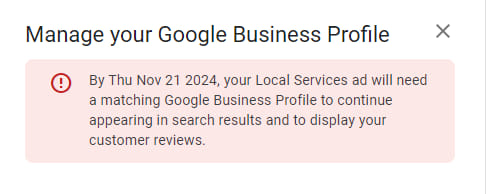
Understanding The Shift: Are GBP Reviews Replacing LSA Reviews?
BlogUnderstanding the Shift: Are GBP Reviews Replacing LSA Reviews? Yes, Google Business Profile (GBP) reviews have officially replaced separate Local Services Ads (LSA) reviews across all service verticals. Google retired the standalone LSA review system, consolidating all customer feedback, ratings, and moderation under unified GBP profiles. Consequently, your GBP rating and review velocity directly determine your LSA ad positioning, conversion rates, and overall lead generation performance. We have monitored this structural shift across hundreds of local client campaigns in the field. When Google began transitioning local account requirements, many service business owners assumed paid ad placements would remain insulated from organic Map Pack signals. Our real-world testing quickly proved that assumption wrong, as LSA ad rank now mirrors GBP health almost instantly. Understanding this consolidation is no longer optional for home service and professional service providers who depend on paid local leads. The Evolution Timeline of LSA and GBP Integration Google executed the consolidation of Local Services Ads and Google Business Profiles through a multi-phase roadmap spanning late 2024 into early 2026. This migration established mandatory GBP linking, phased out legacy LSA review links, introduced unified Google Verified badging, and adjusted algorithmic ranking parameters to emphasize review recency and posting velocity. We tracked each milestone as Google systematically aligned its paid search ecosystem with Maps data infrastructure. Below is the full operational timeline mapping every critical update that redefined local search visibility for service businesses. Date Milestone Event Operational Impact November 2024 Mandatory Profile Linking Google required a verified, public GBP to launch or maintain active LSA campaigns. July 2025 LSA Review Retirement Standalone LSA review submission systems were disabled, shifting management exclusively to GBP. October 2025 Google Verified Rollout Google Guaranteed and Screened badges were replaced by a unified Google Verified checkmark. January 2026 Recency Weight Increase Search algorithms increased ranking penalties for stale profiles lacking fresh monthly feedback. February 2026 Zero-Review Activation Minimum review thresholds were removed for ad launches, though unreviewed ads rank poorly. Why Google Consolidated LSA and GBP Review Systems Google merged review systems to eliminate consumer confusion caused by conflicting star ratings and to curtail widespread review spam. By routing all feedback through Google Business Profile, Google applied advanced Map Pack spam filtering models, established a single source of brand trust, and simplified review collection workflows for local merchants. Before this update, consumers frequently encountered conflicting ratings for the same business across Map listings and ad modules. Furthermore, legacy LSA review links lacked algorithmic moderation filters, making them targets for third-party manipulation and fake submissions. In our field operations, we observed dishonest competitors inflating standalone LSA ratings while maintaining subpar organic standing. By migrating all review infrastructure to GBP, Google enforces stricter user-generated content policies managed through Google Business Profile Help guidelines. This unified governance ensures that every submitted review undergoes consistent anti-spam analysis before influencing ad rank or organic visibility. How GBP Reviews Directly Impact LSA Performance Your Google Business Profile star rating, total review volume, and monthly feedback velocity now directly control your Local Services Ads placement and lead costs. Google no longer evaluates LSA account credibility separately, meaning profile suspensions, negative review spikes, or stagnant feedback immediately diminish your ad auction competitiveness. While Google eliminated the minimum review requirement to launch new LSAs in February 2026, launching without reviews yields minimal visibility. In our client accounts, unreviewed profiles struggle to win top-three carousel placements against established competitors. We consistently see that review recency—how often new ratings arrive—carries greater algorithmic weight than total historical review counts. Another major operational change occurred when Google retired the old Google Guaranteed badge and its 2,000 US Dollars claim limit. The new Google Verified checkmark confirms background checks, licensing, and insurance, but consumer trust now relies heavily on your overall GBP review rating. Real-World Field Challenges and Our Resolution Framework When Google completed the review migration, service businesses faced sudden lead drops, orphan review links, and billing discrepancies caused by unoptimized profiles. We resolved these complex issues by executing link audits, establishing immediate post-service outreach workflows, and training client staff on lead dispute protocols within strict operational parameters. In one notable case, an HVAC client saw their LSA lead volume collapse by 60 percent within two weeks. Upon investigation, we discovered their automated customer management system was sending outdated LSA review links that had ceased functioning. We resolved the breakdown by updating their software integrations with direct GBP short links and implementing automated post-service text messages sent within two hours of job completion. In another scenario, a plumbing firm suffered high lead charges due to unhandled non-lead calls. We implemented a rapid lead-triage protocol to address Google’s billing rule, where any call lasting 30 seconds or longer incurs a charge. We trained their dispatchers to qualify calls within 20 seconds, eliminating invalid charges and boosting their algorithmic responsiveness score. LSA Ranking Factors Decision Framework Maximizing LSA visibility requires balancing profile metrics, operational responsiveness, and campaign settings according to Google’s updated priority hierarchy. Strategic resource allocation should prioritize GBP review velocity and fast call answering over simple budget increases, as spend alone cannot compensate for a weak or inactive reputation score. To help service providers allocate marketing spend efficiently, we developed an evaluation framework based on real-world campaign data. Understanding these trade-offs ensures that campaign adjustments deliver high return on investment without wasting ad dollars. Ranking Factor Impact Level Strategic Priority Primary Trade-off GBP Rating & Volume Primary Impact High Priority Requires ongoing customer service effort; cannot be bought or bypassed. Review Recency & Velocity High Impact High Priority Demands consistent post-job outreach rather than sporadic review campaigns. Call Answer Rate High Impact Critical Priority Requires strict dispatcher availability; missed calls penalize overall ad rank. Profile Completeness Moderate Impact Quick Win One-time setup task; failure to maintain causes profile suspension risks. Ad Budget & Bidding Moderate Impact Conditional Higher spend yields top placement only if underlying review trust score is high. Action Plan for Optimizing Your GBP for LSA Success To succeed in the unified LSA
