Mastering Google Alerts: A Step-by-Step Guide For SEO Success
BlogStrategic Value of Automated Information Retrieval for Search Engine Optimization Automated information retrieval via Google Alerts accelerates link building, competitor tracking, and digital reputation protection by converting search engine indexing into immediate workflow triggers. We rely on this infrastructure to capture unlinked brand mentions, evaluate industry developments, and secure fast backlinks before competitor strategies mature across SERPs. Monitoring modern search engine results pages demands continuous visibility into newly indexed content. Manual site searches consume excessive operational hours and regularly miss time-sensitive PR outreach windows. By establishing automated query triggers, search engine optimization campaigns transition from reactive auditing to proactive equity capture. Unlinked brand mentions represent one of the highest-converting backlink acquisition channels in digital marketing. When an authoritative publication references our corporate identity without an embedded hyperlink, our team receives an instant notification. Reclaiming these equity gaps yields strong conversion rates because the publishing entity has already demonstrated contextual affinity for our brand. Insights from Moz analysis on unlinked brand mentions confirm that converting existing references into live hyperlinks significantly elevates domain authority signals with lower resource expenditure than cold outreach. Continuous competitive surveillance provides vital intelligence on peer publishing schedules, content architecture, and promotional targets. Monitoring competitor brand terms reveals their guest blogging targets, event sponsorships, and media coverage in real time. We utilize these data feeds to reverse-engineer competitor link acquisition pipelines and deploy fast response outreach strategies. Real-World Field Challenges and Practical Solutions Resolving client monitoring failures requires structured boolean query refinements and customized inbox filtering pipelines to eliminate irrelevant notification noise while preserving critical intelligence. We successfully restored campaign efficiency by replacing broad keyword tracking with precise negative parameters and automated triage workflows that prioritize high-authority domain citations. During an enterprise campaign for a national financial services provider, our team encountered severe notification fatigue. The client’s brand name coincided with a common financial accounting term, causing Google Alerts to generate over 1,400 irrelevant daily notification emails. This flood of false positives buried authentic media mentions and caused the internal marketing team to abandon unlinked link building entirely. To resolve this issue, we engineered a complex Boolean exclusion string that isolated the core corporate identity while filtering out generic industry terminology. We combined exact match quotation marks, negative operators for domain names owned by the business, and topical exclusions targeting dictionary definitions. Additionally, we set up email intake filters that automatically sorted inbound notifications into designated priority tiers based on domain metrics. Within two weeks, irrelevant notification volume dropped by 96 percent, allowing our outreach specialists to convert 24 high-authority unlinked brand mentions into follow-dofollow backlinks within the same quarter. In a separate instance involving a fast-growing software company, standard daily digests failed to catch time-sensitive media mentions on high-authority news outlets before competitor outreach flooded the journalists’ inboxes. The delay prevented our client from providing expert commentary or securing link insertions during breaking industry news cycles. We solved this delay by reconfiguring alert delivery mechanisms from standard email digests to real-time RSS feeds integrated into our automated communication platform. We crafted site-specific monitoring strings targeting major tech publications and trade journals. This structural pivot reduced our outreach lead time from 24 hours to under 30 minutes post-indexation. As a direct result, our team secured 18 contextual link insertions in major industry news pieces over a 90-day testing cycle. Strategic Architecture: Configuring Precision Monitoring Configuring precision monitoring demands deploying specific boolean operators, geographic parameters, and targeted delivery schedules to isolate high-value search signals from indexation chatter. We structure this step-by-step setup to guarantee that every incoming notification delivers immediate outreach potential, reputational awareness, or competitive intelligence directly into your operational workflow. To establish a systematic tracking infrastructure, execute the following four setup procedures sequentially: Sign into the alert management dashboard using an enterprise Google account tied to central marketing administration. Input constructed query syntax into the primary search bar, applying exact match operators and negative modifiers. Access advanced settings options to define language criteria, geographic regions, delivery frequency, and source types. Designate the output destination, selecting between targeted email addresses or custom RSS feed endpoints. Step 1: Account Access and Centralized Profile Alignment Establishing centralized account access requires connecting your monitoring configuration directly to dedicated digital marketing management profiles rather than personal email accounts. We enforce this setup to ensure seamless team collaboration, streamline automated message routing, and prevent critical SERP intelligence from getting trapped inside isolated individual communication channels. Centralized access ensures that campaign data remains preserved during staff transitions or agency handoffs. We recommend establishing a unified master marketing account for all webmaster and analytics tools. This architectural consistency allows multiple specialists to review, refine, and audit query performance without creating conflicting duplicate alerts. Step 2: Query Construction and Parameter Selection Constructing high-yield monitoring queries involves combining explicit keyword strings with advanced search operators to filter out noise and target qualified digital assets. We design these search strings using exact match quotes, domain exclusions, and topical restrictors so that only relevant web mentions enter our client review queue. Basic keyword entries generate excessive noise across indexation feeds. By incorporating boolean logic, search marketers isolate genuine brand mentions from broad phrase usage. Detailed documentation published by Search Engine Land reporting on search operators highlights how pairing exact match phrases with minus sign exclusions eliminates redundant indexation data. Step 3: Geographic and Language Segmentation Segmenting alerts by region and language isolates localized ranking signals and filters out non-target search indices across global web properties. We apply geographic filters matching client service boundaries to eliminate off-target international results and focus resources purely on markets that drive measurable conversion value. Local and regional SEO campaigns suffer when international syndicate sites inflate notification counts. Restricting source regions ensures that localized press releases, regional business news, and community blog mentions receive priority triage. This alignment is vital for service-based companies targeting specific municipal or state markets. Step 4: Notification Delivery and Triage Automation Optimizing delivery parameters means selecting appropriate email frequencies or RSS feeds to balance rapid response capability with
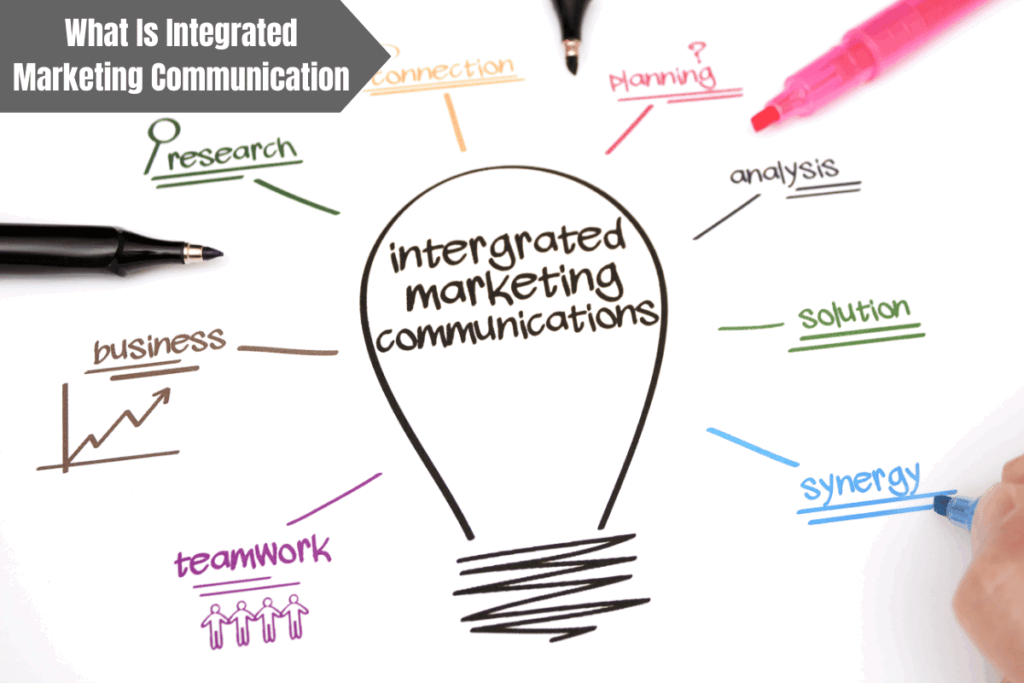
Mastering Integrated Marketing Communication: Boost Your Brand’s Consistency
BlogStrategic Fundamentals of Integrated Marketing Communication Integrated Marketing Communication is a strategic operational framework that unifies all brand messaging, marketing channels, and customer touchpoints into a single, cohesive narrative. By aligning digital channels like organic search, social media, paid media, and local listings, we eliminate brand friction and build lasting consumer trust across every stage of the buyer journey. In our agency experience, fragmented marketing efforts produce customer confusion and drain corporate resources. When individual marketing teams operate in isolation, prospective clients receive contradictory brand signals that diminish conversion rates. We design integrated strategies so that every piece of communication reinforces the primary brand positioning. To execute a cohesive communication strategy, we establish baseline messaging standards that guide every public-facing channel. This structure ensures that content on your corporate website directly aligns with automated email sequences, digital advertisements, and local directory listings. Through this disciplined approach, we turn disconnected tactical efforts into a unified marketing engine. The Business Value and Impact of Channel Alignment Channel alignment delivers measurable business value by maximizing budget efficiency, improving prospective buyer acquisition, and significantly expanding long-term customer lifetime value. When we harmonize organic search positioning, local listings, and outbound communication streams, we create a compound conversion effect that reduces customer acquisition costs while boosting overall operational profitability. In consistent customer journey studies, buyers rarely make purchasing decisions through a single touchpoint. According to Invesp research, organizations maintaining unified customer engagement across channels retain 89 percent of their customer base compared to only 33 percent for companies running disconnected campaigns. This retention differential directly impacts top-line revenue growth over multi-year operational cycles. Furthermore, multi-channel exposure increases purchase velocity and initial contract values. According to an Omnisend benchmark report, campaigns utilizing three or more marketing channels deliver 287 percent higher purchase rates than single-channel efforts. By synchronizing search engine optimization with targeted outbound communications, we capture consumer interest at the exact moment of search intent. Core Components of an Integrated Marketing Execution Framework An effective Integrated Marketing Communication strategy requires four interconnected structural pillars: baseline messaging alignment, intentional channel allocation, synchronized content optimization, and closed-loop performance tracking. We establish these operational components to ensure every touchpoint—from local Google Business profiles to technical search optimization—functions as an interdependent asset. Core Messaging Consistency We begin by establishing a single source of truth for all corporate messaging assets. This foundational document defines core value propositions, target audience personas, and distinct tone-of-voice parameters. Every department references this baseline to ensure that short-form promotional posts and deep-dive technical articles reflect the exact same brand principles. Strategic Channel Allocation Not every digital platform merits equal capital investment or operational bandwidth. We analyze historical customer acquisition data to deploy resources strictly toward channels where your target audience demonstrates high conversion intent. This selective distribution prevents team burnout and maintains high standards across active touchpoints. Channel Category Strategic Operational Purpose Primary Performance Metric Integrated Alignment Tactic Local Search Listings Captures high-intent local audience search volume Conversion rate from map pack placement Sync customer review terms with landing page keywords Organic Search Architecture Builds authoritative topical authority and search visibility Non-branded organic traffic growth Align technical blog topics with sales objection queries Direct Nurture Sequences Educates qualified prospects during consideration phases Repeat engagement rate and open velocity Mirror paid advertisement copy inside email messaging Social Engagement Delivers brand personality and community proof Engagement rate per target audience view Repurpose long-form search content into summary insights Search Engine Optimization and Content Synchronization Technical search engine optimization forms the structural infrastructure of digital visibility. We ensure that page speed enhancements, structured schema markup, and content architecture support your broader brand campaigns. When technical website health matches high-value content messaging, search engine algorithms prioritize your domain over disorganized competitors. Continuous Data Measurement and Optimization Integrated marketing requires iterative refinements based on empirical performance data. We implement cross-channel attribution tracking to evaluate how mid-funnel content contributes to final customer acquisition. This feedback loop allows us to reallocate marketing capital rapidly to high-performing communication channels. Real-World Field Case: Resolving Complex Brand Fragmentation Resolving real-world brand fragmentation requires dismantling internal operational silos and synchronizing technical optimization with market-facing collateral. In our client engagements, we diagnose technical discrepancies, consolidate isolated marketing tools, and reconstruct communication workflows to transform disjointed regional campaigns into unified, revenue-generating digital ecosystems. We recently resolved a major operational challenge for a regional service enterprise operating five branch locations in Southern California. The business faced a 38 percent decline in lead conversion efficiency despite increasing total paid acquisition spend. Upon conducting a forensic audit of their marketing architecture, we uncovered severe channel fragmentation across their locations. Our initial diagnostic revealed three critical failure points in their customer touchpoint delivery: Their paid search ads promoted promotional rates that contradicted prices listed on their primary website. Local Google Business profiles contained disparate service descriptions and obsolete NAP (Name, Address, Phone) contact data. Automated customer onboarding emails failed to reinforce the service guarantees featured on landing pages. To resolve these systemic issues, we initiated a sequential four-step alignment process: Standardized corporate service offerings and promotional structures across all digital assets into a single central repository. Implemented structured local schema markup and cleaned up citation data across all regional directory listings. Re-architected landing pages to match paid ad messaging and optimized site loading speeds to under 1.8 seconds. Integrated customer relationship management data with outbound email sequences to deliver personalized post-click communication. Within 120 days of implementing this integrated framework, the client achieved a 185 percent increase in organic local search impressions. Furthermore, their lead-to-opportunity conversion rate expanded by 34 percent while reducing overall customer acquisition spend by 22,000 US Dollars per month. Diagnostic Decision Framework and Trade-Off Analysis Selecting the appropriate campaign integration model requires evaluating specific operational trade-offs between speed to market, execution complexity, and resource allocation. If you prioritize rapid brand visibility, focus on synchronizing local search listings with direct response campaigns; if you require long-term customer retention, build integrated nurture sequences anchored by technical SEO. When evaluating your