

SEO-Focused CMS Selection: Technical Architectural Frameworks For Higher Search Rankings
BlogArchitectural Evaluation: Monolithic, Decoupled, and Headless CMS Frameworks A content management system serves as the core technical engine determining how search engine crawlers discover, render, and index site architecture. We evaluate platforms across monolithic, decoupled, and headless architectures based on server-side rendering performance, dynamic routing capabilities, backend code access, and execution budgets to ensure unencumbered HTML payload delivery directly to Googlebot. Monolithic CMS Architectural Dynamics Monolithic architecture unifies administrative database management and frontend presentation within a single execution server, streamlining initial setup while introducing performance bottlenecks. According to market telemetry from W3Techs CMS Market Technology Analysis, legacy monolithic engines still power over fifty-eight percent of active websites globally. We observe that unmanaged plugin stacks, excessive database queries, and redundant server execution routinely elevate Time to First Byte past eight hundred milliseconds. These delays restrict crawl efficiency, consume valuable server resource budgets, and degrade real-world Core Web Vitals metrics. Operational characteristics of monolithic infrastructure include: Unified administrative and presentation layers executing within a shared server environment. Direct access to underlying server parameters, dynamic routing tables, and database schemas. Extensive availability of pre-engineered theme templates and automated search optimization extensions. Decoupled CMS Architectural Dynamics Decoupled architecture separates content creation databases from public delivery layers, using specialized application programming interfaces to transmit structured content downstream. This separation grants our engineering teams total control over public edge caching policies, isolating backend database processing from web user traffic and dramatically decreasing initial response times. We utilize decoupled environments to shield database servers from public network queries while delivering rapid static payloads. Isolating frontend execution enables granular resource allocation and protects editorial teams from technical deployment risks. Operational characteristics of decoupled infrastructure include: Independent scaling parameters for backend editorial databases and client presentation networks. Hardened security profiles resulting from complete isolation of backend content nodes. Advanced edge caching distribution capabilities that reduce Time to First Byte measurements. Headless CMS Architectural Dynamics Headless architecture eliminates native presentation components entirely, serving raw structured data via API endpoints to modern frontend JavaScript frameworks. While granting ultimate creative flexibility, headless systems demand deliberate engineering to ensure dynamic metadata injection, XML sitemap generation, structured schema implementation, and server-side rendering for indexation. We implement headless deployments primarily when omni-channel publishing or bespoke frontend interactions take operational priority over off-the-shelf publishing tools. However, without pre-rendering or server-side hydration frameworks, client-side execution risks delivering blank initial HTML packages to search crawlers. Operational characteristics of headless infrastructure include: Complete decoupling of content repositories from client-side execution frameworks. Multi-channel delivery capability across enterprise web applications, mobile interfaces, and digital displays. Mandatory implementation of Server-Side Rendering or Static Site Generation for crawl accessibility. Technical Evaluation Criterion Monolithic Framework Decoupled Framework Headless Framework Server-Side Rendering Execution Native monolithic server rendering Hybrid server-edge execution Requires custom pre-rendering framework Core Web Vitals Optimization Plugin dependent; prone to code bloat High efficiency; cached API distribution Maximum performance via static edge delivery Metadata and Schema Controls Graphic interface inputs Hybrid interface controls Requires custom API schema model mapping Canonical and URL Routing Native routing with plugin extension Managed via application framework layer Fully custom dynamic router configuration Crawl Budget Efficiency Native dynamic sitemaps Advanced API caching layers Fully custom XML engine construction Technical Indexation Requirements for Enterprise Content Management Systems To secure top organic positions, a content management system must natively support robust routing controls, automated schema architecture, rapid rendering speeds, and refined crawl management. Neglecting any of these architectural requirements introduces indexing friction, duplicate content fragmentation, and severe rank volatility across competitive search engine result pages. Clean URL Routing and Canonicalization Controls Clean URL routing requires content management systems to output standardized, human-readable path structures without attaching dynamic database keys or tracking parameters. Modern architectures must enforce self-referencing canonical tags natively across every page template, establishing clear indexation targets and preventing duplicate content dilution during faceted search interactions. We enforce direct administrative access to server-level permanent 301 redirects to mitigate broken links and eliminate canonical mapping loops. Without clean routing, dynamic search parameters generate thousands of duplicate URL variations that waste crawler resources. Key routing capabilities include: Configurable directory sub-paths free of forced system parameters. Automated protocol and domain canonicalization across all template types. Native support for bulk pattern-based permanent 301 redirection rules. Structured Data and Schema Automation Automated schema markup integration ensures search engine crawlers immediately comprehend entity relationships, product details, and organizational structures across complex enterprise digital sites. Enterprise platforms must dynamically bind database fields to JSON-LD markup structures, instantly reflecting editorial modifications without requiring manual page-level code interventions. We mandate that structured data generation adheres strictly to guidelines published within official Google Search Central SEO Starter Guide documentation. Standardized entity mapping unlocks rich snippet displays, driving higher click-through rates across search results. Rendering Efficiency and Core Web Vitals Standards Search engine crawlers require fully rendered HTML payloads to extract text headers, body content, and internal link structures during initial crawl passes. Modern content platforms must automate image formatting, serve modern WebP or AVIF files, set explicit dimensions, and support dynamic caching to satisfy core performance metrics. We analyze rendering performance against standards outlined in Google Web.dev Core Web Vitals Technical Standards to guarantee rapid user responsiveness. Maintaining low server response times ensures search bots crawl deeper directory layers within assigned crawl windows. Critical performance benchmarks include: Largest Contentful Paint achieved within two point five seconds. Interaction to Next Paint maintained below two hundred milliseconds. Cumulative Layout Shift controlled under zero point one units. Crawl Budget and Indexation Control Crawl budget management relies on content management systems producing pristine XML sitemaps that strictly contain indexable, HTTP two hundred status response pages. Platforms must provide granular control over robots parameters, response header directives, and parameter handling to block low-value utility URLs from consuming crawler cycles. We require native administrative controls to apply custom response headers and directive rules across non-indexable utility sections. Isolating search engines from duplicate query pages preserves crawl bandwidth for high-converting commercial assets. Field Resolutions: Case Studies in CMS Architectural Remediation Complex content management system environments
Beauty Business Launch Guide: Turn Cosmetic Concepts Into Profit
How ToStrategic Operational Framework for Beauty Founders Launching a sustainable beauty business requires balancing formulation safety, supply chain resilience, and digital infrastructure from day one. Successful founders build scalable operations by establishing dual-vendor sourcing, maintaining centralized compliance records under federal standards, and creating direct-to-consumer digital channels that withstand fluctuating customer acquisition costs and inventory delays. Building an enduring personal care brand demands aligning creative product design with backend operational stability. Modern beauty consumers systematically evaluate products based on clinical safety, active ingredient efficacy, and complete supply chain transparency. Early operational oversights, such as single-supplier packaging dependencies or incomplete safety dossiers, frequently stall customer fulfillment and prevent retail expansion. During our work with a direct-to-consumer clean cosmetics startup, we encountered severe operational bottlenecks caused by custom packaging lead times exceeding 20 weeks. Furthermore, the company lacked required safety substantiation dossiers under revised regulatory mandates. We resolved these bottlenecks by instituting a dual-vendor packaging strategy, converting primary containers to modular stock components, and creating a centralized regulatory repository. This operational restructuring reduced component lead times by 60 percent while stabilizing stock levels across direct sales and wholesale distribution. Market Niche Selection and Strategic Growth Dynamics Securing profitability in cosmetics requires targeting hyper-specific consumer pain points rather than competing in saturated mass-market categories. Brands achieve higher customer lifetime value by developing science-backed formulations for underserved sub-categories, optimizing digital product discovery, and aligning messaging with clear ingredient transparency rather than relying on generic beauty claims. The global cosmetics sector continues to expand, driven by robust consumer demand for specialized skin and body treatments according to McKinsey & Company market research. Market dynamics favor brands that address clear functional needs over general product benefits: Skincare dominant market share: Skincare represents the largest industry segment, propelled by multifunctional barrier repair treatments and high-potency serums. Clinical and bio-backed demand: Modern shoppers filter products by active ingredient concentrations, prioritizing documented efficacy over vague natural marketing claims. Streamlined routine preferences: Consumers are consolidating complex routines in favor of high-performance SKUs that deliver verified results in fewer steps. Search-driven product discovery: Digital marketplace queries, search engines, and social commerce drive initial brand discovery for modern personal care buyers. When selecting a brand positioning strategy, founders must evaluate key operational trade-offs using conditional decision logic: If you possess limited startup capital and need immediate cash flow, prioritize white-label or private-label manufacturing with standard packaging to minimize upfront R&D costs. If you seek long-term brand defensibility and high gross margins, build proprietary custom formulations and secure exclusive ingredient supply agreements. If you target rapid retail expansion, invest heavily in regulatory safety substantiation dossiers and scalable contract manufacturing capacity prior to commercial launch. Federal Regulatory Compliance and FDA MoCRA Standards Federal regulation of cosmetics mandates mandatory facility registration, complete product ingredient listings, and documented safety substantiation for every personal care SKU. Compliance requires tracking adverse health events, verifying manufacturing standards, and ensuring product marketing claims remain strictly within cosmetic boundaries to prevent reclassification as non-prescription drug products. Federal oversight of personal care items expanded under the Modernization of Cosmetics Regulation Act of 2022. Administered by the U.S. Food and Drug Administration, FDA MoCRA regulations empower authorities to enforce facility registrations, mandate product recalls, and inspect facility safety records. Manufacturing facilities must renew registrations biennially using federal electronic submission portals to retain commercial distribution rights. FDA Regulatory Compliance Matrix Compliance Category Statutory Requirement Execution Timeline Operational Impact Facility Registration Register manufacturing facilities on federal Cosmetics Direct portal Biennial (Every 2 years) Mandatory for commercial distribution; non-compliance halts product sales Product Listings Submit full ingredient list and category codes via Structured Product Labeling Initial launch; update within 60 days of changes Required for each unique SKU formulation in market Adverse Event Logging Maintain records of health incidents and submit serious events to FDA Submit to FDA within 15 business days; retain records 6 years Requires dedicated logging protocols and customer support routing Safety Substantiation Maintain technical dossiers showing safety testing or toxicology reviews Prior to commercial sale Must be backed by clinical trials, stability tests, or safety data sheets Package Disclosures Display domestic contact info and explicit fragrance allergen disclosures Ongoing packaging verification Requires package artwork checks and label reformulations A critical compliance threshold involves ensuring marketing statements do not cross into drug claims. If brand packaging or digital copy asserts that a product treats medical conditions like eczema or alters skin architecture, federal authorities reclassify it as a drug. OTC drug products must adhere to stringent drug Good Manufacturing Practices and monograph active ingredient limits specified under Title 21 of the Code of Federal Regulations. We assisted a botanical skincare founder whose initial marketing promised to cure rosacea and eliminate active acne. Federal regulators flagged the promotional claims, classifying the beauty product line as an unapproved new drug. We restructured the ingredient safety dossier, revised all marketing language to focus on skin beautification, and achieved full compliance without reducing storefront conversion rates. Formulation, Product Testing, and Supply Chain Milestones Developing commercial cosmetic SKUs requires verifying formulation stability, establishing preservative efficacy, and validating primary packaging compatibility before mass manufacturing. Success depends on executing systematic testing protocols to prevent formula separation, microbial growth, or chemical leaching during transportation and retail shelf life. To transition a cosmetic formulation from laboratory development to retail shelves safely, brand owners must follow a sequential testing protocol: Raw material verification: Acquire a Certificate of Analysis and Safety Data Sheet for every active and inactive raw ingredient from primary suppliers. Stability and shelf-life testing: Subject final formulations to 12-week accelerated temperature and humidity trials to verify formula integrity and physical consistency. Preservative efficacy testing: Perform USP 51 microbial challenge testing on all water-containing formulations to guarantee defense against bacterial and fungal contamination. Packaging compatibility testing: Test primary packaging containers directly with active formulations under stress conditions to rule out chemical leaching or mechanical pump failures. Common failure modes in personal care manufacturing include skipping packaging interaction trials and failing to account for minimum order quantities. Substituting primary packaging materials late in production

Organic SEO Services That Win In An AI-First World — The Full Strategy Guide
BlogOrganic SEO services in an AI-first world deliver sustainable online visibility by engineering web assets to rank in traditional search engine results while ensuring active retrieval across generative AI systems. We combine semantic entity mapping, technical optimization, EEAT verification, and digital PR to capture both traditional clicks and generative AI citations. Search algorithms and generative interfaces now evaluate content through direct factual extraction rather than basic keyword counts. To capture qualified pipeline, brands must establish authority across both search engine result pages and conversational AI models. What Organic SEO Means in an AI-Driven Search Ecosystem Organic SEO in an AI-driven ecosystem represents the integrated practice of optimizing web properties for traditional search engine rankings while positioning content for extraction by generative AI platforms. We build content frameworks that satisfy crawlers, pass quality evaluation metrics, and serve as verified references for artificial intelligence answer engines. Our organic search methodologies unite four technical and strategic disciplines into a single operating architecture: Traditional On-Page and Technical Optimization: Structuring site architecture, user intent clusters, crawl paths, and backlink profiles so search engine crawlers index content efficiently. For baseline technical guidelines, reference the official Google Search Central documentation. Local SEO and Geographic Capture: Capturing high-intent prospective buyers by optimizing Google Business Profiles, localized landing assets, geo-targeted schema, and consistent directory citations. AI Overview Optimization: Formatting text into structured, factual answers so search engine retrieval systems parse and display your organization as the primary cited source in summary boxes. Generative Engine Optimization: Engineering entity-rich, authoritative content that Large Language Models—including ChatGPT, Claude, Gemini, and Perplexity—retrieve when users perform complex research queries. Organic search is no longer confined to traditional blue links. It requires becoming the verified, trusted answer across every digital touchpoint where users query information. Why Organic Search Delivers Superior Marketing ROI Organic search delivers superior marketing return on investment by creating compounding digital assets that generate continuous pipeline without recurring ad costs. Unlike paid media campaigns that halt traffic when spending stops, our organic strategy builds defensible domain authority, higher conversion rates, and multi-channel search capture across search engines and generative AI. Market research from Mordor Intelligence values the global search engine optimization services market at 83.98 billion US dollars in 2026, projecting growth to 148.86 billion US dollars by 2031. This capital commitment stems from measurable economic advantages over paid acquisition channels: Compounding Financial Value: Data from First Page Sage demonstrates that B2B SaaS SEO campaigns achieve an average return on investment of 702 percent across a three-year window, maintaining a seven-month break-even timeline. Superior Lead Conversion: Cross-industry conversion benchmarks published by Ruler Analytics show organic search traffic yields an average visitor-to-lead conversion rate of 5.13 percent, compared to lower conversion rates across display and social advertising. Lower Cost Per Acquisition: First Page Sage research indicates that organic SaaS lead generation costs average 147 US dollars per lead, compared to 280 US dollars per lead for paid search campaigns. Defensible Market Share: Paid digital advertising ceases lead generation the instant campaign budgets deplete. In contrast, well-architected organic rankings continue attracting qualified traffic for years after initial publication. In an environment marked by rising pay-per-click costs and audience fragmentation across conversational AI tools, organic search provides a highly sustainable foundation for long-term customer acquisition. The Modern Five-Pillar Organic SEO Framework Our modern organic search framework integrates five core disciplines to achieve complete market dominance across traditional and AI-driven engines. We align content strategy, structured entity mapping, technical site architecture, local geo-intent, and earned media acquisition to ensure maximum discoverability, authority, and user engagement across every digital consumer touchpoint. 1. EEAT-Driven Content Architecture An EEAT-driven content architecture establishes domain authority by structuring web content around verifiable real-world experience, documented subject expertise, industry authority, and fundamental site trust. We implement structured metadata, transparent credentials, and proprietary research to satisfy quality algorithms and ensure content remains protected against search engine core updates. Experience: We integrate primary field research, original industry surveys, documented case studies, and proprietary datasets that automated content tools cannot replicate. Expertise: We build detailed author profile entities, verify credentials, and execute comprehensive topic modeling to signal deep subject mastery to retrieval algorithms. Authoritativeness: We secure contextual editorial mentions, academic citations, and backlink placements from industry institutions to confirm market authority. Trustworthiness: We enforce HTTPS encryption, publish detailed editorial standards, display clear business disclosures, and manage reputation signals to maintain user trust. 2. Generative Engine Optimization and AI Overview Strategy Generative Engine Optimization formats content for real-time extraction by Large Language Models and search summary boxes through structured, entity-dense summaries. We organize information into concise answer blocks, implement schema standards, and build explicit topic linkages that position your brand as the primary cited source in conversational AI answers. Concise Answer Blocks: We place clear, direct summaries beneath primary heading structures. This layout mirrors the exact data formats preferred by real-time text extraction systems. Entity Linkage Mapping: We map content explicitly around recognized entities, technical standards, and geographic concepts, allowing AI systems to understand relationships without ambiguity. Structured Data Implementation: We deploy comprehensive JSON-LD markup adhering directly to Schema.org standard vocabulary specifications for Articles, FAQs, Local Businesses, and Products. Citation-Ready Publishing: We structure editorial author credentials and institutional profile pages to satisfy trust evaluations during automated web retrieval. 3. Technical Engineering and Performance Standards Technical engineering ensures search crawlers and AI bots can discover, render, and index site architecture efficiently without encountering rendering barriers or crawl limits. We optimize Core Web Vitals performance, implement server-side rendering for JavaScript, and maintain faultless crawl paths to guarantee maximum indexation across all major search networks. Core Web Vitals Targets: We optimize front-end assets to maintain Largest Contentful Paint under 2.5 seconds, Interaction to Next Paint under 200 milliseconds, and Cumulative Layout Shift below 0.1. Mobile Rendering Optimization: We build responsive, lightweight page templates that deliver complete parity between desktop and mobile environments, catering to mobile-first indexing standards. JavaScript Hydration and Crawl Efficiency: We implement hybrid server-side rendering pipelines, streamlined XML sitemaps, and optimized clean headers so search crawlers

Understanding Event Count In Google Analytics: Boost Your Website’s Performance
BlogCore Fundamentals of Event Count in Google Analytics 4 Event count in Google Analytics 4 serves as the primary metric tracking every aggregate user interaction across a web property, ranging from automated page views to custom conversion triggers. Unlike legacy session-centric architecture, this event-driven framework consolidates all digital activity into a unified quantitative baseline, enabling analytics teams to systematically diagnose behavioral depth and platform traffic loads. In our enterprise analytics implementations, we treat the event count metric as the foundation of digital performance evaluation. Every time a user interacts with a page element, triggers a media player, or submits a lead generation form, Google Analytics 4 captures that action as an individual event. This granular collection model replaces older hit-type paradigms with a flexible payload structure where each event carries contextual parameters. By analyzing overall event counts over specific date ranges, we establish baseline interaction volumes and identify macro behavioral trends across marketing channels. However, evaluating raw event volume requires an understanding of how data streams parse incoming telemetry payloads. Without structural parameter filtering, an unvalidated surge in aggregate count can reflect technical tag loops rather than organic engagement growth. Categorizing Event Types and Data Collection Pipelines Categorizing event types within Google Analytics 4 requires evaluating four distinct operational pipelines: automatically collected, enhanced measurement, recommended, and custom events. This taxonomy establishes clean reporting structures while preventing property limit exhaustion, ensuring that high-volume automated telemetry never compromises custom business parameter governance across dynamic web applications. To build scalable measurement architectures, we separate event collection into standardized functional streams. Automatically collected events fire natively upon installing the Google Tag, recording foundational metrics such as session initiation and first visits without manual tag configuration. Enhanced measurement functions allow us to toggle automated tracking for page views, vertical scrolls, outbound link clicks, internal site search execution, and file downloads directly in the stream administration menu. When business requirements demand tracking industry-specific user journeys, we deploy recommended events defined in official Google Analytics Event Documentation. These standardized schemas, such as purchase or generate_lead, unlock automated funnel modeling in platform reports. For unique organizational workflows that fall outside standard schemas, we engineer custom events through tag management rules and bespoke parameters. Automatically Collected Events: Captured by default upon script deployment, including session_start, first_visit, and user_engagement. Enhanced Measurement Events: Managed via data stream toggles, covering page_view, scroll, click, view_search_results, video_start, and file_download. Recommended Events: Vertically aligned standardized actions requiring tag setup, such as purchase, begin_checkout, and generate_lead. Custom Events: Proprietary user interactions engineered using custom event names and bespoke key-value parameters. Event Category Data Collection Method Typical Trigger Conditions Primary Metric Application Automatically Collected Native platform runtime script execution Page initialization, application foregrounding, session creation Baseline user volume and initial engagement tracking Enhanced Measurement Administrative toggles in stream settings 90 percent vertical page scroll, outbound clicks, file downloads Automated interaction tracking without custom tag deployment Recommended Standardized parameter tags via tag management E-commerce checkout progression, user login, lead forms Standardized conversion funnels and vertical benchmarking Custom Manual script triggers or custom tag manager rules Multi-step dynamic widget interaction, tool usage Granular feature engagement and proprietary workflow tracking Strategic Metric Evaluation: Event Count vs. Related Dimensions Evaluating raw event counts in isolation creates dangerous analytical blind spots because aggregate volume spikes can reflect either elevated user engagement or severe technical tracking anomalies. Combining event counts with relative user ratios, session benchmarks, and key conversion events provides the necessary contextual logic to distinguish actual business growth from payload redundancy. When we audit client reporting properties, we frequently discover that high event counts mask critical platform inefficiencies. For instance, a high event total driven entirely by rapid page refresh actions or repeated media playback triggers fails to translate into meaningful financial impact. We rely on normalized ratios to evaluate whether engagement depth per user is truly improving over time. We examine event count per user alongside total active users to determine user engagement density. If our total event count increases while event count per user drops, overall traffic volume is growing while individual interaction depth is declining. For official reporting standards on custom dimensions, we consult the Google Developers Event Reference. Metric Name Calculation / Logic Operational Focus Strategic Value Event Count Total sum of fired events across a scope Macro activity volume quantification Identifies aggregate server loads and global usage patterns Event Count per User Total event count divided by active users Normalized depth of interaction per visitor Evaluates content stickiness and feature adoption depth Sessions Total distinct visits with active engagement Baseline traffic volume estimation Serves as the fundamental denominator for channel efficiency Key Events Designated events flagged as critical business actions Conversion milestone completion tracking Measures marketing ROI and business performance Technical Case Studies: Resolving Enterprise Measurement Bottlenecks Resolving enterprise measurement bottlenecks requires systematic technical diagnostics to isolate tracking friction, eliminate synthetic event multiplication, and restore cross-domain attribution continuity. Our enterprise field engagements demonstrate that structural tag misconfigurations frequently distort executive dashboards, necessitating custom listener pipelines and server-side validation to re-establish verified data integrity. Resolving Single-Page Application Event Inflation Single-page application event inflation occurs when client-side routing mechanisms fail to re-initialize document window states, causing legacy DOM listeners to execute redundantly across virtual route shifts. Disabling automated triggers in favor of customized script containers resets scroll tracking arrays dynamically, ensuring that event firing rates accurately reflect actual user content interaction. On a large enterprise React application client site, we identified a critical bug where enhanced measurement scroll events multiplied during internal client-side navigation. Because virtual route changes updated page content without performing full document window reloads, event listeners attached to the DOM remained active across multiple view transitions. Consequently, a single user scroll action triggered up to five duplicate scroll events, artificially inflating total scroll event counts by 420 percent. We resolved this structural defect by turning off native enhanced measurement scroll tracking and constructing a custom listener architecture inside Google Tag Manager. We established custom history change triggers to flush legacy event listeners whenever virtual

Unlock Your Business Potential: The Power Of Google Performance Planner
BlogWhy Modern Business Growth Requires Data-Driven Ad Forecasting Google Ads Performance Planner transforms financial allocation from speculative guessing into an algorithmic forecasting exercise. By modeling auction dynamics and evaluating search patterns, this tool enables organizations to evaluate prospective conversion changes, return on ad spend shifts, and acquisition costs before risking capital across digital campaigns. Relying on manual spreadsheets or historical intuition introduces unnecessary financial liabilities into modern pay-per-click management. In our enterprise management practice, we regularly encounter organizations allocating tens of thousands of US dollars monthly without a clear model of how incremental budget changes influence final conversion volume. Algorithmic modeling mitigates financial waste by predicting performance fluctuations before account parameters are modified. Using predictive analytics creates transparency, allowing leadership teams to validate marketing investments through projected financial return metrics. Data-driven forecasting eliminates reliance on legacy static spreadsheets and arbitrary spending decisions. Algorithmic modeling mitigates financial waste by projecting conversion fluctuations prior to budget commitment. Multi-scenario simulation allows marketing executives to justify budget allocations to executive leadership with projected return on investment metrics. How Google Performance Planner Works Behind the Scenes Google Performance Planner utilizes historical account data, machine learning algorithms, and live auction simulations to model future advertising performance. Rather than using static calculations, it recalculates auction environments from preceding periods while integrating global search trend shifts and continuous network conversion latency models. The core engine driving Performance Planner simulates relevant ad auctions from the preceding 7 to 10 days. According to official guidelines published in the Google Ads Help Center, these models integrate real-time bid landscapes, competitor impression shares, and localized search query dynamic fluctuations. Predictive calculations incorporate seasonal variations and historical industry trends across global search volume profiles. The platform also factors in conversion delay metrics, ensuring long-cycle sales funnels account for the exact time lag between initial ad clicks and finalized transaction records. Key mechanisms driving Performance Planner include: Auction Simulation Engine: The system models relevant ad auctions across preceding active periods, analyzing bid landscapes and keyword query dynamics. Continuous Network Query Processing: Predictions incorporate broad network search trends refreshed daily to reflect underlying market shifts. Automated Seasonality Adjustment: Machine learning models evaluate historic seasonal peaks, holiday periods, and demand cycles to calibrate conversion projections. Conversion Delay Modeling: Algorithms calculate average time lags between initial clicks and conversion logging, establishing realistic sales funnel timelines. Campaign Eligibility Requirements and Supported Bid Strategies Performance Planner requires active campaigns to meet specific structural and historical data parameters before generating reliable forecasts. Eligible campaigns must maintain active conversion tracking, demonstrate consistent historical spending history, and operate without recent disruptive bid strategy modifications during preceding operational windows. Campaigns limited by aggressive budget caps or those undergoing strategy shifts within the past 10 days are flagged as temporarily ineligible. Evaluating eligibility requirements ensures that predictive models rely on stable historical baselines rather than volatile statistical noise. If you need immediate short-term forecasting on stable campaigns, prioritize Search and Performance Max networks; if you require cross-channel awareness tracking, pair your performance plans with specialized reach modeling. The following operational matrix details campaign prerequisites and supported bidding configurations: Campaign Type Supported Bid Strategies Eligibility Requirements Operational Capability Search Campaigns Target CPA, Target ROAS, Maximize Conversions, Maximize Clicks, Manual CPC Active for at least 7 days; minimum 3 conversions in last 30 days; minimum 10 impressions Full forecasting for clicks, spend, conversions, and target CPA adjustments Standard Shopping Target ROAS, Maximize Clicks, Manual CPC Active conversion tracking; continuous historic spending history Full forecasting for retail yield optimization Performance Max Target CPA, Target ROAS, Maximize Conversions, Maximize Conversion Value Sufficient conversion history; active audience signal integration Comprehensive cross-channel forecasting across Search, Discover, YouTube, and Maps Demand Gen Target CPA, Maximize Conversions Active conversion tracking; minimum impression and click thresholds met Multi-format image and video action campaign planning Performance Planner versus Third-Party Prediction Tools Google Performance Planner offers a direct structural advantage over third-party analytics tools because it operates directly on native first-party Google Ads auction infrastructure. External software relies on indirect third-party scrapers and estimated data models, whereas Google models real-time auction telemetry and first-party search query behavior. Third-party platforms frequently charge recurring monthly subscription costs ranging from 50 US dollars to over 500 US dollars per account. In contrast, Google provides Performance Planner as a native feature within the platform interface at no additional cost. Native auction access ensures conversion goals and custom tracking definitions remain aligned with live account architecture. Furthermore, automated seasonality calculations draw directly from Google search volume, removing manual spreadsheet corrections. Feature / Capability Google Performance Planner Third-Party Predictive Software Primary Data Source Direct first-party Google Ads auction infrastructure Estimated third-party scraper and proxy data Operational Cost Free native tool within Google Ads interface Monthly subscription fees from 50 US dollars to 500 US dollars Seasonality Tracking Automated via global search network trend signals Manual input required or basic historical moving averages Conversion Goal Alignment Custom filtering by specific primary conversion actions Aggregates disparate conversion types indiscriminately Budget Allocation Automated budget shifting recommendations across campaigns Requires manual scenario mapping across custom spreadsheets Strategic Integration: Uniting Paid PPC Forecasting with Organic SEO Uniting paid search forecasting with organic search engine optimization eliminates keyword cannibalization and maximizes total search engine visibility. By analyzing Performance Planner forecasts alongside organic ranking assets, organizations can reallocate paid capital away from top-ranking organic keywords toward underperforming commercial search terms. Paid advertising and organic optimization should function as unified channels within a holistic search engine strategy. According to technical documentation found on Google Search Central, search engines prioritize high-quality, comprehensive content structures that serve genuine user search intent. When organic listings secure top-ranking positions for high-intent queries, Performance Planner allows us to simulate bid reductions on those specific keywords. We can then reallocate capital to competitive terms where our organic reach remains limited. Preventing Keyword Cannibalization: Reallocate paid ad spend away from keywords where your brand already dominates organic results. Conversion Rate Optimization Alignment: Factor improved organic landing page conversion baselines directly into Performance Planner to project
Effective Strategies To Find Someone’s Address Using Google
BlogAdvanced Search Operator Strings for Locating Addresses Precision address discovery through Google requires structured search strings that filter indexed unstructured web data, combining target names with geographic parameters and file extensions. We leverage exact-match quotes, domain operators, and document filters to isolate physical address mentions from thousands of cluttered web records quickly and reliably. Standard keyword searches frequently clutter results with irrelevant social media profiles and unrelated namesakes. By implementing precise syntax commands, we strip away low-value index entries and target indexed contact pages, PDF filings, and municipal registries directly. To systematically build an effective location search string, follow these sequential steps: Enclose the target individual or corporate name in exact-match quotation marks to prevent synonym matching. Append known geographic anchors such as city names, postal codes, or former street names separated by addition operators. Apply negative parameters to exclude social networking domains and data broker directories that generate false positives. Target explicit document formats like PDF or DOCX using file type commands to unearth official filings, meeting minutes, or invoices. For example, combining exact target phrasing with targeted extensions focuses the search engine on structural document data. This methodology yields clear location footprints that basic search bar inputs routinely miss. Public Records and Domain Intelligence Cross-Referencing Cross-referencing indexed data across municipal databases, corporate registries, and domain registration archives unlocks verified postal addresses when standard web queries fail. By evaluating indexed public filings and cached web records, we trace entity physical footprints while adhering strictly to legal compliance standards and privacy regulations. In a complex digital investigation, we encountered an offshore entity that intentionally obscured its physical address behind proxy services and vague contact forms. We resolved this by executing advanced site-specific search parameters targeting regional government business registries alongside cached PDF disclosures. This query string surfaced an archived corporate registration document containing the verified physical headquarters address, enabling full legal service of process. Commercial entity searches benefit significantly from domain infrastructure historical records. Public web archives frequently store older iterations of contact pages that contained physical addresses prior to corporate redesigns or intentional removals. By correlating historic domain ownership records with state secretary of state filings, we construct verified location chronologies. This multi-layered approach ensures high data confidence without purchasing unverified third-party records. Legal and Regulatory Compliance in Address Discovery Locating individuals or commercial entities through open-source search operators must comply strictly with state privacy laws and federal regulations. While gathering publicly indexed information on Google is lawful, utilizing obtained location data for background screening or commercial evaluations requires compliance with the Fair Credit Reporting Act. The Federal Trade Commission actively enforces data privacy standards regarding how consumer records are harvested and utilized. Gathering location data for personal correspondence, direct marketing, or legal notification is generally unrestricted when sourced from open public indexation. Common compliance failure modes occur when open-source search findings are repurposed for tenant screening or employment eligibility. Using non-certified public data sources for credit or hiring evaluations exposes organizations to severe legal liability. We establish strict operational boundaries to differentiate between open-source web intelligence gathering and regulated consumer reporting. Respecting digital privacy opt-out requests and published removal protocols maintains operational compliance across all search activities. Trade-Off Analysis of Address Retrieval Methodologies Choosing between free search engine operators, paid public database aggregators, and manual municipal document requests involves distinct trade-offs between cost, accuracy, and legal liability. We analyze these methodologies to establish clear decision pathways based on operational requirements, data recency, and compliance standards. Method Data Accuracy Recency Cost Risk and Compliance Impact Google Advanced Search Operators High for active entities, Moderate for individuals Dependent on indexation frequency 0 US dollars Low risk; strictly open-source public data Paid Data Broker Aggregators Moderate; frequent legacy address clutter Variable; often aggregates stale records 15 to 50 US dollars per report Moderate risk; requires FCRA compliance for credit or tenant uses Municipal and State Registries Very High; official government filings High; updated upon regulatory filing 0 to 25 US dollars per record request Zero risk; official public domain records Free open-source search strategies provide immediate access without financial outlay, but they demand manual verification against secondary sources. Data brokers deliver instant aggregated profiles, yet they frequently present outdated historical address histories as current locations. Direct municipal record requests yield the highest accuracy for property ownership and business registration. However, municipal queries require longer processing times and may incur small administrative fees in US dollars. Decision Framework for Unlocatable Addresses When standard Google queries yield incomplete or conflicting location data, an iterative decision framework prevents dead ends and compliance violations. We apply conditional logic based on entity classification, online footprints, and privacy opt-outs to determine the optimal secondary retrieval pathway. If searching for an individual with a common name, prioritize middle initials, former employers, and specific postal codes within exact-match search strings. If searching for a registered business entity, bypass general web search and target state Secretary of State corporate registration databases using domain-restricted operators. If search operator results display redacted or opted-out entries, cross-reference historical web archive caches for prior regulatory filings. If the target individual has active privacy protection orders, immediately halt open-source intelligence efforts to ensure strict adherence to state harassment and safety statutes. This conditional framework prevents wasted resources on unpromising search vectors. Systematically applying these logic gates preserves analytical integrity and ensures legal compliance throughout the investigation. Frequently Asked Questions Is using Google to find someone’s physical address legal? Finding a physical address using Google is fully legal if the information is publicly indexed and used for non-harassing, lawful purposes. However, using that location data for employment, tenant screening, or credit evaluation falls under statutory oversight and requires compliant consumer reporting channels. What are the most effective Google search operators for finding addresses? The most effective search operators for finding addresses are exact-match quotes paired with geographic keywords and site-specific modifiers. According to guidelines on Google Search Central documentation, operators like file type filters and exact phrase matching refine unstructured queries into actionable records. How

Mastering Integrated Marketing Communication: Boost Your Brand’s Consistency
BlogStrategic Fundamentals of Integrated Marketing Communication Integrated Marketing Communication is a strategic operational framework that unifies all brand messaging, marketing channels, and customer touchpoints into a single, cohesive narrative. By aligning digital channels like organic search, social media, paid media, and local listings, we eliminate brand friction and build lasting consumer trust across every stage of the buyer journey. In our agency experience, fragmented marketing efforts produce customer confusion and drain corporate resources. When individual marketing teams operate in isolation, prospective clients receive contradictory brand signals that diminish conversion rates. We design integrated strategies so that every piece of communication reinforces the primary brand positioning. To execute a cohesive communication strategy, we establish baseline messaging standards that guide every public-facing channel. This structure ensures that content on your corporate website directly aligns with automated email sequences, digital advertisements, and local directory listings. Through this disciplined approach, we turn disconnected tactical efforts into a unified marketing engine. The Business Value and Impact of Channel Alignment Channel alignment delivers measurable business value by maximizing budget efficiency, improving prospective buyer acquisition, and significantly expanding long-term customer lifetime value. When we harmonize organic search positioning, local listings, and outbound communication streams, we create a compound conversion effect that reduces customer acquisition costs while boosting overall operational profitability. In consistent customer journey studies, buyers rarely make purchasing decisions through a single touchpoint. According to Invesp research, organizations maintaining unified customer engagement across channels retain 89 percent of their customer base compared to only 33 percent for companies running disconnected campaigns. This retention differential directly impacts top-line revenue growth over multi-year operational cycles. Furthermore, multi-channel exposure increases purchase velocity and initial contract values. According to an Omnisend benchmark report, campaigns utilizing three or more marketing channels deliver 287 percent higher purchase rates than single-channel efforts. By synchronizing search engine optimization with targeted outbound communications, we capture consumer interest at the exact moment of search intent. Core Components of an Integrated Marketing Execution Framework An effective Integrated Marketing Communication strategy requires four interconnected structural pillars: baseline messaging alignment, intentional channel allocation, synchronized content optimization, and closed-loop performance tracking. We establish these operational components to ensure every touchpoint—from local Google Business profiles to technical search optimization—functions as an interdependent asset. Core Messaging Consistency We begin by establishing a single source of truth for all corporate messaging assets. This foundational document defines core value propositions, target audience personas, and distinct tone-of-voice parameters. Every department references this baseline to ensure that short-form promotional posts and deep-dive technical articles reflect the exact same brand principles. Strategic Channel Allocation Not every digital platform merits equal capital investment or operational bandwidth. We analyze historical customer acquisition data to deploy resources strictly toward channels where your target audience demonstrates high conversion intent. This selective distribution prevents team burnout and maintains high standards across active touchpoints. Channel Category Strategic Operational Purpose Primary Performance Metric Integrated Alignment Tactic Local Search Listings Captures high-intent local audience search volume Conversion rate from map pack placement Sync customer review terms with landing page keywords Organic Search Architecture Builds authoritative topical authority and search visibility Non-branded organic traffic growth Align technical blog topics with sales objection queries Direct Nurture Sequences Educates qualified prospects during consideration phases Repeat engagement rate and open velocity Mirror paid advertisement copy inside email messaging Social Engagement Delivers brand personality and community proof Engagement rate per target audience view Repurpose long-form search content into summary insights Search Engine Optimization and Content Synchronization Technical search engine optimization forms the structural infrastructure of digital visibility. We ensure that page speed enhancements, structured schema markup, and content architecture support your broader brand campaigns. When technical website health matches high-value content messaging, search engine algorithms prioritize your domain over disorganized competitors. Continuous Data Measurement and Optimization Integrated marketing requires iterative refinements based on empirical performance data. We implement cross-channel attribution tracking to evaluate how mid-funnel content contributes to final customer acquisition. This feedback loop allows us to reallocate marketing capital rapidly to high-performing communication channels. Real-World Field Case: Resolving Complex Brand Fragmentation Resolving real-world brand fragmentation requires dismantling internal operational silos and synchronizing technical optimization with market-facing collateral. In our client engagements, we diagnose technical discrepancies, consolidate isolated marketing tools, and reconstruct communication workflows to transform disjointed regional campaigns into unified, revenue-generating digital ecosystems. We recently resolved a major operational challenge for a regional service enterprise operating five branch locations in Southern California. The business faced a 38 percent decline in lead conversion efficiency despite increasing total paid acquisition spend. Upon conducting a forensic audit of their marketing architecture, we uncovered severe channel fragmentation across their locations. Our initial diagnostic revealed three critical failure points in their customer touchpoint delivery: Their paid search ads promoted promotional rates that contradicted prices listed on their primary website. Local Google Business profiles contained disparate service descriptions and obsolete NAP (Name, Address, Phone) contact data. Automated customer onboarding emails failed to reinforce the service guarantees featured on landing pages. To resolve these systemic issues, we initiated a sequential four-step alignment process: Standardized corporate service offerings and promotional structures across all digital assets into a single central repository. Implemented structured local schema markup and cleaned up citation data across all regional directory listings. Re-architected landing pages to match paid ad messaging and optimized site loading speeds to under 1.8 seconds. Integrated customer relationship management data with outbound email sequences to deliver personalized post-click communication. Within 120 days of implementing this integrated framework, the client achieved a 185 percent increase in organic local search impressions. Furthermore, their lead-to-opportunity conversion rate expanded by 34 percent while reducing overall customer acquisition spend by 22,000 US Dollars per month. Diagnostic Decision Framework and Trade-Off Analysis Selecting the appropriate campaign integration model requires evaluating specific operational trade-offs between speed to market, execution complexity, and resource allocation. If you prioritize rapid brand visibility, focus on synchronizing local search listings with direct response campaigns; if you require long-term customer retention, build integrated nurture sequences anchored by technical SEO. When evaluating your
Understanding The Shift: Are GBP Reviews Replacing LSA Reviews?
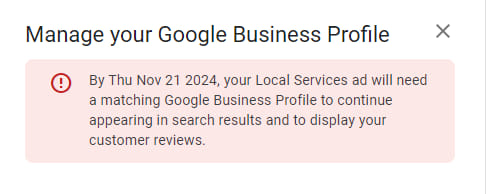
BlogUnderstanding the Shift: Are GBP Reviews Replacing LSA Reviews? Yes, Google Business Profile (GBP) reviews have officially replaced separate Local Services Ads (LSA) reviews across all service verticals. Google retired the standalone LSA review system, consolidating all customer feedback, ratings, and moderation under unified GBP profiles. Consequently, your GBP rating and review velocity directly determine your LSA ad positioning, conversion rates, and overall lead generation performance. We have monitored this structural shift across hundreds of local client campaigns in the field. When Google began transitioning local account requirements, many service business owners assumed paid ad placements would remain insulated from organic Map Pack signals. Our real-world testing quickly proved that assumption wrong, as LSA ad rank now mirrors GBP health almost instantly. Understanding this consolidation is no longer optional for home service and professional service providers who depend on paid local leads. The Evolution Timeline of LSA and GBP Integration Google executed the consolidation of Local Services Ads and Google Business Profiles through a multi-phase roadmap spanning late 2024 into early 2026. This migration established mandatory GBP linking, phased out legacy LSA review links, introduced unified Google Verified badging, and adjusted algorithmic ranking parameters to emphasize review recency and posting velocity. We tracked each milestone as Google systematically aligned its paid search ecosystem with Maps data infrastructure. Below is the full operational timeline mapping every critical update that redefined local search visibility for service businesses. Date Milestone Event Operational Impact November 2024 Mandatory Profile Linking Google required a verified, public GBP to launch or maintain active LSA campaigns. July 2025 LSA Review Retirement Standalone LSA review submission systems were disabled, shifting management exclusively to GBP. October 2025 Google Verified Rollout Google Guaranteed and Screened badges were replaced by a unified Google Verified checkmark. January 2026 Recency Weight Increase Search algorithms increased ranking penalties for stale profiles lacking fresh monthly feedback. February 2026 Zero-Review Activation Minimum review thresholds were removed for ad launches, though unreviewed ads rank poorly. Why Google Consolidated LSA and GBP Review Systems Google merged review systems to eliminate consumer confusion caused by conflicting star ratings and to curtail widespread review spam. By routing all feedback through Google Business Profile, Google applied advanced Map Pack spam filtering models, established a single source of brand trust, and simplified review collection workflows for local merchants. Before this update, consumers frequently encountered conflicting ratings for the same business across Map listings and ad modules. Furthermore, legacy LSA review links lacked algorithmic moderation filters, making them targets for third-party manipulation and fake submissions. In our field operations, we observed dishonest competitors inflating standalone LSA ratings while maintaining subpar organic standing. By migrating all review infrastructure to GBP, Google enforces stricter user-generated content policies managed through Google Business Profile Help guidelines. This unified governance ensures that every submitted review undergoes consistent anti-spam analysis before influencing ad rank or organic visibility. How GBP Reviews Directly Impact LSA Performance Your Google Business Profile star rating, total review volume, and monthly feedback velocity now directly control your Local Services Ads placement and lead costs. Google no longer evaluates LSA account credibility separately, meaning profile suspensions, negative review spikes, or stagnant feedback immediately diminish your ad auction competitiveness. While Google eliminated the minimum review requirement to launch new LSAs in February 2026, launching without reviews yields minimal visibility. In our client accounts, unreviewed profiles struggle to win top-three carousel placements against established competitors. We consistently see that review recency—how often new ratings arrive—carries greater algorithmic weight than total historical review counts. Another major operational change occurred when Google retired the old Google Guaranteed badge and its 2,000 US Dollars claim limit. The new Google Verified checkmark confirms background checks, licensing, and insurance, but consumer trust now relies heavily on your overall GBP review rating. Real-World Field Challenges and Our Resolution Framework When Google completed the review migration, service businesses faced sudden lead drops, orphan review links, and billing discrepancies caused by unoptimized profiles. We resolved these complex issues by executing link audits, establishing immediate post-service outreach workflows, and training client staff on lead dispute protocols within strict operational parameters. In one notable case, an HVAC client saw their LSA lead volume collapse by 60 percent within two weeks. Upon investigation, we discovered their automated customer management system was sending outdated LSA review links that had ceased functioning. We resolved the breakdown by updating their software integrations with direct GBP short links and implementing automated post-service text messages sent within two hours of job completion. In another scenario, a plumbing firm suffered high lead charges due to unhandled non-lead calls. We implemented a rapid lead-triage protocol to address Google’s billing rule, where any call lasting 30 seconds or longer incurs a charge. We trained their dispatchers to qualify calls within 20 seconds, eliminating invalid charges and boosting their algorithmic responsiveness score. LSA Ranking Factors Decision Framework Maximizing LSA visibility requires balancing profile metrics, operational responsiveness, and campaign settings according to Google’s updated priority hierarchy. Strategic resource allocation should prioritize GBP review velocity and fast call answering over simple budget increases, as spend alone cannot compensate for a weak or inactive reputation score. To help service providers allocate marketing spend efficiently, we developed an evaluation framework based on real-world campaign data. Understanding these trade-offs ensures that campaign adjustments deliver high return on investment without wasting ad dollars. Ranking Factor Impact Level Strategic Priority Primary Trade-off GBP Rating & Volume Primary Impact High Priority Requires ongoing customer service effort; cannot be bought or bypassed. Review Recency & Velocity High Impact High Priority Demands consistent post-job outreach rather than sporadic review campaigns. Call Answer Rate High Impact Critical Priority Requires strict dispatcher availability; missed calls penalize overall ad rank. Profile Completeness Moderate Impact Quick Win One-time setup task; failure to maintain causes profile suspension risks. Ad Budget & Bidding Moderate Impact Conditional Higher spend yields top placement only if underlying review trust score is high. Action Plan for Optimizing Your GBP for LSA Success To succeed in the unified LSA
