Top 5 SEO-Friendly Website Builders For : Boost Your Rankings
BlogTop 5 SEO-Friendly Website Builders: Technical Benchmarks and Architectural Performance Analysis The Evolution of Content Management Systems and Search Engine Visibility Selecting a website builder was once a simple choice between visual template designs and basic content editing capabilities. Modern search engine architecture directly evaluates server response times, Document Object Model (DOM) depth, execution efficiency of client-side JavaScript, and rendering stability. Platform architecture dictates organic search performance because crawling engines process pages through complex rendering pipelines before indexing content. Building a web presence that ranks consistently requires a content management system (CMS) that yields optimized code, clean header responses, and granular technical control. In our technical agency work, we analyze how different content management systems process server requests, compile frontend assets, and handle script execution. Platform selection creates either an architectural advantage or an artificial ceiling on search engine visibility. A platform that blocks server-level modifications or injects heavy third-party script bundles directly hinders crawling efficiency and user experience metrics. Understanding the technical mechanics of each platform allows organizations to align CMS capabilities with long-term organic growth, adhering to core guidelines established in the Google Search Central SEO Starter Guide. Essential Technical SEO Criteria for Evaluating Website Builders A technically sound platform must provide foundational SEO mechanics out of the box while permitting custom engineering adjustments. When evaluating website builders for search performance, we audit several core architectural factors: Server-Side Rendering (SSR) efficiency and optimized Document Object Model (DOM) generation. Complete control over meta titles, meta descriptions, canonical URLs, open graph tags, and custom robots.txt directives. Direct alignment with performance benchmarks detailed in the Google Core Web Vitals documentation, specifically Largest Contentful Paint (LCP), Interaction to Next Paint (INP), and Cumulative Layout Shift (CLS). Native or custom deployment of structured JSON-LD data following the Schema.org structured data vocabulary. Flexible URL taxonomy customization, clean subfolder routing, and automated 301 redirect management. Automated XML sitemap compilation with real-time ping signaling to search engine crawlers. Deep Dive: Analysis of the Top 5 SEO-Friendly Website Builders 1. WordPress: Unmatched Customization and Technical Depth WordPress powers over forty percent of active websites and remains the industry standard for complete technical SEO control. Because it is open-source, engineering teams can configure HTTP response headers, alter server caching layers, optimize database queries, and modify core frontend rendering workflows. Technical Advantages: Absolute governance over canonical tag rules, XML sitemap generation, breadcrumb structures, and custom schema configurations via tools like Rank Math or Yoast SEO. Ability to implement Redis object caching, Nginx fastcgi caching, server-level file compression, and global Content Delivery Networks (CDNs). Direct file system access to edit core templates, functions.php logic, server configuration files (.htaccess), and robots.txt directives. Architectural Constraints: Requires constant maintenance, database optimization, plugin updates, and security patching. Bloated commercial themes and redundant third-party plugins degrade Core Web Vitals scores quickly. Complex Technical Issue Resolved: We managed an enterprise publication on WordPress experiencing severely degraded Core Web Vitals due to database query bloat and fifty-two active plugins. The site recorded an average Largest Contentful Paint of 4.8 seconds. We resolved this by stripping unnecessary plugin scripts on non-critical routes, rewriting custom database queries to utilize persistent transient caching, and converting interactive widgets to lazy-loaded web components. These changes reduced initial server response time by sixty-five percent and brought LCP down to 1.1 seconds, generating a measured surge in competitive organic keyword positions. 2. Webflow: Clean Code Architecture and Visual Development Webflow bridges visual design interfaces with semantic code compilation, outputting modern HTML5, clean CSS, and lightweight JavaScript. It has become a primary choice for enterprise B2B brands and SaaS platforms that require design flexibility alongside strict code efficiency. Technical Advantages: Compiles exceptionally clean, semantic markup without underlying plugin bloat. Native multi-region hosting on AWS and Fastly CDN delivers ultra-fast Time to First Byte (TTFB) globally. Dynamic Content Management System (CMS) collections permit programmatic schema integration and automated dynamic meta tags. Architectural Constraints: Demands working knowledge of frontend development concepts such as CSS Flexbox, Grid, and class hierarchies. Enterprise features, multi-language localization, and advanced custom code execution require higher monthly tier investments. Complex Technical Issue Resolved: A national service provider operating on Webflow encountered severe indexation dilution across two hundred regional location landing pages. Dynamic CMS collections were rendering orphan pages that consumed crawl budget efficiency. We implemented custom dynamic logic within Webflow template settings that injected programmatically generated canonical tags matching master location paths while updating robots.txt rules to block internal collection pagination routes. Indexation stabilized within three weeks, producing a forty percent growth in localized search impressions. 3. Shopify: E-Commerce Architecture and Enterprise Scale Shopify leads the hosted e-commerce category, engineered specifically for high transactional volume, complex inventory structures, and scale. From an organic search perspective, Shopify offers robust infrastructure, though its locked URL folder hierarchy requires intentional optimization. Technical Advantages: Native out-of-the-box support for Product, AggregateRating, and Offer structured data schemas. High-availability server infrastructure with integrated global CDN distribution and automated media optimization. Automated XML sitemap creation, native 301 redirect management, and responsive image scaling. Architectural Constraints: Rigid URL structures (/products/, /collections/, /pages/) prevent full customization of subfolder taxonomies. Default collection filtering configurations can create duplicate content paths if internal links are left unoptimized. Complex Technical Issue Resolved: An e-commerce brand managing tens of thousands of stock-keeping units (SKUs) suffered duplicate content penalties because Shopify appended collection paths to product URLs (for instance, /collections/apparel/products/shirt versus /products/shirt). We updated the underlying Liquid theme files to force all internal product links across collection pages to point directly to root product URLs. We simultaneously validated self-referencing canonical tags across all product catalog templates. This adjustment consolidated indexation signals to primary product pages and resolved crawl budget fragmentation. 4. Wix Studio: Modern Managed Infrastructure Wix Studio is an enterprise-focused evolution from traditional drag-and-drop website builders. Re-engineered specifically for agencies, it features server-side rendering, advanced visual CSS control, and integrated technical SEO management tools. Technical Advantages: Server-side rendering by default ensures search crawlers receive fully populated HTML documents. Integrated IndexNow protocol instantly alerts Bing and other participating
Understanding Affiliate Marketing: Myths vs. Reality
BlogIs Affiliate Marketing a Scam? Let’s Cut Through the Noise Hey there! Ever stumbled across a flashy ad promising “$10,000 a month with zero effort” through affiliate marketing? Yeah, us too. And let’s be real—our collective skeptic alarms start blaring. Is affiliate marketing just a scam? Or is there actual gold in them hills if you know where to dig? Let’s grab a coffee (or a kombucha, no judgment) and unpack this together. We’ve seen it all at Sitelinx Organic SEO Agency in Los Angeles. From legit success stories to cringe-worthy scams, affiliate marketing’s reputation is… complicated. But here’s the tea: affiliate marketing itself isn’t a scam. It’s a legit business model. The problem? Scammers hijack the hype. Let’s break down how to separate the roses from the rot. Affiliate Marketing 101: How It Should Work Imagine recommending your favorite coffee beans to a friend. They buy a bag, and the coffee company tosses you a few bucks as thanks. That’s affiliate marketing in a nutshell. You promote a product, someone buys it through your unique link, and you earn a commission. Simple, ethical, and transparent. But here’s where things get messy: The Good: Brands like Amazon, Shopify, and even small businesses use affiliate programs to grow. The Bad: “Gurus” selling $997 courses on “secret tactics” that boil down to spamming Facebook groups. The Ugly: Pyramid schemes disguised as affiliate programs. (Hint: If you’re earning more from recruiting people than selling products, run.) Why Does Affiliate Marketing Get a Bad Rap? Let’s play devil’s advocate. If it’s so legit, why do so many folks cry “scam”? Overhyped Promises: “Get rich while sleeping!” Spoiler: Success requires work—like SEO, content creation, and relationship-building. Shady Tactics: Fake reviews, cookie-stuffing, or promoting garbage products. Lack of Transparency: Some programs hide fees, bury terms, or vanish with your earnings. FYI, this is where partnering with an SEO company like ours helps. We’ve seen clients thrive by combining affiliate marketing with Local SEO and honest content. No smoke, no mirrors—just strategy. Red Flags: How to Spot a Scam From a Mile Away Before you quit your day job to sell “miracle” weight loss tea, watch for these red flags: Upfront Fees: Legit programs don’t charge you to join. If they do, it’s a pyramid scheme. No Real Product: Are they selling a “system” to sell systems? Insert eye-roll here. Zero SEO or Content Support: If they promise traffic without WordPress SEO services or technical SEO services, they’re handing you a shovel and pointing to a desert. Pro tip: Check Google Business reviews for the company. If they’re ghosting complaints or have a 2-star rating, hard pass. The SEO Secret Sauce for Legit Affiliate Success Here’s where we geek out. At Sitelinx, we’ve helped clients turn affiliate marketing into a steady income stream—no scams, just smart work. How? Content That Converts: Blog posts, videos, or guides that actually help people. Technical SEO Services: Speed up that site, fix broken links, and make Google fall in love with you. Local SEO Magic: Even affiliate marketers need local credibility. Optimize for your city or niche. We once worked with a client promoting eco-friendly products. By pairing their affiliate links with WordPress SEO services and website management, their traffic jumped 300% in six months. No shady tactics—just good SEO. “But Wait, How Do I Start Without Getting Scammed?” Glad you asked! Here’s our no-BS checklist: Research the Program: Legit companies (think ShareASale, CJ Affiliate) have clear terms and real products. Audit Their SEO: If their site looks like it was built in 2004, they’re not serious. Talk to a Marketing Consultant: Seriously, even a 1-hour consult can save you months of headaches. And hey, if you’re drowning in jargon, hit up an SEO specialist. We’re biased, but Sitelinx happens to be one of the best SEO companies for small business owners. Just saying. FAQ: Your Burning Questions, Answered 1. “Is affiliate marketing a pyramid scheme?” Nope—unless the program prioritizes recruiting over sales. Legit programs focus on moving products, not people. 2. “Can I do this part-time?” Absolutely! But treat it like a side hustle, not a lottery ticket. Consistent effort + SEO services = results. 3. “Do I need a website?” Not always, but it helps. A well-optimized site (shoutout to WordPress SEO services) builds trust and rankings. The Bottom Line: Don’t Let Scammers Kill Your Hustle Affiliate marketing isn’t a scam—it’s a tool. And like any tool, it’s only as good as the person wielding it. Skip the “get rich quick” nonsense, invest in website management and technical SEO, and partner with pros who keep it real. Speaking of… cough… if you’re in LA or anywhere else, Sitelinx Organic SEO Agency lives for this stuff. Whether you need Local SEO, Google Business reviews management, or a full-scale strategy, we’ve got your back. Ready to ditch the scams and build something real? Let’s chat. And if you meet another “guru” promising overnight millions, tell ’em we said hi—right after you block their number. 😉 Table: Legit vs. Scammy Affiliate Marketing Practices Feature Legit Program Scam Alert Transparency Clear terms, public contact info Vague details, ghost addresses Payment Structure Earn via product sales Earn via recruiting “downlines” SEO Practices Invests in technical SEO services Spammy links, keyword stuffing Product Quality Real, reviewed products Nonexistent or shady There you have it—a straight-shooting guide to navigating affiliate marketing without losing your shirt. Stay savvy, friends!
Ultimate Guide to SEO for Startups: Boost Your Online Visibility
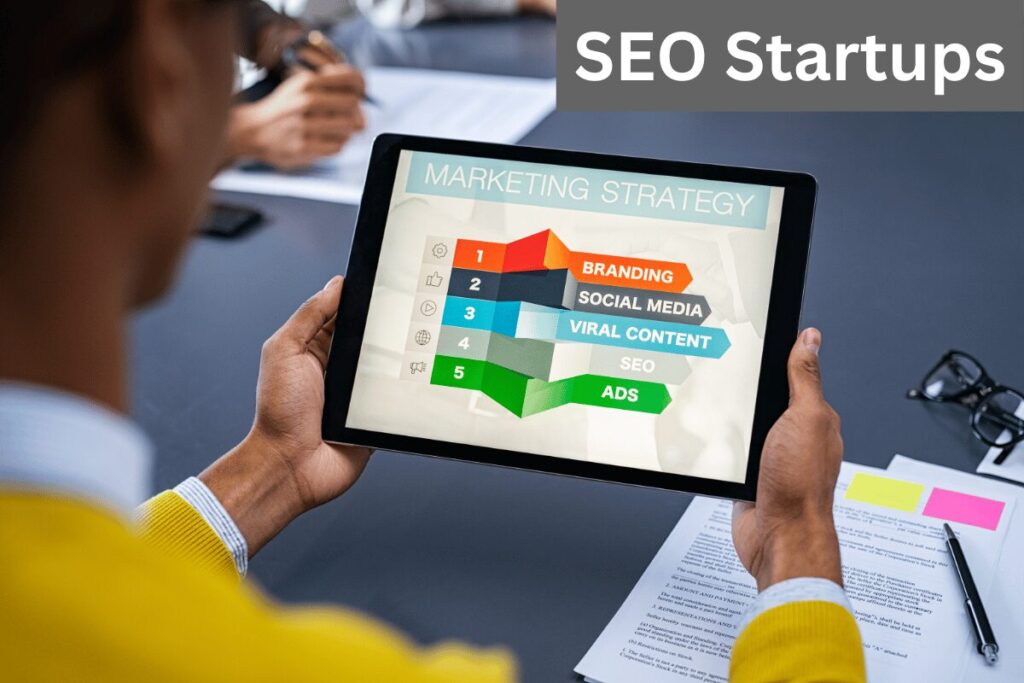
BlogHey Startup Warriors, Let’s Talk SEO (Without the Boring Stuff) We’ve all been there: staring at a blank screen, wondering why our “revolutionary” startup website isn’t magically ranking on Google. Spoiler: it’s not because the algorithm hates you. It’s because SEO for startups is like assembling IKEA furniture without the instructions—doable, but you’ll probably end up with extra screws and a wobbly shelf. Let’s fix that. At Sitelinx Organic SEO Agency in Los Angeles, we’ve helped dozens of startups turn their SEO chaos into clarity. Whether you’re wrestling with Local SEO, sweating over WordPress SEO services, or just need a marketing consultant to yell “STOP” before you keyword-stuff your homepage, we’ve got your back. Why Startups Need SEO More Than Coffee (And That’s Saying Something) Let’s get real: if your startup isn’t prioritizing SEO, you’re basically handing customers to competitors. SEO services aren’t just for big corporations with bottomless budgets. In fact, startups have the agility to outmaneuver slow-moving giants—if they play the game right. Here’s the kicker: 88% of consumers research online before buying. If your site’s buried on page 3 of Google, you’re invisible. But hey, at least your mom thinks your website looks nice. Local SEO: Your Secret Weapon for Community Domination Local SEO isn’t just for pizza shops and dog groomers. Startups targeting specific regions (or even neighborhoods) can crush it by optimizing for Google Business reviews, local keywords, and directory listings. Imagine ranking above that established competitor down the street. Feels good, right? Pro Tip: Claim your Google My Business profile yesterday. Fill it with photos, respond to reviews (yes, even the salty ones), and sprinkle in local keywords like “best coffee tech startup in LA.” Choosing an SEO Partner: Why “Cheap” Usually Means “Useless” Raise your hand if you’ve Googled “best SEO company for small business” and felt instantly overwhelmed. Same. The truth? Not all SEO agencies are created equal. Some promise overnight results (🚩), while others drown you in jargon (🚩🚩). Here’s what to look for: Transparency: If they won’t explain their strategy, run. Custom plans: Your startup isn’t a cookie-cutter business. Technical SEO services: Because someone needs to fix that 404 error graveyard. Shameless plug: At Sitelinx, we’re like the Swiss Army knife of SEO services—whether you need website management, content strategy, or a WordPress SEO specialist to speed up your site. (Slow load times? Yeah, Google penalizes that. Let’s chat.) WordPress + SEO = Startup Bliss (No Coding Required) If your site runs on WordPress, congrats—you’re already ahead. But here’s the tea: WordPress SEO services aren’t just about slapping Yoast on your site and calling it a day. You need: Optimized themes (no, that free one isn’t “good enough”) Clean permalinks (none of that “?p=123” nonsense) Regular updates (ignore these, and hackers will RSVP to your site) WordPress vs. DIY Platforms: A Table That Says It All Feature WordPress DIY Platforms (Wix, Squarespace) SEO Flexibility ✅ Full control ❌ Limited plugins Speed Optimization ✅ Customizable ❌ Generic templates Scalability ✅ Grows with you ❌ Restrictive Best for Startups serious about growth Hobbyists WordPress isn’t perfect (looking at you, update notifications), but for startups aiming to scale, it’s a no-brainer. Technical SEO: The Boring Stuff That Makes You Money Let’s geek out for a sec. Technical SEO services are the backbone of your rankings. Think of it like dental hygiene—ignore it, and things get ugly fast. Here’s what we check at Sitelinx: Mobile responsiveness (Google’s watching) Structured data (help Google “read” your site) XML sitemaps (because guessing isn’t a strategy) Ever clicked a site that took 10 seconds to load? Yeah, nobody sticks around for that. Speed matters, folks. FAQs: Because Googling “SEO Questions” Feels Ironic 1. “How long until SEO works?” Patience, grasshopper. SEO is a marathon, not a sprint. Most startups see traction in 3–6 months. Want faster results? Pair it with paid ads. 2. “What’s the #1 SEO mistake startups make?” Keyword stuffing. Google’s not a 2005 search engine—write for humans first. 3. “How do I pick the best SEO companies for small business?” Look for case studies, clear communication, and actual reviews. (Hint: We’ve got all three at Sitelinx.) Ready to Outrank Your Competitors? Let’s Get Tactical SEO isn’t magic—it’s strategy. Start with: Keyword research: Tools like Ubersuggest or Ahrefs (no, Google Keyword Planner isn’t enough). Content that solves problems: Blog posts, guides, FAQs. Backlinks from reputable sites: Guest posts, partnerships, or HARO. And if this feels overwhelming? That’s why SEO agencies exist. We’re biased, but partnering with a best SEO company like Sitelinx lets you focus on your startup while we handle the algorithm wrestling. Final Thought: SEO Is a Party—Don’t Show Up Late Startups that treat SEO as an afterthought end up playing catch-up for years. Whether you DIY or hire a SEO specialist, start now. And hey, if you’re in LA and want to brainstorm over tacos (or Zoom), hit up Sitelinx Organic SEO Agency. We’ll make your site so Google-friendly, it’ll practically rank itself. 😉 P.S. Still reading? Awesome. Now go fix those meta tags.