

Core Web Vitals Fix List For Los Angeles Photographers: Speed Up Portfolios And Boost Rankings
BlogCore Web Vitals Fix List For Los Angeles Photographers: Speed Up Portfolios And Boost Rankings Prospective clients in Beverly Hills and creative directors in Silicon Beach abandon slow photography portfolios on mobile devices within seconds. Meeting Google Core Web Vitals standards requires maintaining Largest Contentful Paint under 2.5 seconds, Interaction to Next Paint under 200 milliseconds, and Cumulative Layout Shift under 0.1 to protect search rankings and client acquisition. Studio owners cannot afford to let lagging photo galleries or sluggish web servers push high-value local leads to competing photography businesses. We have audited and optimized hundreds of creative studio platforms across Southern California. Meeting performance benchmarks keeps creative portfolios front and center while directly strengthening local organic search visibility across competitive target markets. Understanding Core Web Vitals for Creative Portfolios Core Web Vitals measure real-world user experience across page loading speed, interactive responsiveness, and visual layout stability over rolling 28-day tracking cycles. According to official Google Web Vitals guidelines, high-resolution photo galleries require customized technical strategies to balance visual quality with rigorous field performance thresholds. Field data captures real user sessions at the 75th percentile of actual traffic rather than relying on synthetic lab audits. For studio owners, passing these field metrics directly impacts local map pack placement and organic mobile discovery. Delivering responsive photo assets across high-density retina displays prevents cellular network congestion throughout the greater Los Angeles area. Largest Contentful Paint (LCP) Largest Contentful Paint measures the rendering time of the single largest visual element visible within the mobile or desktop browser viewport. On photography websites, this primary content block represents the hero photograph, requiring high-priority asset delivery and server responsiveness to ensure the image displays within 2.5 seconds. Target Benchmark: 2.5 seconds or less for a passing grade. Primary Causes of Failure: Uncompressed camera exports, un-cached server HTML documents, and render-blocking CSS files. Essential Resolution Strategy: Priority loading of above-the-fold hero images combined with modern compressed image formats. Interaction to Next Paint (INP) Interaction to Next Paint evaluates overall page responsiveness by measuring the delay of every click, tap, or keyboard input during a visitor session. When prospective clients tap mobile navigation menus or expand portfolio lightboxes, browser main-thread execution must process the request and render the updated visual frame within 200 milliseconds. Target Benchmark: 200 milliseconds or less for a passing grade. Primary Causes of Failure: Heavy JavaScript lightbox plugins, third-party marketing pixels, and main-thread gallery script execution. Essential Resolution Strategy: Replacing legacy script frameworks with lightweight native browser interactions and deferring non-essential tags. Cumulative Layout Shift (CLS) Cumulative Layout Shift measures visual stability by calculating unexpected movements of webpage elements while page components download and render. Dynamic photography grids and client galleries cause severe visual shifts when image containers lack explicit dimensional constraints, requiring pre-allocated layout boundaries to maintain a target score below 0.1. Target Benchmark: 0.1 or less for a passing grade. Primary Causes of Failure: Missing image container dimensions, un-styled font flashes, and dynamic header prompts. Essential Resolution Strategy: Enforcing explicit image aspect ratio styling and reserving structural document space prior to image downloading. Local Los Angeles Hosting Benchmarks and Server Latency Server infrastructure and physical proximity directly dictate initial response times, forming the technical foundation for down-stream gallery optimization across Southern California. Our technical audits reveal that legacy shared hosting introduces severe resource throttling during peak browsing hours, whereas West Coast managed cloud hosting keeps response times below 320 milliseconds. In Los Angeles, prospective clients search studio portfolios heavily during evening hours between 7:00 PM and 10:00 PM PST. During these peak browsing hours, shared server response times degrade rapidly, inflating initial byte delivery and causing immediate page loading failures. Upgrading studio websites to isolated cloud environments with West Coast server nodes provides the infrastructure required to pass search engine thresholds. Hosting Infrastructure Type Average Server Response (ms) Average Hero Load Time (s) Average Interaction Delay (ms) Peak PST CPU Throttling Rate Typical Financial Cost Legacy Shared Hosting (LA Nodes) 1,420 ms 4.8 s 340 ms High (Frequent Resource Spikes) 10 to 25 US Dollars per month Managed WordPress Cloud (US West Coast) 320 ms 2.1 s 140 ms Minimal (Rare Resource Spikes) 35 to 80 US Dollars per month Dedicated NVMe Cloud + Edge CDN 110 ms 1.3 s 85 ms None (Isolated Resource Allocation) 60 to 150 US Dollars per month Our benchmark data confirms that high initial server latency on shared hosting undermines down-stream photo optimization efforts. Deploying studio platforms onto isolated cloud infrastructure establishes the necessary foundation for fast portfolio rendering across all mobile networks. Actionable Core Web Vitals Fix Strategies for Photography Sites Resolving portfolio performance bottlenecks requires systematic execution across image delivery formats, server architecture, interactive scripts, and container layout rules. We implement prioritized technical workflows that eliminate main-thread blocking, optimize server data delivery, and enforce visual layout stability without degrading raw image visual fidelity or professional presentation standards. 1. Image Optimization and Next-Gen Format Delivery Optimizing portfolio imagery requires converting legacy photo files into compressed next-generation formats while serving adaptive image dimensions tailored to client screen sizes. Modern image formats reduce overall file size by 30 to 60 percent while preserving full color profiles, preventing camera exports from stalling mobile networks. Convert JPEG exports to WebP or AVIF formats to cut file sizes while preserving visual clarity. Implement responsive source rules to deliver scaled 800-pixel wide images to smartphones and full width assets to desktop displays. Enable asynchronous image decoding properties on secondary photos to allow layout structures to build concurrently. Preload above-the-fold hero images inside document headers to prioritize the primary portfolio showcase immediately. 2. Infrastructure Upgrades and Server Latency Reduction Minimizing server latency requires moving studio database records to high-performance West Coast server nodes combined with edge caching networks. Establishing physical data proximity keeps initial server response times under 110 milliseconds, ensuring that downstream hero image downloads begin immediately upon client request. Migrate studio hosting to West Coast cloud nodes in Los Angeles or Silicon Valley to cut physical distance latency. Deploy

Geo-IP Redirect Strategy For Los Angeles Hotels: Prevent Search Penalties
BlogWhy Hard Server-Side Geo-Redirects Hurt Hotel SEO Automated server-side HTTP 301 or 302 redirects triggered by visitor IP addresses systematically degrade organic search rankings for hotel websites. Because search crawlers predominantly browse from United States data centers, forced geo-redirects prevent crawlers from indexing regional content while fragmenting inbound link authority across localized web addresses. When web engineering teams implement automatic server-side redirects based on incoming IP addresses, European or Asian visitors automatically route away from the primary domain page. This legacy approach introduces three primary failure points across hospitality search architecture: Googlebot Crawl Traps: Search engine crawlers primarily operate from data center IP ranges within North America. When servers force non-United States IP addresses into localized subdirectories, foreign crawlers encounter redirect loops, while domestic crawlers never discover or index localized international content variants. Link Equity Fragmentation: Splitting web traffic across regional URL parameters without a single canonical reference dilutes inbound authority. Inbound external backlinks point to distinct regional addresses, fragmenting domain power across multiple URLs rather than building core equity on primary room reservation pages. Cloaking Risk and Indexing Inconsistencies: Serving distinct structural HTML payloads to search crawlers compared to human users accessing the exact same web address exposes the site to potential cloaking flags. We audited a boutique hotel property in Venice Beach that experienced severe search visibility degradation due to forced IP routing. The client implemented automatic 301 server-side redirects that routed European and Australian users to country-specific subdirectories. Over a six-month period, organic room bookings dropped by 40 percent because search engines could not reliably crawl primary room reservation pages. Inbound links from foreign travel publishers pointed to localized URLs that Googlebot could not maintain in its index. We resolved this architectural failure by removing forced server-side redirects entirely. We consolidated domain authority under a single canonical address and moved regional messaging into dynamic edge components. Technical Architecture: Edge-Based Dynamic Content Insertion Edge-based dynamic content insertion maintains a single canonical landing page while serving conditionally modified interface components to visitors based on IP header data. This architectural pattern delivers personalized promotional banners, localized guest offers, and contextual currency displays to human users without altering the fundamental HTML document structure that search engines index. According to Google Search Central guidelines on locale-adaptive pages, hospitality platforms serving location-tailored experiences must ensure crawlers access default page variations without getting trapped in automated redirect sequences. When deploying edge component swapping through modern CDN infrastructure or edge middleware, foundational document elements remain identical for every requester. Primary body text, page hierarchy, structured data markup, and main section headings stay uniform regardless of geographic origin. Only specific localized micro-elements adjust dynamically based on incoming request headers: Header Promotional Banners: Domestic visitors see “Book Direct and Save 15 Percent,” while international visitors receive “Includes Complimentary Airport Transfer and Flexible Cancellation.” Currency Display Modules: Room rates show estimated totals in Euros, British pounds, or Canadian dollars while preserving base processing calculations in US dollars. Localized Value Propositions: Guests from regional California or Nevada drive-in markets see complimentary self-parking details, whereas long-haul international visitors see shuttle logistics. Geo-Targeted Social Proof: Testimonial cards dynamically emphasize verified guest reviews from travelers originating in the visitor’s home country. Because core Document Object Model elements and descriptive copy remain static, search crawlers indexing from any data center receive a stable, fully indexable payload. Customizing Messages for Domestic Drive-In Feeder Markets Domestic drive-in visitors from neighboring states require distinct booking incentives compared to international travelers visiting Southern California properties. Utilizing dynamic component swapping on a primary reservation landing page allows hoteliers to present targeted regional benefits like complimentary valet parking or electric vehicle charging without creating redundant, thin web pages. Our technical team routinely configures edge conditional logic to address primary feeder markets across the western region: Northern California Visitors: Automatically display weekend package rates, valet options, and electric vehicle charge-point availability. Arizona and Nevada Visitors: Highlight summer escape promotions, air-conditioned valet staging, and rooftop pool amenities. Tri-State Region Visitors: Emphasize long-stay suite upgrades, late checkout flexibility, and West Coast wellness amenities. Building dedicated landing pages for individual origin cities creates thin content that triggers internal keyword cannibalization. Dynamic edge swapping on main accommodation pages personalizes guest experiences while keeping authority consolidated on high-ranking URLs. Managing Multi-Regional Sites with Proper Hreflang Tags Managing separate regional URLs for multilingual international visitors requires combining non-blocking user selection interface banners with structured bi-directional hreflang declarations. This approach allows search crawlers full access to every regional page variation while providing human guests an intuitive, voluntary pathway to switch language options without triggering automated redirect blocks. As outlined in Google documentation on multi-regional site management, distinct language or regional web addresses must explicitly cross-reference each other within document headers or XML sitemaps using standard hreflang attributes. A robust deployment framework consists of three elements: Non-Blocking Recommendation Overlays: When visitors from Mexico land on the standard English URL, display a top bar offering a link to the dedicated Spanish page path. Explicit Bi-Directional Hreflang Tagging: Add alternate hreflang tags across all regional page variants to establish explicit relationships between language versions. Default Language Declarations: Include an explicit x-default hreflang tag pointing to the standard English landing page for unmatched global IP addresses. We resolved a international search indexing conflict for a luxury property in West Hollywood operating separate regional addresses for US, UK, and Australian audiences. The hotel previously enforced hard 301 redirects without reciprocal hreflang links, causing search engines to de-index international variants due to duplicate content flags. We eliminated automated server redirects, implemented precise bi-directional hreflang declarations across all URLs, and deployed a non-blocking country selection modal. Within eight weeks, organic impressions across international search indexes increased by 140 percent while direct conversion rates stabilized. Geo-IP Strategy Comparison Matrix Evaluating location-based web delivery methods requires balancing search index accessibility, technical implementation complexity, and conversion performance. Modern hospitality engineering teams must avoid rigid server-side redirects, prioritizing edge-driven component swapping or non-blocking user selection overlays to maintain domain authority while serving tailored offers to domestic and
Negative SEO Defense For Los Angeles Personal Injury Lawyers: Spot And Stop Toxic Link Attacks
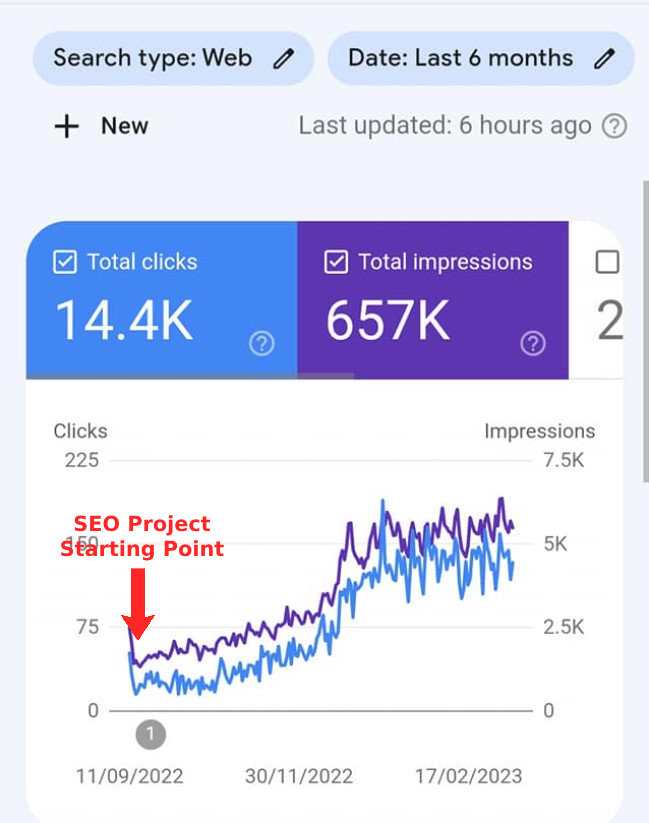
BlogNegative SEO Defense For Los Angeles Personal Injury Lawyers: Spot And Stop Toxic Link Attacks Defending a personal injury law practice in Los Angeles against negative SEO requires a disciplined forensic strategy that identifies and neutralizes toxic link attacks, scraped content, and deceptive copyright notices. Unchecked digital sabotage suppresses top organic search placements, stripping high-converting legal inquiries and diverting hundreds of thousands of US dollars in potential contingency fees to regional competitors. We specialize in safeguarding law firm search visibility against malicious digital attacks through real-time backlink auditing, domain-level disavow protocols, and enterprise infrastructure hardening. When a law firm drops out of top search positions for competitive queries such as “car accident lawyer Los Angeles” or “injury attorney Santa Monica,” rival practices immediately inherit those commercial prospective client calls. Safeguarding your practice requires immediate forensic detection, precise technical intervention, and ongoing web security enforcement. Why Los Angeles Personal Injury Law Firms Are Primary Targets Los Angeles personal injury practices are primary targets for negative SEO because exceptional contingency fees create massive financial rewards for rival firms seeking to disrupt organic search rankings. Shifting a competing practice down two search engine positions redirects dozens of catastrophic injury claims monthly, while attackers deploy automated spam campaigns for under two hundred US dollars. This economic asymmetry—where minimal capital enables an attacker to threaten valuable organic search placement—makes aggressive legal niches uniquely susceptible to digital sabotage. We observe three main economic drivers in Southern California: High Commercial Keyword Values: In Downtown Los Angeles, Century City, and Santa Monica, cost-per-click rates for competitive injury terms remain exceptionally high, making organic placement essential for firm profitability. Low Barrier to Entry for Sabotage: Automated link generation software permits unethical actors or rogue agencies to broadcast thousands of foreign comment links across compromised domains in hours. High Sensitivity to Algorithmic Noise: Modern search engine algorithms evaluate link acquisition velocity and anchor text proportions, meaning unnatural spikes can trigger automated suppression. Primary Negative SEO Vectors Facing Law Practices Law practices face five primary negative SEO vectors designed to deceive search engine algorithms by fabricating artificial over-optimization or spam patterns across a target domain. These tactical vectors include automated comment link blasts, expired domain 301 redirects, scraped content syndication with stolen canonical tags, fraudulent DMCA copyright complaints, and local directory citation corruption. Automated Toxic Link Spam and Algorithmic Evasion Automated toxic link spam involves flooding a law firm’s core practice landing pages with thousands of artificial backlinks originating from compromised foreign domains, adult networks, and low-quality message boards. Attackers execute these automated link blasts using repetitive exact-match commercial anchor text to deliberately trigger automated algorithmic penalties and rank suppression. We frequently uncover campaigns where bad actors deploy tens of thousands of spam links within a forty-eight-hour window. These blasts target specific commercial landing pages, overwhelming standard link profiles with irrelevant anchor text. Expired Domain and Redirect Injection Expired domain redirect injection occurs when malicious actors purchase penalized domains previously associated with illicit online niches and configure permanent 301 redirects to a competing law firm. This practice injects toxic PageRank equity and deceptive topical signals into the target domain’s backlink profile, attempting to trick search crawlers into penalizing the practice. This tactic bypasses basic backlink filters because incoming links originate from aged domains with historical index history. When hundreds of penalized URLs redirect into a single practice page, search engines often misinterpret the target site’s topical relevance. Scraped Content and Canonical Hijacking Scraped content and canonical hijacking occur when attackers systematically duplicate a law firm’s proprietary practice page text across interconnected scraper networks while embedding self-referential canonical tags. Search engine crawlers struggle to identify original authorship, leading to indexing ambiguity that can de-rank the legitimate practice page in favor of external scraper sites. Attacking networks utilize automated scrapers to duplicate newly published legal content within minutes of publication. Without proper canonical architecture, original firm landing pages risk being designated as duplicate copies by automated indexers. Fraudulent Copyright Removal Abuse Fraudulent copyright removal abuse involves submitting false DMCA takedown notices to search engine legal processing portals to temporarily remove valid legal landing pages from organic search results. Attackers exploit legal removal protocols to force search engines into de-indexing high-ranking practice area pages while the targeted law firm processes counter-notifications. Because legal compliance frameworks require search providers to act swiftly on takedown notices, pages are removed prior to verification. Targeted law practices lose organic traffic during the counter-notification review period. Citation and Local Profile Pollution Citation and local profile pollution targets a law firm’s local map pack visibility by generating duplicate business listings across low-authority directories with conflicting address, phone, and name details. Mismatched location data corrupts geographic trust signals within local search engines, suppressing map pack placements across targeted Los Angeles suburban markets. Inconsistent Name, Address, and Phone numbers erode local map rankings rapidly in competitive markets like Glendale, Pasadena, and Long Beach. Rogue actors create hundreds of inaccurate profiles to dilute official business citation authority. Diagnostic Framework: Distinguishing Attacks From Algorithm Updates Diagnosing a negative SEO attack requires isolating external backlink anomalies from standard core algorithm updates through systematic log file review, manual action inspection, and link velocity tracking. Law firms must verify Search Console security alerts, inspect canonical declarations, analyze HTTP response headers, and audit backlink acquisition windows before modifying technical site architecture. Attack Vector Primary Detection Signature Search Impact Level Average Remediation Window Estimated Remediation Cost Comment and Forum Link Spam Sudden velocity spike in foreign domains with commercial anchors Moderate 2 to 4 weeks 1,500 USD to 3,000 USD Expired Domain Redirects Incoming 301 redirects from penalized adult or gambling domains Severe 4 to 8 weeks 3,500 USD to 7,500 USD Scraped Content and Canonical Theft Verbatim page duplicates indexed with external self-referential tags High 2 to 3 weeks 2,000 USD to 4,000 USD Bad-Faith DMCA Takedown Claims De-indexing of key landing URLs with Search Console legal flags Critical 5 to 11 business days 2,500 USD to 5,000 USD Local Citation Pollution Mismatched Name, Address, and Phone

Entity-Based SEO For Los Angeles Doctors: Build Topic Clusters That Dominate Google Rankings
BlogEntity-Based SEO For Los Angeles Doctors: Build Topic Clusters That Dominate Google Rankings The Evolution of Health Search: From Keyword Matching to Entity Hubs Entity-based SEO reorganizes medical web content around interconnected real-world clinical concepts, practitioner credentials, and precise local geographic intent rather than isolated keyword repetitions. This architectural approach aligns private medical practices with modern search algorithms that process health queries through strict Your Money or Your Life standards, transforming specialized clinics into authoritative digital knowledge hubs across competitive regional markets. Modern search engines no longer evaluate healthcare websites solely by counting repeating search phrases across independent pages. Instead, search algorithms evaluate recognized real-world entities, including board certifications, diagnostic classifications, anatomical targets, and verified clinic addresses. Health queries trigger stringent quality evaluation standards across major search platforms. Adhering to Google Search Central helpful content guidelines requires medical websites to demonstrate verified clinical experience, transparent physician credentials, and rigorous content accuracy. When we structure web architecture around interconnected clinical entities, search engines categorize our clients as authoritative regional medical authorities. Contextual signals evaluated by modern healthcare search algorithms include: Entity relationship mapping: Linking symptoms, diagnostic tests, surgical interventions, and post-operative care within structured page trees. Practitioner credential verification: Mapping physician profiles to National Provider Identifier records and state medical board licenses. Local intent contextualization: Connecting practice locations to municipal service boundaries, neighboring medical centers, and regional environmental factors. Semantic medical vocabulary: Combining standardized clinical nomenclature, such as ICD-10 classifications, with plain-language patient queries. The Architectural Blueprint of a High-Converting Medical Topic Cluster A medical topic cluster establishes an organized content hierarchy comprising a comprehensive central pillar page, targeted sub-node pages addressing specific patient queries, and internal links anchored by medical terminology. We design these structured frameworks to guide prospective patients through every phase of their care journey while signaling exhaustive clinical depth and explicit topical authority to search engine crawlers. A properly engineered topic cluster replaces disjointed medical blog posts with a multi-layered information architecture designed for prospective patients and search algorithms alike. This system relies on three distinct operational layers. Core Pillar Hub: An exhaustive master resource covering a core specialty, such as joint preservation or interventional cardiology. Targeted Sub-Node Pages: Contextual articles focusing on precise diagnostic differentiators, recovery protocols, demographic factors, and regional climate conditions. Internal Link Architecture: Strategic internal hyperlinks utilizing entity-focused anchor text to connect sub-nodes directly to the core hub and related procedure pages. Structural Framework of an Orthopedic Joint Preservation Cluster Central Pillar Hub: Comprehensive Guide to Knee Replacement and Joint Preservation in Los Angeles Diagnostic Sub-Node: Clinical Evaluation Criteria for Quadriceps Tendon Tears vs Osteoarthritis Surgical Sub-Node: Muscle-Sparing Total Knee Arthroplasty Techniques and Implant Materials Rehabilitation Sub-Node: Post-Operative Physical Therapy Expectations for Active Southern California Adults Regional Environmental Sub-Node: Managing Joint Stiffness and Inflammation in the Los Angeles Coastal Basin Localizing Clinical Content for High-Intent Southern California Patients Localizing medical topic clusters requires integrating specific Southern California lifestyle, climate, and geographic variables directly into clinical procedure and recovery guides. We combine verified clinical expertise with regional environmental contexts to help Los Angeles practices capture high-intent search traffic from patients who require tailored care plans for local outdoor, athletic, and urban living conditions. Generic healthcare information fails to engage local searchers because it ignores the geographical realities that influence patient recovery and treatment decisions. By embedding localized environmental variables into our clinical content, we demonstrate immediate contextual authority to search algorithms. Dermatology and Aesthetic Surgery: We develop post-procedure recovery protocols targeting sun exposure protection along Southern California beaches and skin cancer screenings for outdoor endurance athletes. Allergy and Pulmonology Clinics: We address local respiratory conditions triggered by seasonal Santa Ana wind patterns, referencing official AirNow Air Quality Index standards. Sports Medicine and Orthopedics: We publish rehabilitation guides specifically tailored for trail runners in Griffith Park, surfers along Santa Monica Bay, and commuters navigating long drives following outpatient surgery. Field Case Studies: Resolving Complex Technical and Structural SEO Obstacles Resolving complex organic search obstacles in competitive healthcare markets demands data-backed content consolidation, precise URL restructuring, and advanced schema validation. We routinely address structural friction—such as competing keyword internal cannibalization and unverified provider information—to elevate private medical practices above entrenched regional hospital networks and secure qualified patient appointments across West Los Angeles. Private medical practices often struggle against multi-location health systems with multi-million dollar marketing budgets. By auditing site structures and enforcing strict topical boundaries, we resolve historical technical issues that hold back qualified medical sites. Resolving Keyword Cannibalization for a Santa Monica Cardiology Practice Eliminating keyword cannibalization requires auditing competing URLs, consolidating redundant articles into definitive master resources, and deploying precise 301 redirects to preserve link equity. When we applied this structured entity consolidation strategy for a Westside cardiovascular group, we eliminated content redundancy, elevated primary procedure rankings, and generated a measurable spike in monthly patient consultation calls. A established Santa Monica cardiology practice faced stagnating search traffic despite maintaining a blog of over 170 posts. Our site audit revealed twelve distinct blog posts competing against each other for queries related to atrial fibrillation treatments. We implemented a systematic entity consolidation protocol: Audited search query performance and user intent data across all existing cardiology URLs. Built a single master resource page focused on Atrial Fibrillation Treatment in Los Angeles. Executed 301 redirects from five outdated, low-performing posts directly into the main hub to consolidate internal link equity. Rewrote six sub-node articles to target distinct clinical entities, including catheter ablation recovery timelines, oral anticoagulant management, and pacemaker device monitoring. Established hyper-specific internal links connecting every sub-node back to the central hub using exact entity anchor text. Within five months of restructuring, the cardiology practice earned top organic rankings across West Los Angeles. This structural correction produced a 44 percent increase in qualified phone consultations and accelerated positive local review acquisition. Optimizing a Century City Orthopedic Clinic for AI Overview Retrieval Securing placement within generative artificial intelligence summaries requires embedding explicit clinical schema markup, connecting physicians directly to national registry databases, and organizing web copy with

Schema Markup Playbook For Los Angeles Contractors: Maximize Local Rankings And AI Visibility
BlogStructured Data Fundamentals for Local Trade Enterprises Structured data converts unformatted HTML page content into defined machine-readable entities, enabling search algorithms and AI answer engines to verify contractor capabilities without textual inference. By implementing standardized schema payloads, local home service contractors establish absolute organizational identity, validate trade qualifications, and secure prominent placements across local search engine results pages. When we engineer structured data based on the official Schema.org LocalBusiness Documentation, we deliver explicit, verifiable operational facts directly to indexing crawlers and conversational AI models. Standard HTML text forces search engines to infer what services a company performs, which frequently causes misclassification in competitive metropolitan search environments. Structured data removes ambiguity by assigning exact database properties to visible business copy. Entity Identification: Formally defines your business as an explicit service enterprise, such as Plumber, HVACBusiness, Electrician, or RoofingContractor. Operational Specifics: Communicates verified operating hours, direct telephone channels, accepted payment types, spoken languages, and physical street addresses. SERP Enhancement: Qualifies your listings for star ratings, price indicators, expanded sitelinks, direct appointment scheduling, and interactive action buttons. Modern search indexing engines rely heavily on knowledge graph graphs to assess physical proximity, trade authority, and brand legitimacy. By aligning technical markup with Google Search Central Local Business Guidelines, home service enterprises establish a unified data foundation that powers standard web search, map pack listings, and generative AI search overviews. Explicit entity mapping connects your primary domain to authoritative digital footprints, eliminating brand confusion across major urban search markets. Why Default WordPress Plugins Fail Los Angeles Contractors Automated WordPress plugins generate generic markup templates that fail to capture the regulatory nuances and geographic complexities of the Greater Los Angeles market. Generic tags strip trade specificity, omit vital state license records, and create duplicate entity warnings inside Google Search Console, severely harming local organic visibility for high-intent homeowner search queries. A standard plugin script that outputs basic organizational tags treats an emergency plumbing specialist operating in Van Nuys identically to a luxury custom home builder in Bel Air. This severe lack of classification depth suppresses organic performance for highly profitable, service-specific search terms. Missing Trade Subtypes: Basic plugins default to broad classifications instead of explicit trade subtypes like RoofingContractor, HVACBusiness, or Electrician. Corrupted Data Payloads: Frequent plugin updates introduce overlapping or contradictory code tags, triggering duplicate entity errors inside Search Console. Omitted Regulatory Data: Standard software lacks fields to map California state contractor licenses or municipal permit identifiers directly to domain entities. Los Angeles encompasses over 468 square miles and contains dozens of distinct municipal jurisdictions, unincorporated zones, and neighborhood districts. Claiming coverage for generic Los Angeles fails to capture micro-market intent in regions like Studio City, Silver Lake, Pacific Palisades, or Brentwood. Custom schema architectures allow us to establish precise geographic service parameters using structured neighborhood arrays and target geographic coordinates. Geographic Region Municipal Zones & Neighborhood Arrays Target Search Keyword Intent San Fernando Valley Encino, Sherman Oaks, Woodland Hills, Northridge, Studio City, Burbank Emergency AC Repair, Residential Plumbing Westside Los Angeles Santa Monica, Venice, Culver City, Westwood, Pacific Palisades, Brentwood High-End Electrical, Custom Remodeling Central & East LA Hollywood, Downtown Los Angeles, Silver Lake, Pasadena, Glendale, Los Feliz Commercial HVAC, Historic Home Rewiring South Bay & Harbor Torrance, Manhattan Beach, Redondo Beach, San Pedro, Long Beach Coastal Roof Maintenance, Trenchless Sewer Resolving Specialized Multi-Trade Entity Ambiguity Specialized contractors offering multiple trade services often trigger search engine classification errors when automated plugins deploy conflicting markup across various landing pages. Disambiguating these distinct trade divisions requires modular schema structures that isolate individual operational entities while anchoring them to official California state license classifications. During our field engineering work, we audited a dual-trade mechanical enterprise in the San Fernando Valley that offered both commercial HVAC installations and emergency plumbing repairs. Their site relied on an automated SEO plugin that outputted conflicting LocalBusiness tags across every page header. Crawlers could not identify whether the primary business was an air conditioning contractor or a plumbing firm. Google Search Console flagged critical duplicate entity errors, star ratings vanished from organic listings, and high-margin commercial organic traffic dropped by 40 percent over six months. We completely removed the automated plugin output and engineered a custom, modular schema payload anchored by unique URL identifiers. We nested dedicated Service and offerCatalog properties directly under the primary enterprise entity and mapped each division to its respective trade classification. Within 45 days of deployment, all Search Console errors resolved, rich snippet ratings reappeared across 100 percent of service pages, and map pack impressions increased by 68 percent. Multi-Location Schema Architecture Across Greater Los Angeles Operating satellite yards or multiple dispatch hubs across Los Angeles County requires a hierarchical parent-child schema architecture to prevent name, address, and phone number confusion. Establishing explicit branch anchors and localized service radii ensures search engines evaluate each location independently without merging operational entities or stripping local map pack eligibility. When an HVAC contractor operates dispatch yards in both Torrance and Pasadena, publishing identical schema blocks across location pages generates severe location confusion. Search engines struggle to determine which branch handles specific dispatch requests or maintains geographic authority in local neighborhoods. Establish Primary Headquarters: Define the corporate headquarters using a central parent Organization or LocalBusiness anchor tag. Assign Unique Branch Anchors: Create distinct URL anchor identifiers for each physical branch landing page. Nest Operational Sub-Organizations: Connect individual branch yards to the central enterprise using subOrganization properties. Define Local Service Radii: Assign localized service area properties to each branch node corresponding to realistic dispatch boundaries. Case Study: Disambiguating Multi-Branch Operations Multi-branch contractors frequently suffer from suppressed map pack listings when search engines consolidate satellite facilities into a single central entity. Overcoming this algorithmic merging demands unique anchor identifiers, exact geographic coordinates, and distinct service radius boundaries for every operational dispatch facility across regional municipal zones. A solar and electrical enterprise operating from Downtown Los Angeles opened separate dispatch facilities in Pasadena and Torrance to decrease response times. Their internal team duplicated the main website schema across the new location landing pages.

Local SEO For LA Startups: How To Rank Without A Physical Address
BlogDecoding Local Intent for Non-Address Entities in Los Angeles Non-address startups rank in Los Angeles by replacing physical proximity markers with explicit geographic schema attributes, verified regional entity relationships, and localized technical content. Modern search engines evaluate regional intent through municipal entity connections and topical relevance across Southern California rather than requiring a commercial lease in Downtown Los Angeles or Santa Monica. In a sprawling commercial market like Los Angeles County, approximately 46 percent of localized search queries reflect intent beyond finding a physical storefront. Enterprise decision-makers and regional investors search for service partners who understand Southern California regulatory mandates, state labor policies, and regional supply chain networks. When an executive in El Segundo searches for specialized technical providers, search algorithms analyze organizational entity connections to Los Angeles County instead of demanding a commercial leasing contract on Wilshire Boulevard. We focus on establishing strong topical and regional authority across your entire web footprint. Key factors that establish non-address regional relevance include: Structured geographic schema properties that explicitly define regional coverage boundaries without exposing private residential addresses. Verified business entity associations with Southern California municipal chambers and trade organizations. Localized technical case studies and regional data points that demonstrate active involvement in the Los Angeles market ecosystem. Consistency across digital citations, regional media mentions, and structured third-party data repositories. By aligning your digital brand with regional geographic nodes, your website earns top ranking positions for high-value Los Angeles queries while operating entirely remote or from a home office. Navigating Google Business Profile Compliance Without a Storefront Establishing a compliant local profile without a storefront requires strict adherence to Service Area Business rules and the total omission of public street addresses. Early-stage companies that rent unstaffed mailboxes, virtual office desks, or shared co-working spaces face immediate hard suspensions and blacklisting from automated map compliance sweeps. Compliance algorithms enforce automated checks and mandatory video verification for all new business profile submissions. According to official Google Business Profile guidelines, listings without permanent physical signage, private door access, and dedicated on-site employees during stated hours cannot show a public pin. We help early-stage founders evaluate four structural operational models to maintain compliance while capturing local search volume: Setup Model Address Display Status Verification Requirements Monthly Cost Range Suspension Risk Profile Primary Use Case Service Area Business (SAB) Hidden from public view Video showing home office workspace, branded equipment, or official business registration filings 0 USD to 50 USD Low Risk Remote startups, mobile consultants, and distributed technical service teams Staffed Dedicated Co-Working Suite Displayed with dedicated suite number Video showing permanent physical door signage, keycard access, and dedicated desks 500 USD to 2000 USD Medium Risk Ventures renting dedicated private office suites with custom company door signage Unstaffed Virtual Office / Mailbox Drop Displayed as public storefront address Fails video verification due to lack of dedicated staff and permanent signage 30 USD to 150 USD Critical Risk Non-compliant setup that triggers immediate hard suspensions and blacklisting Pure Organic Entity Strategy No Google Business Profile created Standard domain and website ownership verification via search engine tools 0 USD Zero Risk Pure digital enterprise software platforms and national technology applications Selecting the Service Area Business model allows you to define up to 20 specific service regions, such as Santa Monica, Beverly Hills, and Pasadena. This structural approach protects founder privacy while preserving eligibility to rank across regional map panels. Technical Case Studies: Resolving Complex Local Address Roadblocks Resolving complex local search penalties requires reconfiguring non-compliant profile structures, submitting verified legal documentation to search engines, and embedding geographic schema attributes into the web architecture. We have successfully restored suspended accounts and built dominant regional organic presence for Los Angeles tech ventures operating without commercial leases. Case Study 1: Reinstating a Suspended Co-Working Listing for a Santa Monica Fintech Firm A venture-backed fintech startup in Santa Monica faced total profile suspension after publishing a shared co-working map address on Ocean Avenue. We resolved this crisis by hiding the address, compiling official municipal documentation, and configuring structured entity markup to achieve complete account reinstatement within fourteen business days. The company originally failed automated compliance sweeps because it lacked permanent exterior signage and dedicated reception staff. We executed a systematic three-step recovery sequence to resolve the violation: Reconfigured the business account from a physical storefront model to a Service Area Business setup, removing the public street address entirely. Assembled an official appeal packet containing active corporate filings from the California Secretary of State business search portal, local municipal tax permits, and verified client service agreements. Deployed structured JSON-LD schema across the primary web property to declare the entity as a remote Service Area Business covering Santa Monica, Venice, and Greater Los Angeles. This structural overhaul enabled the startup to regain full map panel visibility and capture top three local rankings across West Los Angeles. Case Study 2: Dominating B2B Organic Search for a Culver City SaaS Startup Without a Map Pin An enterprise software startup in Culver City operated with a fully distributed team and zero physical client reception space. We constructed a non-address organic framework using regional topical content hubs and precise geographic schema markup, generating over 120000 US dollars in new qualified sales pipeline within two quarters. The company struggled to compete against established legacy competitors holding commercial office space in Downtown Los Angeles and Century City. We implemented a technical search engine optimization roadmap consisting of three sequential phases: Engineered regional solution centers addressing specific Southern California enterprise sectors, such as digital entertainment workflows in Hollywood and logistics networks near the Port of Long Beach. Integrated geographic bounding coordinates into the website header architecture to link the corporate entity to Los Angeles County without disclosing founder residential addresses. Built high-authority corporate citations across recognized regional tech directories, university incubator networks, and Southern California trade publications. Within five months, the client ranked in the top three organic search results for competitive enterprise software keywords throughout Los Angeles County. Building Regional Topical Authority Through Strategic Content Engineering Establishing regional

The Ultimate LA Local SEO Audit Template For Franchises With 20+ Locations
BlogThe Multi-Location Reality: Why Generic Templates Fail in Los Angeles Auditing enterprise local search performance across twenty or more Los Angeles locations requires evaluating central domain architecture, Google Business Profile bulk governance, and localized search intent simultaneously. Generic audit templates fail because they measure aggregate site metrics while ignoring multi-unit friction points like keyword cannibalization, profile suspensions, and neighborhood boundary variance. Generic SEO audits focus heavily on high-level domain indicators like global site velocity or broad keyword density. These high-level figures do not explain why our client unit in Pasadena dominates local search maps while our Santa Monica unit fails to appear in top local results. The Los Angeles commercial market consists of distinct sub-regions defined by traffic patterns, geographic barriers, and local consumer behavior. Consumers searching in Downtown Los Angeles prioritize immediate walking distance, whereas consumers searching for identical brand services in Torrance or Woodland Hills focus on dedicated parking and family scheduling options. When an audit treats Greater Los Angeles as a single geographic municipality, organic ranking performance drops across every regional storefront. Standard technical audits also miss major rendering failures inside dynamic JavaScript store locators that block crawlers from discovering individual store pages. Technical Indexation Failure Across 24 Southern California Sites We resolved a complete local indexation failure across twenty-four Southern California locations by replacing a dynamic client-side JavaScript map locator with dedicated server-side rendered landing pages. This architectural rebuild established crawlable sub-folder directories, populated structured location schema, and immediately allowed search engine crawlers to parse individual regional storefront information. During an enterprise audit for a regional fast-casual brand expanding across Los Angeles, we discovered zero store landing pages appeared in local map results. Corporate had deployed an interactive script on a single URL to display all store locations across the region. Search engine bots failed to execute the client-side code, leaving all store locations unindexed in organic local search results. We restructured the website hierarchy by introducing a static directory path and generated individual server-side landing pages for every physical store. We embedded precise local business structured markup on each page, linking exact latitude coordinates, canonical URLs, and operational attributes. Within sixty days of re-indexing, organic local search impressions increased by two hundred fourteen percent, while direct routing requests from mapping applications grew by forty-seven percent across all locations. Three-Tier Multi-Location Local SEO Audit Architecture A multi-location local search audit evaluates three interconnected technical layers comprising corporate architecture, profile governance, and micro-market search signals. Inspecting all three tiers simultaneously prevents isolated optimization efforts from being undermined by technical site errors or uncoordinated citation data across enterprise storefront networks. The first level analyzes the corporate technical core to verify that domain equity flows down to individual store pages. The second level focuses on listing health, ensuring NAP data alignment and bulk profile verification across search platforms. The third level examines neighborhood competitive density, measuring localized review sentiment, proximity boundaries, and regional backlink authority. Level 1: Corporate Technical Core and URL Taxonomy The central domain serves as the primary authority engine that passes search evaluation equity down to individual physical storefront landing pages. Auditing this structural foundation ensures that search engine crawlers discover location URLs without encountering orphan pages, parameter redirects, or unindexable dynamic scripts. We inspect URL directory structures to verify that store pages use clean sub-folder paths rather than separate third-party subdomains or parameter strings. We analyze sitemaps to confirm that every location URL returns a clean HTTP status code and stays indexed in webmaster tools. We validate structured data formatting according to specs in the Schema.org LocalBusiness Documentation. We also confirm that store locators connect directly to individual location pages through plain web links. Level 2: Listing Footprint Health and Profile Governance Uncoordinated business entity data across external platforms destroys search engine trust and creates duplicate profile records for enterprise franchise locations. Auditing listing footprint health establishes data consistency, validates category selections, and secures official profile ownership across mapping platforms and primary local directories. We cross-check business names, physical addresses, and contact phone numbers across main sites, mapping providers, and local business aggregators. Primary category selection drives significant map pack ranking weight in local algorithms, so we standardise primary categories across identical units. We verify that service attributes, operating hours, and payment options are completely filled out in management dashboards. We also review visual photo libraries to ensure listings display original photos of real physical storefronts. Level 3: Micro-Market Competitive Density and Local Signals Local search algorithms evaluate individual storefront prominence relative to immediate geographical competitors operating within a narrow physical radius. Auditing micro-market signals measures competitive rank density, local review velocity, and regional authority links to identify why specific storefronts underperform neighboring competitors. We assess competitor ranking performance across one-mile, three-mile, and five-mile radiuses surrounding each store address. We evaluate rating averages, monthly review submission volume, and owner response rates against top local map competitors. We audit regional link profiles to verify whether store pages earn references from neighborhood commercial districts, regional news outlets, and local business associations. Enterprise Multi-Location Local SEO Audit Checklist An enterprise multi-location audit checklist provides a structured technical framework for systematically evaluating website architecture, business data alignment, and localized search signals. Implementing this checklist ensures that every franchise location meets baseline technical standards while surfacing specific operational gaps across regional markets. The table below outlines core technical checkpoints, specific audit criteria, and target benchmarks required for multi-unit franchise networks. Audit Phase Technical Area Specific Checkpoint Target Benchmark Standard Phase 1 Architecture Directory Structure URL Sub-folder Taxonomy Single sub-folder structure Phase 1 Architecture Schema Engine Multi-Unit JSON-LD Validation Complete validation with zero missing required fields Phase 1 Architecture Performance Mobile Core Web Vitals LCP under 2.5 seconds and CLS under 0.1 Phase 2 Entity Data Data Consistency Core Directory NAP Alignment High consistency across top tier business citations Phase 2 Entity Data Listing Governance Profile Management Status Verified listings inside one master corporate account Phase 2 Entity Data Category Governance Primary Category Standard Uniform primary category across all identical
Starting A Construction Business: Complete Blueprint For Startup Costs, Licensing, And Growth
How ToStrategic Business Formation, Licensing, and Legal Entity Structures Establishing proper corporate legal structures and acquiring mandatory state licenses form the foundational cornerstone of a sustainable construction enterprise. Operating without corporate separation exposes personal assets to severe jobsite liabilities, subcontractor lawsuits, and municipal enforcement actions. Selecting an optimal structure insulates personal balance sheets while ensuring full regulatory compliance across operations. Corporate Entity Selection and Exposure Mitigation Choosing the right legal entity determines federal tax liabilities, personal asset protection, and overall ability to secure commercial credit lines. We strongly advise against operating as a sole proprietorship due to unlimited personal liability on construction site claims. Establishing formal corporate boundaries safeguards owners while structuring tax efficiency across operational stages. Limited Liability Company (LLC): The baseline structural choice for small-to-medium trade contractors. An LLC provides pass-through taxation while establishing a firm legal barrier between company liability claims and personal personal bank accounts. S-Corporation Election: An optimal tax designation for established trade businesses where owner-operators generate substantial annual profits. Electing S-Corp status minimizes self-employment tax obligations on net distributions paid beyond a reasonable owner salary. C-Corporation: Best suited for large-scale general contractors intending to raise institutional capital, issue equity shares to executive staff, or expand across multi-state markets. Official federal guidelines regarding business entity selection and employer registration can be reviewed via the U.S. Small Business Administration. Construction Licensing, Permitting, and Surety Bonding Licensing requirements vary substantially based on project scope, total contract valuation, and specific trade specialization. State regulatory boards mandate documented field experience, financial solvency verification, and passing scores on trade and law examinations. Acquiring proper surety bonding protects clients against contract defaults while enabling firms to bid on high-value projects. General Contractor License: Authorizes a firm to oversee broad residential or commercial projects, secure structural building permits, and manage trade subcontractors. Specialty Trade License: Grants authority to execute specialized sub-trades, including electrical wiring, master plumbing, HVAC installation, or structural masonry. Surety Bonds: License bonds protect municipal consumers from regulatory non-compliance, whereas project performance and payment bonds guarantee contract completion up to 100 percent of contract value. Resolving Multi-Jurisdictional Permitting Bottlenecks Cross-jurisdictional permitting conflicts frequently emerge when managing simultaneous construction projects across neighboring municipal boundaries. Differences in municipal building code interpretation and trade license reciprocity can halt field operations and trigger substantial monetary penalties. We resolved these friction points by deploying a centralized compliance tracking system and securing expedited state-level reciprocity approvals. During a complex multi-family build across three adjacent townships, local code officials threatened work stoppages and daily fines of 2,500 US dollars per site due to conflicting trade license interpretations. We immediately compiled a consolidated regulatory matrix, submitted emergency compliance petitions to the state licensing division, and reallocated certified master tradesmen to meet localized oversight rules. This strategic intervention completely eliminated municipal permit delays and protected our firm from 35,000 US dollars in cumulative regulatory fines. Financial Architecture, Cost Breakdown, and Cash Flow Management Underfunded payroll reserves and unmanaged retainage holdbacks represent the primary root causes of commercial contractor insolvency. Building a resilient financial structure ensures a construction business maintains positive operational liquidity throughout extended billing cycles. Strategic allocation of startup capital and structured working capital buffers protects cash flow against unpredictable project delays. According to long-term economic tracking by the U.S. Bureau of Labor Statistics, approximately 20.4 percent of new construction establishments close during their first year, 49.4 percent close within five years, and 65.3 percent close within ten years. Launch Capital Allocations and Startup Cost Matrix Launching a fully licensed contracting firm requires immediate capital for corporate registration, liability insurance premiums, trade tools, and payroll reserves. Initial funding requirements range from 15,000 US dollars for specialized sub-trades to over 208,500 US dollars for mid-market general contracting outfits. Proper upfront capital allocation prevents severe cash crunches during early project cycles. Capital Allocation Category Startup Range (US Dollars) Mid-Market Target (US Dollars) Ongoing Annual Expense (US Dollars) Corporate Formation and Business Licensing 1,000 to 4,500 2,500 500 to 1,500 General Liability and Workers Compensation 3,500 to 12,000 6,500 4,000 to 15,000 Licensing and Performance Surety Bonds 1,000 to 5,000 2,500 1,000 to 3,000 Trade Tooling, Equipment, and Fleet Setup 15,000 to 75,000 35,000 5,000 to 12,000 Search Engine Infrastructure and Branding 3,000 to 12,000 6,000 2,400 to 7,200 Liquidity Buffer (Payroll and Materials) 25,000 to 100,000 50,000 Variable Buffer Total Required Capital Requirement 48,500 to 208,500 102,500 13,900 to 38,700 Managing Retainage Holdbacks, Progress Billing, and Working Capital Commercial project owners routinely retain five to ten percent of monthly invoices until total project completion and architectural sign-off. This practice creates severe operational capital freezes during peak construction phases if unmanaged. Implementing milestone-based draw schedules, requiring material deposits, and maintaining revolving credit lines mitigates cash flow strain effectively. Establish milestone progress billing schedules anchored to verifiable completion stages rather than fixed calendar dates. Require upfront material deposits ranging from 10 to 30 percent before mobilizing crews or ordering custom materials. Secure a business line of credit prior to contract execution to maintain payroll during extended invoice review cycles. Structurally match subcontractor payment terms with primary contract payment releases to avoid cash flow mismatches. Overcoming Commercial Retainage Liquidity Squeezes Navigating long-term retainage holdbacks requires active working capital management to avoid stalling active jobsite operations. When extended billing cycles threaten payroll or material purchases across parallel projects, firms must leverage structured financial tools. We eliminated a severe 120,000 US dollars liquidity gap by combining purchase-order financing, invoice factoring, and synchronized subcontractor payment terms. On a commercial build valued at 1,200,000 US dollars, a 10 percent retainage holdback created a 120,000 US dollars cash freeze that remained outstanding for 90 days following final architectural inspection. To prevent payroll shortfalls on two adjacent residential builds, we structured short-term purchase-order financing to cover material acquisitions and selectively factored outstanding progress invoices. Concurrently, we updated master subcontractor agreements to align payment releases directly with primary owner disbursements. This integrated solution safeguarded active payroll, protected operational reserves, and maintained uninterrupted construction activity across all sites. Strategic Client Acquisition,

Snapchat Blocked Vs Unadded: How To Verify Your Account Status Step By Step
BlogTitle: Snapchat Blocked Vs Unadded: How To Verify Your Account Status Step By Step Understanding Snapchat Friendship Architecture and Indexing Snapchat determines account connectivity through server-level permissions that dictate client-side database access, profile indexing, and real-time data streaming. When a user unadds you, public profile search remains intact while private metrics become restricted. Conversely, blocking completely purges profile records, conversation threads, and network request endpoints from your local client interface. In our technical analysis of mobile application architecture and privacy configurations, we examine how platforms adjust permission tiers without sending direct user notifications. Snapchat manages these relationship states by dynamically updating read and write privileges on its backend database. Understanding this infrastructure allows us to interpret interface behavior accurately without making false assumptions. When a contact removes your account from their friends list, Snapchat revokes access to private data streams while maintaining public directory availability: Search Directory Visibility: The profile remains searchable by exact username across all client applications. Action Controls: The user profile displays an Add Friend or Plus Add button on their profile card. Numeric Indicators: The user Snap Score is hidden or displays as blank because numeric scores are restricted to mutual connections. Message Delivery: Sent Snaps or messages remain on a gray Pending arrow status if the recipient privacy setting for Contact Me is set to Friends. When a user blocks your account, Snapchat completely strips their profile record from your personal search index: Index Wiping: The user profile produces zero search results on your account, even when searching for the exact unique username. Thread Deletion: Active chat logs disappear automatically from your Chat feed. Access Prevention: Client applications are blocked from sending payload requests or querying the blocked user ID on Snapchat servers. Server Endpoints: Public profile endpoints return resource missing or not found errors for your specific session. Third-party tools or applications that claim to track who blocked your account violate safety standards and cannot bypass Snapchat private API protocols. Official details regarding user safety and data privacy can be reviewed on the Snapchat Support Portal. Reliable verification relies strictly on native platform behavioral tests. Side-by-Side Diagnostic Comparison: Blocked vs Unadded Distinguishing between an unadded account and a blocked profile requires evaluating search directory behavior, chat thread visibility, messaging delivery icons, and Snap Score access. While unadded users remain discoverable with restricted data access, blocked accounts are entirely hidden from client searches and active conversation logs across the platform. To evaluate your account standing, review this technical status matrix detailing how Snapchat handles data across connection states. We have documented these key structural behaviors to help diagnose connection changes accurately. Diagnostic Check Unadded (Removed) Status Blocked Status Deactivated or Deleted Account Exact Username Search Profile displays with Plus Add button Zero search results on primary account Zero search results across all accounts Snap Score Metric Hidden or blank under display name Inaccessible profile card Inaccessible profile card Active Chat Thread Thread remains visible with camera icon or gray X Thread automatically disappears from feed Thread automatically disappears from feed Sent Message Indicator Gray arrow showing Pending status Message fails with send option disabled Message fails with send option disabled Secondary Account Search Profile appears normally Profile appears normally Profile invisible across all accounts Story Feed Access Public Stories visible if settings allow All Stories permanently hidden All Stories permanently hidden Four-Step Verification Protocol to Confirm Account Status Verifying your Snapchat connection status requires a methodical protocol that tests username indexing, profile metadata availability, chat delivery indicators, and cross-account availability. By executing these four technical checks sequentially, you can definitively determine whether another account has removed you, blocked your profile, or deactivated their account entirely without relying on unreliable third-party tools. We recommend executing a structured diagnostic protocol to confirm your exact standing on Snapchat without making assumptions. For broader analysis of digital privacy standards, consult the Business Insider Technology Section for major software updates. Perform an Exact Username Search: Open Snapchat and tap the search icon. Type the exact registered username of the user. If the account appears with an Add or Plus Add Friend button, the contact unadded you. If the search returns zero results despite entering the exact username correctly, your account is blocked or the contact deactivated their profile. Inspect Profile Snap Score Metrics: If the user appears in search or in an existing chat list, tap their avatar to view their profile card. Inspect the area below their display name where the numeric Snap Score resides. Snapchat displays numeric Snap Scores exclusively to confirmed mutual friends. If the Snap Score digit is missing or blank, you have been unadded, whereas a complete failure to load the card indicates a server-level block. Evaluate Sent Message Delivery Arrows: Open your Chat tab and locate your conversation history with the contact. Review the delivery arrow icon next to your last sent message. A gray arrow displaying Pending indicates your message cannot reach their inbox because they removed you and set their contact permissions to mutual friends. Conduct a Secondary Account Audit: Search for the target username using a secondary active Snapchat account or ask a mutual acquaintance to search for the profile. If the target profile appears on the secondary account but returns zero results on your primary account, your primary account has been blocked. If the profile is unsearchable across all accounts, the user has deactivated their account, altered their unique username, or faced a platform suspension. For step-by-step guides on managing device settings and privacy controls, review Android Authority Tech Guides. Technical Case Studies and Real-World Scenarios Real-world diagnostic scenarios often present edge cases where unexpected platform UI updates or sudden profile deactivations mimic targeted account blocks. By auditing server responses, client permission changes, and multi-account query logs, we resolve complex user status discrepancies and prevent false conclusions regarding digital connectivity and campaign access across mobile communication platforms. In our work evaluating data transmission and digital communications, we analyze complex edge cases where UI changes create confusion. Below are two

How To Set Google Business Profile Hours To By Appointment Only
BlogSetting Google Business Profile Hours to By Appointment Only To configure a Google Business Profile for appointment-only operations, we must remove standard operating hours by selecting Open with no main hours or maintain administrative phone times while activating the Appointment required attribute. These strategies eliminate unexpected walk-in traffic, defend local map pack rankings, and stop automated systems from displaying misleading storefront availability. When prospective clients arrive at a physical storefront expecting immediate service only to find locked doors, operational friction occurs rapidly. Disappointed visitors frequently publish negative 1-star reviews that harm local visibility. Automated search web crawlers may also flag listings for inconsistent entity information when customer foot traffic conflicts with published schedules. Properly configuring your profile ensures strong local organic search visibility while establishing clear operational expectations. By implementing official settings, local organizations turn high-intent search traffic into pre-scheduled appointments without incurring public relations penalties. Why Appointment-Only Configurations Protect Local SEO and User Experience Publishing accurate operational data acts as a primary local trust signal within search engine ranking algorithms across desktop, mobile, and voice interfaces. When prospective clients encounter locked doors at listed business locations, rapid customer dissatisfaction leads to negative reviews while automated search crawlers demote listing visibility due to conflicting location data. For specialized service entities such as legal practices, medical clinics, corporate advisors, and specialized contractors, publishing standard storefront hours creates continuous operational hazards. Unstaffed physical office locations exposed to foot traffic generate poor user experiences that degrade overall local organic search authority. Unstaffed storefronts also invite crowdsourced edits from local users who frequently flag active entities as permanently closed. Furthermore, inconsistent schedule data published across third-party web directories, booking software, and local citations creates entity confusion for automated search crawlers. Aligning your listing with official Google Business Profile Guidelines preserves search authority while converting web traffic into confirmed bookings. Method 1: Implementing Google Official Open With No Main Hours The Open with no main hours setting allows appointment-based organizations to keep their local search profile active and discoverable without displaying daily storefront opening or closing times. We deploy this configuration for entities operating purely on pre-booked schedules to prevent public walk-ins while preserving visibility on Google Maps and search results. Step-by-Step Dashboard Setup for No Main Hours Executing the Open with no main hours configuration requires modifying your profile settings directly through the Google Search or Google Maps management interface. We follow a strict operational workflow to apply these changes cleanly, verifying that search engine algorithms process the update without reverting your listing to standard physical office hours. Log into the Google account managing your target Google Business Profile. Search for your business name on Google or open the Google Maps application and select Edit profile. Click Business information and navigate directly to the Hours section. Select the edit pencil icon adjacent to your currently displayed hours. Change the selection from Open with main hours to Open with no main hours and click Save. Selecting Open with no main hours differs fundamentally from marking a business location as Temporarily Closed. It also differs significantly from selecting 24/7 availability. Setting your listing to 24 hours implies physical staff stand ready to receive walk-in clients around the clock. Listing unstaffed physical storefronts as open 24/7 violates operational policies and frequently leads to profile suspensions. Method 2: Deploying the Hybrid Operational Schedule The hybrid operational method combines published administrative phone hours with explicit appointment-only service attributes within your business listing interface. We recommend this framework for professional practices that maintain dedicated telephone staff during traditional business hours but restrict physical facility entry strictly to clients who have booked advance consultations. Step-by-Step Hybrid Setup Execution Configuring a hybrid profile requires updating main hours to match administrative call availability while toggling specific appointment flags inside the profile backend. We execute this setup to preserve local search presence for phone inquiries while establishing firm operational boundaries for physical storefront visitors across mobile maps and desktop search. Select Open with main hours and enter the exact times your administrative team answers incoming telephone calls. Navigate to Edit profile, select Attributes, and open the Service options category. Toggle the Appointment required attribute setting to Yes. Enable relevant service flags including Online appointments or Onsite services based on your operational model. Insert your dedicated online scheduling landing page link into the Appointment link field. This dual structure allows search engine algorithms to evaluate active operational hours for call intent. Simultaneously, it displays explicit visual tags on Google Maps to shield your physical facility from unexpected walk-in visitors. Profile Optimization Matrix for Appointment-Based Businesses Aligning every component of your local listing with an appointment-only operational model requires systematic optimization across primary text, attributes, direct links, and visual media. We utilize a standardized audit matrix to ensure that every profile element reinforces booking requirements, eliminates visitor confusion, and builds maximum search visibility. Profile Element Required Configuration Action Impact on Local SEO & User Experience Business Name Use registered legal title only; omit phrases like “By Appointment Only”. Prevents hard profile suspensions for title policy violations while maintaining brand authority. Primary Category Select the exact industry category matching core service offerings. Drives local search discovery and unlocks industry-specific profile attributes. Business Description Declare appointment rules clearly in the first 150 characters of copy. Establishes immediate expectations before conversion and provides entity context to AI models. Service Attributes Set Appointment required to Yes; toggle virtual consultation flags. Displays visual badges in Knowledge Panels and serves as a direct search filter. Appointment Link Insert direct landing page URL pointing to an online intake tool. Minimizes conversion friction and increases direct client booking rates. Profile Updates Publish posts reiterating booking policies with direct action buttons. Improves freshness signals and highlights appointment requirements in search results. Questions & Answers Pre-populate Q&A asking if walk-ins are accepted, providing an official answer. Preempts customer inquiries and prevents incorrect crowdsourced community answers. Photo Media Upload high-resolution photos of entrance doors showing appointment signage. Provides visual verification during policy checks and reinforces physical
