
How To Start A Remodeling Business: Complete Step-by-Step Guide
How ToResidential Remodeling Market Overview and Strategic Outlook We establish that launching a successful residential remodeling business requires an initial working capital investment between 24,500 USD and 98,700 USD, along with specialized licensing and dynamic pricing frameworks. According to data from the Joint Center for Housing Studies of Harvard University, annual homeowner improvement expenditures reach 518 billion USD. We build high-margin firms by targeting structural retrofits and functional renovations. The residential remodeling sector accounts for over 56 percent of all residential construction establishments in the United States, according to the National Association of Home Builders. Lock-in effects from existing mortgage rates keep homeowners in their current properties, accelerating the aging of national housing stock and driving continuous demand for major retrofits. To capture high-margin contracts in this expanding market, our firms must adapt to key consumer preferences and operational realities: Homeowners prioritize high-yield functional transformations, such as primary bathroom expansions, kitchen structural overhauls, and accessibility retrofits, over minor cosmetic updates. Securing bank financing or home equity loans requires itemized cost breakdowns, absolute fee transparency, and milestone-based progress payment schedules. Modern clients demand digital project portals for real-time photo logs, material selections, and change order sign-offs. Volatile supply chain conditions require dynamic escalation clauses in every contract to protect gross operating margins from inflation. Step-by-Step Contracting Guide: From Legal Setup to Operations We follow a disciplined six-step roadmap to launch a compliant residential contracting business, moving sequentially from corporate formation to operational tech integration. Establishing a licensed contracting firm requires securing business registration, obtaining state licenses, establishing general liability coverage, selecting high-margin project niches, engineering pricing formulas, and deploying standard field management software. This sequential structure protects capital while ensuring legal compliance. Corporate Entity Formation and Federal Registration: Register your enterprise as a Limited Liability Company (LLC) or S-Corporation through state filing offices to establish asset protection. Obtain an Employer Identification Number (EIN) through the Federal IRS portal and register for state business tax accounts. Guidance and enterprise registration tools provided by the U.S. Small Business Administration streamline these preliminary filings. Contractor Licensing and State Board Compliance: Submit trade experience verification, pass mandatory contractor examinations, and obtain required state licenses through regulatory boards such as the California Contractors State License Board. Secure required surety bonds and submit verified financial statements confirming required minimum working capital. Insurance Coverage and Risk Portfolio Placement: Execute active commercial insurance policies, including 1,000,000 USD general liability coverage, state-mandated workers compensation insurance, builder’s risk coverage, and commercial auto policies. Provide certificates of insurance to municipal building departments before requesting permits. Strategic Specialization and Service Offering Selection: Select a primary service focus, such as structural kitchen remodels, primary bathroom expansions, or aging-in-place accessibility retrofits. Avoid broad generalist offerings to ensure efficient subcontractor scheduling, volume material pricing, and clear marketing messaging. Financial System Setup and Margin Engineering: Establish dedicated business banking accounts, integrate accounting software like QuickBooks Online, and set baseline markup multipliers. Enforce a target gross profit margin of 30 percent to 40 percent across all direct labor, material, and subcontractor estimates. Operations Tech Stack and SOP Implementation: Deploy job management software like Buildertrend or Jobber to manage daily field logs, client portals, and change order approvals. Establish written standard operating procedures for job site safety, dust containment, sub-trade onboarding, and material procurement. Strategic Niche Selection and Pricing Models We ensure enterprise profitability by selecting high-margin specialization niches and matching project risk profiles to appropriate pricing agreements. Focusing on specialized categories like primary bath expansions and structural kitchen remodels allows us to maintain target gross margins between 30 percent and 40 percent. Selecting the correct contract model prevents unrecoverable cost overruns and protects operational cash flow during complex residential projects. If your firm operates in a predictable market with standardized floor plans, prioritize fixed-price agreements; if you undertake historic renovations with unknown structural conditions, build cost-plus or guaranteed maximum price contracts instead. Remodeling Pricing Models and Comparative Analysis Pricing Model Optimal Project Use Case Key Operational Advantage Inherent Risk Factor Fixed-Price (Lump Sum) Finalized architectural plans with pre-selected material specifications Predictable revenue, fast client approval, and maximum margin capture on high efficiency Scope creep, hidden site conditions, and raw material price spikes Cost-Plus (Time & Materials) Historic renovations or projects with evolving design scopes Guarantees gross profit margin over actual labor and material costs Requires complete open-book billing accounting and detailed daily time tracking Guaranteed Maximum Price (GMP) High-end luxury remodels with large budgets exceeding 150,000 USD Caps total client cost while guaranteeing contractor markup percentage Contractor absorbs direct cost overruns above agreed ceiling unless change orders occur Margin versus Markup Financial Math We maintain distinct mathematical calculations for gross profit margin and markup percentage to ensure our contracting business remains solvent and profitable. Applying margin percentage directly to project costs as markup creates severe pricing deficits that destroy net profitability. We mandate using exact pricing formulas to calculate accurate contract values that cover job overhead, administrative costs, and required net profits. Gross Profit Margin Formula: ((Total Contract Revenue – Direct Costs) / Total Contract Revenue) * 100 Required Markup Formula: Gross Margin Percentage / (100 – Gross Margin Percentage) To achieve a 35 percent target gross margin on direct material and labor costs of 50,000 USD, adding 35 percent markup yields only 67,500 USD, which creates a gross profit of 17,500 USD (only 25.9 percent margin). Correct calculation requires applying a 53.85 percent markup factor: Direct Project Costs: 50,000 USD Required Markup Multiplier: 50,000 USD * 1.5385 = 76,925 USD Total Contract Value Realized Gross Profit: 26,925 USD (yielding exactly 35 percent gross margin on 76,925 USD total revenue). Real-World Field Case: Managing Material Price Volatility We resolved a critical material cost escalation issue during a high-end kitchen remodel when custom cabinetry pricing jumped 22 percent after client signing. We protected our 28 percent gross profit margin by utilizing dynamic contract clauses that passed material price increases exceeding 5 percent directly to the client. Real-time updates delivered through our digital portal maintained trust while preserving project cash

Master SEO Strategies: How To Drive Sustainable Organic Growth
BlogOrganic Search Fundamentals and Modern AI Discovery We achieve sustained organic visibility by engineering scalable technical infrastructure, structuring content around semantic entity relationships, and aligning site architectures for traditional search crawlers alongside generative artificial intelligence systems. Our practice prioritizes structural entity mapping, authoritative content depth, technical crawling efficiency, and verifiable author expertise to secure primary citations across modern discovery engines. Search engine optimization has transitioned from simple keyword frequency analysis to multidimensional semantic entity evaluation, machine learning intent extraction, and vector retrieval mechanisms. Modern search engines evaluate dynamic page layouts, underlying code structures, user interaction metrics, and domain backlink graphs to determine topical authority. Following baseline web standards published in the Google Search Central SEO documentation ensures efficient crawlability, indexation, and programmatic parsing. To maintain brand visibility as real-time artificial intelligence overview features integrate alongside classical web search listings, we implement four operational criteria across client architectures: Semantic entity mapping: Structuring site architectures around explicit industry entities and topical relationships rather than isolated search terms. Information gain score: Integrating proprietary campaign data, operational metrics, client case studies, and primary industry research that automated systems cannot synthesize. Technical infrastructure health: Ensuring low server latency, clean crawl paths, rapid rendering pipelines, and visual stability across mobile viewports. Verifiable practitioner signals: Displaying transparent author credentials, verified operational methodologies, and cross-domain citation networks. In our consulting practice, we frequently resolve complex indexing failures and organic traffic drops across enterprise service platforms. In one representative client engagement, we audited a regional service enterprise that lost 42 percent of its organic search sessions following a major search core update. Our diagnostic audit revealed that historic publishing workflows had created 85 thin, redundant landing pages targeting overlapping commercial terms. This content proliferation triggered internal keyword cannibalization, confusing crawl bots and splitting backlink authority among competing internal URLs. We resolved the bottleneck by consolidating duplicate assets via strategic 301 redirects, re-architecting internal link structures, and implementing explicit practitioner schema across consolidated primary pages. This structural consolidation eliminated internal competition and restored organic search traffic to 128 percent of pre-update levels within five months. Local Search Architecture and Multi-Location Optimization We drive high-intent regional customer acquisition by synchronizing physical location signals, managing central Google Business Profiles, and standardizing enterprise directory data across geographic knowledge graphs. Our strategy balances geographical proximity, market prominence, and semantic intent relevance to ensure top-tier local map pack placements and consistent inbound conversions across multi-location enterprise branches. Strategic Local Optimization Framework We deploy an integrated multi-location local optimization matrix to establish programmatic algorithmic trust, eliminate geographic entity duplication, and maximize regional foot traffic. This structured framework systematically aligns business profiles, directory citations, customer review acquisition systems, localized JSON-LD markup, and dynamic geographic content hubs to capture non-branded intent at scale across regional service territories. Strategic Focus Area Optimization Mechanism Core Metric Impact Implementation Objective Google Business Profile Complete attribute tagging, weekly updates, verified service areas Map Pack impressions and direct phone calls Maximize localized proximity and conversion trust signals Directory & NAP Unification Automated listing synchronization across primary data aggregators Local organic domain trust and map placement Eliminate geographic entity confusion and duplicate listings Review Acquisition Systems Post-service review request workflows and strategic management Prominence score and click-through rates Build authentic sentiment signals and search intent proof Localized Schema Markup Deployment of LocalBusiness JSON-LD schema with geocodes Knowledge Graph entity parsing speed Enable machine-readable location and operational clarity Location Content Hubs Dedicated localized landing pages with dynamic service data Regional non-branded search positions Capture localized transactional search intent at scale If an enterprise manages centralized operations across multiple regions, prioritize profile consolidation and directory alignment before launching localized content campaigns. If an enterprise operates distinct physical store fronts, build specialized location pages with dedicated schema and localized service data to maximize proximity signals. Inaccurate directory data severely damages geographic visibility across multi-location enterprises. We audited a multi-region enterprise with 32 physical branch locations that suffered severe map pack suppression due to unmanaged office relocations and 47 duplicate Google Business Profiles created by regional staff over several years. Our technical team executed an enterprise-wide citation cleanup, merged the 47 duplicate profiles into single verified listings per location, removed deprecated addresses, and deployed location-specific schema across every location URL. Within four months of completing the data cleanup, direct phone calls originating from local map listings increased by 118 percent across all active branch regions. Technical Foundation, Core Web Vitals, and Infrastructure We construct resilient technical SEO foundations by optimizing server response benchmarks, rendering pipelines, and Core Web Vitals to guarantee friction-free indexing across enterprise web platforms. High technical health prevents main-thread blocking, reduces resource contention, and ensures search engine crawlers can efficiently discover, parse, and evaluate mission-critical dynamic page content. Performance Metrics and Engineering Solutions We systematically audit and remediate core browser rendering bottlenecks to satisfy Google performance standards, directly elevating search visibility and user conversion rates. By setting rigid targets for Largest Contentful Paint, Interaction to Next Paint, Cumulative Layout Shift, and Time to First Byte, our engineering workflows eliminate thread contention and visual layout instability. Performance Metric Target Benchmark Primary Performance Bottleneck Engineering Solution Largest Contentful Paint (LCP) Under 2.5 seconds Uncompressed hero images and render-blocking resources WebP image optimization, critical CSS inlining, edge CDN deployment Interaction to Next Paint (INP) Under 200 milliseconds Heavy JavaScript execution blocking the main thread Script deferral, web worker processing, dynamic code splitting Cumulative Layout Shift (CLS) Under 0.1 ratio Image tags without dimensions and unreserved dynamic elements Explicit width and height attributes, pre-allocated layout containers Time to First Byte (TTFB) Under 800 milliseconds Database query delays and uncached server responses Edge caching, database indexing, backend code optimization Engineering teams must review official performance threshold guidelines provided in the Google Core Web Vitals guidelines to benchmark real-world performance. A common failure mode we observe in enterprise environments is the over-reliance on client-side rendering frameworks that delay DOM content generation, severely obstructing crawler indexation. To resolve complex rendering bottlenecks and establish a resilient technical framework, we execute a sequential

Master Local SEO: Proven Strategies To Dominate Search Rankings
BlogLocal search visibility requires establishing your organization as a distinct, verified digital entity across search engine databases before competing for geographic rankings. Search engines calculate local placement by analyzing three foundational criteria: relevance to the query, physical proximity, and broad brand prominence across local web listings. According to official Google Business Profile Help documentation, search algorithms continuously evaluate these distinct core signals to deliver precise local answers: Relevance: The structural alignment between a user search query and your documented business categories, site content, and operational attributes. Distance: The precise geographic proximity calculated between the searcher or named geographic target and your physical address or defined service boundary. Prominence: The overall digital authority of your enterprise, measured through review sentiment, local link citations, and persistent brand mentions across the web. Search Engine Entity Recognition Entity recognition is the programmatic process where search engine algorithms classify your business as a structured knowledge graph node with explicit operational boundaries. Establishing unambiguous category data and geographic markers prevents search engines from filtering your business out of core transactional local queries. When we work with service providers, we focus on establishing unequivocal entity signals across every digital touchpoint. Ambiguous business attributes force algorithms to make assumptions, which usually results in poor map pack inclusion. We systematically align domain credentials, platform registration data, and local directory listings to lock in entity recognition across regional search networks. Optimizing Your Google Business Profile for Maximum Reach A fully optimized Google Business Profile serves as the primary operational anchor for capturing high-intent local map queries and localized organic traffic. Completing every profile attributes field, standardizing contact data, and selecting accurate service categories directly enhances algorithmic trust and drives customer interactions. Strategic Primary and Secondary Category Selection Primary business categories dictate your fundamental relevance weighting within local ranking algorithms, making exact classification critical for target transactional keywords. Selecting secondary categories strategically expands query visibility across ancillary service lines without diluting the core topic authority of your main business profile. Select the specific primary category that reflects your core revenue-generating service rather than a generic industry broad term. Add secondary categories sequentially to capture complementary offerings while preserving your primary topic weighting. Perform quarterly competitive audits across top map pack competitors to capture newly released platform category classifications. Profile Data Integrity and NAP Standardization Maintaining absolute consistency across your business name, street address, and phone number creates a verifiable data baseline for search crawlers. Inconsistent contact details confuse search indexing engines, splitting entity trust signals and degrading your physical ranking distance and overall prominence scores. Audit historical business listings to unify your name, address, and phone number across all digital networks. Define explicit regional boundaries using postal zip codes if operating as a service area business without a walk-in storefront. Maintain accurate standard operating hours and proactively set holiday schedule adjustments to maintain user signal trust. Complete all structural attributes including service menus, payment processing options, and physical accessibility parameters. On-Page Architecture and Structured Data Deployment Aligning your website architecture with local search intent requires dedicated geographic landing pages paired with machine-readable schema markup. Deploying custom technical code validates your physical location data, validates service boundaries, and confirms operational legitimacy directly to search engine web crawlers. Our technical infrastructure strategies emphasize seamless user experiences alongside advanced data architecture. Beyond standard technical search optimization, responsive web design, and scalable website architecture, we prioritize absolute digital accessibility across all consumer devices. Ensuring web accessibility according to recognized Web Content Accessibility Guidelines improves user retention metrics while satisfying baseline search engine design requirements. Geotargeted Landing Page Strategy Geotargeted landing pages convert regional search traffic by matching site content with localized intent for each specific market or branch location. Dedicated pages prevent multi-location keyword cannibalization by providing unique geographic context, direct contact channels, embedded maps, and authentic regional customer testimonials. Structure metadata by embedding target city names and regional terminology into title tags, meta descriptions, and primary header tags naturally. Publish authentic localized content including neighborhood landmarks, case studies, staff bios, and locally specific project galleries. Integrate interactive map elements alongside dedicated regional phone numbers and localized service booking forms. Implementing LocalBusiness Schema Structured schema data converts standard HTML page elements into structured entity attributes that search engine indexers parse without algorithmic ambiguity. Embedding official machine-readable code confirms physical street addresses, precise geo-coordinates, operating hours, and active service catalogs across your website footprint. By deploying guidelines from the official Schema.org LocalBusiness Documentation, we establish structured data fields that explicitly connect physical locations to digital brand entities. Machine-readable markup eliminates algorithmic guesswork, allowing indexers to parse operational parameters instantaneously. Citation Management and Aggregator Lockout Citation management establishes foundational entity prominence by synchronizing your core location information across major mapping services and data aggregators. Locking accurate structured business listings prevents corrupted historical directory data from polluting search index databases and degrading local search positions. Primary Aggregators and Tier 1 Networks Tier 1 directories and core data aggregators feed location data downstream to hundreds of localized apps, GPS navigation platforms, and regional portals. Distributing uniform operational details across these primary mapping networks ensures complete entity validation throughout the broader digital ecosystem. Primary Mapping Services: Google Maps, Apple Maps, Bing Places, and Waze. Core Data Aggregators: Data Axle, Neustar Localeze, and Foursquare. Tier 1 Web Directories: Yelp, Facebook Business, YellowPages, and Tripadvisor. Vertical Industry Portals: Specialized niche directories such as Avvo for legal firms or Houzz for home improvement contractors. Duplicate Suppression Protocols Duplicate profile suppression permanently resolves conflicting online directory listings that split accumulated location authority and confuse search engine indexers. Eliminating historical business data errors across external syndication networks protects your brand prominence score and restores unified ranking authority to primary assets. When our agency evaluates legacy directory footprints, we routinely uncover orphaned listings caused by historical business name changes or office relocations. We execute direct aggregator API lockouts and manual directory cleanups to suppress conflicting profiles permanently. Review Acquisition, Sentiment Analysis, and Reputation Signals Customer review volume, rating velocity, and semantic feedback sentiment directly dictate

Understanding Search Engine Optimization: How Businesses Win Organic Search Traffic
BlogSearch engine optimization is the systematic engineering process of enhancing website architecture, server responsiveness, client-side execution, and semantic content relevancy to earn non-paid placements on search engine result pages. We assist commercial enterprises and high-growth service providers in developing scalable digital assets that convert organic search visibility into sustainable pipeline growth. Whether an organization needs to expand its operational footprint or address technical infrastructure bottlenecks, our team at Sitelinx SEO Agency provides technical audits and strategic execution. Contact us directly at (213) 510-8355 to evaluate your enterprise digital infrastructure. How Modern Search Engines Process Web Content Modern search engines process web content through a multi-stage automated pipeline comprising discovery, crawling, indexing, rendering, and real-time algorithm scoring. We engineer enterprise digital assets to align directly with these server processes, converting unstructured HTML and client-side JavaScript into structured semantic entities that earn top organic placements across global search result interfaces. Crawling Mechanics Crawling is the continuous automated discovery phase where search bots scan web documents by traversing internal and external hyperlinks. We optimize server infrastructure and crawl efficiency parameters to prevent server bandwidth exhaustion, ensuring search engine bots prioritize and frequently re-crawl high-value enterprise landing pages without encountering technical friction or circular redirects. Automated Crawling Prioritization: Search crawlers assign crawl budgets based on domain authority, host server responsiveness, and published document update frequencies. Crawl Resource Friction: Unresolved 404 header errors, infinite redirect loops, oversized XML sitemaps, and slow server response times force crawlers to deprioritize strategic landing pages. Server Log Governance: Monitoring HTTP access logs allows our technical team to analyze crawler movement, verify crawl rates, and ensure search bots focus on commercial conversion paths. Indexing Protocols Indexing represents the systematic parsing and storing of website markup, scripts, and semantic content inside a centralized search database. We structure web documents using clean document object models and validated entity markup to ensure automated indexing systems accurately analyze, categorize, and permanently retain our commercial pages within primary index repositories. Semantic Document Parsing: Automated parsers evaluate raw text, markup structures, and media assets to establish document topic relevance and core entity relationships. Index Exclusion Factors: Documents containing broken HTML syntax, thin contextual depth, duplicate text passages, or excessive load latency are excluded from primary index databases. Technical Indexing Verification: Web engineering teams can examine official crawl and indexing frameworks directly within the Google Search Central guide on search processing. Rendering and Ranking Algorithms Rendering and ranking algorithms execute client-side code and calculate hundreds of real-time signals to determine query placement on search result pages. We optimize browser execution pathways and user intent alignment to satisfy algorithmic requirements, driving maximum visibility for competitive transactional and commercial queries across localized search environments. Client-Side Script Execution: Modern search engines execute client-side JavaScript during rendering cycles to inspect layout stability, dynamic DOM construction, and visual content visibility. Algorithmic Signal Evaluation: Ranking systems calculate contextual metrics including mobile usability, Core Web Vitals performance, link authority vectors, and historical user engagement. Real-Time Intent Processing: Algorithms adapt search results based on user geographic location, operational intent, search history, and real-time entity mapping. The Four Structural Pillars of Search Optimization Enterprise search optimization relies on four foundational pillars: technical performance, on-page semantics, off-page domain trust, and local entity alignment. We maintain that weakness in any single pillar creates operational friction, reducing organic keyword visibility and hindering scalable pipeline acquisition across enterprise digital assets. Technical Infrastructure and Performance Technical infrastructure optimization establishes the server baseline and rendering speed necessary for search engine bots to crawl and index web pages efficiently. We eliminate technical debt by accelerating asset delivery pipelines, reducing layout shifts, and implementing structured code schemas to maximize baseline accessibility across desktop and mobile devices. Crawl Efficiency Engineering: Resolving canonical conflicts, purging unindexed parameter URLs, and streamlining sitemap delivery to maximize crawl budget allocation. Core Web Vitals Compliance: Optimizing client-side rendering pipelines to keep Largest Contentful Paint under 2.5 seconds and Interaction to Next Paint under 200 milliseconds. Responsive Viewport Architecture: Constructing layout structures that deliver consistent performance and visual stability across desktop, tablet, and mobile displays. Standardized Schema Implementation: Deploying validated JSON-LD code layers to pass explicit organizational and product metadata directly to indexing systems. On-Page Context, Semantics, and User Intent On-page optimization structures individual document headings, copy, and metadata to satisfy precise commercial and informational search intent. We craft clear topical hierarchies and integrate domain-specific terminology to establish semantic depth, ensuring search engines recognize our clients’ content as definitive answers for target audience queries. Search Intent Architecture: Structuring landing page content formats to match informational, commercial, or transactional user objectives. Logical Heading Hierarchy: Organizing document copy using logical H2 and H3 structures to facilitate automated text extraction and human readability. Metadata Optimization: Writing high-converting title tags and meta descriptions within character pixel constraints to increase organic click-through rates. Topical Entity Density: Integrating industry terms, related concepts, and natural co-occurrences to establish semantic complete content coverage. Off-Page Authority and Enterprise Reputation Off-page authority building establishes digital trust through external entity validation, editorial backlink acquisition, and digital public relations campaigns. We secure authoritative brand citations and top-tier publisher mentions to signal organizational credibility, reinforcing domain authority metrics that elevate organic rankings across competitive enterprise categories. Editorial Link Acquisition: Earning contextually relevant backlinks from recognized trade journals, news publishers, and industry publications. Digital Public Relations: Publishing proprietary research data, operational benchmarks, and executive insights to generate organic brand mentions. Directory and Entity Synchronization: Validating enterprise operational footprints across high-authority business registers and sector-specific databases. Local Search Optimization and Entity Alignment Local search optimization targets geographically bounded queries to capture high-intent demand from regional customer bases. We align business directory records, optimize map profile entities, and deploy localized structured data to capture top positions in local map packs and regional organic search engine result displays. Google Business Profile Optimization: Standardizing operational categories, service offerings, business hours, and enterprise contact attributes. Map Pack Visibility: Securing top three map placements for high-value regional service searches across primary commercial coverage zones. Review Acquisition Governance: Implementing systematic customer

Understanding AI Detectors: How They Identify Content And Enhance SEO
BlogTechnical Mechanics of AI Content Detection Systems We observe that AI detection platforms identify synthetic text by measuring token probability distributions, sentence structural variance, and statistical entropy rather than evaluating semantic meaning or factual correctness. These classifiers compute mathematical metrics like perplexity and burstiness across multi-layer neural architectures to flag passages that conform closely to auto-regressive model generation patterns. When Large Language Models generate text, they select subsequent words based on probability vectors established during pre-training. This probabilistic selection creates distinct statistical signatures that our forensic audits consistently surface across automated outputs. Classification systems analyze these fingerprints using several foundational mathematical evaluations: Perplexity Metrics: A quantitative measurement of token sequence predictability relative to a reference language model. Synthetic generation engines choose high-probability pathways from training distributions, creating consistently low perplexity scores. Human writing exhibits elevated perplexity profiles due to idiosyncratic vocabulary selection, unexpected analogies, and contextual shifts. Burstiness Variability: The statistical variance in sentence length, clause density, and rhythmic pacing across a document. Humans write with dynamic structural diversity, placing short punchy sentences next to long, complex multi-clause observations. Automated generators produce uniform sentence lengths and repetitive syntactical pacing, resulting in low burstiness metrics. N-Gram Probability Mapping: Detection systems evaluate adjacent word combinations (n-grams) against known probabilistic trees from major model architectures. Sequences that adhere strictly to expected token transitions register high machine-confidence scores. Semantic Vector Uniformity: Synthetic text maintains rigid thematic focus across high-dimensional vector embeddings without organic digressions. Machine-generated documents demonstrate unusual vector uniformity between paragraphs, lacking natural human contextual callbacks. Probability Curvature Analysis: Advanced zero-shot classification systems evaluate local curvature within log-likelihood space. As documented in DetectGPT research on probability curvature published on arXiv, text produced by autoregressive models resides systematically in negative curvature regions of the model log-probability function. Deep Neural Classifiers: Purpose-built transformer networks trained on millions of paired human and machine passages extract abstract structural patterns across attention layers to classify content origin. How Search Engines Evaluate Machine-Generated Content We recognize that search engines evaluate machine-generated content based on informational utility, factual precision, and demonstrated E-E-A-T signals rather than the underlying technology used to draft text. Modern search ranking algorithms penalize low-effort scaled content abuse that lacks original insight, while rewarding comprehensive, user-centric documents regardless of whether automation assisted the editorial process. According to Google Search Central guidance on generative AI features, search ranking systems reward high-quality content that serves user intent regardless of production methodology. However, search engines maintain explicit algorithmic guardrails against using automation to manipulate rankings or generate thin web pages at scale. Our practice tracks four critical search engine evaluation parameters that govern automated content performance: Scaled Content Abuse: Deploying generative models to publish massive volumes of unoriginal or templated pages triggers site-wide algorithmic demotions under search engine spam policies. E-E-A-T Framework Compliance: Search quality systems measure Experience, Expertise, Authoritativeness, and Trustworthiness. Raw model output lacks first-hand operational experience, unique professional authority, and verifiable real-world perspective. Information Gain Scores: Search engines evaluate whether a new URL introduces novel facts, proprietary benchmarks, expert commentary, or unique data compared to documents already indexed for that query. Entity and Knowledge Graph Alignment: Search crawlers check whether named entities, technical standards, and domain concepts align accurately with established knowledge repositories, such as those maintained under W3C Semantic Web standards. Technical Case Studies: Resolving Complex AI Content Challenges We resolve enterprise content flags and algorithmic ranking demotions by replacing uniform synthetic patterns with original field data, expert commentary, and structured schema alignment. Our engineering practice systematically eliminates high-risk low-perplexity patterns while injecting proprietary telemetry into enterprise content architectures to restore organic search visibility across competitive enterprise sectors. Case Study 1: Resolving False Positive Flags in Enterprise Cloud Documentation An enterprise cloud architecture client engaged our team after their internal governance audit flagged over 82 percent of their technical documentation as machine-generated on zero-shot neural classifiers. The technical documentation had been authored entirely by senior human systems engineers, but executive leadership feared potential search indexing penalties. Our diagnostic analysis revealed that the rigid syntax, standardized command syntax, and uniform formatting required by cloud technical documentation naturally mirrored low-perplexity machine patterns. To resolve these false positive signals without compromising technical accuracy, we implemented a three-step remediation protocol: Dynamic Sentence Restructuring: We re-engineered syntactical rhythm across the documentation portal, pairing brief declarative commands with complex contextual observations from infrastructure architects. Integration of Proprietary Telemetry: We embedded real-world server deployment logs, system configuration metrics, and performance benchmark diagrams directly into the technical guides. Subject Matter Expert Annotations: We added signed engineer commentaries that detailed edge-case failures encountered during enterprise cloud migrations. Within 60 days of deploying these structural updates, false positive scores dropped below 8 percent across all audited technical guides. Furthermore, organic search impressions for the documentation portal increased by 34 percent over a 90-day evaluation period. Case Study 2: Recovering Organic Visibility Following Scaled Content Abuse Demotions A national financial services provider engaged us after a core search algorithm update reduced their organic traffic by 62 percent. The client had previously deployed automated generation workflows to launch 450 location-specific landing pages offering business loan solutions. Our audit confirmed that the location pages suffered from low information gain scores and repetitive text structures, triggering algorithmic demotions for scaled content abuse. We executed a comprehensive four-month recovery framework to restructure the client’s web architecture: Strategic Consolidation: We mapped low-performing local landing pages into 12 regional hub resources using permanent 301 redirects to consolidate domain equity. Field Analyst Integration: We retained senior financial analysts to write localized interest rate analyses, regional economic forecasts, and verified local business case studies. Schema and Entity Enrichment: We integrated precise structured data markup that linked local financial entities directly to state regulatory databases. Following the deployment of this recovery framework, organic search sessions fully recovered and ultimately exceeded historical baseline performance by 22 percent. Enterprise AI Detection Tool Comparison We analyze enterprise classification software to match specific organizational requirements with the optimal detection architecture, balancing false-positive tolerance against statistical accuracy. Evaluating classifier models

Understanding SEO Monitoring: Your Guide To Boosting Rankings
BlogThe Core Pillars of Modern SEO Telemetry Modern search engine optimization telemetry relies on four operational pillars: technical indexability, local rank volatility, backlink profile integrity, and artificial intelligence answer engine citations. Continuous automated monitoring across these domains provides real-time visibility into digital assets, preventing organic traffic erosion before indexation changes impact top-line revenue. We treat organic search presence as a dynamic cloud architecture rather than a static publication workflow. When software engineering teams push code or adjust edge configurations, invisible infrastructure shifts frequently compromise search engine crawler access. By deploying automated telemetry, we transition from reactive quarterly auditing to continuous technical protection across enterprise web environments. Technical Health and Indexability Monitoring Technical health monitoring continuously evaluates whether search engine crawlers can efficiently discover, render, and index critical web templates without encountering infrastructure roadblocks. This operational domain safeguards site architecture by tracking HTTP server response codes, XML sitemaps, robots directives, canonical tags, and real-user web performance metrics across continuous integration environments. Server HTTP Status Codes: Automated real-time alerts for 4xx client errors, 5xx server failures, and improper 302 temporary redirect chains that dilute link equity. Indexation and Crawlability Directives: Real-time checks on XML sitemaps, robots.txt file changes, and meta robots tags to prevent accidental site-wide de-indexing. Render Performance and Core Web Vitals: Field and lab data tracking for Largest Contentful Paint, Cumulative Layout Shift, and Interaction to Next Paint. Canonical Tag Integrity: Auditing self-referential and cross-domain canonical tags continuously to prevent duplicate content consolidation issues across complex CMS architectures. Keyword Position Tracking and SERP Architecture Modern keyword position tracking captures dynamic search engine results page features, localized rank variations, and search intent shifts across multiple device environments. Instead of relying on monthly national averages, real-time positional tracking measures granular geographic visibility while monitoring high-value search engine features like featured snippets and knowledge panels. Hyper-Local Rank Volatility: Tracking performance across specific zip codes, local map packs, and mobile environments to capture accurate geographic visibility. SERP Feature Capture: Monitoring ownership of featured snippets, People Also Ask boxes, knowledge panels, and image carousels across target query sets. Search Intent Shifts: Detecting when search engines reclassify target queries from informational to transactional, signaling an immediate need for landing page structural updates. Backlink Profile Safeguarding and Off-Page Integrity Backlink profile safeguarding protects domain authority by tracking external link acquisition velocity, lost equity links, and toxic anchor text distribution patterns in real time. Continuous off-page telemetry detects negative search engine optimization attacks, unannounced partner link removals, and unnatural link spikes before programmatic algorithmic filters compromise organic visibility. Velocity and Quality Signals: Automated identification of sudden spikes in incoming external links, which may indicate link injection attacks or toxic link networks. Lost Link Alerts: Immediate notification when high-value authoritative backlinks are dropped, removed, or modified to rel=”nofollow” or rel=”sponsored” attributes. Anchor Text Distribution: Continuous tracking of anchor text ratios to prevent over-optimization penalties resulting from repetitive commercial exact-match text. Content Drift and AI Answer Engine Citation Tracking Content drift monitoring tracks unintentional page modifications, structured data corruption, and brand citation performance across artificial intelligence generative search engines. This monitoring layer ensures that published content maintains structured schema alignment while verifying brand representation within generative retrieval systems like OpenAI ChatGPT, Perplexity AI, and Google AI Overviews. Schema Markup Validation: Continuous validation of structured data payloads in JSON-LD format to ensure zero syntax breaks during continuous publishing or developer updates. On-Page Content Integrity: Tracking unintentional document object model modifications, broken outbound links, or header hierarchy disruptions that alter page topic framing. AI Search Citation Tracking: Tracking brand inclusion, entity relationships, and citation frequency across Google AI Overviews, ChatGPT, Perplexity, and Gemini. Resolving Complex Technical SEO Disruptions: Real-World Scenarios Resolving enterprise organic search threats requires linking real-time diagnostic alerts directly to agile software engineering corrective workflows. Diagnostic data without immediate technical execution remains useless, whereas real-world scenarios demonstrate how continuous monitoring allows teams to isolate server hydration errors, staging leak directives, and third-party script regressions before revenue loss occurs. In our engineering practice, we have mitigated multiple high-impact technical incidents across enterprise architectures. Below, we detail three specific real-world disruptions we managed and resolved to maintain client search equity. Scenario 1: Unintentional JavaScript Hydration Failure and Canonical Drift Unintentional JavaScript hydration failures during deployment pipelines can cause server-side rendering scripts to default canonical links to static root addresses. When frontend single-page web applications break during client-side hydration, search engine crawlers receive fallback HTML templates, consolidating thousands of high-converting product pages into a single homepage canonical tag. During a frontend deployment for a major e-commerce client, an uncaught JavaScript execution delay caused server-rendered templates to output homepage canonicals for over 1,200 category URLs. Our real-time canonical telemetry stack flagged this critical anomaly within four hours of release. We immediately notified the engineering team, who deployed a hotfix within six hours, fully stopping Googlebot from de-indexing these primary revenue pages. Scenario 2: Staging Directive Leak and Search Budget Exhaustion Staging directive leaks occur when server configuration updates inadvertently push staging environment robots files into production deployment web environments. This misconfiguration exposes disallow rules to search engine crawlers, blocking vital site directories, wasting search engine crawling budgets, and triggering widespread page dropouts from search indexes within hours. We managed a scenario where a client updated their NGINX configuration, passing a disallow rule across live category structures. Our automated robots file crawler detected this header change during a scheduled 30-minute automated check. We immediately reversed the server rule, preserving organic crawl paths for over 45,000 URLs without indexing loss. Scenario 3: Third-Party Script Regression Impacting Core Web Vitals Third-party script regressions happen when unoptimized external tracking tools or customer chat widgets inject render-blocking code into critical page templates. This synchronous script execution locks the browser main thread, causing Interaction to Next Paint latency to spike dramatically and failing essential web performance benchmarks on mobile viewports. In one instance, a client integrated a customer communication widget that caused mobile Interaction to Next Paint scores to degrade from 140 milliseconds to 680 milliseconds. According to the

Mastering Integrated Marketing Communication: Boost Your Brand’s Consistency
BlogStrategic Fundamentals of Integrated Marketing Communication Integrated Marketing Communication is a strategic operational framework that unifies all brand messaging, marketing channels, and customer touchpoints into a single, cohesive narrative. By aligning digital channels like organic search, social media, paid media, and local listings, we eliminate brand friction and build lasting consumer trust across every stage of the buyer journey. In our agency experience, fragmented marketing efforts produce customer confusion and drain corporate resources. When individual marketing teams operate in isolation, prospective clients receive contradictory brand signals that diminish conversion rates. We design integrated strategies so that every piece of communication reinforces the primary brand positioning. To execute a cohesive communication strategy, we establish baseline messaging standards that guide every public-facing channel. This structure ensures that content on your corporate website directly aligns with automated email sequences, digital advertisements, and local directory listings. Through this disciplined approach, we turn disconnected tactical efforts into a unified marketing engine. The Business Value and Impact of Channel Alignment Channel alignment delivers measurable business value by maximizing budget efficiency, improving prospective buyer acquisition, and significantly expanding long-term customer lifetime value. When we harmonize organic search positioning, local listings, and outbound communication streams, we create a compound conversion effect that reduces customer acquisition costs while boosting overall operational profitability. In consistent customer journey studies, buyers rarely make purchasing decisions through a single touchpoint. According to Invesp research, organizations maintaining unified customer engagement across channels retain 89 percent of their customer base compared to only 33 percent for companies running disconnected campaigns. This retention differential directly impacts top-line revenue growth over multi-year operational cycles. Furthermore, multi-channel exposure increases purchase velocity and initial contract values. According to an Omnisend benchmark report, campaigns utilizing three or more marketing channels deliver 287 percent higher purchase rates than single-channel efforts. By synchronizing search engine optimization with targeted outbound communications, we capture consumer interest at the exact moment of search intent. Core Components of an Integrated Marketing Execution Framework An effective Integrated Marketing Communication strategy requires four interconnected structural pillars: baseline messaging alignment, intentional channel allocation, synchronized content optimization, and closed-loop performance tracking. We establish these operational components to ensure every touchpoint—from local Google Business profiles to technical search optimization—functions as an interdependent asset. Core Messaging Consistency We begin by establishing a single source of truth for all corporate messaging assets. This foundational document defines core value propositions, target audience personas, and distinct tone-of-voice parameters. Every department references this baseline to ensure that short-form promotional posts and deep-dive technical articles reflect the exact same brand principles. Strategic Channel Allocation Not every digital platform merits equal capital investment or operational bandwidth. We analyze historical customer acquisition data to deploy resources strictly toward channels where your target audience demonstrates high conversion intent. This selective distribution prevents team burnout and maintains high standards across active touchpoints. Channel Category Strategic Operational Purpose Primary Performance Metric Integrated Alignment Tactic Local Search Listings Captures high-intent local audience search volume Conversion rate from map pack placement Sync customer review terms with landing page keywords Organic Search Architecture Builds authoritative topical authority and search visibility Non-branded organic traffic growth Align technical blog topics with sales objection queries Direct Nurture Sequences Educates qualified prospects during consideration phases Repeat engagement rate and open velocity Mirror paid advertisement copy inside email messaging Social Engagement Delivers brand personality and community proof Engagement rate per target audience view Repurpose long-form search content into summary insights Search Engine Optimization and Content Synchronization Technical search engine optimization forms the structural infrastructure of digital visibility. We ensure that page speed enhancements, structured schema markup, and content architecture support your broader brand campaigns. When technical website health matches high-value content messaging, search engine algorithms prioritize your domain over disorganized competitors. Continuous Data Measurement and Optimization Integrated marketing requires iterative refinements based on empirical performance data. We implement cross-channel attribution tracking to evaluate how mid-funnel content contributes to final customer acquisition. This feedback loop allows us to reallocate marketing capital rapidly to high-performing communication channels. Real-World Field Case: Resolving Complex Brand Fragmentation Resolving real-world brand fragmentation requires dismantling internal operational silos and synchronizing technical optimization with market-facing collateral. In our client engagements, we diagnose technical discrepancies, consolidate isolated marketing tools, and reconstruct communication workflows to transform disjointed regional campaigns into unified, revenue-generating digital ecosystems. We recently resolved a major operational challenge for a regional service enterprise operating five branch locations in Southern California. The business faced a 38 percent decline in lead conversion efficiency despite increasing total paid acquisition spend. Upon conducting a forensic audit of their marketing architecture, we uncovered severe channel fragmentation across their locations. Our initial diagnostic revealed three critical failure points in their customer touchpoint delivery: Their paid search ads promoted promotional rates that contradicted prices listed on their primary website. Local Google Business profiles contained disparate service descriptions and obsolete NAP (Name, Address, Phone) contact data. Automated customer onboarding emails failed to reinforce the service guarantees featured on landing pages. To resolve these systemic issues, we initiated a sequential four-step alignment process: Standardized corporate service offerings and promotional structures across all digital assets into a single central repository. Implemented structured local schema markup and cleaned up citation data across all regional directory listings. Re-architected landing pages to match paid ad messaging and optimized site loading speeds to under 1.8 seconds. Integrated customer relationship management data with outbound email sequences to deliver personalized post-click communication. Within 120 days of implementing this integrated framework, the client achieved a 185 percent increase in organic local search impressions. Furthermore, their lead-to-opportunity conversion rate expanded by 34 percent while reducing overall customer acquisition spend by 22,000 US Dollars per month. Diagnostic Decision Framework and Trade-Off Analysis Selecting the appropriate campaign integration model requires evaluating specific operational trade-offs between speed to market, execution complexity, and resource allocation. If you prioritize rapid brand visibility, focus on synchronizing local search listings with direct response campaigns; if you require long-term customer retention, build integrated nurture sequences anchored by technical SEO. When evaluating your
Ultimate Guide To Starting A Fencing Company : Tips & Strategies
How ToOperational Roadmap for Fence Contracting To start a successful fencing enterprise, contractors must execute a six-step framework encompassing market demand analysis, business entity structuring, trade licensing, specialized tool acquisition, precision job site estimation, and targeted digital client acquisition. Establishing these baseline operational systems upfront ensures compliance, protects against liability, and secures predictable project cash flow from your first installation. Perform comprehensive local market research and competitive gap analysis within target municipal zones. Form a distinct legal structure, such as a Limited Liability Company, and secure comprehensive general liability insurance. Acquire required state specialty contractor licenses and local commercial permits. Procure commercial-grade fleet vehicles, post-hole augers, personal protective gear, and excavation hand tools. Formulate an exact pricing matrix that incorporates direct labor overhead, material freight costs, and profit target margins. Launch digital customer acquisition pipelines through search engine optimization, localized business profiles, and direct trade partnerships. During our team’s expansion into residential subdivisions, we encountered recurring challenges regarding unmapped utility lines and property line discrepancies. In one complex installation project, municipal blueprints failed to indicate private irrigation lines, leading to an immediate pipe strike during initial auger excavation. We resolved this systemic risk by implementing a mandatory protocol requiring dual-verification: local 811 municipal utility markouts paired with on-site ground-penetrating radar scans and signed boundary surveys from the property owner prior to digging post holes. Strategic Material Selection and Trade-Off Analysis Selecting the right fencing materials requires balancing initial material expenditure, crew labor hours, and regional climate durability against target profit margins. Industry demand varies widely by geographic market, requiring business leaders to align inventory and vendor accounts with local residential and commercial architectural requirements to maximize gross margins on every project. If you need immediate high-volume project turnover and short installation cycles, prioritize chain-link and pre-assembled pressure-treated pine panels. If you require maximum profit margin per linear foot and superior long-term customer satisfaction, build custom composite, high-grade ornamental iron, or horizontal Western Red Cedar installations. Material Category Material Cost per Linear Foot Labor Hours per 100 Linear Feet Target Gross Margin Expected Structural Lifespan Pressure-Treated Wood 12 to 22 US dollars 8 to 12 Hours 30% to 40% 15 to 20 Years Vinyl (PVC) 20 to 38 US dollars 6 to 10 Hours 35% to 45% 25 to 30 Years Ornamental Aluminum / Iron 28 to 55 US dollars 7 to 11 Hours 40% to 50% 30+ Years Chain-Link (Galvanized) 8 to 16 US dollars 4 to 7 Hours 25% to 35% 20 Years Composite Wood Alternative 35 to 65 US dollars 10 to 14 Hours 42% to 52% 25 to 35 Years In our field operations, we frequently encounter structural failure caused by improper post-depth ratios during clay soil installations. When crews set wooden posts in heavy clay without proper drainage aggregates, trapped moisture accelerates rot and triggers severe post leaning after the first winter frost cycle. We eliminated this failure mode by establishing a baseline rule: dig post holes below the local frost line depth, add four inches of crushed gravel aggregate at the base, and utilize concrete footings sloped away from the wooden post base. Financial Engineering and Equipment Investment Launching a fence construction business requires allocating baseline capital between essential field equipment, legal compliance, and initial marketing campaigns. Structuring capital expenditures efficiently allows new operations to maintain liquidity during early payment cycles while acquiring professional-grade post hole diggers, augers, trailers, and safety gear needed for rapid job execution. Data maintained by the U.S. Small Business Administration demonstrates that typical trade contractor startup costs range between 10,000 US dollars and 50,000 US dollars depending on initial fleet acquisitions and tooling inventory. We recommend maintaining an emergency operational cash reserve equivalent to three months of fixed overhead to absorb fluctuating lumber and steel commodity pricing. We faced severe gross margin compression when lumber pricing surged unpredictably during mid-season residential contract executions. To prevent profit erosion, we restructured our proposal framework to include a strict 14-day material quote expiration clause alongside an automated escalation clause tied directly to wholesale supplier invoices. Digital Marketing and Customer Acquisition Strategy Acquiring high-margin fencing clients requires a localized digital marketing framework centered on search engine visibility, location-specific service pages, and validated customer reviews. Combining targeted local search optimization with immediate physical job-site signage builds community trust and drives continuous inbound estimate requests without reliance on third-party lead brokers. According to employment and industry metrics from the U.S. Bureau of Labor Statistics, specialized specialty trade contractors experience consistent localized demand tied directly to residential housing turnover and commercial renovation cycles. Capitalizing on this demand requires a hyper-local strategy designed to capture high-intent search queries within specific municipal zip codes. Secure and verify a local search engine business profile complete with precise geographic service radius settings. Publish dedicated location landing pages highlighting custom photo galleries of completed regional projects. Implement job-site marketing protocols, including branded contractor yard signs and neighbor notification door-hangers. Establish strategic trade cross-referral partnerships with local landscape architects, pool contractors, and real estate brokers. Operational Scaling and Subcontractor Governance Scaling a fence contracting business requires shifting from direct job-site labor to systemized crew governance, standardized quality control protocols, and strategic subcontracting. Establishing clear performance metrics, safety procedures, and automated scheduling systems allows business owners to multiply operational capacity, manage concurrent installation projects, and protect company reputation across expanding territories. If you operate in high-density residential areas with seasonal demand spikes, utilize experienced 1099 subcontractor crews equipped with clear scope-of-work agreements and stringent insurance indemnity requirements. If you operate in commercial or high-security sectors requiring proprietary installation techniques, build dedicated in-house W2 installation teams to guarantee quality consistency and strict safety protocol adherence. We experienced operational bottlenecks when scaling from two installation crews to five concurrent field units, resulting in inconsistent post alignment and client punch-list delays. We resolved this scaling friction by developing an automated digital Quality Assurance checklist that lead foremen must upload via mobile application, including geometric laser-level readings and post-depth photo verification, prior to concrete pouring on any job
Understanding The Shift: Are GBP Reviews Replacing LSA Reviews?
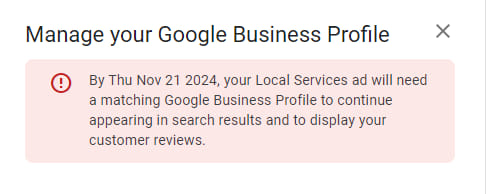
BlogUnderstanding the Shift: Are GBP Reviews Replacing LSA Reviews? Yes, Google Business Profile (GBP) reviews have officially replaced separate Local Services Ads (LSA) reviews across all service verticals. Google retired the standalone LSA review system, consolidating all customer feedback, ratings, and moderation under unified GBP profiles. Consequently, your GBP rating and review velocity directly determine your LSA ad positioning, conversion rates, and overall lead generation performance. We have monitored this structural shift across hundreds of local client campaigns in the field. When Google began transitioning local account requirements, many service business owners assumed paid ad placements would remain insulated from organic Map Pack signals. Our real-world testing quickly proved that assumption wrong, as LSA ad rank now mirrors GBP health almost instantly. Understanding this consolidation is no longer optional for home service and professional service providers who depend on paid local leads. The Evolution Timeline of LSA and GBP Integration Google executed the consolidation of Local Services Ads and Google Business Profiles through a multi-phase roadmap spanning late 2024 into early 2026. This migration established mandatory GBP linking, phased out legacy LSA review links, introduced unified Google Verified badging, and adjusted algorithmic ranking parameters to emphasize review recency and posting velocity. We tracked each milestone as Google systematically aligned its paid search ecosystem with Maps data infrastructure. Below is the full operational timeline mapping every critical update that redefined local search visibility for service businesses. Date Milestone Event Operational Impact November 2024 Mandatory Profile Linking Google required a verified, public GBP to launch or maintain active LSA campaigns. July 2025 LSA Review Retirement Standalone LSA review submission systems were disabled, shifting management exclusively to GBP. October 2025 Google Verified Rollout Google Guaranteed and Screened badges were replaced by a unified Google Verified checkmark. January 2026 Recency Weight Increase Search algorithms increased ranking penalties for stale profiles lacking fresh monthly feedback. February 2026 Zero-Review Activation Minimum review thresholds were removed for ad launches, though unreviewed ads rank poorly. Why Google Consolidated LSA and GBP Review Systems Google merged review systems to eliminate consumer confusion caused by conflicting star ratings and to curtail widespread review spam. By routing all feedback through Google Business Profile, Google applied advanced Map Pack spam filtering models, established a single source of brand trust, and simplified review collection workflows for local merchants. Before this update, consumers frequently encountered conflicting ratings for the same business across Map listings and ad modules. Furthermore, legacy LSA review links lacked algorithmic moderation filters, making them targets for third-party manipulation and fake submissions. In our field operations, we observed dishonest competitors inflating standalone LSA ratings while maintaining subpar organic standing. By migrating all review infrastructure to GBP, Google enforces stricter user-generated content policies managed through Google Business Profile Help guidelines. This unified governance ensures that every submitted review undergoes consistent anti-spam analysis before influencing ad rank or organic visibility. How GBP Reviews Directly Impact LSA Performance Your Google Business Profile star rating, total review volume, and monthly feedback velocity now directly control your Local Services Ads placement and lead costs. Google no longer evaluates LSA account credibility separately, meaning profile suspensions, negative review spikes, or stagnant feedback immediately diminish your ad auction competitiveness. While Google eliminated the minimum review requirement to launch new LSAs in February 2026, launching without reviews yields minimal visibility. In our client accounts, unreviewed profiles struggle to win top-three carousel placements against established competitors. We consistently see that review recency—how often new ratings arrive—carries greater algorithmic weight than total historical review counts. Another major operational change occurred when Google retired the old Google Guaranteed badge and its 2,000 US Dollars claim limit. The new Google Verified checkmark confirms background checks, licensing, and insurance, but consumer trust now relies heavily on your overall GBP review rating. Real-World Field Challenges and Our Resolution Framework When Google completed the review migration, service businesses faced sudden lead drops, orphan review links, and billing discrepancies caused by unoptimized profiles. We resolved these complex issues by executing link audits, establishing immediate post-service outreach workflows, and training client staff on lead dispute protocols within strict operational parameters. In one notable case, an HVAC client saw their LSA lead volume collapse by 60 percent within two weeks. Upon investigation, we discovered their automated customer management system was sending outdated LSA review links that had ceased functioning. We resolved the breakdown by updating their software integrations with direct GBP short links and implementing automated post-service text messages sent within two hours of job completion. In another scenario, a plumbing firm suffered high lead charges due to unhandled non-lead calls. We implemented a rapid lead-triage protocol to address Google’s billing rule, where any call lasting 30 seconds or longer incurs a charge. We trained their dispatchers to qualify calls within 20 seconds, eliminating invalid charges and boosting their algorithmic responsiveness score. LSA Ranking Factors Decision Framework Maximizing LSA visibility requires balancing profile metrics, operational responsiveness, and campaign settings according to Google’s updated priority hierarchy. Strategic resource allocation should prioritize GBP review velocity and fast call answering over simple budget increases, as spend alone cannot compensate for a weak or inactive reputation score. To help service providers allocate marketing spend efficiently, we developed an evaluation framework based on real-world campaign data. Understanding these trade-offs ensures that campaign adjustments deliver high return on investment without wasting ad dollars. Ranking Factor Impact Level Strategic Priority Primary Trade-off GBP Rating & Volume Primary Impact High Priority Requires ongoing customer service effort; cannot be bought or bypassed. Review Recency & Velocity High Impact High Priority Demands consistent post-job outreach rather than sporadic review campaigns. Call Answer Rate High Impact Critical Priority Requires strict dispatcher availability; missed calls penalize overall ad rank. Profile Completeness Moderate Impact Quick Win One-time setup task; failure to maintain causes profile suspension risks. Ad Budget & Bidding Moderate Impact Conditional Higher spend yields top placement only if underlying review trust score is high. Action Plan for Optimizing Your GBP for LSA Success To succeed in the unified LSA
