

API-Driven SEO Architecture: Automate Indexation And Scale Search Performance
BlogThe Strategic Advantages of API-Driven Search Engineering API-driven search engineering replaces manual web portal exports with automated, direct server connections between search engines, relational databases, and enterprise content systems. This programmatic approach eliminates operational reporting lags, accelerates crawler discovery, removes data sampling constraints, and enables real-time monitoring of technical search metrics across enterprise web properties. Transitioning from manual site audits to automated programmatic pipelines shifts search management from reactive troubleshooting to proactive engineering. Instead of waiting for weekly crawl reports, server scripts continuously monitor HTTP status codes, canonical link integrity, and indexing states. Direct API integrations unlock foundational operational advantages for rapidly expanding enterprise websites: Unfiltered Performance Metrics: Querying search analytics endpoints programmatically bypasses portal interface export restrictions, yielding complete dataset access for granular query and landing page analysis. Accelerated Crawl Discovery: Pushing modified or new URLs directly to ingestion endpoints alerts web crawlers immediately, cutting discovery timelines from weeks down to hours. Unified Revenue Attribution: Pipelines connecting search performance endpoints with customer relationship management databases allow us to evaluate customer acquisition costs and organic revenue in USD. Automated Technical Safeguards: Triggering cloud-based headless site audits on automated cron schedules highlights redirect loops, broken links, and structured data errors before rankings suffer. Synchronized Local Visibility: Automatically syncing operational hours, addresses, and phone numbers across mapping networks preserves local search consistency across regional business directories. Technical Matrix of Search Engine APIs and Middleware Protocols Selecting the correct search endpoints requires aligning data pipeline requirements with specific rate limits, quotas, and structural system capabilities. Engineering custom middleware allows enterprise teams to unify search diagnostics, programmatic URL indexation, local directory syncing, and content publishing into a single real-world operational dashboard. API Category Primary Tooling Key Technical Endpoints Quota & Rate Limits Operational Value Search Engine Diagnostics Google Search Console API searchAnalytics.query, urlInspection.index.inspect 1,200 Queries Per Minute per site; 50,000 max rows per daily query response Extracts unfiltered query performance, click metrics, and URL verification statuses at scale. Programmatic Indexing Google Indexing API urlNotifications:publish, urlNotifications:getMetadata 200 publish requests per day default project limit Directs crawler bots immediately to newly published or updated job postings and broadcast event markup. Multi-Engine Protocol IndexNow API /indexnow 10,000 URLs per payload payload, unlimited daily URL submissions Delivers instant push notifications to participating search engines simultaneously upon content updates. CMS Management WordPress REST API /wp/v2/posts, /wp/v2/pages, /wp/v2/taxonomies Governed strictly by origin server hardware performance Modifies meta tags, updates custom fields, and publishes pages programmatically without user UI overhead. Competitive Intelligence Third-Party APIs (Ahrefs, SEMrush) /v3/backlinks, /v3/domain_rank, /v3/keywords Variable limits determined by platform subscription tiers Monitors competitor backlink growth, domain metrics, and keyword position volatility programmatically. Automated Technical Audits Screaming Frog CLI / Cloud APIs audit.start, reports.export, crawl.status Configured via local hardware capabilities or cloud instance limits Executes scheduled headless site crawls and exports structured technical audit logs directly to data warehouses. Integrating these endpoints into a centralized system ensures continuous data flows across your technical stack. Enterprise web developers can review the Google Search Console API documentation for specific query limits. For instant cross-engine discovery protocols, developers should refer to the official IndexNow Protocol Specification. Synchronizing Local Directory Data and Reputation Workflows Automated API pipelines resolve regional search visibility issues by synchronizing local business data directly across mapping platforms and directory networks. Connecting enterprise customer relationship management platforms to location endpoints maintains uniform business information, accelerates customer review processing, and strengthens real-time local search trust signals. Inconsistent NAP (Name, Address, Phone) data across external directories directly damages local map pack rankings. When multi-location enterprises update operational schedules or contact details inside their central database, custom pipeline webhooks transmit those adjustments instantly to directory networks. This eliminates manual profile editing and ensures that mapping applications reflect accurate operating parameters. Programmatic workflows also streamline local review acquisition and response monitoring. By polling local profile review feeds through automated endpoints, our systems flag negative feedback instantly for priority client routing. Maintaining rapid review response rates reinforces local trust signals and elevates local map pack positions. Field Case Studies: Resolving Enterprise Technical SEO Bottlenecks Real-world technical search challenges require engineered middleware integrations to restore search visibility and prevent revenue loss during complex architecture shifts. Our field experience demonstrates how programmatic indexing queues and automated directory synchronization resolve severe indexing lags and multi-location data fragmentation across enterprise operations. E-Commerce Migration Indexing Recovery Migrating enterprise e-commerce platforms often triggers severe crawl delays when search engine crawlers fail to discover updated canonical URLs through static XML sitemaps. We resolved a major catalog migration bottleneck by deploying automated queue middleware that submitted revised canonical links directly to search engine inspection endpoints. An online retailer migrating 60,000 product pages experienced severe indexation delays, leaving newly published canonical pages uncrawled for three consecutive weeks. We engineered an automated backend pipeline that monitored catalog state changes and dispatched batch payloads to search crawlers whenever product pages updated. Crawler Activity: Server logs showed a 310 percent increase in search bot request volume within 14 days of pipeline deployment. Discovery Timeline: Average search crawler discovery time for new canonical URLs fell from 21 days to under 48 hours. Revenue Protection: Organic traffic restored fully within six weeks, preserving over 180,000 USD in e-commerce sales. Multi-Location Business Data Synchronization Distributed service brands frequently experience ranking losses when conflicting address, name, and phone information spreads across third-party directories. We eliminated manual update costs for a regional service network by building a centralized location data pipeline that programmatically refreshed directory entries and removed duplicate profiles. A service enterprise operating 140 regional offices faced declining map pack visibility due to conflicting store listings across online directories. Updating these profiles manually consumed hundreds of staff hours and produced inconsistent results. We deployed a centralized database pipeline that synchronized canonical business information directly to third-party endpoints. Profile Accuracy: Business information consistency across all 140 regional profiles reached 100 percent within 72 hours. Local Impressions: Map pack search impressions expanded by 38 percent across targeted regional searches over 90 days. Inbound Leads: Inbound phone inquiries originating directly from
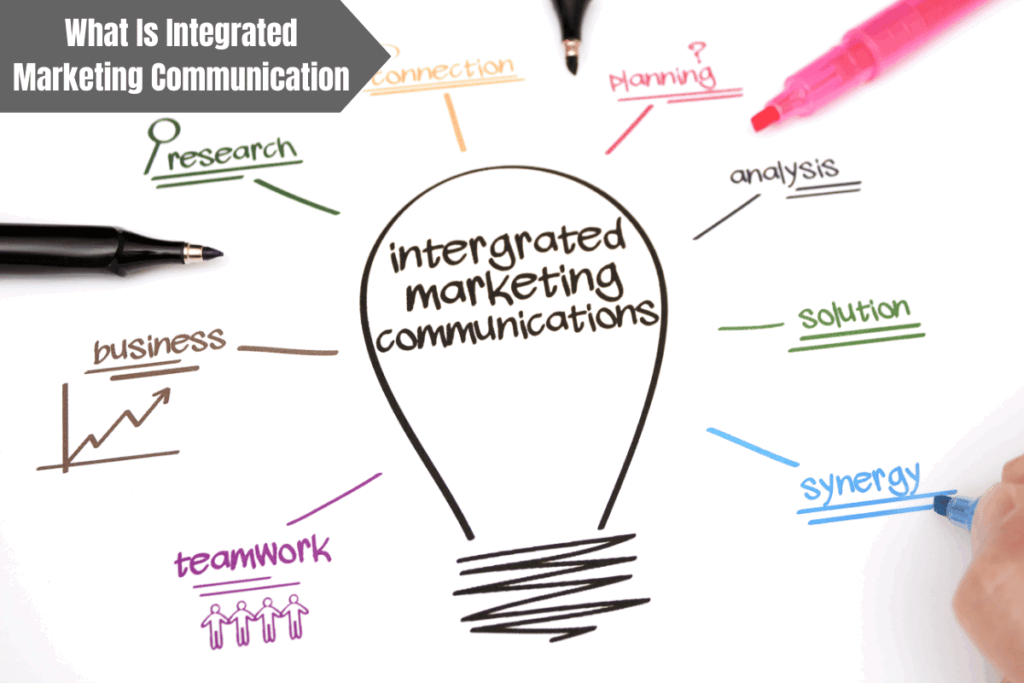
Mastering Integrated Marketing Communication: Boost Your Brand’s Consistency
BlogStrategic Fundamentals of Integrated Marketing Communication Integrated Marketing Communication is a strategic operational framework that unifies all brand messaging, marketing channels, and customer touchpoints into a single, cohesive narrative. By aligning digital channels like organic search, social media, paid media, and local listings, we eliminate brand friction and build lasting consumer trust across every stage of the buyer journey. In our agency experience, fragmented marketing efforts produce customer confusion and drain corporate resources. When individual marketing teams operate in isolation, prospective clients receive contradictory brand signals that diminish conversion rates. We design integrated strategies so that every piece of communication reinforces the primary brand positioning. To execute a cohesive communication strategy, we establish baseline messaging standards that guide every public-facing channel. This structure ensures that content on your corporate website directly aligns with automated email sequences, digital advertisements, and local directory listings. Through this disciplined approach, we turn disconnected tactical efforts into a unified marketing engine. The Business Value and Impact of Channel Alignment Channel alignment delivers measurable business value by maximizing budget efficiency, improving prospective buyer acquisition, and significantly expanding long-term customer lifetime value. When we harmonize organic search positioning, local listings, and outbound communication streams, we create a compound conversion effect that reduces customer acquisition costs while boosting overall operational profitability. In consistent customer journey studies, buyers rarely make purchasing decisions through a single touchpoint. According to Invesp research, organizations maintaining unified customer engagement across channels retain 89 percent of their customer base compared to only 33 percent for companies running disconnected campaigns. This retention differential directly impacts top-line revenue growth over multi-year operational cycles. Furthermore, multi-channel exposure increases purchase velocity and initial contract values. According to an Omnisend benchmark report, campaigns utilizing three or more marketing channels deliver 287 percent higher purchase rates than single-channel efforts. By synchronizing search engine optimization with targeted outbound communications, we capture consumer interest at the exact moment of search intent. Core Components of an Integrated Marketing Execution Framework An effective Integrated Marketing Communication strategy requires four interconnected structural pillars: baseline messaging alignment, intentional channel allocation, synchronized content optimization, and closed-loop performance tracking. We establish these operational components to ensure every touchpoint—from local Google Business profiles to technical search optimization—functions as an interdependent asset. Core Messaging Consistency We begin by establishing a single source of truth for all corporate messaging assets. This foundational document defines core value propositions, target audience personas, and distinct tone-of-voice parameters. Every department references this baseline to ensure that short-form promotional posts and deep-dive technical articles reflect the exact same brand principles. Strategic Channel Allocation Not every digital platform merits equal capital investment or operational bandwidth. We analyze historical customer acquisition data to deploy resources strictly toward channels where your target audience demonstrates high conversion intent. This selective distribution prevents team burnout and maintains high standards across active touchpoints. Channel Category Strategic Operational Purpose Primary Performance Metric Integrated Alignment Tactic Local Search Listings Captures high-intent local audience search volume Conversion rate from map pack placement Sync customer review terms with landing page keywords Organic Search Architecture Builds authoritative topical authority and search visibility Non-branded organic traffic growth Align technical blog topics with sales objection queries Direct Nurture Sequences Educates qualified prospects during consideration phases Repeat engagement rate and open velocity Mirror paid advertisement copy inside email messaging Social Engagement Delivers brand personality and community proof Engagement rate per target audience view Repurpose long-form search content into summary insights Search Engine Optimization and Content Synchronization Technical search engine optimization forms the structural infrastructure of digital visibility. We ensure that page speed enhancements, structured schema markup, and content architecture support your broader brand campaigns. When technical website health matches high-value content messaging, search engine algorithms prioritize your domain over disorganized competitors. Continuous Data Measurement and Optimization Integrated marketing requires iterative refinements based on empirical performance data. We implement cross-channel attribution tracking to evaluate how mid-funnel content contributes to final customer acquisition. This feedback loop allows us to reallocate marketing capital rapidly to high-performing communication channels. Real-World Field Case: Resolving Complex Brand Fragmentation Resolving real-world brand fragmentation requires dismantling internal operational silos and synchronizing technical optimization with market-facing collateral. In our client engagements, we diagnose technical discrepancies, consolidate isolated marketing tools, and reconstruct communication workflows to transform disjointed regional campaigns into unified, revenue-generating digital ecosystems. We recently resolved a major operational challenge for a regional service enterprise operating five branch locations in Southern California. The business faced a 38 percent decline in lead conversion efficiency despite increasing total paid acquisition spend. Upon conducting a forensic audit of their marketing architecture, we uncovered severe channel fragmentation across their locations. Our initial diagnostic revealed three critical failure points in their customer touchpoint delivery: Their paid search ads promoted promotional rates that contradicted prices listed on their primary website. Local Google Business profiles contained disparate service descriptions and obsolete NAP (Name, Address, Phone) contact data. Automated customer onboarding emails failed to reinforce the service guarantees featured on landing pages. To resolve these systemic issues, we initiated a sequential four-step alignment process: Standardized corporate service offerings and promotional structures across all digital assets into a single central repository. Implemented structured local schema markup and cleaned up citation data across all regional directory listings. Re-architected landing pages to match paid ad messaging and optimized site loading speeds to under 1.8 seconds. Integrated customer relationship management data with outbound email sequences to deliver personalized post-click communication. Within 120 days of implementing this integrated framework, the client achieved a 185 percent increase in organic local search impressions. Furthermore, their lead-to-opportunity conversion rate expanded by 34 percent while reducing overall customer acquisition spend by 22,000 US Dollars per month. Diagnostic Decision Framework and Trade-Off Analysis Selecting the appropriate campaign integration model requires evaluating specific operational trade-offs between speed to market, execution complexity, and resource allocation. If you prioritize rapid brand visibility, focus on synchronizing local search listings with direct response campaigns; if you require long-term customer retention, build integrated nurture sequences anchored by technical SEO. When evaluating your
