Essential SEO FAQs for 2025: Strategies for Success
BlogSEO FAQs for 2025 Moving Forward: Let’s Cut Through the Noise Hey there, SEO nerds and business hustlers! Let’s get real for a minute. If you’re still treating SEO like a “set it and forget it” task, 2025 might just hit you like a ton of bricks. Algorithms are evolving faster than your aunt’s conspiracy theories on Facebook, and keeping up feels like running a marathon in flip-flops. But don’t panic—we’ve got your back. At Sitelinx Organic SEO Agency (yes, we’re the Los Angeles-based rebels who geek out over keyword rankings), we’ve been knee-deep in the trenches. Let’s break down what actually matters for SEO in 2025 and beyond—no fluff, no jargon, just straight talk. Why SEO Still Isn’t Dead (And Never Will Be) Let’s squash this myth once and for all: SEO isn’t going anywhere. Sure, TikTok dances and Instagram Reels are fun, but when it comes to driving sustainable traffic, nothing beats a well-optimized website. Think of SEO as the foundation of your digital house. You wouldn’t build a mansion on quicksand, right? Here’s the deal for 2025: Google’s getting smarter (and pickier). Core updates now prioritize user intent over keyword stuffing. If your content doesn’t answer questions like a helpful friend, you’ll get buried. Voice search is exploding. “Hey Google, find me the best SEO company near me” isn’t just a casual query—it’s a goldmine for local SEO. Technical SEO services are non-negotiable. Slow sites? Broken links? Mobile-unfriendly designs? Google’s side-eyeing you harder than a barista decaf-ing your order. Pro tip: Partnering with an SEO agency that understands these shifts (like, ahem, Sitelinx) isn’t just smart—it’s survival. Local SEO in 2025: Your Neighborhood Just Got Digital Raise your hand if you’ve Googled “best coffee near me” this week. Exactly. Local SEO isn’t just for brick-and-mortar shops anymore—it’s the secret sauce for any business with a physical presence (or even a service area). Here’s what’s changing: Google Business Reviews Are Your New Billboard Google’s leaning hard into reviews. A 4.5-star rating isn’t just ego fuel; it’s a ranking signal. Respond to reviews (yes, even the salty ones), and keep your profile updated. Fun fact: At Sitelinx, we’ve seen clients boost local traffic by 60% just by optimizing their Google Business profiles. Hyperlocal Content is King Forget generic “SEO services in Los Angeles” blogs. Write about “Why Echo Park Small Businesses Need Technical SEO Services in 2025.” Get specific, get personal, and watch your local rankings climb. Technical SEO: The Boring Stuff That Makes Magic Happen Let’s be honest—technical SEO sounds about as exciting as folding laundry. But here’s the kicker: if your site’s a mess under the hood, even the shiniest content won’t save you. Top priorities for 2025: Core Web Vitals: Google’s still obsessed with speed, stability, and responsiveness. Use tools like PageSpeed Insights to avoid being labeled “slow” (the ultimate digital insult). Structured data markup: Help Google “get” your content by tagging recipes, events, or products. It’s like giving the algorithm a roadmap. Mobile-first indexing: If your site isn’t mobile-friendly, you’re basically invisible. FYI, our team at Sitelinx once rescued a client’s site that took 12 seconds to load. After some website management wizardry, it now loads in 2.3 seconds—traffic tripled. Boring? Maybe. Game-changing? Absolutely. WordPress SEO services: Because 43% of the Web Can’t Be Wrong If your site runs on WordPress, congrats—you’re in good company. But here’s the catch: not all WordPress sites are created equal. WordPress SEO checklist for 2025: Plugins: Yoast SEO is great, but don’t let it lull you into complacency. Pair it with a caching plugin (like WP Rocket) and ensure your theme isn’t bloated. Security updates: Hackers love outdated plugins. Update regularly or risk becoming a cautionary tale. Customization: Generic themes = generic results. Work with an SEO specialist to tweak your site’s backend for speed and usability. At Sitelinx, we’ve handled enough WordPress SEO services to know that a well-optimized site can outrank flashier competitors. It’s like bringing a knife to a gun fight… except the knife is a lightsaber. Choosing the Best SEO Company for Small Business “But there are a million SEO companies! How do I pick?!” We feel you. Here’s our no-BS guide: Red Flags to Avoid Guaranteed #1 rankings: If they promise this, run. Fast. One-size-fits-all packages: Your business isn’t a McMuffin. Demand tailored strategies. Zero transparency: You deserve to know where your money’s going. Green Flags to Embrace Proven track record: Look for case studies or client testimonials. Holistic approach: The best SEO companies for small business (like us, hint hint) blend local SEO, content, and technical fixes. Communication: Your marketing consultant should reply faster than your ex’s “u up?” text. SEO in 2025: Your FAQs, Answered Q1: “How much does SEO cost?” A: Depends. A small business might spend $500–$2,500/month, while larger campaigns hit $5k+. But IMO, it’s cheaper than paid ads long-term. Q2: “How long until I see results?” A: SEO’s a marathon, not a sprint. Expect 3–6 months for traction. But hey, good things come to those who wait (and optimize). Q3: “Can’t I just DIY my SEO?” A: Sure, if you’ve got time to learn schema markup and run your business. For everyone else, hiring an SEO agency is like hiring a plumber—you could fix the leak yourself, but do you really want to? The Future of SEO? It’s Brighter Than You Think Look, SEO isn’t getting simpler—but that’s why we’re here. Whether you’re wrestling with Google Business reviews or need a full technical SEO services overhaul, Sitelinx Organic SEO Agency has your back. We’re not just another “best SEO company” billboard; we’re your partners in crushing rankings. So, ready to stop chasing algorithms and start mastering them? Let’s chat. Because in 2025, the only thing better than ranking #1 is staying there. P.S. If you’re still reading, congrats—you’re officially an SEO nerd. Welcome to the club 🙂 SEO Strategy Comparison Table Strategy 2024 Focus 2025 Adjustments Local SEO Optimize Google My Business Leverage AI for hyperlocal content Technical
Do Social Signals Influence Google Rankings?
BlogIs It True Social Signals Help To Boost Rankings On Google Search? Let’s Break It Down Ever scrolled through Instagram, seen a post go viral, and thought, “If only Google loved my website this much…”? We’ve all been there. Social media feels like it should matter for SEO—after all, isn’t everything connected these days? But do likes, shares, and retweets actually nudge your site up the search rankings? Let’s cut through the noise and figure this out together. Spoiler: It’s complicated (but we’ll make it simple). Here at Sitelinx Organic SEO Agency in Los Angeles, we’ve fielded this question more times than we’ve had iced coffees—and that’s saying something. So grab your beverage of choice, and let’s dive into the messy, fascinating relationship between social signals and Google rankings. What Even Are “Social Signals”? Let’s Start Here Imagine social signals as the digital equivalent of gossip. When people share your content, comment on it, or tag their friends, they’re basically whispering, “Hey, this is worth paying attention to!” These signals include: Likes, shares, retweets: The classic vanity metrics. Comments and replies: Real conversations = social proof. Brand mentions: When someone talks about you without tagging you (like a shoutout in a Facebook group). But here’s the kicker: Google has never officially confirmed that social signals directly impact rankings. So why does everyone keep arguing about this? The Google Connection: Correlation vs. Causation Let’s get nerdy for a second. Studies do show that content ranking high on Google often has strong social engagement. But does that mean social activity causes better rankings? Not necessarily. Think of it like this: A popular restaurant usually has a clean kitchen, but the cleanliness isn’t why it’s popular. It’s just a side effect of being well-run. In the same way, content that’s shareable tends to also be: High-quality: Useful, entertaining, or both. Well-optimized: Proper keywords, meta tags, and mobile-friendly design. Linked internally: Good website management connects related content. So while social signals might not be a direct ranking factor, they’re often a symptom of content that’s already SEO-friendly. Confused yet? Let’s simplify. Why Social Media Still Matters for SEO (Even If Google Says “Nah”) Google might not be taking notes on your TikTok followers, but ignoring social media is like skipping leg day at the gym—everything else might look good, but you’ll stumble eventually. Here’s why: 1. Brand Visibility = More Backlinks When your content goes viral, other websites notice. A viral blog post about “The Best Coffee Shops in LA” could earn backlinks from local bloggers, news sites, or even Yelp. And backlinks? Those definitely boost SEO. 2. Social Profiles Rank in Search Results Google LOVES showing social profiles (like LinkedIn or Twitter) in search results. Optimizing your social accounts with keywords and local SEO tactics means you’ll dominate more real estate on the results page. 3. Audience Insights Fuel Better Content Social media comments are a goldmine for understanding what your audience cares about. Struggling with blog ideas? Check your DMs. 4. Google Business Reviews Are Social Signals Too Wait, reviews aren’t just for Yelp! Positive Google Business reviews improve local SEO by boosting trust and relevance. At Sitelinx, we’ve seen clients’ rankings jump after cleaning up their review game. The Cold Hard Truth: What Actually Moves the Needle for SEO Let’s be real: If social signals were the magic SEO bullet, we’d all be posting cat memes 24/7. But SEO isn’t that simple. Here’s what matters more: ✅ Technical SEO Services Broken links, slow site speed, and poor mobile optimization will tank your rankings faster than a tweetstorm gone wrong. ✅ Quality Content (No, Really) Google’s algorithm can smell fluff from a mile away. Invest in content that answers questions, solves problems, or makes people laugh. ✅ Local SEO for the Win If you’re a small business, local SEO is your best friend. Optimize for “near me” searches, claim your Google Business profile, and watch local traffic roll in. ✅ Backlinks from Authority Sites A single link from a site like Forbes or HubSpot is worth 1,000 social shares. ✅ Website Management That Doesn’t Suck Regular updates, security patches, and fresh content keep Google’s bots coming back. FYI: At Sitelinx, we bake all this into our WordPress SEO services. Because why juggle ten tools when you can have one actual SEO specialist handle it? When Social Signals Do Make a Difference Alright, time to stop dunking on social media. Here are three scenarios where social activity indirectly boosts SEO: Launching a New Product or Service A social media blitz can drive traffic to your site, signaling to Google that your content is relevant. Pair this with a solid technical SEO foundation, and you’ve got momentum. Building Relationships with Influencers Influencers sharing your content can lead to backlinks, press features, or collaborations—all SEO gold. Crisis Management Negative viral posts can harm your reputation (and traffic). Addressing issues publicly shows Google you’re trustworthy. “But Wait, My Competitor Is Ranking Higher Just Because They’re Popular on Instagram!” First, take a deep breath. Now, let’s dissect this: Are they using their social bios to link to optimized landing pages? Is their content actually better than yours? (Be honest.) Do they have a ton of Google Business reviews? More often than not, their success comes from a mix of SEO basics and social hustle. Which brings us to… How to Use Social Media Without Losing Your Mind You don’t need to be everywhere. Focus on platforms where your audience hangs out. For example: B2B? LinkedIn and Twitter. Local business? Facebook and Google Business. Visual brands? Instagram and Pinterest. Pro tip: Use social media to repurpose your SEO content. Turn a blog post into a carousel, a video, or a Twitter thread. The Sitelinx Approach: Marrying Social and SEO Here’s where we brag a little (but only because it works). As an SEO agency that’s helped dozens of LA businesses rank higher, we’ve learned that success comes from: Integrating social insights into keyword research (what’s buzzing on
Essential SEO Services for Every Business: Why You Can’t Afford to Ignore It
BlogWho Actually Needs SEO? (Spoiler: It’s Not Just Tech Bros) Let’s get real—SEO isn’t just for Silicon Valley startups or faceless corporations. In fact, if you’re reading this and thinking, “Eh, SEO’s not for me,” you’re probably exactly the person who needs it. We’ve seen it all: the bakery down the street, the freelance graphic designer, even the dog groomer with a “vibey” Instagram but zero website traffic. Spoiler: They all benefit from SEO. And no, you don’t need a crypto budget or a team of coders. Let’s break it down. (Full disclosure: We’re Sitelinx Organic SEO Agency, a Los Angeles-based crew that’s been geeking out over SEO since dial-up was cool. We’ll mention ourselves a few times here—not to be obnoxious, but because we genuinely love helping businesses like yours.) “But I’m Just a Small Business—Do I Really Need SEO?” Short answer? Yes. Long answer? Hell yes. Let’s squash the myth that SEO is only for Fortune 500 companies. Small businesses might benefit the most from SEO because: Local SEO puts you on the map (literally). When someone Googles “best coffee shop near me,” you want to pop up—not your rival across town. Budgets are tight. Unlike paid ads, SEO builds organic traction over time. Think of it as a marathon, not a sprint. (Or, if you’re like us, a Netflix binge—slow but addictive.) Google Business reviews can make or break you. SEO helps you manage your online rep without begging Aunt Karen for 5 stars. When Should You Hire an SEO Company? Your website’s traffic looks like a ghost town. Your competitors are ranking higher for the same keywords. You’ve tried DIY SEO and ended up down a 3 a.m. Reddit rabbit hole. (Shameless plug: We’re one of the best SEO companies for small business because we speak human, not jargon. Need help? We’re in L.A., but we work with businesses everywhere.) “I Have a WordPress Site—Am I Safe?” WordPress is like a Swiss Army knife: powerful, but only if you know how to use it. WordPress SEO services aren’t optional—they’re essential. Why? Plugins like Yoast are great, but they won’t fix technical SEO issues like slow load times or broken links. Default themes often have clunky code that Google hates. Without proper optimization, your blog could be shouting into the void. DIY vs. Hiring an SEO Specialist We get it—you’re busy running a business, not obsessing over meta tags. Here’s when to call in the pros: You’re using WordPress but have no idea what “schema markup” means. Your site’s backend looks like hieroglyphics. You’d rather focus on your craft (like baking sourdough) than stress over website management. (Psst: Sitelinx offers WordPress SEO services tailored for real people. We’ll handle the techy stuff so you can get back to your bread.) “What Even Is Technical SEO?” (And Why Should I Care?) Technical SEO is the behind-the-scenes magic that makes Google adore your site. Ignore it, and you’re basically hiding your business in a digital witness protection program. Here’s the cheat sheet: Technical SEO Checklist Mobile optimization: If your site isn’t mobile-friendly, Google will drop you faster than a bad Tinder date. Site speed: Slow load times = frustrated visitors. Aim for under 3 seconds. Structured data: Helps Google “read” your site. Think of it as a translator for algorithms. Still confused? That’s where technical SEO services come in. Agencies like ours audit your site, fix the gremlins, and make sure Google’s algorithms are fist-bumping your content. The SEO Hall of Shame: Businesses That Think They Don’t Need SEO Let’s roast some common offenders: The “We’re on Social Media!” Café: Congrats—your Instagram has 10K followers. But if your website doesn’t rank, you’re missing out on locals searching for “brunch spots.” The “Word of Mouth Is Enough” Plumber: Sure, referrals are golden. But what happens when someone urgently Googles “burst pipe repair”? The “Our Industry Doesn’t Do SEO” Law Firm: Wrong. Even attorneys need to rank for “DUI lawyer near me.” The Fix Invest in local SEO to dominate your neighborhood. Combine SEO with a marketing consultant’s strategy for a 360-degree approach. Start yesterday. SEO takes time—like aging wine or growing a beard. When to Hire the Best SEO Agency (and When to DIY) DIY SEO: For the Brave & Budget-Conscious You can handle basics like: Adding keywords to page titles. Posting weekly blogs. Claiming your Google Business Profile. Call the Pros If… Your traffic flatlined. You’re drowning in Google Business reviews (good or bad). You need technical SEO services but think “caching” is something pirates do. (Another plug: Sitelinx is a top SEO agency because we’re equal parts nerds and normal humans. No ego, just results.) SEO Myth-Busting: “But My Friend Said…” Let’s debunk nonsense with facts: “SEO is a one-time thing.” Nope. It’s like flossing—consistency matters. “More keywords = better rankings.” Google penalizes keyword stuffing. Write for humans, not robots. “All SEO companies are scams.” Ouch. But fair. Always check reviews and ask for case studies. The Ultimate SEO Cheat Sheet Business Type Why SEO? Priority Tasks Local Brick & Mortar Dominate local SEO & Google Maps Optimize Google Business Profile, collect reviews E-commerce Store Rank for product keywords Fix duplicate content, optimize product pages Service-Based Biz Convert “near me” searches Build location pages, leverage testimonials Bloggers/Content Creators Boost organic traffic Master WordPress SEO, fix internal linking FAQs (Because We Know You’re Curious) Q: How long does SEO take to work? A: 3–6 months for solid traction. SEO’s a slow burn, but worth the wait. Q: What’s the #1 SEO mistake businesses make? A: Ignoring technical SEO. You can’t outwrite a broken site. Q: How do I choose the best SEO company? A: Look for transparency, case studies, and a vibe check. If they sound like robots, run. Wrapping Up (With a Bow & a Nudge) SEO isn’t a luxury—it’s a lifeline for businesses that want to actually get found. Whether you’re a WordPress warrior, a local shop, or a service pro, there’s an SEO strategy with

Maximize Your Local SEO Success with PlePer Tools | Sitelinx Agency
BlogHey There, Local SEO Enthusiasts! Let’s Talk PlePer Tools (And Why They’re a Game-Changer) So, you’ve got a local business, and you’re tired of playing hide-and-seek with Google, right? One day you’re on page one; the next, you’ve vanished faster than a free doughnut at a staff meeting. We’ve been there. Let’s cut through the noise and talk about how PlePer’s Local SEO Tools—paired with some good ol’ strategy—can turn that chaos into consistency. And hey, since we’re the Sitelinx Organic SEO Agency in Los Angeles, we’ll toss in some insider tips (and a few laughs) along the way. Why Local SEO Matters More Than Ever (Spoiler: It’s Not Just About Google) Let’s get real: if your business isn’t showing up when someone nearby Googles “best coffee shop” or “emergency plumber,” you might as well be invisible. Local SEO isn’t just a buzzword—it’s your digital storefront. And tools like PlePer? They’re the Swiss Army knife you didn’t know you needed. Here’s the kicker: 46% of Google searches are local. Forty-six percent. That’s like ignoring half your potential customers! Google Business reviews can make or break your reputation (and your rankings). Without technical SEO services, even the prettiest website might as well be a billboard in the desert. We’ve worked with dozens of small businesses at Sitelinx, and guess what? The ones who nail Local SEO always outshine competitors. It’s not magic—it’s strategy. PlePer’s Secret Sauce: Features We’re Obsessed With PlePer isn’t just another tool; it’s like having an SEO specialist in your pocket. Here’s why we’re fans: 1. Google Business Profile Management Made Easy Forget logging into 10 tabs to update hours or respond to reviews. PlePer lets you manage profiles in one dashboard. Pro tip: Google loves businesses that keep their info fresh. 2. Hyper-Local Keyword Tracking Why bother ranking for “best tacos” if you’re not tracking “best tacos in Echo Park”? PlePer’s geo-focused keywords are chef’s kiss. 3. Review Monitoring That Doesn’t Make You Sweat Got a bad review? PlePer alerts you instantly. Because nothing says “we care” like responding fast (and saving your 5-star average). “But Wait—How Does This Compare to Other Tools?” Glad you asked! Let’s break it down: Feature PlePer Generic SEO Tools Local Keyword Tracking ✅ Granular, neighborhood-level ❌ City-wide only Google Business Integration ✅ Full management + analytics ❌ Basic sync Review Response Templates ✅ Customizable & saved replies ❌ Manual typing every time FYI, most “best SEO companies for small business” (like yours truly, Sitelinx) use PlePer because it’s built for local wins. WordPress Users, Rejoice! PlePer Plays Nice With Your Site If your site runs on WordPress (and let’s face it, 43% of the web does), you’ll love PlePer’s WordPress SEO services integration. Sync your plugins, optimize meta descriptions, and fix broken links without leaving your dashboard. Our hot take: Pair PlePer with a website management pro (hi, that’s us) to avoid tech headaches. Because let’s be honest—if your site takes longer to load than your morning coffee brew, you’ve got a problem. “Should I DIY This or Hire an SEO Agency?” Great question! Here’s the deal: DIY: Perfect if you’ve got time to binge-learn SEO while running a business. (Spoiler: You don’t.) Hire a pro: Works if you want results without the 3 a.m. “Why am I not ranking?!” panic. At Sitelinx Organic SEO Agency, we blend PlePer’s tools with hands-on technical SEO services and content strategy. Think of us as your SEO co-pilot—minus the cheesy airline metaphors. 3 Common Local SEO Questions (Answered Without Jargon) 1. “How long until I see results?” It’s not microwave popcorn. Most businesses notice traction in 3–6 months. Consistency is key! 2. “Do Google reviews really matter?” YES. More reviews = higher rankings + trust. Just ask our client who doubled sales after we boosted their reviews. 3. “What’s the #1 mistake businesses make?” Ignoring website management. A slow, clunky site kills SEO—no matter how many keywords you stuff in. Ready to Stop Guessing and Start Growing? Look, we get it—Local SEO can feel like herding cats. But with tools like PlePer and a little help from your friends at Sitelinx (wink), you’ll turn chaos into clicks. So, what’s next? Try PlePer’s free trial (no credit card needed). Or, skip the trial-and-error and contact us for a strategy that actually works. Either way, quit hiding in Google’s shadows. Your future customers are searching—make sure they find you. P.S. If you’re still reading, you’re our kind of nerd. Let’s chat SEO over coffee ☕ (our treat).
Understanding the Shift: Are GBP Reviews Replacing LSA Reviews?
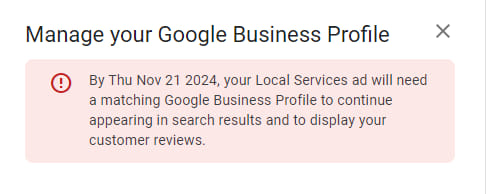
BlogGoogle has fully consolidated LSA customer reviews into Google Business Profiles (GBP). The separate LSA review system was officially retired on July 11, 2025. Since that date, all reviews for businesses using Local Services Ads are managed exclusively through GBP. The old LSA review link no longer works, and existing LSA reviews have been migrated (or removed) after passing through GBP moderation policies. This change means your GBP rating, review count, and review recency now directly determine your LSA ad rank, visibility, and lead volume. A well-optimized GBP is no longer optional — it is the engine that powers your Local Services Ads performance. What Actually Happened: The Timeline Date Event November 2024 A linked, verified GBP becomes mandatory to run LSAs July 11, 2025 LSA reviews fully managed by GBP; separate LSA review system ends Early 2025 Existing LSA reviews begin transitioning to GBP October 20, 2025 Google Guaranteed and Google Screened badges retire; single “Google Verified” blue checkmark launches January 2026 Google increases algorithmic weight on review recency and velocity February 2026 Minimum review requirement for LSA activation removed; businesses can launch LSAs with zero reviews Why Google Made This Change The old dual-review system created confusion and abuse: Fragmented Trust Signals: Customers saw one set of reviews on LSAs and another on GBP, with no way to reconcile them. Review Spam: Some advertisers purchased fake LSA reviews in bulk to manipulate ad rank. Low LSA Review Volume: Very few customers left reviews directly through the LSA platform, making LSA-only reviews a weak trust signal. By consolidating everything under GBP, Google: Applies its established Maps review policies (which are stricter and better enforced). Creates one authoritative reputation score per business. Simplifies review management for business owners. What This Means for Your Business Your GBP Rating Is Your LSA Rating The star rating and review count displayed on your Local Services Ads are now pulled directly from your GBP. There is no separate LSA rating anymore. Reviews Are No Longer Required to Launch — But Still Required to Win Google removed the minimum review requirement for LSA activation in February 2026. A brand-new business can launch LSAs with zero reviews. However: Review count, rating, and recency remain dominant LSA ranking signals. A business with zero reviews will struggle to appear in the top LSA carousel against competitors with strong GBP profiles. Review velocity — the rate at which you receive fresh reviews — has increased in algorithmic weight since January 2026. The Google Verified Badge Replaced Google Guaranteed As of October 20, 2025, the green “Google Guaranteed” and “Google Screened” badges were retired. One unified blue “Google Verified” checkmark now appears on all eligible LSAs. This badge confirms verified licensing, insurance, and background checks — but it does not include the former $2,000 money-back guarantee. Action Plan: What You Must Do Now 1. Audit and Fully Optimize Your Google Business Profile A suspended, incomplete, or unverified GBP will prevent your LSA ads from running entirely. Immediate Optimization Checklist: Verify your GBP is claimed, verified, and publicly visible Complete every profile field: business description, services, hours, service areas, attributes Upload high-quality, real job photos weekly (not stock images) Ensure Name, Address, and Phone number (NAP) match across all online listings Confirm your GBP review link is correctly set in your LSA dashboard Post weekly updates, offers, or events to signal activity to Google 2. Replace All Old LSA Review Links Stop using any legacy LSA-specific review links immediately — they no longer function. Generate your GBP review short link from the “Ask for reviews” section of your GBP dashboard. Update all customer touchpoints: website, email signatures, SMS templates, invoices, CRM software, and printed materials. 3. Train Your Team on the New Reality Every employee who interacts with customers must understand that GBP reviews now fuel LSA performance. Provide scripts for requesting reviews at the moment of service completion. Ensure phone handlers know the 30-second billing rule: any call lasting 30 seconds or longer is charged as a lead, regardless of outcome. LSA Ranking Factors in 2026: What Actually Matters Ranking Factor Impact Level Notes GBP star rating and review count Primary (highest impact) Pulled directly from your GBP; no separate LSA rating exists Review recency and velocity High — increased weight as of January 2026 Businesses with stale review profiles see sudden lead volume drops Lead responsiveness (missed calls tracked over 90 days) High Answer every call; missed calls directly hurt your rank GBP profile completeness and accuracy High Audit quarterly; inconsistent NAP damages visibility Business hours accuracy Moderate Update seasonally; incorrect hours erode trust signals Budget and bid settings Moderate Higher budgets can improve placement, but cannot compensate for a poor GBP Proximity to searcher Moderate Still a factor, but strong reviews can help overcome distance disadvantages Unresolved customer complaints Negative impact Can pause or penalize your ads Expired license or insurance Negative impact Can remove your Google Verified badge How to Build a GBP Review Strategy That Scales Timing: Ask Immediately After Service Completion The highest conversion window is when the customer is satisfied and the interaction is fresh — ideally within 24 hours of service completion. Multi-Channel Outreach Methods In-person request at the conclusion of the job SMS message with a direct link to your GBP review form Personalized email including the review link Review link embedded in invoices, receipts, and follow-up communications Respond to Every Review — Positive and Negative Google recently refreshed its guidance: replies must be helpful, human, and aligned with policy. A strong response strategy improves how customers perceive your business in Search and Maps. Thank positive reviewers sincerely; avoid generic copy-paste responses. Address negative reviews constructively — acknowledge the issue, offer a solution, and take the conversation offline when appropriate. Ethical Review Practices (Critical for 2026) Google has formalized stronger enforcement against fake and incentivized reviews, including profile restrictions and suspensions: Prohibited Practice Why It Matters Offering discounts, freebies, or gifts in exchange for reviews Violates Google policy; can trigger GBP suspension — which pauses your LSAs Review gating (selectively soliciting only happy