Locksmith Business Blueprint: Launch, Licensing, And Local SEO Strategy
How ToLocksmith Business Blueprint: Launch, Licensing, and Local SEO Strategy Operational Blueprint for Launching a Profitable Locksmith Business Building a successful locksmith operation requires combining physical mechanical skill, regulatory compliance, diagnostic software, and high-converting digital acquisition systems. In 2026, the United States locksmith industry generates 3.0 billion US Dollars annually across roughly 29,600 active establishments. Modern service technicians do not just pick mechanical deadbolts or duplicate house keys. We see leading technicians manage complex transponder key programming, cloud-based access control systems, and algorithmic local search channels. Launching a profitable operation requires securing official trade credentials, buying high-margin diagnostic machinery, passing strict digital verification checks, and dominating local search engines. Partnering with technical marketing experts ensures your mobile vans stay booked through organic search leads and Google Maps visibility. Industry Regulations, State Licensing, and Risk Mitigation Operating legally is mandatory before taking calls or launching marketing campaigns. Because technicians hold tools that bypass commercial and residential security infrastructure, local government agencies and search engines enforce heavy regulatory oversight. Regulatory Compliance and Licensing Mandates State Licensing Standards: Currently, 13 states enforce statewide locksmith licensing laws, including California, Texas, Illinois, Virginia, Nevada, Alabama, Connecticut, Louisiana, Maryland, New Jersey, North Carolina, Oklahoma, and Oregon. Florida deregulated statewide licensing, shifting enforcement to local county and municipal levels. Background Checks and Fingerprinting: Regulated jurisdictions require criminal history background checks processed through state law enforcement and the Federal Bureau of Investigation alongside Live Scan fingerprinting. Professional Industry Credentials: Earning designations through the Associated Locksmiths of America (ALOA), such as the Certified Registered Locksmith title, proves technical mastery and opens lucrative municipal contracts. Mandatory Risk Insurance: Standard operating policy requires a Commercial General Liability policy with minimum coverage limits of 1,000,000 US Dollars per occurrence, dedicated Commercial Auto Insurance for mobile units, and a Surety Bond. Corporate Entity Structuring: Forming a Limited Liability Company or S-Corporation isolates personal wealth from business liability while simplifying corporate tax filings under guidelines from the U.S. Small Business Administration. Resolving Multi-Jurisdictional Compliance Bottlenecks We worked with a multi-state mobile team operating across tri-state metro borders that hit an operational halt. They received cease-and-desist warnings because their corporate Doing Business As names did not match municipal vendor registries in neighboring cities. We fixed this bottleneck by auditing their corporate structure, standardizing Doing Business As filings across all active target jurisdictions, coordinating Live Scan clearances with state agencies, and re-aligning service territory boundaries. Resolving compliance roadblocks cleared the pathway to run high-volume local marketing without administrative interruptions. Defining Service Specialties and Technical Equipment Investment A frequent mistake new shop owners make is spending capital on low-margin tools while ignoring high-value service niches. We advise splitting investments across mobile emergency response, commercial building security, and automotive key programming. High-Margin Service Verticals Residential Locksmithing: Focuses on emergency lockouts, deadbolt installations, key rekeying, and smart lock integration. Smart locks account for over 25 percent of new residential installations. Commercial Access Control: Focuses on master key system design, panic hardware installation, electric door strikes, magnetic locks, card access readers, and door hardware compliant with accessibility standards. Automotive Key Programming: Focuses on vehicle lockouts, transponder key creation, EEPROM chip dumping, key fob cloning, and ignition cylinder repairs. Automotive jobs account for 35 percent to 40 percent of total industry revenue, with average ticket values reaching 215 US Dollars. Hardware, Diagnostic Tools, and Vehicle Setup Key Cutting Equipment: Automated laser key cutters, code cutting machines, and high-precision manual duplicators. Automotive Diagnostics: Advanced OBD-II key programmers, EEPROM readers, and pin code calculation software modules. Bypass and Opening Tools: Professional Lishi tools, tubular picks, plug spinners, and mechanical impressioning kits. Mobile Fleet Vehicle: A branded commercial service van built out with continuous auxiliary power inverters, custom modular workbench shelving, inventory racks for key blanks, and heavy security safes. Google Advanced Verification and Local SEO Strategy Getting visible on digital search channels is harder for locksmiths than almost any other home service trade. Search engines built rigorous screening programs to block fake lead networks and fraudulent call centers. Google Advanced Verification Requirements Locksmiths wanting to run Google Local Services Ads or pay-per-click campaigns must pass strict screening protocols under Google Advanced Verification policies. Failing this audit causes immediate account suspension and blocks your business profile. Business Credentials: Submission of active state and municipal business licenses, government owner photo identification, and active general liability certificates. Physical Inspection Proof: Unedited photos proving physical shop locations or fully branded service vans, field tooling, and warehouse inventory. Employee Background Screening: Comprehensive background checks run on company owners and field service technicians. Pricing Transparency: Clear disclosure of service call fees, labor rates, and hardware pricing models. Maximizing Organic Ranking and Google Maps Dominance Achieving high organic position on search engine results pages requires technical optimization designed for fast-moving local searches. We specialize in building search structures that drive paying phone calls. Google Business Profile Alignment: Keeping exact consistency across your business Name, Address, and Phone number data across all web directories. Targeted Geo-Landing Pages: Creating dedicated service location pages for every city or neighborhood you target, enriched with structured schema markup. Review Acquisition Automation: Sending automated SMS review requests immediately after completing jobs. High star counts and strong total volume directly push your business higher in Google Maps local map packs. Technical Website Performance: Building fast, mobile-first web pages that load in under 2 seconds. Over 70 percent of emergency lockout searches happen on mobile devices. Overcoming Google Business Profile Hard Suspensions A client faced a hard suspension on their primary Google Business Profile after expanding their service area settings. Because map calls generated 80 percent of their inbound revenue, this outage threatened their entire cash flow. We fixed the suspension by running a complete digital footprint audit, removing conflicting directory listings, submitting official utility statements matching their legal business registration, and submitting video proof of their branded vehicle fleet and physical shop tools. We filed a detailed reinstatement appeal directly with Google trust engineers, restoring their profile and securing their top local search ranking within 10 business
Mastering IFrame SEO: Practical Engineering Tactics For Maximum Search Visibility
BlogMastering IFrame SEO: Practical Engineering Tactics For Maximum Search Visibility Inline frames (iFrames) do not inherently destroy your search engine presence, but search engine crawlers attribute the content inside the frame to the source document URL rather than your host page. When your primary content lives inside an iFrame, your main domain misses out on organic ranking authority, keyword indexation, and valuable link equity. At Sitelinx SEO Agency, we resolve these technical indexing barriers for engineering and marketing teams across the globe by engineering modern DOM rendering strategies and robust API integrations. How Search Engines Parse and Index iFrames Search engines process inline frames through distinct rendering pipelines. When Googlebot crawls a page, it parses the HTML DOM and identifies any <iframe> tag and its src attribute. Modern headless rendering engines execute JavaScript and load the framed document, but the extracted text remains isolated within that child browsing context. The technical mechanics of frame processing follow five specific operational steps: Source Resource Fetching: Search crawlers queue the src attribute URL as an independent web resource separate from the parent document queue. Context Attribution: Text, structured markup, and media rendered inside the frame are assigned to the target domain URL rather than the parent host page. DOM Flattening Limitations: Search algorithms attempt DOM flattening during second-pass rendering, but cross-origin security boundaries prevent child text from transferring host SEO weight. Crawl Budget Overhead: Each inline frame triggers independent HTTP requests, increasing server load and consuming critical crawler budget. Canonicalization Evaluation: Cross-domain canonical tags inside the child document tell search engines to index the source URL, completely bypassing your main page. According to the official MDN Web Docs iframe guide, an inline frame creates an isolated browsing context with its own DOM tree and execution context. Relying on an iFrame to display core service descriptions, product details, or client review star ratings prevents those textual signals from supporting your parent document rank. Core Web Vitals and User Experience Impact Beyond indexing attribution, inline frames introduce significant performance penalties that directly affect user experience and Core Web Vitals metrics. Total Blocking Time and Interaction to Next Paint Deficits Third-party scripts loaded inside framed applications compete directly for main-thread browser cycles. Unoptimized JavaScript inside an embedded calculator or booking portal locks the main thread, resulting in severe Interaction to Next Paint (INP) delays and elevated Total Blocking Time (TBT). Cumulative Layout Shift Bottlenecks Asynchronous loading across cross-origin boundaries causes severe visual instability. When an unsized frame expands after external assets load, surrounding body text shifts down suddenly. This instability triggers heavy Cumulative Layout Shift (CLS) penalties in modern search evaluation pipelines. Performance Impact Breakdown Across Embedding Architectures The table below illustrates how different embedding implementations impact performance metrics, crawler attribution, and rendering latency: Integration Architecture Crawl Indexability Average CLS Score Main Thread Blocking Time DOM Attribution Security Isolation Standard iFrame Source URL Only 0.15 to 0.40 (High) 250ms to 600ms Isolated to Source Complete Cross-Origin Lazy-Loaded iFrame Source URL Only 0.01 to 0.05 (Low) 50ms to 150ms Isolated to Source Complete Cross-Origin Server-Side Rendering (SSR) / API 100% Parent DOM 0.00 (Zero) 10ms to 30ms Fully Attributed Managed Server-Side Static HTML Pre-Rendering 100% Parent DOM 0.00 (Zero) 0ms to 10ms Fully Attributed Static Build Isolation Shadow DOM / Web Components Variable (Client Dependent) 0.02 to 0.10 (Moderate) 80ms to 200ms Partial Attribution Component Encapsulation Real-World Case Studies: Solving Complex iFrame Technical Deficits To demonstrate how technical iFrame remediation works in practice, we examine two recent client implementations managed by our engineering team at Sitelinx SEO Agency. Case Study 1: Multi-Location Healthcare Portal Local SEO Recovery A regional healthcare client embedded a third-party patient scheduling widget across 50 clinic location landing pages using standard iFrames. The client expected doctor profiles, appointment options, and localized treatment descriptions inside the widget to rank for competitive local queries. Search engines attributed every piece of framed content to the software vendor root domain, leaving the client pages marked as thin content. We resolved this indexing failure using a three-step API transformation: We replaced client-side frame embeds with server-side REST API data fetching during page render. We pre-rendered doctor bios, local clinic addresses, and service listings directly into the parent HTML DOM. Interactive scheduling slots remained dynamic via client-side API calls, while structured LocalBusiness markup was embedded directly in the main payload. Within 90 days of deployment, the client experienced a 145 percent increase in organic search impressions and secured top three rankings for local healthcare keywords across target metro regions. Case Study 2: Financial Portal Cumulative Layout Shift and INP Optimization A financial services platform embedded loan calculator widgets on high-traffic landing pages, generating heavy layout shifts and sluggish response times. Mobile users experienced CLS scores exceeding 0.38, causing mobile rankings to drop significantly. Our engineering team implemented a comprehensive remediation protocol: We wrapped each frame container in static CSS with forced aspect-ratio parameters to reserve layout dimensions before asset fetching. We deployed native loading=”lazy” attributes to defer execution until the container approached the active viewport. We built a bidirectional window.postMessage script that recalculated container heights smoothly during multi-step user interactions. Post-launch audits showed a CLS score reduction to 0.01, an INP reduction of 320 milliseconds, and a 24 percent lift in organic search visibility. Step-by-Step Optimization Framework for Existing iFrames When business requirements or vendor restrictions prevent complete removal of an iFrame, strategic technical optimization can protect your overall SEO performance. Contextual Surround-Text Injection Search engines rely on parent HTML context to understand the purpose of embedded resources. Surrounding your frame with descriptive content builds essential topical context. Descriptive Header Tags: Place clear H2 and H3 elements directly above the embed to state the utility of the tool. Explanatory Text: Write comprehensive introductory and summary text that defines core industry terms, user benefits, and instructions. Direct HTML Links: As detailed in Google Search Central crawling guidelines, providing direct text links to accessible landing pages ensures search bots discover deeper site links even when frame rendering is restricted. Code-Level
Understanding the Key Differences Between Marketing and Advertising
BlogMarketing vs Advertising: Why Your Business Needs Both (and How to Nail Them) Let’s cut to the chase: if you’ve ever lumped marketing and advertising into the same “meh, same difference” bucket, you’re not alone. But here’s the kicker—they’re as different as avocado toast and a kale smoothie. Both are good for you, but one’s about long-term health, and the other? Instant gratification. Today, we’re breaking down the real differences, why both matter, and how to avoid the cringe-worthy mistakes that make customers scroll faster than a TikTok feed. Oh, and we’ll casually brag about our Los Angeles-based team, Sitelinx Organic SEO Agency, because someone’s gotta keep your SEO from being a hot mess. What’s the Big Deal Anyway? Let’s start with the basics. Marketing is the whole enchilada—the strategy, research, branding, and customer relationships that build your business over time. Advertising? That’s just the sizzle on the steak. It’s the paid promotions, flashy banners, and Instagram ads that scream, “Hey, look at me!” Think of it this way: Marketing = Planning a wedding (budget, guest list, theme, vows). Advertising = Sending out the invites (with glitter, because why not?). Without marketing, your advertising is just throwing confetti into the void. And without advertising? Well, good luck filling those RSVPs. Marketing vs Advertising: Breaking It Down Like a Pro The Scope Shakedown Marketing’s a marathon; advertising’s a sprint. Marketing builds your brand’s reputation through Local SEO, content creation, and website management. Advertising? It’s the paid boost that gets your product in front of eyeballs right now. Pro Tip: Ever seen a business with killer Google Business reviews but zero sales? That’s marketing doing its job, but advertising forgot to show up. The Tools of the Trade Here’s where it gets spicy: Marketing Tools: SEO services, email campaigns, social media strategy, customer surveys. Advertising Tools: Facebook Ads, billboards, YouTube pre-rolls, influencer collabs. FYI: If your WordPress site isn’t optimized for SEO (looking at you, broken plugins), even the snazziest ad won’t save you. That’s where WordPress SEO services come in—shameless plug for our team at Sitelinx. Why You Need Both (Unless You Like Burning Cash) Let’s get real: marketing without advertising is like baking a cake and forgetting to frost it. Sure, it’s edible, but who’s excited? Conversely, ads without a marketing strategy are fireworks—bright, loud, and gone in seconds. Here’s the magic formula: Use technical SEO services to make your website Google’s BFF. Run targeted ads to drive traffic. Nurture those leads with email marketing (thank you, marketing!). Case in Point: A client once came to us after spending $$$ on ads for their yoga studio. Problem? Their site loaded slower than a sloth on melatonin. We fixed their website management, optimized their Local SEO, and poof—their ad budget finally paid off. The “Oops” Zone: Common Pitfalls to Avoid Mistake #1: Treating Them as Interchangeable Spoiler: They’re not. Marketing builds trust; advertising exploits FOMO. Mix them up, and you’ll confuse customers faster than a marketing consultant explaining blockchain. Mistake #2: Ignoring Data Guess what’s sexier than intuition? Analytics. Track your SEO services performance and ad metrics like a hawk. If your ads flop, maybe your landing page needs a SEO specialist’s touch. Mistake #3: Forgetting the Human Touch Ads that feel robotic? Yawn. Marketing that’s all jargon? Double yawn. Inject personality—or hire a SEO agency that gets it (cough Sitelinx cough). FAQ: Because We Know You’re Curious 1. “Can I just do one and not the other?” Technically, yes. Should you? Only if you enjoy lighting money on fire. Even the best SEO companies for small business will tell you: balance is key. 2. “Which gives faster results?” Ads = quick wins. Marketing = slow burn. Want both? Pair ads with Local SEO so traffic sticks around. 3. “How much should I budget?” Start with 60% marketing, 40% ads. Adjust based on data—not your cousin’s “vibes.” Your Action Plan (No Fluff, We Promise) Aspect Marketing Advertising Goal Build relationships Immediate sales/awareness Timeframe Long-term Short-term Cost Lower over time Higher upfront Best For Brand loyalty Launching new products Wrapping Up: Let’s Get You Sorted So, marketing and advertising walk into a bar… and honestly? They’re better together. Whether you’re tweaking WordPress SEO services or obsessing over Google Business reviews, the goal is synergy. P.S. If this feels overwhelming, hey—we’re a friendly Los Angeles SEO agency named Sitelinx. We live for fixing chaotic SEO, crafting ads that don’t suck, and making small businesses look like rockstars. DM us. Or don’t. But your competitors probably will. 😉 There you go—no fluff, all action. Now go make your mark (and your ads).
Understanding Affiliate Marketing: Myths vs. Reality
BlogIs Affiliate Marketing a Scam? Let’s Cut Through the Noise Hey there! Ever stumbled across a flashy ad promising “$10,000 a month with zero effort” through affiliate marketing? Yeah, us too. And let’s be real—our collective skeptic alarms start blaring. Is affiliate marketing just a scam? Or is there actual gold in them hills if you know where to dig? Let’s grab a coffee (or a kombucha, no judgment) and unpack this together. We’ve seen it all at Sitelinx Organic SEO Agency in Los Angeles. From legit success stories to cringe-worthy scams, affiliate marketing’s reputation is… complicated. But here’s the tea: affiliate marketing itself isn’t a scam. It’s a legit business model. The problem? Scammers hijack the hype. Let’s break down how to separate the roses from the rot. Affiliate Marketing 101: How It Should Work Imagine recommending your favorite coffee beans to a friend. They buy a bag, and the coffee company tosses you a few bucks as thanks. That’s affiliate marketing in a nutshell. You promote a product, someone buys it through your unique link, and you earn a commission. Simple, ethical, and transparent. But here’s where things get messy: The Good: Brands like Amazon, Shopify, and even small businesses use affiliate programs to grow. The Bad: “Gurus” selling $997 courses on “secret tactics” that boil down to spamming Facebook groups. The Ugly: Pyramid schemes disguised as affiliate programs. (Hint: If you’re earning more from recruiting people than selling products, run.) Why Does Affiliate Marketing Get a Bad Rap? Let’s play devil’s advocate. If it’s so legit, why do so many folks cry “scam”? Overhyped Promises: “Get rich while sleeping!” Spoiler: Success requires work—like SEO, content creation, and relationship-building. Shady Tactics: Fake reviews, cookie-stuffing, or promoting garbage products. Lack of Transparency: Some programs hide fees, bury terms, or vanish with your earnings. FYI, this is where partnering with an SEO company like ours helps. We’ve seen clients thrive by combining affiliate marketing with Local SEO and honest content. No smoke, no mirrors—just strategy. Red Flags: How to Spot a Scam From a Mile Away Before you quit your day job to sell “miracle” weight loss tea, watch for these red flags: Upfront Fees: Legit programs don’t charge you to join. If they do, it’s a pyramid scheme. No Real Product: Are they selling a “system” to sell systems? Insert eye-roll here. Zero SEO or Content Support: If they promise traffic without WordPress SEO services or technical SEO services, they’re handing you a shovel and pointing to a desert. Pro tip: Check Google Business reviews for the company. If they’re ghosting complaints or have a 2-star rating, hard pass. The SEO Secret Sauce for Legit Affiliate Success Here’s where we geek out. At Sitelinx, we’ve helped clients turn affiliate marketing into a steady income stream—no scams, just smart work. How? Content That Converts: Blog posts, videos, or guides that actually help people. Technical SEO Services: Speed up that site, fix broken links, and make Google fall in love with you. Local SEO Magic: Even affiliate marketers need local credibility. Optimize for your city or niche. We once worked with a client promoting eco-friendly products. By pairing their affiliate links with WordPress SEO services and website management, their traffic jumped 300% in six months. No shady tactics—just good SEO. “But Wait, How Do I Start Without Getting Scammed?” Glad you asked! Here’s our no-BS checklist: Research the Program: Legit companies (think ShareASale, CJ Affiliate) have clear terms and real products. Audit Their SEO: If their site looks like it was built in 2004, they’re not serious. Talk to a Marketing Consultant: Seriously, even a 1-hour consult can save you months of headaches. And hey, if you’re drowning in jargon, hit up an SEO specialist. We’re biased, but Sitelinx happens to be one of the best SEO companies for small business owners. Just saying. FAQ: Your Burning Questions, Answered 1. “Is affiliate marketing a pyramid scheme?” Nope—unless the program prioritizes recruiting over sales. Legit programs focus on moving products, not people. 2. “Can I do this part-time?” Absolutely! But treat it like a side hustle, not a lottery ticket. Consistent effort + SEO services = results. 3. “Do I need a website?” Not always, but it helps. A well-optimized site (shoutout to WordPress SEO services) builds trust and rankings. The Bottom Line: Don’t Let Scammers Kill Your Hustle Affiliate marketing isn’t a scam—it’s a tool. And like any tool, it’s only as good as the person wielding it. Skip the “get rich quick” nonsense, invest in website management and technical SEO, and partner with pros who keep it real. Speaking of… cough… if you’re in LA or anywhere else, Sitelinx Organic SEO Agency lives for this stuff. Whether you need Local SEO, Google Business reviews management, or a full-scale strategy, we’ve got your back. Ready to ditch the scams and build something real? Let’s chat. And if you meet another “guru” promising overnight millions, tell ’em we said hi—right after you block their number. 😉 Table: Legit vs. Scammy Affiliate Marketing Practices Feature Legit Program Scam Alert Transparency Clear terms, public contact info Vague details, ghost addresses Payment Structure Earn via product sales Earn via recruiting “downlines” SEO Practices Invests in technical SEO services Spammy links, keyword stuffing Product Quality Real, reviewed products Nonexistent or shady There you have it—a straight-shooting guide to navigating affiliate marketing without losing your shirt. Stay savvy, friends!

The Truth About Buying Website Traffic: Is It Worth the SEO Risk?
BlogIs Buying Traffic To My Website Good For Search SEO? Let’s Get Real So, you’re sitting there, staring at your website analytics, wondering why your traffic looks like a deserted highway at 3 a.m. Cue the sad trombone. You’ve heard whispers that buying traffic could be the magic bullet—the espresso shot your SEO strategy needs. But hold up. Before you whip out that credit card, let’s talk about whether buying traffic is actually a genius move or just a one-way ticket to Google’s naughty list. At [Business Name], we’ve seen it all: clients who’ve tried buying traffic and soared (temporarily), and others who crashed harder than a TikTok trend. Let’s break it down, no fluff, no jargon—just real talk. What Even Is “Bought Traffic”? Let’s Define This Mess First off, let’s clarify: buying traffic means paying a third party to send visitors to your site. This could be through: PPC ads (like Google Ads or social media promotions). Bot-generated clicks (sketchy, but hey, some folks still try it). Click farms (where humans—or robots pretending to be humans—click your links for cash). The big question: Does this fake-it-till-you-make-it approach actually boost your SEO? Or does Google side-eye it like last season’s socks? The Pros of Buying Traffic: When It Might Make Sense Look, we’re not here to shame anyone. Sometimes buying traffic works—if you do it right. Let’s play devil’s advocate: 1. Quick Wins for Testing Launching a new product? Buying traffic can flood your site with visitors to test landing pages, user experience, or conversion rates. Think of it as a stress test for your website. At [Business Name], we’ve helped clients use paid traffic to refine their messaging before going all-in on organic strategies. 2. Brand Visibility (AKA “Look at Me!”) More eyeballs = more brand recognition. Even if those visitors don’t convert immediately, they might remember your name later. It’s like plastering your face on a billboard—except cheaper and less embarrassing. 3. Social Proof Higher traffic numbers can make your site look popular, which might attract genuine users. “Wow, 10k monthly visitors? This must be legit!” (Spoiler: This only works short-term.) The Cons: Why Buying Traffic Feels Like a Sugar Rush Here’s where the sarcasm kicks in. Buying traffic is like eating a dozen donuts: feels great at first, then you crash hard. Let’s dissect: 1. Low-Quality Traffic = Bounce City If you’re buying bot traffic or clicks from disinterested users, your bounce rate will skyrocket faster than a caffeinated squirrel. Google notices this. High bounce rates signal poor content, which tanks your rankings. Oops. 2. Google Hates Tricks (And So Do We) Google’s algorithms are smarter than your average trivia night champ. They can sniff out artificial traffic like a bloodhound. If caught, you risk penalties—or worse, getting de-indexed. Suddenly, your site vanishes from search results. Poof! 3. Wasted Money Let’s be real: buying traffic isn’t cheap. And if those clicks don’t convert? You’re basically lighting cash on fire. At [Business Name], we’d rather you spend that money on actual SEO strategies—like creating killer content or optimizing your site speed. “But Does Buying Traffic Help SEO?” Let’s Settle This Short answer: Nope. Here’s why: Engagement Matters More Than Clicks Google cares about how users interact with your site. Are they staying? Sharing? Buying? Bought traffic rarely sticks around long enough to matter. No Backlinks, No Glory Organic traffic often comes with backlinks (those golden tickets for SEO). Bought traffic? Crickets. Without backlinks, your site’s authority stays flat. Risk vs. Reward Even if you dodge Google’s penalties, the ROI is shaky. Why gamble when you could build sustainable growth? Better Alternatives: Play the Long Game At [Business Name], we’re all about strategies that last. Try these instead: 1. Master the SEO Basics Fix technical issues (broken links, slow loading times). Use keywords naturally—no stuffing, please. Optimize meta tags and headers. 2. Create Content That Doesn’t Suck Write for humans, not bots. Solve problems. Be funny. Be useful. Be memorable. 3. Leverage Social Media (The Right Way) Engage authentically. Share value. Build a community—not just a follower count. FAQs: Your Burning Questions, Answered Q: “Can bought traffic improve my SEO rankings?” A: Not really. Google prioritizes user behavior and quality content. Fake traffic won’t fool ’em. Q: “Will I get penalized for buying traffic?” A: If it’s bot traffic? Absolutely. Stick to legitimate PPC campaigns to stay safe. Q: “What’s the fastest way to boost organic traffic?” A: Publish epic content, optimize for SEO, and promote it like your life depends on it. (We can help with that—wink.) Final Thoughts: Don’t Be a Traffic Cheat Buying traffic might seem tempting, but it’s like building a house on quicksand. Sure, it looks cool for a minute—then it collapses. At [Business Name], we’d rather help you lay a solid foundation with SEO strategies that actually work. Ready to ditch the shortcuts and grow your traffic the right way? [Business Name] is here to chat. Let’s make Google fall in love with your site—no sketchy tricks required. 😉 TL;DR: Buying traffic = bad SEO. Focus on quality content and legit strategies. [Business Name] has your back.
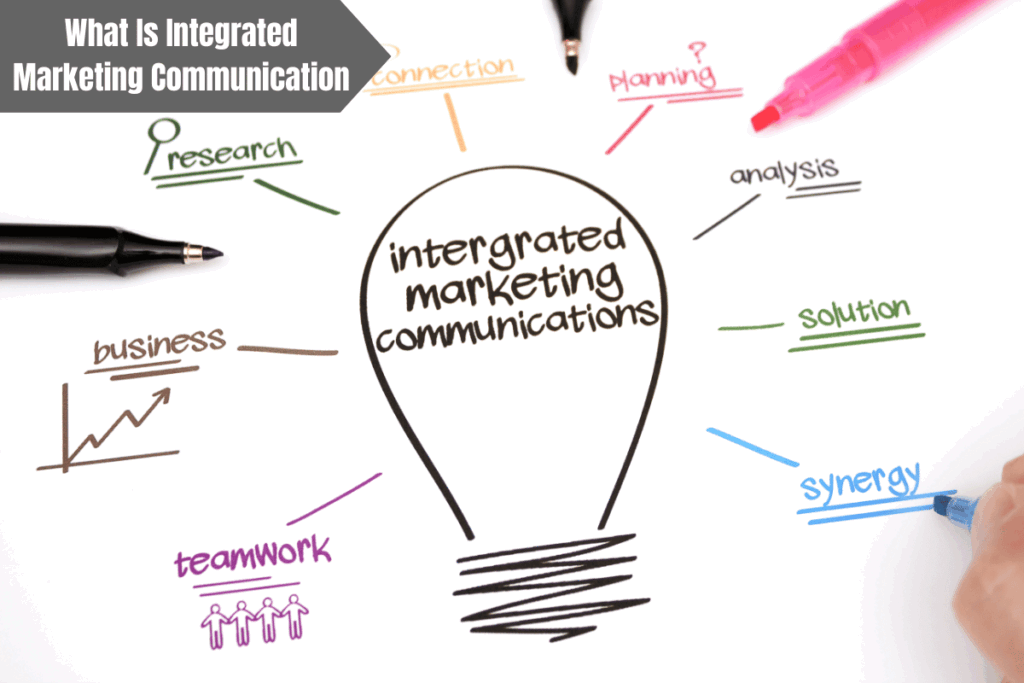
Mastering Integrated Marketing Communication: Boost Your Brand’s Consistency
BlogWhat Is Integrated Marketing Communication (And Why Your Business Needs It) Ever feel like your marketing strategy is a jumbled puzzle where none of the pieces fit? You’re posting on social media, tweaking your website, sending emails, and maybe even running ads—but instead of a symphony, it sounds more like a middle school band rehearsal? (No offense to middle schoolers. We’ve all been there.) That’s where Integrated Marketing Communication (IMC) comes in. Think of IMC as the ultimate playlist curator for your brand’s message. It ensures every channel, from your website to your TikTok videos, sings the same tune. And guess what? We’ve got some strong opinions about how to do this right—especially if you’re a small business in Los Angeles trying to stand out. At Sitelinx Organic SEO Agency, we’ve seen firsthand how blending strategies like Local SEO, WordPress SEO services, and Google Business reviews can transform chaotic marketing into a streamlined powerhouse. Let’s break down what IMC really means, why it’s not just a buzzword, and how you can stop throwing spaghetti at the wall and start cooking a Michelin-star campaign. What Exactly Is Integrated Marketing Communication? IMC is like that friend who remembers everyone’s coffee order. It’s the practice of aligning all your marketing efforts—social media, email, SEO, ads, PR—so they work together seamlessly. Instead of treating each channel as a solo act, IMC makes them backup dancers to your brand’s lead vocals. Here’s the kicker: consistency is key. Your Instagram captions should vibe with your blog posts. Your email subject lines should echo your Google Ads. And your website management? It better not look like it’s stuck in 2012. Why Should You Care About IMC? Let’s get real. If your marketing feels disjointed, your customers notice. Imagine clicking on a Facebook ad for “eco-friendly yoga mats” only to land on a website that screams “discount party supplies.” Confusing, right? IMC fixes that by: Boosting brand recognition (because repetition works, folks). Saving money (no more wasting budget on mismatched campaigns). Improving customer trust (consistency = reliability). And hey, if you’re a small business, IMC levels the playing field. You don’t need a Fortune 500 budget—just smart coordination. That’s where partnering with an SEO agency like Sitelinx helps. We’ve helped LA-based cafes, boutiques, and tech startups nail their messaging without breaking the bank. The Nuts and Bolts of IMC: Breaking It Down 1. Start With a Clear Message (No, “We’re Awesome” Doesn’t Cut It) Your brand’s core message is the foundation. Are you the best SEO company for small businesses? The go-to WordPress SEO services provider? Whatever it is, drill it into every piece of content. Pro Tip: Use tools like customer surveys or social listening to refine your message. (Or hire a marketing consultant—cough we know a great agency in LA cough.) 2. Choose Your Channels Wisely Not every platform deserves your energy. If your audience hangs out on LinkedIn, why waste time mastering TikTok dances? Here’s a quick cheat sheet: Channel Best For Google Business Local SEO & reviews WordPress Blog Long-form content & SEO Email Newsletters Nurturing leads Instagram Stories Behind-the-scenes engagement 3. Sync Your SEO and Content Strategy Technical SEO services might sound boring, but they’re the backbone of visibility. Optimize your site speed, fix broken links, and structure your content for both humans and search engines. Pair this with Local SEO tactics (like optimizing for “best coffee shop in LA”) to attract nearby customers. Fun Fact: We once boosted a client’s organic traffic by 200% just by aligning their blog topics with their Google Business reviews keywords. Magic? Nope—just IMC. 4. Measure, Tweak, Repeat IMC isn’t a “set it and forget it” crockpot recipe. Use analytics to track what’s working. Did that email campaign drive traffic to your site? Did your WordPress SEO services blog post rank for the right keywords? Adjust as you go. Common IMC Mistakes (And How to Avoid Them) We’ve seen it all—businesses that treat their social media manager like a lone wolf, or websites that haven’t been updated since the first iPhone launch. Here’s what not to do: Ignoring Mobile Users: If your site isn’t mobile-friendly, you’re basically telling 60% of visitors to bounce. Siloed Teams: Your SEO specialist and social media manager should be BFFs. Period. Forgetting Local SEO: If you’re a local business, missing out on “near me” searches is like leaving money on the table. FYI: Sitelinx offers website management packages that include technical SEO services, so you can avoid these face-palm moments altogether. “But Do I Really Need an SEO Agency?” Look, we get it. Hiring an SEO company feels like a big step. But here’s the thing: IMC requires expertise. You wouldn’t rewire your house without an electrician, right? (Unless you’re into living by flashlight. No judgment.) The best SEO companies for small business (hey, that’s us!) handle the heavy lifting: Keyword research & content planning On-page and technical SEO services Monitoring Google Business reviews and local rankings Aligning everything with your broader marketing goals Plus, we’ll make sure your WordPress site isn’t secretly sabotaging your efforts. (Spoiler: Outdated plugins are not your friend.) FAQs: Your IMC Questions, Answered Q: How long does it take to see results from IMC? A: SEO and brand building aren’t overnight successes. Give it 3–6 months for traction, but expect gradual improvements sooner. Q: Can I handle IMC myself? A: Sure—if you have 10 hours a week to spare. Most small biz owners don’t. That’s why working with an SEO specialist lets you focus on what you do best. Q: What’s the #1 thing killing IMC efforts? A: Inconsistent messaging. If your website says “affordable” but your ads say “luxury,” customers will peace out faster than you can say “brand voice.” Ready to Ditch the Chaos? Let’s Talk. IMC isn’t just a strategy—it’s a mindset. It’s about weaving your brand’s story into every tweet, email, and Google search. And while it might feel overwhelming, you don’t have to figure it out alone. At Sitelinx Organic SEO