
Organic SEO Vs. PPC: The Best Marketing Strategy For Local Businesses
BlogOrganic SEO vs. PPC for Local Services: Strategic Overview Organic search engine optimization builds compounding, long-term digital authority and owned customer traffic over time, whereas pay-per-click advertising purchases immediate search visibility on a fee-per-interaction model. Local service businesses achieve optimal efficiency by deploying pay-per-click to secure immediate customer calls while simultaneously cultivating organic local rankings to capture sustained, lower-cost market share over time. When we evaluate acquisition strategies for local service enterprises, the debate between organic search engine optimization and pay-per-click search management remains central. Each channel addresses distinct phases of business maturity, cash flow capacity, and operational scale. Understanding how these channels function independently and synergistically allows local operators to maximize return on marketing spend. Organic search optimization targets high-intent local queries through strategic site architecture, localized landing pages, and reputation management. Conversely, pay-per-click search auctions deliver instant positioning at the very top of search engine results pages. We routinely guide service operators through balancing these investments to eliminate customer acquisition single-point failures. The Mechanics of Local Organic Search: Building Permanent Equity Local organic search engine optimization focuses on establishing physical geographic prominence, technical domain health, and digital reputation to secure placements within Google’s Local Map Pack and traditional search engine results pages. By aligning localized landing pages, review acquisition systems, and citation consistency, local service providers systematically capture high-intent customers without incurring recurring cost-per-click fees. Our field implementations demonstrate that local organic search functions as an appreciating digital asset. Once a local service business earns top rankings in the Google Local Three-Pack, incoming customer inquiries accumulate without direct incremental media costs. This creates a sustainable competitive moat against local rivals relying solely on paid channel acquisition. According to the BrightLocal 2026 Local Consumer Review Survey, 97 percent of consumers read online reviews for local service providers, while 85 percent state that positive customer reviews directly influence their purchasing decisions. We harness this behavior by embedding automated review request workflows directly into client field management software. This systematic review accumulation signals trust to search algorithms and elevates organic local map visibility. However, organic local search requires meticulous technical alignment across external citations and owned web properties. Inconsistent business name, address, or phone number data across public directories damages algorithmic trust and depresses map rankings. We continuously audit geographic metadata and schema structures to maintain clean local signals. Complex Field Case Study: Resolving Local SEO Cannibalization and Profile Suspensions When managing multi-location service brands, technical site architecture errors frequently cause keyword cannibalization and Google Business Profile suspensions that paralyze organic local lead generation. Our team resolved these operational crises by restructuring URL taxonomies into distinct geo-targeted landing pages, verifying physical address documentation, and re-indexing clean canonical structures to restore organic local pack dominance within 90 days. We recently managed a complex local search recovery for a multi-regional HVAC and plumbing provider operating across seven adjacent municipal markets. The client faced severe traffic loss after launching identical location pages that cannibalized each other’s primary target keywords. Simultaneously, Google suspended three of their secondary Google Business Profiles due to overlapping service address definitions. Our intervention began with a comprehensive technical URL audit to isolate internal duplicate content. We consolidated duplicate location subdomains into unique, location-specific service page hierarchies containing localized schema markup and original geographic project media. We then compiled verified lease agreements and utility records to submit formal reinstatement appeals to Google support. Following Profile reinstatement, we implemented geo-fenced canonical redirects and unique localized content blocks across all sub-pages. Within 90 days of execution, our restructuring recovered lost rankings, driving a 140 percent increase in organic map pack impressions. Total inbound service calls from organic local search expanded by 88 percent over the subsequent quarter. The Realities of Pay-Per-Click Advertising: Immediate Reach at Scale Pay-per-click advertising grants local service companies instant placement at the top of search engine results pages, capturing high-intent commercial queries within hours of campaign initiation. While offering precise targeting and control over immediate lead volume, paid ad strategies require strict budget controls, precise keyword targeting, and conversion-focused landing pages to avoid excessive cost inflation. Pay-per-click search campaigns offer unmatched speed to market for new local service businesses or expanding franchises. When a contractor needs immediate project bookings to keep technicians deployed, paid search delivers real-time visibility that organic channels cannot immediately match. Ad schedules can be activated, paused, or scaled based on operational bandwidth. Data published in the WordStream 2026 Search Advertising Benchmarks establishes that the average search network cost per click across industries sits at 5.42 US Dollars, while the average conversion rate reaches 8.18 percent and cost per lead averages 66.69 US Dollars. For competitive local service verticals like legal or specialized home restoration, costs per click frequently exceed 50 US Dollars. We manage these high-stakes auction dynamics through rigid match-type governance. Paid advertising creates an ongoing operational expense where lead flow halts immediately once budget stops flowing. Furthermore, bidding on broad search queries without localized negative keyword filtering leads to rapid budget exhaustion on non-converting clicks. We design paid search campaigns strictly to capture immediate high-margin revenue while longer-term organic infrastructure matures. Complex Field Case Study: Eradicating Keyword Bleed and Click Fraud in PPC Unmonitored paid search campaigns routinely suffer from negative keyword leakage, broad-match waste, and fraudulent bot automated clicks that inflate ad expenditures while yielding unqualified service inquiries. We eliminated these ad spend drainages by engineering strict exact-match keyword structures, implementing real-time IP blocking software, and enforcing strict negative keyword exclusions, reducing client cost-per-lead by 42 percent. We were retained by a high-volume emergency restoration contractor whose monthly paid search budget of 25,000 US Dollars was producing diminishing call volumes and rising lead costs. Initial diagnostic audits revealed that broad-match keyword expansion had caused massive keyword bleed. The account was paying premium bids for non-emergency informational searches such as how to repair water damage DIY. Additionally, server logs revealed that approximately 18 percent of daily click traffic originated from automated bot networks and competitor click farming. We immediately restructured the account
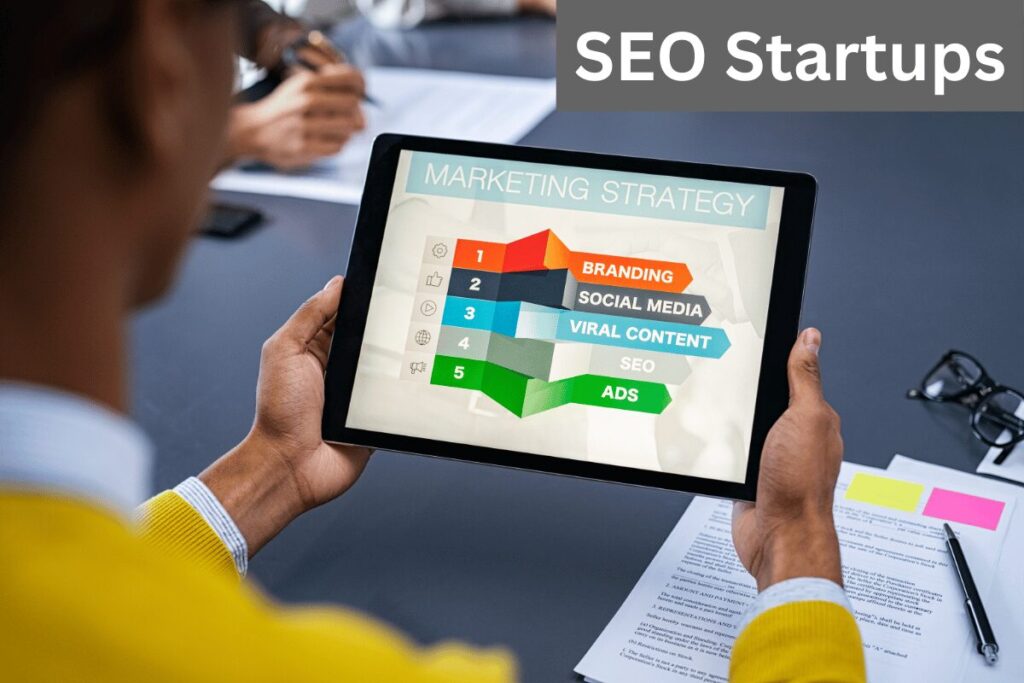
Ultimate Guide To SEO For Startups: Boost Your Online Visibility
BlogWhy Early-Stage Startups Must Prioritize Organic Search Strategy Startups require search engine optimization because organic search provides a compounding, cost-effective acquisition channel that reduces long-term reliance on expensive paid media. By capturing intent-driven traffic early in the buyer journey, startups establish brand authority, capture market share from slower legacy competitors, and improve overall customer lifetime value. In our experience working with early-stage companies, venture-backed teams often overspend on performance marketing during initial launch phases. While paid campaigns deliver immediate feedback, cost per acquisition climbs rapidly as audience saturation occurs. Developing organic search visibility early creates an enduring asset that scales without linear increases in media spend. During a recent engagement with an enterprise SaaS client, we identified a critical issue where paid search costs reached upwards of 400 US dollars per customer acquisition. We restructured their core topic architecture around high-intent transactional terms, resolving keyword cannibalization across their landing pages. Within eight months, organic search generated 42 percent of total pipeline qualified leads, cutting their blended acquisition cost in half. According to official documentation in the Google Search Central SEO Starter Guide, search optimization should focus primarily on aligning site structure and content experience with user intent. Local SEO Strategy for Location-Bound and Hybrid Startups Local search engine optimization enables geographical or hybrid startups to capture high-intent customers within specific target markets by optimizing localized digital touchpoints. Effective local execution involves claiming Google Business Profiles, constructing verified local citations, establishing region-specific service landing pages, and systematically acquiring authentic customer reviews to signal geographic relevance to search algorithms. When startups serve defined markets, local visibility provides a tactical advantage against nationwide competitors. Search engines prioritize proximity, regional context, and localized consumer signals when returning results for local commercial queries. Establishing consistent name, address, and phone data across authoritative directories builds foundational trust with search engines. We managed a multi-location startup expansion where duplicate location profiles and mismatched directory information triggered indexation suppression across three target regions. Our team conducted a full audit, consolidated fragmented listings, deployed standardized schema markup, and instituted an automated review intake workflow. As a result, local map pack impressions increased by 185 percent within ninety days of remediation. Evaluating SEO Partners: Agency, In-House, or Freelance Solutions Selecting the right execution partner requires evaluating organizational bandwidth, technical complexity, and long-term capital allocation against business goals. Startups must balance the strategic depth and multi-disciplinary resources of specialized agencies against the dedicated focus of in-house hires or the tactical execution offered by independent freelance consultants. Choosing an ineffective search partner leads to wasted capital, delayed growth milestones, and potential search engine penalties. Early-stage leadership teams often struggle to distinguish between superficial reporting metrics like raw rankings and meaningful business KPIs such as organic conversion rates. A competent partner maintains complete strategic transparency and provides clear financial attribution for organic campaigns. We frequently observe startups falling into the trap of low-cost retainer packages that rely on automated reporting and generic content production. These low-cost approaches lack the technical depth necessary to resolve complex indexation blockers or craft competitive content strategies. Sustainable organic growth demands tailored technical execution, competitive gap analysis, and aligned business incentives. Operational Model Strategic Advantages Primary Drawbacks Best Suited For Specialized Agency Cross-industry expertise, full-stack team access, advanced enterprise tooling Higher monthly capital commitment Scaling startups seeking rapid execution without hiring overhead In-House Specialist Deep product context, full dedicated capacity, immediate cross-team access Single point of failure, limited breadth of technical skills Established startups with dedicated marketing headcount and budget Freelance Consultant Direct owner communication, lower overhead cost, targeted tactical delivery Constrained bandwidth, limited execution speed across disciplines Early bootstrap startups with basic execution needs and strict budgets Closed DIY Platforms Simple initial setup, low immediate management burden Strict technical limitations, poor scale potential, restricted customization Non-technical founders launching rapid proof-of-concept prototypes Content Management Systems: Selecting and Optimizing WordPress for Scale Selecting an extensible content management platform like WordPress provides scaling startups with complete control over site architecture, custom code integration, and technical search optimizations. Unlike closed website builders, custom content management systems support robust schema implementation, advanced URL structuring, dynamic database management, and modular speed performance enhancements required for long-term growth. Closed platforms offer accessible drag-and-drop interfaces for non-technical founders during initial validation stages. However, as organic content velocity accelerates, closed architectures introduce severe constraints regarding canonical tagging, page speed optimization, and custom script management. Transitioning to open infrastructure allows engineering and marketing teams to implement technical alterations without platform-level bottlenecks. To maximize performance on modular content management systems, teams must maintain strict administrative governance over active plugins and server environments. Unused plugins create security vulnerabilities and generate excessive code bloat that slows rendering times. Implementing server-level caching, modern image formats, and clean permalink structures ensures optimal indexing capability. Technical SEO Foundations: Infrastructure and Search Engine Crawlability Technical search engine optimization establishes the architectural infrastructure necessary for search engine crawlers to efficiently discover, parse, and index website pages. Prioritizing site architecture, mobile rendering efficiency, structured data schema, and crawl budget management ensures search engines accurately understand content context without encountering access blocks or resource timeouts. Recent analysis published in Search Engine Land strategy guidelines highlights that balancing technical foundation maintenance with strategic content development is vital for maintaining organic search equity. Search engine crawlers allocate finite crawling resources based on site authority and infrastructure health. When technical debt accumulates, critical conversion pages risk delayed indexing or lower ranking potential. We resolved a major technical crisis for a growing fintech startup that experienced a sudden 60 percent drop in organic search traffic following a major site redesign. Our diagnostic crawl revealed that client-side rendering was blocking search crawlers from accessing core product page content, while auto-generated URL parameters created massive indexation bloat. We implemented dynamic rendering, configured self-referential canonical tags, and updated their sitemap architecture, restoring baseline search visibility within six weeks. Execution Roadmap: A Step-by-Step SEO Strategy for Early Growth Executing a successful search strategy requires a structured sequence of foundational discovery, technical remediation, competitive intelligence,
