
How To Start An HVAC Business: Launch Blueprint & Local SEO Guide
How ToOperational Setup and Legal Compliance Launching an HVAC company requires establishing a formal business entity, securing state mechanical licenses, obtaining federal refrigerant certifications, and putting comprehensive insurance policies in place. We must protect personal assets while complying with mandatory environmental regulations under federal air quality standards. Proper early setup prevents regulatory fines and builds immediate commercial credibility. Entity Structuring and Federal Tax Registration We recommend structuring an HVAC business as a Limited Liability Company or electing S-Corporation status to create a legal shield between personal assets and operational liabilities. Registering with federal and state tax authorities enables payroll processing, corporate bank account setup, and vendor credit terms. This structure minimizes self-employment tax obligations once profits reach steady commercial thresholds. Forming a Limited Liability Company separates personal wealth, savings, and personal vehicles from operational risks, job-site damage claims, or contract disputes. As operating revenue scales, electing S-Corporation tax status allows business owners to reduce self-employment tax burdens by dividing net income into reasonable W-2 salaries and shareholder distributions. To establish bank accounts, execute payroll, and apply for vendor financing, we must obtain an Employer Identification Number directly from the Internal Revenue Service. Trade Licensing and EPA Section 608 Certifications Mandatory HVAC state trade licenses demand verified apprenticeship hours, passing score results on mechanical and law exams, and clean background clearances. Additionally, federal regulations mandate that technicians handling regulated refrigerants hold certified qualifications under the U.S. Environmental Protection Agency. Acquiring Universal Certification ensures full legal authority across all low and high-pressure refrigeration systems. State contractor licensing requirements vary significantly by region. For example, California mandates a C-20 HVAC Contractor License, while Texas requires a Class A or Class B Environmental Air Conditioning License. At the federal level, mandatory certification under Section 608 of the Clean Air Act governs technicians servicing equipment containing regulated refrigerants. Furthermore, federal standards enforced under the American Innovation and Manufacturing Act mandate strict leak inspection schedules and tracking for systems containing 15 pounds or more of substitute refrigerants. Commercial Fleet Insurance and Surety Bonding Operating a mobile HVAC fleet requires establishing primary general liability insurance, mandatory workers’ compensation coverage, commercial auto coverage, and inland marine tool policies. Municipalities frequently require surety performance bonds before issuing mechanical installation permits. Carrying complete risk coverage safeguards our enterprise against catastrophic job-site damage, vehicle accidents, and customer disputes. General liability policies should maintain coverage limits between 1,000,000 USD and 2,000,000 USD to cushion against accidental property damage or bodily injury claims. Workers’ compensation coverage is legally mandated in nearly all states as soon as we hire our first apprentice or field assistant. Commercial auto policies cover service vans, while inland marine insurance specifically protects specialized recovery units, manifold gauges, and power tools in transit. Most local building departments require surety bonds between 5,000 USD and 25,000 USD prior to pulling mechanical work permits. Financial Capital Allocation and Projections Starting a single-truck HVAC enterprise demands a baseline capital allocation between 40,000 USD and 112,000 USD to cover vehicles, tools, licensing, and marketing. We must balance fixed startup capital with rolling operational reserves to withstand seasonal cash flow fluctuations. Strategic budgeting ensures cash liquidity during low-demand shoulder months in spring and autumn. First-Year Capital Cost Structure Initial startup expenditures require disciplined distribution across service vehicles, specialized spark-proof diagnostic tools, insurance deposits, website design, and initial inventory stock. Allocating appropriate funds to modern A2L refrigerant gear prevents compliance bottlenecks on modern equipment installations. The total financial investment prepares a single-truck company for complete operational readiness on day one. Equipping a single service vehicle demands balancing upfront capital against long-term operational durability. Pre-owned commercial vans equipped with internal racking and full vinyl wraps build instant field credibility. Furthermore, acquiring A2L-compliant diagnostic manifolds, vacuum pumps, and spark-proof recovery machines is necessary to handle current equipment standards legally. The breakdown below reflects realistic financial requirements for launching a single-truck field operation. Capital Investment Category Investment Range (USD) Essential Line Items Covered Commercial Van & Custom Vinyl Wrap 15,000 to 45,000 Cargo van, interior storage racks, ladder rack, high-visibility vehicle graphics Diagnostic Equipment & A2L Tools 8,000 to 22,000 Spark-proof recovery pumps, micron vacuum pumps, digital manifolds, leak detectors Licensing, Insurance & Bonding Deposits 3,000 to 8,000 State trade license fees, general liability initial deposit, municipal surety bonds Custom Web Platform & Local SEO 4,000 to 12,000 Responsive WordPress architecture, structured schema, local map pack setup Truck Stock & Operational Reserves 10,000 to 25,000 OEM capacitors, fan motors, virgin refrigerant tanks, emergency payroll buffer Total Required Startup Capital 40,000 to 112,000 Complete operational deployment for a single service unit Cash Flow Management and Vendor Supply Terms Maintaining positive cash flow requires maintaining three to six months of operating reserves alongside established net-30 credit terms with major regional supply houses. We implement flat-rate pricing models based on direct labor rates, equipment costs, and target profit margins. Delaying supplier payments until client job completion prevents working capital depletion during peak operational periods. Establishing net-30 revolving trade accounts with regional distributors like Johnstone Supply, Carrier Enterprise, or Ferguson allows us to purchase replacement units and parts without draining immediate cash balances. Calculating hourly billable rates requires factoring in direct technician pay, non-billable drive time, vehicle depreciation, insurance overhead, and target net profit margins. Charging flat-rate pricing rather than simple time-and-materials billing protects operating margins when experienced technicians complete jobs rapidly. Liquid financial reserves protect payroll stability during unpredictable shoulder months when weather extremes moderate. Technical Standards and Environmental Mandates Modern HVAC operations must conform to environmental mandates phasing down high-GWP refrigerants while adhering to strict system engineering guidelines set by the Air Conditioning Contractors of America. Field technicians need specialized training and spark-proof recovery equipment for mildly flammable A2L refrigerants. Rigorous diagnostic standards guarantee system efficiency and maintain compliance with federal mandates. Navigating Low-GWP A2L Refrigerant Standards Transitioning to low Global Warming Potential refrigerants like R-454B and R-32 requires specialized spark-proof recovery machines, left-hand threaded cylinders, and calibrated A2L leak detectors. Field technicians must conduct accurate Manual J heat load calculations
How To Launch A Profitable Carpentry Business: Operational And Marketing Guide
How ToStrategic Niche Selection and Market Assessment Selecting a specialized trade niche dictates capital expenditure requirements, market differentiation, and long-term operating margins. We advise launching contractors to target high-margin focus areas like residential finish carpentry, custom cabinetry, or timber framing rather than offering general maintenance. Specialization allows shops to command premium billable rates while streamlining tool procurement and field workflows. Data published in the U.S. Bureau of Labor Statistics Occupational Outlook Handbook indicates that carpenters earn a median annual wage of 60,580 USD, with top-tier industry performers generating over 99,000 USD annually. Furthermore, self-employed trade contractors represent approximately 34 percent of the total workforce, confirming that independent ownership provides a proven path toward high earning potential. High-margin trade niches suitable for independent operators include: Residential Finish Carpentry and Built-Ins: Focuses on architectural crown molding, wall wainscoting, integrated closets, and custom entertainment centers. This field yields gross margins above 40 percent while requiring limited stationary machinery investments. Custom Cabinetry and Architectural Millwork: Focuses on bespoke kitchen cabinetry, bathroom vanities, and commercial reception fixtures. This sector yields large contract amounts ranging from 25,000 USD to over 100,000 USD per project, though it requires dedicated shop space. Structural Framing and Timber Construction: Focuses on residential structural additions, timber frame porches, and high-end outdoor decking. This niche drives high revenue volume but requires larger installation crews and higher liability insurance limits. Historic Restoration and Timber Preservation: Focuses on preserving historic structures using traditional joinery and period-correct materials. Restoration commands top-tier billable pricing due to the scarcity of skilled regional competitors. Comprehensive Financial Planning and Initial Capitalization Launching an independent venture requires initial capitalization ranging between 15,000 USD for mobile trim setups and 80,000 USD for dedicated architectural millwork facilities. We recommend securing at least six months of fixed operating overhead alongside initial capital allocations. Proper reserves prevent early cash flow bottlenecks caused by delayed client payments and upfront material purchases. Trade operators can fund early setup expenses using personal savings, commercial equipment leases, or small business lending programs. Detailed capitalization strategy and research resources are accessible through the U.S. Small Business Administration Market Research Guide. The following budget matrix outlines required startup capital and monthly recurring operating expenses: Budget Category Initial Capital Investment (USD) Monthly Recurring Overhead (USD) Primary Operational Function Hand & Portable Power Tools 3,000 to 8,000 150 to 300 Field installation mobility and precision cutting Stationary Shop Machinery 5,000 to 25,000 200 to 600 High-volume shop fabrication and millwork milling Work Vehicle & Mobile Workshop 8,000 to 35,000 400 to 900 Jobsite material transport and mobile tooling setup Licensing, Permits & Legal Fees 500 to 2,000 50 to 150 Regulatory compliance and local business operation Commercial Business Insurance 1,200 to 3,500 100 to 350 Property protection, general liability, and worker coverage Digital Branding & Website Architecture 2,500 to 6,000 150 to 450 Client acquisition and local search engine optimization Capital Working Reserves 10,000 to 25,000 N/A Cash buffer for material purchases and net 30 terms Legal Framework, Licensing, and Safety Protocols Establishing a legally compliant venture requires forming an appropriate corporate entity, securing specialized contractor licensing, and instituting comprehensive commercial liability coverage. We mandate strict compliance with federal occupational safety guidelines to protect field crews and mitigate operational risks. Integrating these structural protections isolates personal assets from commercial liabilities and prevents municipal shutdown orders. Forming a Limited Liability Company (LLC) or S-Corporation creates a firm legal boundary between personal wealth and business obligations. Most states mandate specialized trade contractor licenses, such as a C-5 Cabinet, Millwork, and Finish Carpentry license, for commercial or residential projects valued above specific monetary thresholds, often starting at 500 USD. A complete risk management program requires three essential commercial insurance policies: General Liability Insurance: Protects against third-party bodily injury and property damage, maintaining baseline coverage limits starting at 1,000,000 USD per occurrence. Workers Compensation Insurance: Required by state laws when hiring employees, covering medical costs and lost wages resulting from workplace injuries. Inland Marine Tool Floater: Covers portable power tools, machinery, and jobsite materials against theft, vandalism, or transit damage. Shop and jobsite operations must comply with environmental and safety mandates established under the OSHA Woodworking Industry Standards (29 CFR 1910.213 for shop equipment and 29 CFR 1926.304 for construction sites). Mandated standards include installing physical blade guards on table saws, operating local exhaust dust collection systems to reduce respirable dust, utilizing personal protective equipment (PPE), and enforcing strict lockout/tagout protocols during maintenance. Estimating Formulas, Burdened Labor Rates, and Scope Creep Accurate project pricing requires calculating a fully burdened labor rate that incorporates direct compensation, mandatory payroll burdens, fixed shop overhead, and baseline target profit. We utilize standardized pricing frameworks combining markup multipliers on direct materials with contingent buffers for site anomalies. Enforcing strict digital change order protocols protects project margins against uncontrolled scope creep. To determine your true burdened labor rate, start with the base hourly pay rate for your senior installer. If base pay is set at 35 USD per hour, add payroll taxes, workers compensation premiums, health coverage, and paid leave. These secondary labor costs add 25 to 40 percent to base pay, producing a real direct labor cost between 43.75 USD and 49 USD per hour. Next, calculate total monthly shop overhead, divide that figure by anticipated billable field hours, and apply a minimum 20 percent profit margin. Current trade market standards yield retail billable rates between 85 USD and 150 USD per hour. We apply three structured project billing models based on job requirements: Fixed-Price Bidding: Calculate total estimated labor hours multiplied by your burdened rate, add direct material expenses marked up by 20 to 30 percent, and include a 10 percent site contingency buffer. Cost-Plus Contracting: Charge clients for all actual direct material and labor expenses, plus a fixed administrative markup fee ranging between 15 and 25 percent to cover overhead and business profit. Time and Materials (T&M): Bill clients an agreed hourly shop rate alongside itemized material invoices marked up by a pre-negotiated percentage for smaller repair work. Resolving
Ultimate Guide To Launching A Profitable Swimming Pool Cleaning Business
How ToIndustry Overview and Business Foundations Launching a profitable swimming pool cleaning business requires establishing a solid legal entity, obtaining required certifications, and acquiring basic tools while tapping into an active national market. With millions of residential and commercial aquatic facilities nationwide, route operators secure strong recurring revenue by offering weekly chemical balancing and preventative physical maintenance services to residential and commercial clients. Data from the Pool & Hot Tub Alliance indicates that the United States pool industry comprises over 10.4 million residential pools and 3.3 million hot tubs, generating sustained demand for recurring maintenance. According to the Skimmer 2026 State of Pool Service Report, over 80 percent of service company owners project higher revenue year-over-year, supported by average owner annual spending of approximately 1,700 USD per residential pool. Choosing the correct legal structure provides personal liability protection and structured tax filing options. We recommend registering your business as a Limited Liability Company (LLC) or an S-Corporation to isolate operational risks while taking advantage of pass-through taxation. Legal Registration and Licensing Protocols Securing full regulatory compliance involves registering your corporate entity, procuring tax identifications, obtaining local licenses, and reviewing small business compliance guidelines before taking on your first client. These administrative milestones establish trade legitimacy, open commercial bank accounts, allow chemical handling compliance, and protect your enterprise against municipal penalties. Register your chosen entity name with your state Secretary of State office. Apply for a Federal Employer Identification Number (EIN) through the Internal Revenue Service. Obtain necessary local business tax receipts and county commercial vendor permits. Consult regulatory resource portals at the U.S. Small Business Administration to confirm federal tax compliance and municipal requirements. Professional Certifications and Commercial Insurance Acquiring commercial insurance and professional certifications establishes consumer trust while protecting your pool service enterprise against catastrophic property claims, chemical damage, and technician injury. Industry certifications qualify your technicians to manage high-value commercial and residential facilities, while adequate liability policies safeguard business assets against accidental structural or pool popping incidents. General Liability Insurance: Shields your operation against structural property claims, chemical spills, and pool deck injuries with coverage bounds between 1,000,000 USD and 2,000,000 USD. Commercial Auto Insurance: Protects service vehicles carrying hazardous water care chemicals and mobile field equipment. Inland Marine Insurance: Insures mobile water diagnostic tools, high-pressure washers, and automatic cleaning systems during transit. Workers Compensation Insurance: Covers medical expenses and lost wages for injured field technicians, adhering to health guidance established by the Centers for Disease Control and Prevention. Startup Capital Breakdown Launching a single-truck pool maintenance service requires an initial financial commitment between 8,500 USD and 23,000 USD, depending on vehicle acquisition and diagnostic tools. Capital allocation must balance essential diagnostic kits, starter chemical inventories, business registration, commercial liability coverage, and local search engine marketing assets to ensure operational launch success. Expense Category Low Estimate (USD) High Estimate (USD) Expense Type LLC Formation & Municipal Licensing 200 USD 800 USD One-time initial CPO Certification & Technical Training 300 USD 500 USD One-time initial Initial Insurance (General Liability & Auto) 2,000 USD 4,000 USD Annual recurring Professional Testing Gear & Field Tools 1,500 USD 3,500 USD One-time initial Initial Chemical Inventory Reserve 500 USD 1,200 USD Variable operational asset Serviced Commercial Truck or Fleet Vehicle 3,000 USD 10,000 USD One-time initial Technical Website Setup & Local SEO 1,000 USD 3,000 USD Capital investment Total Startup Expenditure 8,500 USD 23,000 USD Capital allocation Water Chemistry Fundamentals and Field Operations Mastering water chemistry fundamentals requires balancing sanitizer levels, pH balance, total alkalinity, calcium hardness, and cyanuric acid to ensure swimmer safety and protect aquatic surfaces. Precise field execution prevents algae outbreaks, reduces expensive structural corrosion, and stops premature equipment failure, establishing high client retention across residential and commercial service routes. Maintaining safe aquatic conditions requires keeping water parameter measurements within tight target ranges: Free Available Chlorine: Keep between 2.0 ppm and 4.0 ppm in residential pools to ensure rapid pathogen destruction. pH Level: Maintain between 7.4 and 7.6 to maximize active sanitization while preventing swimmer eye irritation and pipe scaling. Total Alkalinity: Maintain between 80 ppm and 120 ppm to act as a buffer against sudden pH fluctuations. Calcium Hardness: Maintain between 200 ppm and 400 ppm to eliminate plaster etching and tile scale accumulation. Cyanuric Acid (Stabilizer): Keep between 30 ppm and 50 ppm in outdoor pools to safeguard free chlorine from ultraviolet breakdown. Essential Field Tools and Diagnostic Gear Equipping each service route vehicle with professional testing gear and rugged field equipment ensures efficient site visits and accurate water analysis. Field technicians require high-precision drop titration kits, heavy-duty telescopic poles, commercial vacuum setups, and dedicated personal protective gear to handle hazardous chemical treatments safely and efficiently across daily routes. FAS-DPD Drop Titration Test Kits: Liquid drop testing systems measuring free chlorine, combined chlorine, pH, total alkalinity, calcium hardness, and cyanuric acid. Commercial Telescopic Poles and Attachments: Heavy-duty anodized aluminum poles, structural leaf rakes, stainless steel wire wall brushes, and tile scrubbers. Portable Vacuum Systems: Heavy-duty vacuum hoses, weighted vacuum heads, and standalone portable pump vacuum carts for rapid debris clearing. Submersible Trash Pumps: High-flow utility pumps designed for rapid pool draining, acid washing, and filter backwashing procedures. Personal Protective Equipment (PPE): Vapor respirators, chemical safety goggles, heavy nitrile gloves, and chemical aprons for handling concentrated liquid sodium hypochlorite and muriatic acid. Field Case Study: Resolving Cyanuric Acid Chlorine Lock Overcoming cyanuric acid chlorine lock requires identifying high stabilizer concentration levels, executing systematic water dilution, and converting the route to liquid sanitizer protocols. High stabilizer levels bind active sanitizer molecules, rendering routine chlorine applications completely ineffective despite high concentration readings on basic water testing strips during routine inspections. During our operational management of a 45-pool residential service route, multiple pools exhibited persistent green algae blooms despite recording free chlorine levels above 5.0 ppm. Drop titration testing revealed Cyanuric Acid (CYA) levels exceeding 150 ppm across affected properties, caused by years of using trichlor shock pucks. Excessive cyanuric acid over-stabilizes chlorine molecules, creating chlorine lock where sanitizers become chemically inactive.
Essential SEO Services For Every Business: Why You Can’t Afford To Ignore It
BlogWhy Search Engine Optimization Remains Non-Negotiable for Business Growth Search engine optimization forms the structural backbone of modern customer acquisition by capturing organic demand when consumer intent is highest. Without dedicated optimization, businesses forfeit substantial market share to competitors on initial search pages, driving up overall acquisition costs through forced reliance on paid advertising channels. In our years managing complex enterprise and local campaigns, we have consistently observed that organic visibility builds sustainable compound interest for brand authority. When potential buyers seek solutions, search engines serve as the definitive evaluation layer across virtually every industry vertical. According to BrightLocal consumer research, 97 percent of consumers evaluate a business’s online presence before making a purchasing decision or visiting a physical store. Relying solely on word-of-mouth recommendations or volatile social media algorithms leaves revenue growth exposed to channel shifts that out of our control. We view specialized search optimization as a primary asset rather than a secondary marketing expense. When we construct an organic presence grounded in search intent, technical stability, and authoritative content, we generate high-intent inbound opportunities without continuously paying for individual user clicks. Architecture of Technical SEO: Core Infrastructure and Real-World Resolution Technical SEO establishes the underlying digital architecture that enables search engine crawlers to discover, parse, and index site content efficiently. Resolving core infrastructure issues—such as crawl budget exhaustion, canonical distribution errors, and visual stability degradation—prevents latent technical debt from suppressing organic performance across enterprise domains. Many organizations publish high-quality editorial material but fail to rank due to severe server-side or architectural bottlenecks. When web crawlers encounter rendering delays or redundant URL paths, indexing efficiency drops, causing valuable pages to remain unranked. We resolved a severe technical breakdown for an enterprise client operating a multi-regional e-commerce catalog with over 150,000 product variants. The platform was generating millions of dynamically parameters-based URLs, causing search engine bots to waste their crawl budget on duplicate pages while ignoring newly launched high-margin products. Our team engineered a strict dynamic facet control strategy, consolidated parameter handling through canonical tags, and implemented server-side rendering for JavaScript components. Within 90 days of deploying these architectural changes, indexation rates for core product categories increased by 140 percent, leading to a substantial growth in organic transactions. Adhering to Google Search Central page experience guidelines requires ongoing optimization of metrics like Largest Contentful Paint and Interaction to Next Paint. The following operational benchmarks detail the specific technical thresholds we maintain across client infrastructures: Largest Contentful Paint: Must render the primary page block within 2.5 seconds of initial load. Interaction to Next Paint: Must process user interface responsiveness in under 200 milliseconds. Cumulative Layout Shift: Must maintain visual layout displacement scores below 0.1 during page initialization. HTTPS Encryption: Security protocol implementation across all subdomains and internal asset paths. Strategic SEO Service Matrix: Decision Framework and Service Trade-Offs Selecting an effective organic growth strategy requires matching organizational platform architecture, operational goals, and local presence against distinct SEO service models. While local optimization drives foot traffic and high-intent regional conversions, technical site overhauls unlock scalability for enterprise catalogs containing complex dynamic indexing structures and massive page hierarchies. We continually advise clients to avoid one-size-fits-all packages. If your operational focus is capturing foot traffic in specific metropolitan territories, prioritize localized Google Business Profile management and geographic NAP synchronization. Conversely, if your business relies on custom web frameworks, invest heavily in custom technical execution and structural data markup. Service Model Primary Technical Focus Ideal Organizational Fit Main Growth Driver Local SEO Profile management, review schema, citation cleanup Brick-and-mortar stores, regional service pros Map pack positioning and regional call volume Technical SEO Crawl budget, render speed, JavaScript indexing Enterprise domains, dynamic web apps Site-wide indexation efficiency and speed optimization Content & On-Page SEO Keyword mapping, entity search, internal linking B2B software platforms, publishing networks Ranking for high-intent commercial keywords CMS-Specific SEO Plugin bloat cleanup, theme code optimization E-commerce and publishing sites on WordPress Platform performance optimization and clean code Our trade-off analysis reveals that organizations often misallocate resources by pursuing content volume before fixing technical foundations. If a domain fails core crawlability standards, publishing additional articles yields diminishing returns because search bots cannot index the pages efficiently. Step-by-Step Execution Framework for SEO Modernization Modernizing an enterprise SEO footprint requires a systematic operational framework that aligns technical audits with strategic content development. By executing a phased roadmap—from initial infrastructure remediation to content authority scaling—we ensure that organic search investments deliver predictable, long-term traffic returns and operational equity for our clients. Perform a full technical crawl audit to detect crawl errors, broken redirects, slow server response times, and duplicate URL parameters. Clean up site architecture by consolidating canonical tags, fixing broken internal links, and establishing a streamlined XML sitemap structure. Optimize page experience metrics to satisfy Core Web Vitals performance benchmarks across mobile and desktop interfaces. Conduct entity-based keyword research to align existing landing pages and new editorial content with primary user search intent. Deploy structured schema markup across product, local business, and organizational assets to enhance rich search result visibility. Monitor organic performance through search console metrics, adjusting internal linking structures and content depth based on performance data. Frequently Asked Questions How long does it take for organic SEO services to generate measurable revenue? Organic SEO typically requires three to six months to generate measurable revenue, depending on site authority, competitive keyword difficulty, and technical baseline. High-competition verticals may require six to twelve months of consistent technical remediation and content development before experiencing significant top-line conversions. What is the distinction between technical SEO and content optimization? Technical SEO optimizes website architecture, crawling efficiency, server responsiveness, and indexation rules, whereas content optimization focuses on keyword relevance, search intent alignment, and editorial authority. Both disciplines are essential, as technical optimization ensures search engines can access the site, while content optimization provides the reason to rank it. Why is a Google Business Profile essential for localized service businesses? A Google Business Profile establishes geographic prominence and drives local map pack rankings where high-intent searchers evaluate nearby services.
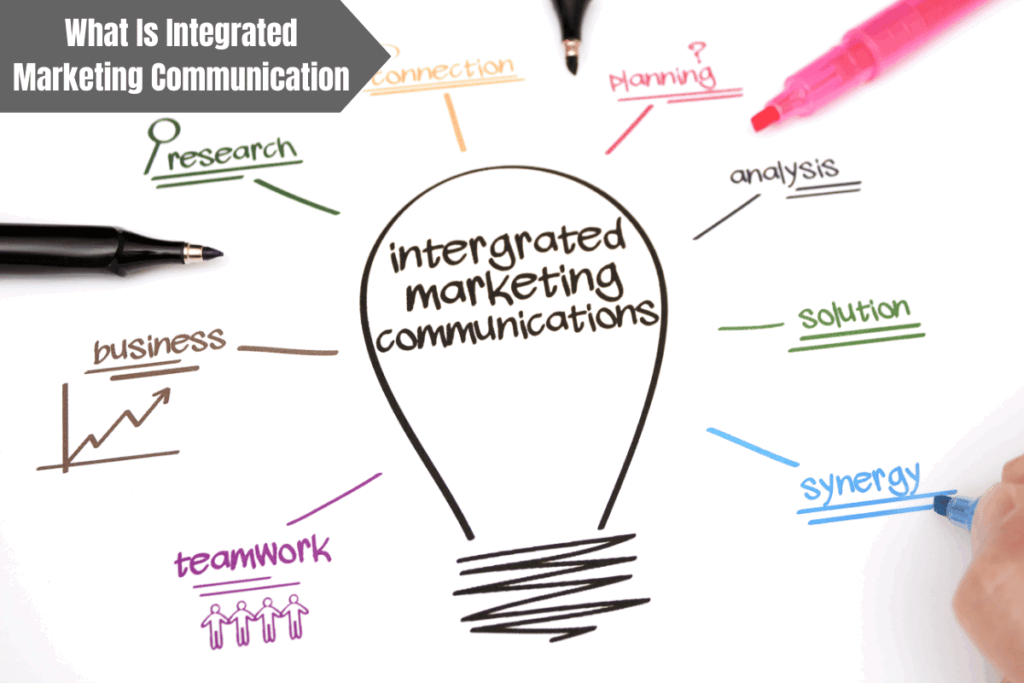
Mastering Integrated Marketing Communication: Boost Your Brand’s Consistency
BlogStrategic Fundamentals of Integrated Marketing Communication Integrated Marketing Communication is a strategic operational framework that unifies all brand messaging, marketing channels, and customer touchpoints into a single, cohesive narrative. By aligning digital channels like organic search, social media, paid media, and local listings, we eliminate brand friction and build lasting consumer trust across every stage of the buyer journey. In our agency experience, fragmented marketing efforts produce customer confusion and drain corporate resources. When individual marketing teams operate in isolation, prospective clients receive contradictory brand signals that diminish conversion rates. We design integrated strategies so that every piece of communication reinforces the primary brand positioning. To execute a cohesive communication strategy, we establish baseline messaging standards that guide every public-facing channel. This structure ensures that content on your corporate website directly aligns with automated email sequences, digital advertisements, and local directory listings. Through this disciplined approach, we turn disconnected tactical efforts into a unified marketing engine. The Business Value and Impact of Channel Alignment Channel alignment delivers measurable business value by maximizing budget efficiency, improving prospective buyer acquisition, and significantly expanding long-term customer lifetime value. When we harmonize organic search positioning, local listings, and outbound communication streams, we create a compound conversion effect that reduces customer acquisition costs while boosting overall operational profitability. In consistent customer journey studies, buyers rarely make purchasing decisions through a single touchpoint. According to Invesp research, organizations maintaining unified customer engagement across channels retain 89 percent of their customer base compared to only 33 percent for companies running disconnected campaigns. This retention differential directly impacts top-line revenue growth over multi-year operational cycles. Furthermore, multi-channel exposure increases purchase velocity and initial contract values. According to an Omnisend benchmark report, campaigns utilizing three or more marketing channels deliver 287 percent higher purchase rates than single-channel efforts. By synchronizing search engine optimization with targeted outbound communications, we capture consumer interest at the exact moment of search intent. Core Components of an Integrated Marketing Execution Framework An effective Integrated Marketing Communication strategy requires four interconnected structural pillars: baseline messaging alignment, intentional channel allocation, synchronized content optimization, and closed-loop performance tracking. We establish these operational components to ensure every touchpoint—from local Google Business profiles to technical search optimization—functions as an interdependent asset. Core Messaging Consistency We begin by establishing a single source of truth for all corporate messaging assets. This foundational document defines core value propositions, target audience personas, and distinct tone-of-voice parameters. Every department references this baseline to ensure that short-form promotional posts and deep-dive technical articles reflect the exact same brand principles. Strategic Channel Allocation Not every digital platform merits equal capital investment or operational bandwidth. We analyze historical customer acquisition data to deploy resources strictly toward channels where your target audience demonstrates high conversion intent. This selective distribution prevents team burnout and maintains high standards across active touchpoints. Channel Category Strategic Operational Purpose Primary Performance Metric Integrated Alignment Tactic Local Search Listings Captures high-intent local audience search volume Conversion rate from map pack placement Sync customer review terms with landing page keywords Organic Search Architecture Builds authoritative topical authority and search visibility Non-branded organic traffic growth Align technical blog topics with sales objection queries Direct Nurture Sequences Educates qualified prospects during consideration phases Repeat engagement rate and open velocity Mirror paid advertisement copy inside email messaging Social Engagement Delivers brand personality and community proof Engagement rate per target audience view Repurpose long-form search content into summary insights Search Engine Optimization and Content Synchronization Technical search engine optimization forms the structural infrastructure of digital visibility. We ensure that page speed enhancements, structured schema markup, and content architecture support your broader brand campaigns. When technical website health matches high-value content messaging, search engine algorithms prioritize your domain over disorganized competitors. Continuous Data Measurement and Optimization Integrated marketing requires iterative refinements based on empirical performance data. We implement cross-channel attribution tracking to evaluate how mid-funnel content contributes to final customer acquisition. This feedback loop allows us to reallocate marketing capital rapidly to high-performing communication channels. Real-World Field Case: Resolving Complex Brand Fragmentation Resolving real-world brand fragmentation requires dismantling internal operational silos and synchronizing technical optimization with market-facing collateral. In our client engagements, we diagnose technical discrepancies, consolidate isolated marketing tools, and reconstruct communication workflows to transform disjointed regional campaigns into unified, revenue-generating digital ecosystems. We recently resolved a major operational challenge for a regional service enterprise operating five branch locations in Southern California. The business faced a 38 percent decline in lead conversion efficiency despite increasing total paid acquisition spend. Upon conducting a forensic audit of their marketing architecture, we uncovered severe channel fragmentation across their locations. Our initial diagnostic revealed three critical failure points in their customer touchpoint delivery: Their paid search ads promoted promotional rates that contradicted prices listed on their primary website. Local Google Business profiles contained disparate service descriptions and obsolete NAP (Name, Address, Phone) contact data. Automated customer onboarding emails failed to reinforce the service guarantees featured on landing pages. To resolve these systemic issues, we initiated a sequential four-step alignment process: Standardized corporate service offerings and promotional structures across all digital assets into a single central repository. Implemented structured local schema markup and cleaned up citation data across all regional directory listings. Re-architected landing pages to match paid ad messaging and optimized site loading speeds to under 1.8 seconds. Integrated customer relationship management data with outbound email sequences to deliver personalized post-click communication. Within 120 days of implementing this integrated framework, the client achieved a 185 percent increase in organic local search impressions. Furthermore, their lead-to-opportunity conversion rate expanded by 34 percent while reducing overall customer acquisition spend by 22,000 US Dollars per month. Diagnostic Decision Framework and Trade-Off Analysis Selecting the appropriate campaign integration model requires evaluating specific operational trade-offs between speed to market, execution complexity, and resource allocation. If you prioritize rapid brand visibility, focus on synchronizing local search listings with direct response campaigns; if you require long-term customer retention, build integrated nurture sequences anchored by technical SEO. When evaluating your

Maximize Your Business Potential With Expert Google Lead Services
BlogModern Frameworks for Google Lead Services Optimization Google Lead Services represents the integrated collection of local search features, Google Business Profiles, and paid local lead channels designed to convert searchers into customers. We optimize these channels by aligning profile metadata, localized site content, and review acquisition directly with transactional search intent to capture high-converting local market share systematically. In local lead acquisition, appearing on search results pages without securing user clicks yields zero business value. Data from the Moz Search Experience Optimization Analysis indicates that nearly 60 percent of Google searches conclude without a click to an external website, making direct profile visibility essential. We address this zero-click environment by engineering complete business listings that deliver immediate contact information, service offerings, and trust signals directly on the search engine results page. Our operational experience shows that businesses fail in local search when treating their digital profiles as static contact cards rather than dynamic acquisition engines. When local service providers fail to maintain precise operational details, search algorithms downgrade profile visibility in favor of active competitors. We structure every profile parameter to ensure search engines recognize your core geographic coverage and specialized service capabilities. Resolving Multi-Location Profile Cannibalization and Verification Delays We resolved a severe multi-unit attribution failure where a multi-location service firm suffered a 60 percent decline in profile visibility due to overlapping service-area boundaries and duplicate Google Business Profiles. Our team auditing process identified conflicting categories, removed duplicate profile claims, re-established primary physical addresses, and structured localized landing pages to restore rank positions. During this intervention, the client operated five distinct service branches across a single metropolitan area but utilized identical primary business categories and overlapping radial service zones. This structural overlap caused Google algorithms to treat the profiles as duplicate listings, resulting in widespread profile suspensions and rank suppression. We conducted an absolute address audit, physically verifying each operational office while adjusting individual service radiuses to eliminate geographic conflicts. To reinforce local relevance without triggering penalties, we re-architected the client web property to feature hyper-local landing pages tied directly to each specific profile. Each unique location page incorporated targeted localized testimonials, team details, and localized service disclosures without copying generic brand text. Within ninety days of implementation, total organic call inquiries across all five locations increased by 142 percent compared to baseline metrics. WordPress Performance Tuning for High-Converting Local Search WordPress local search optimization transforms standard websites into engine-friendly conversion assets by optimizing taxonomy structure, reducing asset payload, and aligning on-page content with localized user queries. We eliminate plugin bloat, implement strict image compression protocols, and structure clear location landing pages without relying on custom code scripts or complex development overlays. Many local business owners build functional WordPress websites only to discover that unoptimized media assets and heavy theme architectures severely restrict crawl efficiency. When mobile page load times exceed three seconds, prospective leads abandon the site long before completing contact forms. We resolve performance bottlenecks by streamlining administrative databases, deactivating redundant plugins, and enforcing next-generation image compression standards. Effective content structure within WordPress requires balancing user experience with precise geographic keyword positioning. Rather than stuffing content with repetitive location tags, we create logical content hierarchies that answer exact customer queries within specific neighborhood zones. This approach satisfies search engine clarity guidelines while establishing immediate trust with prospective customers seeking reliable local solutions. Local Search Dominance Through Map Pack Engineering Dominating the Google Map Pack requires a balanced optimization of primary business categorization, consistent local citations, and structured user review generation. We build location authority by securing verified directory entries, maintaining exact name-address-phone details across regional databases, and deploying structured post-service review collection systems that generate authentic customer ratings consistently. According to the BrightLocal Local Search Ranking Factors Survey, Google Business Profile signals account for 32 percent of map pack rankings, followed by on-page signals at 19 percent. This metric confirms that profile optimization must form the core of any regional growth strategy. We prioritize selecting precise primary and secondary business categories, ensuring every core trade offered by our clients receives direct search alignment. Review acquisition strategy must go beyond simply asking customers for casual star ratings. We build automated post-service communication flows that guide satisfied clients through explicit review pathways immediately after service delivery. Furthermore, our team crafts keyword-informed, professional responses to every incoming review, reinforcing localized contextual relevance for search crawlers while demonstrating public commitment to service excellence. Technical Search Infrastructure and Site Health Technical site health creates the structural foundation necessary for search engine crawlers to discover, index, and evaluate local business assets efficiently. We repair broken link hierarchies, enforce secure transmission protocols, streamline site navigation architecture, and optimize document asset sizes to prevent crawl budget waste and ensure seamless mobile user engagement across device types. Technical debt quietly degrades search performance even when on-page copy and local profiles appear perfectly structured. Broken internal redirection chains, missing security certificate configurations, and orphaned pages prevent search bots from properly mapping website context. We deploy methodical crawl audits to identify underlying technical errors, establishing clear site architecture pathways that pass authority smoothly throughout the domain. Mobile responsiveness represents another critical pillar of technical site health given that over 75 percent of local service queries occur on mobile devices. If site buttons overlap, phone numbers fail to trigger click-to-call functions, or text scales improperly on smaller screens, conversion potential vanishes instantly. We audit user experience touchpoints across multiple screen resolutions to guarantee immediate lead capture functionality. Strategic Trade-Offs and Selection Framework Selecting the correct local growth strategy requires evaluating internal technical resources, project timelines, and acquisition targets against specialized agency capabilities. We analyze organizational trade-offs between in-house execution, self-managed campaigns, and agency partnerships to prevent misallocated marketing capital and establish predictable client acquisition pipelines across competitive markets. Businesses often struggle to decide whether to maintain local search operations internally or partner with external specialized search agencies. While internal management offers direct control over messaging, internal teams often lack the specialized auditing tools and algorithmic experience necessary to
