

Press Release SEO Strategy: Turn Corporate News Into High-Ranking Brand Authority
BlogStrategic Foundations of Press Release Search Engine Optimization We define modern press release search engine optimization as the deliberate structuring of corporate news to establish entity trust, accelerate search engine crawl rates, and feed grounding data to generative search models. Rather than chasing artificial backlink equity through syndicated exact-match anchor text, our strategy converts corporate milestones into machine-readable verified facts. Search engines maintain strict parameters for outbound link equity transfer on syndicated media platforms. According to Google Search Central link qualification documentation, outbound hyperlinks placed within distributed press releases must utilize rel=”nofollow” or rel=”sponsored” attributes. Attempting to pass direct PageRank equity through uncalibrated dofollow links creates unnatural backlink velocity signals that trigger algorithmic spam filters. The modern value of news distribution centers on semantic entity validation and rapid data indexation. Premium distribution networks broadcast structured organization details directly into primary search engine repositories and Large Language Model (LLM) training pipelines. Wire services deliver machine-readable corporate data to primary search crawlers within seconds of release. Search algorithms evaluate releases to confirm corporate attributes, executive leadership entities, and physical geographic footprints. Generative search engines utilize structured press materials as reliable grounding sources during Retrieval-Augmented Generation (RAG) operations. Core Operational and Generative AI Value Drivers We structure corporate news distribution to activate four distinct algorithmic mechanisms across legacy search crawlers and modern vector search architectures concurrently. By delivering verified organizational updates across high-authority wire networks, we accelerate technical indexation, strengthen Knowledge Graph entity relationships, earn authoritative non-linked brand citations, and supply clean grounding context for Retrieval-Augmented Generation retrieval systems. Knowledge Graph Mapping and Entity Disambiguation We leverage wire distribution channels to transmit structured corporate metadata directly into search engine entity repositories. Explicit entity assertions allow search algorithms to connect corporate brand names with defined service categories, official physical addresses, and verified executive leadership, effectively eliminating semantic confusion across global search indexes and strengthening overall domain topical authority. Clear entity declarations link corporate brand names to primary industry classifications, physical addresses, and executive personnel. Robust entity mapping connects business profiles to high-intent commercial and transactional search queries. Structured organizational attributes remove semantic ambiguity between similar corporate brand entities in global search databases. Accelerated Indexing Corridors and Crawl Priority We utilize premium news distribution networks to create immediate discovery paths for search engine crawlers evaluating new website assets. Major wire platforms maintain persistent high-frequency crawler access, allowing us to route search spiders directly to fresh landing pages, proprietary data reports, or core documentation within minutes of broadcast. Search spiders discover and evaluate target web pages rapidly when linked from high-frequency news feeds. Accelerated crawling eliminates indexation delay for time-sensitive product launches, financial updates, and strategic campaigns. Direct wire routing provides a faster discovery corridor than relying solely on standard XML sitemap ping schedules. Semantic Co-Occurrence and Unlinked Brand Citations We engineer press releases to establish high-density semantic relationships between corporate brand names and strategic industry terminology across high-reputation publishing sites. Search algorithms process these unlinked brand mentions to grade topical prominence, reinforcing root domain authority for competitive search queries without relying on direct pass-through hyperlink equity. Persistent semantic co-occurrence between brand names and targeted industry terminology trains search models to recognize sector expertise. Machine learning algorithms grade brand prominence via semantic association rather than exclusive reliance on direct backlink connections. Multi-site brand co-occurrence enhances topical trust scores across the entire corporate domain. Earned Editorial Backlinks and Media Amplification We design news distribution campaigns around original research and proprietary industry data to incentivize organic secondary media coverage. When journalists, industry analysts, and trade publications reference our original metrics, they produce genuine editorial follow links that transfer substantial PageRank authority and generate sustainable long-term referral traffic channels. Organic editorial coverage yields genuine dofollow backlinks from high-authority news publications and trade journals. Earned editorial links transfer direct ranking equity, sustaining organic domain authority growth that syndicated links cannot supply. Prominent press placements establish high-intent referral funnels that guide qualified prospective buyers to core conversion assets. Generative AI Search Training and Vector Grounding We format corporate announcements into clean, declarative statements optimized for ingestion by Large Language Models and generative answer engines. Presenting verifiable facts in concise structures ensures engines such as Google AI Overviews, ChatGPT, and Perplexity parse brand updates accurately during Retrieval-Augmented Generation processes, securing verified brand citations. Delivering structured claims and verifiable metrics ensures AI engines parse corporate facts accurately. Clear source attribution improves brand citation frequency in conversational AI search summaries. Routine news syndication ensures Large Language Models ingest updated brand positioning during index refreshes. Enterprise Field Engineering: Case Studies in Technical PR We address complex search visibility challenges by deploying customized technical press release strategies that resolve penalty risks and local map fragmentation. The following real-world case studies illustrate how our structured news distribution models eliminated severe algorithmic link suppression for enterprise software and expanded regional local pack coverage for multi-location healthcare systems. Case Study 1: Neutralizing Algorithmic Link Penalties via Research PR We resolved a catastrophic organic visibility collapse for a national enterprise B2B software vendor whose previous agency had generated thousands of exact-match commercial anchor text links across low-tier syndication sites. By restructuring their outbound link profile and pivoting to data-driven quarterly research reports, we fully restored domain health. Audit and Remediation: We audited 4,200 historical syndicated backlink placements, submitted a comprehensive disavow file to Google Search Console, and requested distribution partners to re-tag legacy links with rel=”nofollow” attributes. Data Asset Pivot: We shifted their press strategy away from product promotional updates toward a primary research asset, launching a quarterly B2B cybersecurity benchmark portal. Hybrid Syndication and Pitching: We distributed structured releases containing raw benchmark metrics across tier-one wire services while pitching the complete data sets directly to technology journal editors. Search engines removed the algorithmic link filter within 120 days of cleanup completion. Earned 18 organic editorial feature articles from top-tier enterprise technology journals. Generated a 68 percent improvement in root domain organic visibility metrics. Increased qualified software demonstration requests by 112 percent over two quarters. Case Study 2: Local

Page Title Here
BlogTitle: Enterprise Title Tag Optimization: Strategy, Technical Blueprint, and CTR Engine The Technical Mechanics of Web Metadata and Search Links Title metadata governs how search engine algorithms interpret document topics, construct clickable headline links in search results, and label web browser tabs. Functioning within the HTML document header, these elements establish the primary contextual footprint for web crawlers before automated engines evaluate body copy, structural headings, and internal linking networks. When search engine crawlers examine our web pages, they compare the header title metadata directly against visible text, such as primary on-page headers and internal anchor text. As documented in the official Google Search Central title link guidelines, search engines frequently rewrite clickable search titles when metadata is missing, repetitive, or mismatched with page copy. According to the W3C HTML specification for metadata, the document title serves as the standalone summary for external environments. Maintaining absolute alignment between header metadata and on-page headings prevents unexpected automated titles and protects organic presentation across device viewports. Core Ranking Signals and Generative AI Retrieval Integration Header metadata functions as a direct relevance signal for search crawling systems while serving as a contextual anchor for generative AI retrieval engines. Positioning primary topical terminology at the beginning of document titles strengthens semantic relevance scores and improves source citation probability during automated retrieval-augmented generation processes across search interfaces. Modern generative search engines and large language models extract entity relationships from web documents to assemble synthesized answers. Precise title metadata establishes clear topical boundaries, reducing ambiguous interpretations during vector retrieval. Pages featuring aligned title metadata and visual headings achieve higher citation frequency in synthesized search block answers. For localized businesses, integrating regional geographic identifiers into title metadata works alongside local map listings to solidify regional entity relevance across location-bound user searches. Structural Boundaries and Display Limits Optimizing title metadata requires balancing character limits with precise pixel rendering thresholds across desktop and mobile display viewports. Desktop search engine layouts allocate approximately 600 pixels of horizontal container width before truncating displayed titles, whereas mobile rendering viewports accommodate flexible parameters up to 70 total characters. While character length provides a quick rule of thumb, search engines calculate visual boundaries using pixel width. Capital letters consume significantly more horizontal pixels than lowercase letters, meaning wide typography can cause truncation even under 60 characters. We have created a comprehensive framework comparing title structures, rendering parameters, and page applications across enterprise environments. Page Category Recommended Length Pixel Limit Operational Structural Formula Production Implementation Example Homepage 50 to 60 characters 580 to 600 pixels Brand Name | Primary Service | Primary Region Sitelinx SEO Agency | Enterprise Search Marketing Consultants Local Landing Page 45 to 58 characters 520 to 580 pixels Targeted Service City State | Brand Name Technical SEO Agency Los Angeles CA | Sitelinx E-Commerce Product 50 to 60 characters 550 to 600 pixels Product Name – Specification | Category | Brand Dual Boiler Espresso Machine – Stainless | CoffeeTech Informational Guide 52 to 60 characters 560 to 600 pixels Topic Term: Actionable Practical Guide | Brand Title Tag Optimization Guide: Boost CTR | Sitelinx Category Page 40 to 55 characters 480 to 550 pixels Main Category & Core Services | Brand Name Enterprise Web Architecture Services | Sitelinx Page-Specific Strategic Formatting Strategies Tailoring title structures to specific page categories maximizes user engagement and prevents automated search rewrites triggered by boilerplate templating. Different page types require specialized strategic frameworks that align searcher intent with exact business conversion goals, ranging from corporate homepages to transactional e-commerce catalogs. Corporate Homepage Frameworks Corporate homepage metadata must clearly state overall business identity, primary specialization, and main service boundaries for external search systems. Establishing early entity clarity on the root page reinforces overall domain authority across all subordinate taxonomy directories and targeted service pages. On homepages, we front-load the corporate brand name or primary service offering, followed by key enterprise descriptors. We recommend ending homepage titles with primary geographic or operational parameters where regional authority is critical. Local Service Page Formats Local service metadata targets high-intent transactional search queries where prospective clients require immediate location-specific professional solutions. Front-loading key service terms alongside full city names and state postal codes immediately validates regional relevance for local search engine algorithms while improving map pack visibility. Front-load the core service name alongside city and state abbreviations to maximize local query matching. Clear regional indicators support higher visibility in localized organic search listings and local map packs. E-Commerce Product and Category Strategies E-commerce metadata requires granular product specifications and category classifications to match high-intent transactional search patterns accurately. Including specific product attributes, such as model numbers, materials, or key features, differentiates product pages from broader site categories and competitor listings in saturated search indexes. E-commerce titles must clearly distinguish specific product variations from overall category listings. Including precise model identifiers reduces query ambiguity and increases conversion readiness among incoming organic search traffic. Informational Guide and Editorial Formats Editorial metadata must balance organic keyword alignment with compelling psychological hooks that capture reader interest in search results. Structured editorial titles clearly define the practical value, operational scope, and explicit problem resolution provided within the comprehensive content piece. Use actionable phrasing or intent-focused modifiers to stand out in dense search results pages. Clearly defined editorial titles increase click-through rates while establishing immediate domain topic authority. Resolving Enterprise Metadata Anomalies: Field Case Studies Enterprise web architectures frequently suffer from dynamic metadata errors, search crawler blockages, and automated titles generated by search engines. Systematically diagnosing root causes through technical log audits and structural code alignment allows engineering teams to eliminate metadata anomalies and recover lost search traffic. Case Study 1: Reversing Rewrites Across Enterprise Catalogs Overcoming systemic automated titles across large e-commerce platforms requires stripping dynamic marketing slogans and aligning header metadata with visual on-page headings. Eliminating dynamic character bloat restores control over brand messaging and improves organic click-through rates across thousands of indexed product URLs. We audited an enterprise e-commerce platform with over 10,000 active landing pages experiencing a 31 percent traffic decline in
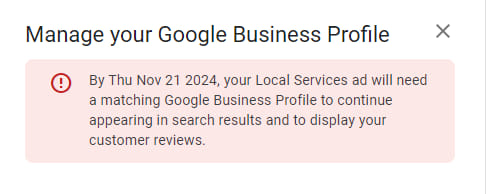
Understanding The Shift: Are GBP Reviews Replacing LSA Reviews?
BlogUnderstanding the Shift: Are GBP Reviews Replacing LSA Reviews? Yes, Google Business Profile (GBP) reviews have officially replaced separate Local Services Ads (LSA) reviews across all service verticals. Google retired the standalone LSA review system, consolidating all customer feedback, ratings, and moderation under unified GBP profiles. Consequently, your GBP rating and review velocity directly determine your LSA ad positioning, conversion rates, and overall lead generation performance. We have monitored this structural shift across hundreds of local client campaigns in the field. When Google began transitioning local account requirements, many service business owners assumed paid ad placements would remain insulated from organic Map Pack signals. Our real-world testing quickly proved that assumption wrong, as LSA ad rank now mirrors GBP health almost instantly. Understanding this consolidation is no longer optional for home service and professional service providers who depend on paid local leads. The Evolution Timeline of LSA and GBP Integration Google executed the consolidation of Local Services Ads and Google Business Profiles through a multi-phase roadmap spanning late 2024 into early 2026. This migration established mandatory GBP linking, phased out legacy LSA review links, introduced unified Google Verified badging, and adjusted algorithmic ranking parameters to emphasize review recency and posting velocity. We tracked each milestone as Google systematically aligned its paid search ecosystem with Maps data infrastructure. Below is the full operational timeline mapping every critical update that redefined local search visibility for service businesses. Date Milestone Event Operational Impact November 2024 Mandatory Profile Linking Google required a verified, public GBP to launch or maintain active LSA campaigns. July 2025 LSA Review Retirement Standalone LSA review submission systems were disabled, shifting management exclusively to GBP. October 2025 Google Verified Rollout Google Guaranteed and Screened badges were replaced by a unified Google Verified checkmark. January 2026 Recency Weight Increase Search algorithms increased ranking penalties for stale profiles lacking fresh monthly feedback. February 2026 Zero-Review Activation Minimum review thresholds were removed for ad launches, though unreviewed ads rank poorly. Why Google Consolidated LSA and GBP Review Systems Google merged review systems to eliminate consumer confusion caused by conflicting star ratings and to curtail widespread review spam. By routing all feedback through Google Business Profile, Google applied advanced Map Pack spam filtering models, established a single source of brand trust, and simplified review collection workflows for local merchants. Before this update, consumers frequently encountered conflicting ratings for the same business across Map listings and ad modules. Furthermore, legacy LSA review links lacked algorithmic moderation filters, making them targets for third-party manipulation and fake submissions. In our field operations, we observed dishonest competitors inflating standalone LSA ratings while maintaining subpar organic standing. By migrating all review infrastructure to GBP, Google enforces stricter user-generated content policies managed through Google Business Profile Help guidelines. This unified governance ensures that every submitted review undergoes consistent anti-spam analysis before influencing ad rank or organic visibility. How GBP Reviews Directly Impact LSA Performance Your Google Business Profile star rating, total review volume, and monthly feedback velocity now directly control your Local Services Ads placement and lead costs. Google no longer evaluates LSA account credibility separately, meaning profile suspensions, negative review spikes, or stagnant feedback immediately diminish your ad auction competitiveness. While Google eliminated the minimum review requirement to launch new LSAs in February 2026, launching without reviews yields minimal visibility. In our client accounts, unreviewed profiles struggle to win top-three carousel placements against established competitors. We consistently see that review recency—how often new ratings arrive—carries greater algorithmic weight than total historical review counts. Another major operational change occurred when Google retired the old Google Guaranteed badge and its 2,000 US Dollars claim limit. The new Google Verified checkmark confirms background checks, licensing, and insurance, but consumer trust now relies heavily on your overall GBP review rating. Real-World Field Challenges and Our Resolution Framework When Google completed the review migration, service businesses faced sudden lead drops, orphan review links, and billing discrepancies caused by unoptimized profiles. We resolved these complex issues by executing link audits, establishing immediate post-service outreach workflows, and training client staff on lead dispute protocols within strict operational parameters. In one notable case, an HVAC client saw their LSA lead volume collapse by 60 percent within two weeks. Upon investigation, we discovered their automated customer management system was sending outdated LSA review links that had ceased functioning. We resolved the breakdown by updating their software integrations with direct GBP short links and implementing automated post-service text messages sent within two hours of job completion. In another scenario, a plumbing firm suffered high lead charges due to unhandled non-lead calls. We implemented a rapid lead-triage protocol to address Google’s billing rule, where any call lasting 30 seconds or longer incurs a charge. We trained their dispatchers to qualify calls within 20 seconds, eliminating invalid charges and boosting their algorithmic responsiveness score. LSA Ranking Factors Decision Framework Maximizing LSA visibility requires balancing profile metrics, operational responsiveness, and campaign settings according to Google’s updated priority hierarchy. Strategic resource allocation should prioritize GBP review velocity and fast call answering over simple budget increases, as spend alone cannot compensate for a weak or inactive reputation score. To help service providers allocate marketing spend efficiently, we developed an evaluation framework based on real-world campaign data. Understanding these trade-offs ensures that campaign adjustments deliver high return on investment without wasting ad dollars. Ranking Factor Impact Level Strategic Priority Primary Trade-off GBP Rating & Volume Primary Impact High Priority Requires ongoing customer service effort; cannot be bought or bypassed. Review Recency & Velocity High Impact High Priority Demands consistent post-job outreach rather than sporadic review campaigns. Call Answer Rate High Impact Critical Priority Requires strict dispatcher availability; missed calls penalize overall ad rank. Profile Completeness Moderate Impact Quick Win One-time setup task; failure to maintain causes profile suspension risks. Ad Budget & Bidding Moderate Impact Conditional Higher spend yields top placement only if underlying review trust score is high. Action Plan for Optimizing Your GBP for LSA Success To succeed in the unified LSA
