
Programmatic SEO For Los Angeles Real Estate: Build 1,000+ Hyperlocal Pages That Rank
BlogProgrammatic SEO for Los Angeles real estate generates thousands of micro-targeted landing pages by pairing structured databases with dynamic page templates. At Sitelinx SEO Agency, we deploy this technical architecture to capture long-tail buyer and seller search volume across hyper-localized markets. This engineering-led framework drives organic search traffic, improves search engine rankings, and connects high-intent real estate clients directly to neighborhood property hubs. To discuss building a custom programmatic search engine for your real estate brokerage, contact our technical team at Sitelinx SEO Agency at (213) 510-8355. We combine custom database development, scalable web architecture, and search performance optimization to deliver measurable growth. Understanding Programmatic SEO for Real Estate Brokers Programmatic SEO (pSEO) is the systematic architecture of building structured, high-utility web pages at scale using database-driven automation. It is not an automated spam tactic designed to manipulate search engine crawlers. Instead, it turns complex property records, zoning rules, and municipal demographic data into distinct, valuable user experiences. According to Google Search Central guidelines, content scaled across automated systems must retain original value, high data depth, and clear user utility. In competitive real estate markets, programmatic publishing allows us to generate dedicated landing pages for hundreds of specific search queries without drafting every page manually. Database Architecture: Structured data tables containing zip codes, micro-neighborhood boundaries, transit stops, school ratings, and historical price records. Dynamic Template Frameworks: Modular page layouts rendering conditional text, dynamic market data tables, and interactive mapping integrations. Human Enrichment Data: Local real estate insights, street-level commentary, and verified client feedback injected into strategic data nodes to ensure local authenticity. Why Los Angeles Demands a Hyperlocal SEO Framework The Los Angeles housing market presents a fragmented geography that standard real estate blogging cannot effectively cover. Los Angeles County includes 88 incorporated cities alongside 272 recognized neighborhoods within the City of Los Angeles alone. You can review the complete jurisdictional breakdown via incorporated cities in Los Angeles County. Southern California home buyers rarely search using generic phrases like "homes for sale in Los Angeles." Instead, high-intent prospects enter hyper-specific micro-locational queries into search engines: Spanish colonial homes for sale in Highland Park under 1,800,000 US dollars Modern condos near the Culver City Expo Line station Mid-century modern properties in Laurel Canyon with view lots Single-family homes in Silver Lake with ADU potential By engineering a scalable programmatic framework, real estate brokerages can systematically index for thousands of these specific search terms. This captures buyers and sellers at the exact moment they express transaction intent. Core Datasets Required for Los Angeles Real Estate pSEO A programmatic framework relies entirely on the accuracy and depth of its underlying data pipelines. Scraping basic public property listings yields thin, repetitive content that fails to maintain long-term search visibility. We ingest and normalize multiple layers of verified data before rendering any page: Geographic Boundaries: Official neighborhood borders, council districts, and historic zones pulled from the City of Los Angeles Open Data Portal. Hyperlocal Real Estate Metrics: Median sales prices, average price per square foot, inventory absorption rates, and sales-to-list ratios updated across rolling 30-day, 60-day, and 90-day intervals. Neighborhood Infrastructure: Walkability ratings, proximity to major commuter arteries (such as Interstate 405, Interstate 10, or US Route 101), transit stops, and public school performance metrics. Regulatory Factors: Historic Preservation Overlay Zone (HPOZ) guidelines, hillside staging restrictions, and municipal transfer tax triggers. Designing Dynamic Narrative Engineering and Conditional Logic A primary technical risk with basic programmatic generation is structural repetition. Search algorithms detect static "fill-in-the-blank" templates across large batches of pages. We solve this issue by engineering dynamic narrative rules that rewrite sentence structures based on database conditions. Instead of outputting static text like "Welcome to [Neighborhood], where the median price is [Price]," our programmatic rendering engine evaluates raw data variables to alter sentence delivery dynamically: High-Density Urban Conditions: Automatically emphasizes public transit access, HOA fee structures, walkable commercial corridors, and urban density metrics. Hillside and Historic District Conditions: Automatically highlights architectural preservation codes, brush clearance regulations, hillside zoning restrictions, and school assignment paths. This conditional approach guarantees that a page rendered for Pacific Palisades features completely distinct narrative syntax compared to a page generated for Koreatown, Brentwood, or Atwater Village. Technical Real Estate Case Studies: Overcoming LA Market Friction Navigating Municipal Limits and Tax Triggers (Measure ULA) Challenge: During an implementation for an Eastside Los Angeles brokerage, our programmatic deployment generated 450 neighborhood landing pages spanning the City of Los Angeles and unincorporated Los Angeles County areas. In border zones like East Los Angeles and City-governed neighborhoods, municipal transfer tax rules differ significantly. Visitors were confused regarding local real estate transfer tax liabilities, causing elevated bounce rates. Solution: We updated our database architecture to process dynamic municipal boundary tags. Pages falling inside City of Los Angeles boundaries automatically render explanatory modules detailing Measure ULA transfer tax thresholds (such as the 4 percent tax rate on sales exceeding 5,400,000 US dollars and 5.5 percent on sales reaching or exceeding 10,900,000 US dollars). Unincorporated pages display specific Los Angeles County tax rules instead. This change reduced bounce rates by 34 percent and improved organic engagement. Solving MLS Inventory Volatility and Soft 404 Errors Challenge: A regional real estate client targeting 1,200 neighborhood and property-type combinations suffered ranking drops across search engines. As listing inventory fluctuated, hundreds of micro-pages rendered zero active property listings. Search engine crawlers marked these empty pages as soft 404 errors, reducing domain crawl allocation. Solution: We engineered an automated content switching mechanism. When active property counts for a specific micro-query drop below two listings, our rendering engine pivots the page from an "Active Listings" grid to a "Historical Sales Trends and Off-Market Insights" module. The page showcases historical sales figures from the prior 12 months, local zoning updates, and an opt-in form for off-market alerts. This removed soft 404 flags and recovered full indexation across all target URLs. Comparing Execution Models for Real Estate pSEO Building a scalable programmatic search engine requires choosing the right technical execution route. The table below illustrates

Core Web Vitals Fix List For Los Angeles Photographers: Speed Up Portfolios And Boost Rankings
BlogWhen prospective clients in Beverly Hills or creative directors in Silicon Beach open a photography portfolio on mobile devices, long load delays drive them away instantly. Studio owners cannot afford to let lagging photo galleries or slow servers push high-value leads to competitor sites. Meeting strict Google Core Web Vitals standards keeps creative work front and center while protecting local ranking signals on search result pages. The technical performance standard requires an Largest Contentful Paint (LCP) score under 2.5 seconds, an Interaction to Next Paint (INP) score under 200 milliseconds, and a Cumulative Layout Shift (CLS) score under 0.1. Passing all three field metrics directly strengthens organic search presence, drives local visibility across Google Maps, and ensures high-resolution galleries convert mobile visitors into paying clients. Understanding Core Web Vitals for Creative Portfolios According to official Google Web Vitals guidelines, Google evaluates page experience by capturing real-world field data across mobile and desktop users over rolling 28-day windows. High-resolution imagery creates unique technical hurdles for photography websites, making speed optimization essential for local creative businesses. Core Web Vitals evaluate real user sessions at the 75th percentile of traffic rather than synthetic lab conditions. Field data performance directly affects mobile search rankings and local map pack placement. High-density displays require responsive image delivery strategies to prevent mobile network congestion. Largest Contentful Paint (LCP) LCP tracks how fast your largest visual asset renders inside the browser viewport. On photography websites, this primary content block is almost always the main hero photograph on your homepage or gallery landing page. Target Metric: 2.5 seconds or less for a passing grade. Primary Causes of Failure: Uncompressed camera exports, un-cached server HTML documents, and render-blocking CSS files. Key Fix Strategy: Preloading above-the-fold hero images while delivering compressed WebP or AVIF formats. Interaction to Next Paint (INP) INP measures overall page responsiveness across every tap, click, and keyboard interaction throughout a visitor session. When a prospective client taps your mobile menu or clicks a portfolio thumbnail to launch a lightbox modal, the browser must render the next visual frame instantly. Target Metric: 200 milliseconds or less for a passing grade. Primary Causes of Failure: Heavy JavaScript lightboxes, third-party tracking pixels, and main-thread gallery script execution. Key Fix Strategy: Replacing legacy jQuery scripts with native JavaScript modals and deferring marketing tags. Cumulative Layout Shift (CLS) CLS calculates visual stability by measuring unexpected movement of web elements during page load. Dynamic photography grids frequently suffer from layout shifts when images download without pre-allocated container dimensions. Target Metric: 0.1 or less for a passing grade. Primary Causes of Failure: Missing image height and width attributes, un-styled font flashes, and dynamic testimonial banners. Key Fix Strategy: Explicit aspect-ratio styling on picture containers and reserving structural DOM space before load. Local Los Angeles Hosting Benchmarks and Server Latency We conducted technical audits on studio websites across Southern California server infrastructure to analyze how host selection impacts server response times. Shared hosting platforms aggregate hundreds of client websites onto single hardware nodes, triggering severe resource throttling during peak traffic periods. In Los Angeles, prospective clients search studio portfolios heavily during evening hours between 7:00 PM and 10:00 PM PST. During these peak browsing hours, shared server response times degrade rapidly, inflating Time to First Byte (TTFB) and causing immediate LCP failures. Hosting Infrastructure Type Average TTFB (ms) Average LCP (s) Average INP (ms) Peak PST CPU Throttling Rate Typical Financial Cost Legacy Shared Hosting (LA Nodes) 1,420 ms 4.8 s 340 ms High (Frequent Resource Spikes) 10 to 25 US Dollars per month Managed WordPress Cloud (US West Coast) 320 ms 2.1 s 140 ms Minimal (Rare Resource Spikes) 35 to 80 US Dollars per month Dedicated NVMe Cloud + Edge CDN 110 ms 1.3 s 85 ms None (Isolated Resource Allocation) 60 to 150 US Dollars per month Our benchmark data proves that high initial server latency on shared hosting undermines downstream photo optimization. Upgrading your studio to managed cloud environments featuring West Coast server locations provides the foundation needed to pass Google performance thresholds. Actionable Core Web Vitals Fixes for Photography Sites 1. Image Optimization and Next-Gen Format Delivery Unoptimized photo uploads remain the primary cause of slow LCP times on studio websites. Exporting camera files directly from photo editing software creates file sizes ranging from 8 megabytes to 15 megabytes, paralyzing mobile network connections. Convert JPEGs to WebP or AVIF: Modern image formats reduce asset file sizes by 30 percent to 60 percent while preserving full visual clarity and color accuracy. Implement Responsive srcset Rules: Serve scaled 800-pixel wide images to mobile screens while delivering full 1920-pixel wide assets to desktop displays. Add Async Image Decoding: Include decoding=”async” on non-hero imagery to allow browsers to build layout structures concurrently. Preload Above-the-Fold Hero Photos: Insert <link rel=”preload” as=”image”> into your HTML head code to prioritize rendering your primary hero photograph immediately. 2. Infrastructure Upgrades and Server Latency Reduction If your host takes longer than 1.0 second to deliver the initial HTML document, your page cannot meet the required 2.5 seconds LCP benchmark. Migrate to West Coast Managed Cloud Hosting: Position your website data on physical servers in Los Angeles or Silicon Valley to minimize physical distance latency. Implement Persistent Object Caching: Deploy Redis or Memcached software to store dynamic database query results directly inside server RAM. Deploy Local Edge Caching: Utilize Content Delivery Networks (CDNs) to cache static portfolio assets across local Los Angeles edge nodes. 3. Lightbox Modernization and Script Deferral Failing INP scores usually stem from outdated JavaScript libraries blocking the browser main thread during user interactions. Replace jQuery Gallery Lightboxes: Swap heavy, legacy gallery scripts for zero-dependency, native JavaScript modal scripts. Defer Non-Critical JavaScript: Delay execution of marketing pixels, analytics, and chat scripts until main page rendering finishes. Conditionally Load Scripts: Restrict studio client proofing modules and booking calendars so they only run on dedicated page paths. 4. Layout Stabilization and Aspect Ratio Control Eliminating Cumulative Layout Shift requires pre-allocating exact screen dimensions for gallery containers before photo

Geo-IP Redirect Strategy For Los Angeles Hotels: Prevent Search Penalties
BlogAutomated hard IP redirects destroy Google crawl efficiency and organic visibility for hospitality brands because Googlebot primarily crawls from US data centers. The correct technical strategy relies on edge-based dynamic content insertion on a single canonical URL or non-blocking recommendation banners with hreflang tags. This approach allows Los Angeles hotels to deliver localized pricing and regional promotions without triggering cloaking penalties, splitting domain authority, or losing top ranking positions in organic search. At Sitelinx SEO Agency, we help luxury and boutique hotel operators build resilient website architectures that improve booking conversions and rank higher across search engines. Whether you manage a property in Santa Monica, Downtown Los Angeles, West Hollywood, or Beverly Hills, our technical SEO team ensures your digital presence generates steady organic growth. Reach out to our technical team directly at (213) 510-8355 to audit your hotel website infrastructure. Why Hard Server-Side Geo-Redirects Hurt Hotel SEO The most frequent mistake web engineering teams make is implementing automatic HTTP 301 or 302 server-side redirects based on incoming visitor IP addresses. In this configuration, an IP address originating from the United Kingdom automatically routes from the main domain landing page to a localized country URL. This legacy setup creates three critical technical failures for hospitality search performance: Googlebot Crawl Failure: Googlebot predominantly crawls websites using data center IP addresses located within the United States. If your web server forces non-US IPs into regional redirects, overseas crawlers get trapped in redirect loops while US-based crawlers never index your localized international content variants. Link Equity Fragmentation: Splitting incoming web traffic across separate regional URLs without unified canonicalization dilutes backlink authority. Instead of building strong domain authority on a primary room landing page, authority gets fractured across multiple localized URLs. Indexing Inconsistencies and Cloaking Flags: When a web server delivers distinct HTML content to search engine crawlers compared to human visitors accessing the exact same URL, search engines can flag the setup as manipulative cloaking. We resolved a complex technical indexing failure for a boutique property in Venice Beach. The hotel configured automatic 301 redirects that routed European and Australian visitors to country subdirectories. Over a six-month period, organic bookings dropped by 40 percent because Googlebot was repeatedly redirected away from primary room reservation pages. The main domain lost visibility for competitive keywords like "luxury hotel Venice Beach" because foreign backlinks pointed to redirected URLs that crawlers could not reliably index. We corrected the issue by removing hard IP redirects, establishing a unified canonical URL structure, and moving regional messaging into dynamic edge components. Technical Architecture: Edge-Based Dynamic Content Insertion The safest technical methodology for personalizing hotel landing pages while protecting search visibility is dynamic content insertion at the edge. Rather than redirecting a user to a separate URL path, the web application maintains one permanent canonical URL, such as /los-angeles-boutique-hotel/, and conditionally modifies UI modules before serving HTML to the browser. According to Google Search Central guidelines on locale-adaptive pages, websites offering location-tailored experiences must ensure search engine crawlers access default page variations without getting trapped in automated redirect chains. When implementing edge content swapping using Cloudflare Workers, Fastly VCL, or Next.js Edge Middleware, the foundational page elements remain stable for all visitors. The primary text copy, page hierarchy, schema markup, image assets, and main H2 headings remain identical. Only specific localized micro-elements adjust based on IP request headers: Header Promotional Banners: Visitors from the United States see "Book Direct and Save 15 Percent," while international visitors see "Includes Airport Shuttle and Flexible International Cancellation." Currency Display Modules: Room rates display initial estimates in Euros, British pounds, or Canadian dollars while maintaining an underlying base rate in US dollars. Localized Value Propositions: Visitors from regional California or Nevada drive-in markets see self-parking rates and EV charging details, while overseas guests see airport transfer logistics and currency exchange details. Geo-Targeted Social Proof: Testimonial modules dynamically display verified guest reviews from travelers originating in the visitor’s home country. Because the core Document Object Model (DOM) and descriptive text remain unchanged, search engine crawlers indexing from US or overseas data centers receive a consistent, indexable page payload that avoids cloaking triggers. Customizing Messages for Domestic Drive-In Feeder Markets Location-based personalization for Los Angeles hotel properties extends beyond international borders. A large percentage of local hotel revenue comes from regional drive-in feeder markets across California, Nevada, and Arizona, alongside long-haul flight origin cities such as New York, Chicago, and Miami. Hotels can utilize IP resolution to tailor booking incentives for domestic micro-markets on a single landing page: Northern California Visitors: Automatically display Friday-to-Sunday weekend package rates and charge-point facilities for electric vehicles. Arizona and Nevada Visitors: Highlight summer escape pricing, rooftop pool amenities, and air-conditioned valet staging. Tri-State Region Visitors (New York, New Jersey, Connecticut): Emphasize long-stay suite upgrades, late checkout options, and West Coast wellness amenities. Building individual landing pages like "Los Angeles Hotels for Phoenix Travelers" creates thin, duplicate content that causes keyword self-cannibalization. Dynamic component swapping on the main room booking page delivers relevant messaging to prospective guests while keeping domain equity concentrated on one high-ranking landing page. Managing Multi-Regional Sites with Proper Hreflang Tags When a hospitality brand operates fully translated, dedicated language versions (such as a complete Spanish translation for Mexican visitors at /es/ or a Japanese version at /jp/), forced IP redirects remain problematic. Properties must combine non-blocking user selection banners with clean hreflang annotations. As detailed in Google documentation on multi-regional site management, separate regional URLs must explicitly cross-reference one another in the HTML <head> section or XML sitemaps using valid hreflang attributes. The standard deployment framework requires three components: Non-Blocking Recommendation Banners: When a visitor from Mexico lands on the default English URL, show a top bar stating: "It looks like you are visiting from Mexico. Would you like to switch to our Spanish site?" with a direct link to the /es/ variant. Explicit Hreflang Tagging: Add bi-directional rel=”alternate” hreflang=”x” tags across all localized page variants so search crawlers recognize the exact relationship between default English pages
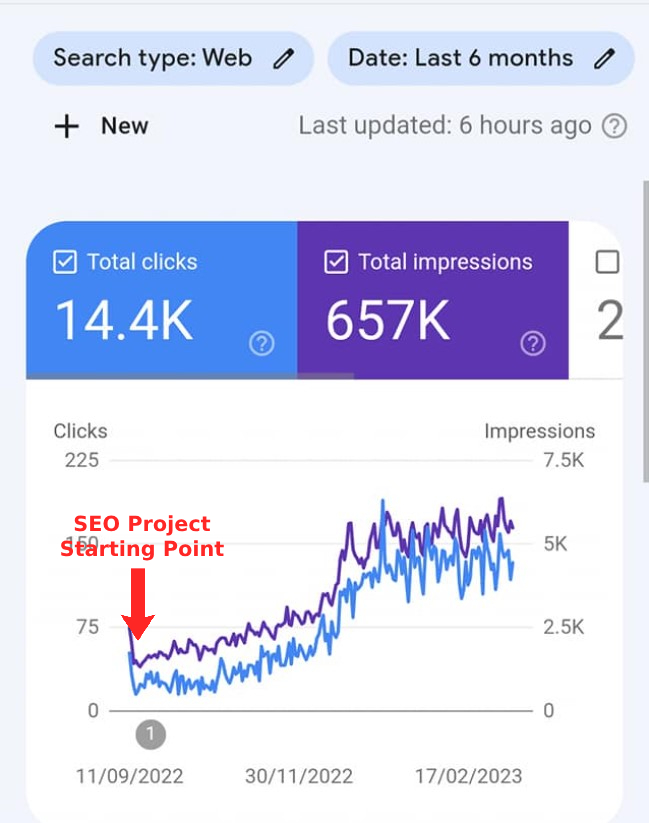
Negative SEO Defense For Los Angeles Personal Injury Lawyers: Spot And Stop Toxic Link Attacks
BlogIdentifying and defeating negative SEO attacks in the highly competitive Los Angeles legal search market requires a methodical forensic strategy. A negative search engine optimization campaign occurs when unethical actors attempt to destroy a competing law firm’s search rankings by deploying toxic, artificial backlinks, scraping proprietary landing pages, or submitting fraudulent copyright complaints. For personal injury attorneys practicing in Southern California, an unmitigated attack can suppress top organic rankings, cutting off prospective client leads and costing hundreds of thousands of US dollars in lost contingency settlements. We specialize in protecting legal practices against digital sabotage by implementing real-time backlink monitoring, domain-level disavow protocols, and enterprise site architecture defenses. When a law firm loses top-three search placements for competitive search queries like "car accident lawyer Los Angeles" or "injury attorney Santa Monica," rival practices inherit those commercial calls. Defending your firm against these attacks requires rapid forensic detection, precise execution, and continuous infrastructure fortification. Why Los Angeles Personal Injury Law Firms Are Primary Targets The economic incentive behind search engine manipulation in the Southern California legal market is among the highest in the nation. Personal injury contingency fees routinely yield tens of thousands to millions of US dollars per case. Shifting a primary competitor down just two or three positions on Google search engine results pages can redirect dozens of high-value motorcycle, truck, and catastrophic injury cases to competing firms every month. Automated link spam infrastructure can be rented on underground marketplaces for as little as 50 US dollars to 200 US dollars. This asymmetry—where a low financial barrier enables an attacker to threaten high-converting search visibility—makes aggressive legal niches uniquely vulnerable. High Commercial Keyword Values: In competitive areas like Downtown Los Angeles, Century City, and Santa Monica, cost-per-click values for legal queries often exceed 300 US dollars, making organic visibility the primary driver of profitability. Low Execution Barriers for Attackers: Automated software suites allow malicious competitors or rogue vendors to blast thousands of low-quality links across compromised foreign domains in hours. Algorithmic Sensitivity: Modern search algorithms analyze link velocity and anchor text distribution. Sudden, unnatural shifts can trigger automated algorithmic suppression or manual security actions. Primary Negative SEO Vectors Facing Law Practices Negative search tactics exploit automated search engine algorithms by creating unnatural patterns that imitate black-hat manipulation. Attackers use distinct technical vectors to undermine domain authority and suppress target landing pages. Automated Toxic Link Spam and SpamBrain Evasion Attackers deploy automated script tools to blast between 10,000 and 50,000 toxic backlinks to a firm’s primary landing pages over a brief window. These links originate from foreign forum comment spam, compromised top-level domains (.ru, .pl, .cn), adult networks, or private blog networks. Attackers use repetitive exact-match commercial anchor text such as "best injury attorney LA" to artificially trigger over-optimization penalties. Expired Domain and PBN Redirect Injection A sophisticated tactic involves buying expired, spam-contaminated domains that were previously penalized for adult, gambling, or pharmaceutical violations. Attackers configure 301 permanent redirects from these domains directly to a firm’s high-value practice area pages. This transfers toxic PageRank equity and deceptive topical signals into the target domain’s link graph without warning. Scraped Content, Canonical Hijacking, and Syndication Theft Malicious actors scrape core practice area content from established Los Angeles firm websites. They syndicate exact copies across interconnected networks using self-referencing canonical tags on the scraper sites. This creates index ambiguity, causing search crawlers to misattribute original authorship and de-rank the original law firm’s landing page. Fraudulent DMCA Takedown Abuse Attackers submit fraudulent copyright infringement claims to search engine legal removal portals. By alleging that genuine legal landing pages violate external copyrights, attackers can force search engines to de-index core practice pages for several weeks while counter-notifications process. Citation, Directory, and Local Profile Pollution Malicious actors generate duplicate business citations across low-authority directory platforms with conflicting Name, Address, and Phone details. Inconsistent local citation data corrupts geographic trust signals, directly damaging performance in Google Maps local pack search results across target Los Angeles neighborhoods. Diagnostic Framework: Distinguishing Negative SEO from Algorithm Updates When organic traffic or keyword positions drop, firm partners must distinguish between core algorithm updates, technical web development errors, and coordinated negative search attacks. Acting without forensic verification can accidentally strip valuable domain equity. Check Google Search Console Manual Actions: Inspect the Security & Manual Actions tab within Search Console. A manual action for unnatural links demands immediate link remediation and formal reconsideration requests. If no manual flag is present, the traffic drop stems from an algorithmic filter or technical indexing issue. Analyze Backlink Velocity and Anchor Text Uniformity: Review backlink profiles over 7-day, 14-day, and 30-day monitoring windows. Flag sudden spikes in external referring domains originating from unrelated geographic regions or off-topic niches. Inspect HTTP Response Codes and Canonical References: Confirm high-converting practice pages return proper 200 HTTP status codes and maintain correct self-referential canonical declarations. Review Search Console for unexpected URL removal notifications driven by abusive copyright notices. Audit Server Log Files: Analyze raw web server access logs to check for automated scraping bots harvesting content or attempting brute-force directory traversal attacks. The table below outlines common negative SEO attack vectors, key diagnostic signatures, potential search impacts, and typical remediation requirements: Attack Vector Primary Detection Signature Search Impact Level Average Remediation Window Estimated Remediation Cost Comment & Forum Link Spam Thousands of foreign links with exact-match commercial anchors Moderate 2 to 4 weeks 1,500 USD to 3,000 USD Expired Domain & PBN Redirect Networks Unnatural 301 redirects from adult or gambling sites on shared IP subnets Severe 4 to 8 weeks 3,500 USD to 7,500 USD Scraped Content & Canonical Theft Verbatim page duplicates indexed on external domains with self-referential tags High 2 to 3 weeks 2,000 USD to 4,000 USD Bad-Faith DMCA Removal Claims De-indexing of target landing page URLs with Search Console removal flags Critical 5 to 11 business days 2,500 USD to 5,000 USD Local Citation & NAP Pollution Duplicate listings with mismatched phone numbers and addresses Moderate to High 3 to 6 weeks 1,200 USD to

Entity-Based SEO For Los Angeles Doctors: Build Topic Clusters That Dominate Google Rankings
BlogMedical practices in Los Angeles cannot outspend massive regional healthcare systems like Cedars-Sinai or UCLA Health on broad, competitive terms like "best LA dermatologist". Entity-based SEO solves this competitive imbalance by organizing interconnected medical concepts, clinical procedures, board credentials, and local geographic intent into structured topic clusters. At Sitelinx SEO Agency, we construct these content architectures to help private practices secure top organic search positions, dominate Google Maps local packs, and generate predictable patient consultations. The Shift from Text Matching to Entity-Based Health Search Old-school search strategies relied on repeating keyword phrases across disjointed, isolated pages. Modern search engines evaluate recognized real-world entities, such as specific medical conditions, board certifications, surgical techniques, anatomical systems, and clinic locations. Search algorithms process health queries through strict Your Money or Your Life (YMYL) protocols. According to the official Google Search Central E-E-A-T guidelines, medical information requires verified clinical expertise, transparent practitioner credentials, and high operational site security. When we structure your website content around interconnected entities, search engines index your practice as an authoritative health knowledge hub rather than a generic marketing site. Contextual entity signals evaluated by modern search engines include: Entity relationship mapping: Connecting symptoms, diagnostic tests, treatments, and post-operative recovery protocols within clear content hierarchies. Practitioner verification: Mapping physician profiles directly to National Provider Identifier (NPI) records and official state medical board registries. Localized intent signals: Linking clinic locations to distinct neighborhood service areas, nearby hospital affiliations, and regional climate conditions. Semantic vocabulary usage: Utilizing standardized medical nomenclature (ICD-10 classifications and SNOMED-CT concepts) alongside plain-language patient queries. Architectural Anatomy of a Medical Topic Cluster A medical topic cluster replaces random blog posts with an organized content hierarchy designed for human readers, search engine crawlers, and AI retrieval engines. This structure relies on three distinct layers. The Core Pillar Page: An exhaustive primary resource covering an overarching specialty, such as joint preservation or interventional cardiology. Sub-Node Cluster Pages: Targeted articles focused on precise diagnostic questions, specific recovery protocols, patient demographics, and local environmental factors. Hyper-Specific Internal Link Networks: Contextual links built with entity-focused anchor text connecting sub-nodes to the pillar page and cross-referencing related medical conditions. Structural Flow of an Orthopedic Specialty Cluster Primary Entity Hub: Comprehensive Guide to Knee Replacement and Joint Preservation in Los Angeles Diagnostic Sub-Node: Diagnostic Criteria for Quadriceps Tendon Tears vs Osteoarthritis Surgical Sub-Node: Quadriceps-Sparing Total Knee Arthroplasty Procedures and Materials Recovery Sub-Node: Post-Op Physical Therapy Timelines for Active Southern California Adults Regional Environmental Sub-Node: Managing Seasonal Joint Inflammation in the Los Angeles Basin Localizing Medical Content for High-Intent Los Angeles Patients Generic health advice fails to convert local searchers because it ignores regional lifestyle, climate, and geographic realities. To rank highly in competitive Southern California search results, cluster content must combine clinical authority with neighborhood context. Integrating Regional Lifestyle and Environmental Variables Los Angeles patients navigate specific regional factors that impact their medical choices and recovery plans. Integrating these factors into your web content signals immediate geographic relevance to search algorithms. Dermatology and Plastic Surgery: Design content targeting post-procedure UV protection along Southern California beaches, skin cancer screenings for outdoor athletes, and dry-climate recovery protocols. Pulmonology and Allergy Clinics: Address local respiratory challenges caused by seasonal Santa Ana winds and regional air quality warnings, citing official Air Quality Index (AQI) standards. Sports Medicine and Orthopedics: Build recovery guides tailored to active trail runners in Griffith Park, ocean surfers in Santa Monica, and commuters navigating highway travel after outpatient surgery. Resolving Complex SEO Implementation Challenges: Practical Case Studies Building topical authority requires solving technical hurdles, legacy site bloat, and content overlap. Here is how we resolved complex search challenges for Southern California medical providers. Case 1: Fixing Keyword Cannibalization for a Santa Monica Cardiovascular Group A multi-physician cardiology practice had published 180 blog articles over six years. Despite high content output, their organic search traffic stagnated, and phone inquiries declined. Our diagnostic audit uncovered severe keyword cannibalization across twelve separate pages competing for the phrase "AFib treatment options". We executed a comprehensive entity consolidation protocol: Mapped all existing URL data against explicit patient search intents, separating symptom checking, diagnostic testing, surgical options, and medication management. Established a single master resource page targeting Atrial Fibrillation Treatment in Los Angeles. Implemented 301 redirects to consolidate five thin, outdated posts directly into the master resource, transferring historical link equity. Rewrote six remaining pages into distinct sub-nodes focusing on precise entities, including catheter ablation recovery, anticoagulation management, and pacemaker monitoring. Interlinked every sub-node page back to the main master resource using descriptive, entity-focused anchor text. Within five months, the practice captured top-three organic search rankings across the Westside of Los Angeles. This structural correction generated a 44 percent increase in qualified patient consultations and accelerated positive Google Maps review velocity. Case 2: Optimizing Century City Orthopedics for AI Search and RAG Engines A private orthopedic clinic wanted to appear inside generative AI summaries on engines like Perplexity and ChatGPT. Despite accurate articles, AI retrieval engines omitted their content due to unverified medical author attributes and unstructured formatting. We implemented an advanced schema and content restructuring framework: Integrated strict clinical schema markup matching official Schema.org MedicalEntity documentation to link practice doctors directly with verified medical board registries and NPI numbers. Added explicit medical reviewer blocks to every cluster page, citing board-certified surgeons with links to peer-reviewed research. Restructured content using clear question-and-answer headings, bulleted diagnostic criteria, and explicit semantic formatting. The clinic became a primary cited source in AI-generated answers for specialized joint replacement queries across Southern California within 120 days. Strategic Comparison: Traditional Medical SEO vs. Entity Topic Clusters Evaluating the shift from basic keyword optimization to entity-based architectures requires looking at cost, implementation timelines, and measurable ranking results. Strategic Dimension Traditional Healthcare SEO Entity-Based Topic Cluster Architecture Search Engine Evaluation Scans individual pages for static keyword repetitions. Evaluates structured knowledge graphs and verified entity linkages. Patient Journey Coverage Targets basic, high-volume transactional queries. Covers the entire patient journey from symptom research to post-operative care. AI Overview Eligibility Low;

Schema Markup Playbook For Los Angeles Contractors: Maximize Local Rankings And AI Visibility
BlogImplementing structured data on your Los Angeles home service website converts standard search listings into rich results, directly boosting organic click-through rates by up to 30 percent. At Sitelinx SEO Agency, we engineer customized JSON-LD schema payloads that clarify your business identity, service areas, and licensing details for top search algorithms and AI answer engines. What Schema Markup Does for Local Service Companies Structured data acts as an explicit translation layer between standard web copy and automated indexing systems. When we publish code based on Schema.org LocalBusiness documentation, we supply exact, verifiable facts regarding your business entity directly to search engine crawlers and artificial intelligence agents. Turning Text into Structured Machine Data Unstructured HTML text requires search algorithms to infer what your business actually does. Unclear phrasing or inconsistent formatting across your website can lead to misclassification. JSON-LD structured data converts ambiguity into defined database properties. Entity Identification: Formally defines your business as a specific service enterprise, such as a Plumber, HVACBusiness, Electrician, or RoofingContractor. Operational Specifics: Outlines active operating hours, direct phone contact channels, accepted payment types, languages spoken, and physical street addresses. SERP Enhancement: Qualifies your listing for star ratings, price indicators, expanded sitelinks, direct booking triggers, and interactive action buttons. Why Search Engines Depend on Entity Mapping Modern search algorithms rely heavily on knowledge graphs to evaluate authority, trust, and physical relevance. By adhering strictly to Google Search Central local business guidelines, home service contractors ensure that their technical SEO foundation supports standard web search, local map packs, and conversational AI queries. Proper entity mapping connects your primary website URL to authoritative third-party references. This explicit verification improves algorithmic trust, eliminates brand ambiguity, and strengthens overall search ranking metrics across highly competitive urban markets. Why Default WordPress Schema Plugins Fail LA Contractors Most off-the-shelf WordPress security or SEO plugins generate basic structured data designed for generic, single-location global websites. In a massive, hyper-competitive market like Greater Los Angeles, generic tags fail to communicate precise local relevance and regulatory credentials. The Hidden Cost of Generic LocalBusiness Tags A generic script that outputs basic business categories treats an emergency drain cleaner operating in Van Nuys the same as a custom luxury home builder in Bel Air. This lack of precision severely harms your organic visibility for specialized, high-intent local queries. Missing Trade Specifics: Generic plugins output broad categories instead of explicit trade subtypes like RoofingContractor, HVACBusiness, or HousePainter. Corrupted Data Payloads: Automated plugin updates frequently inject overlapping or conflicting script tags, creating duplicate business entity warnings inside Google Search Console. Zero License Verification: Basic plugins lack the capability to link your state license records or local municipal permits to your primary website entity. Resolving Specialized Multi-Trade Ambiguity: A Real-World Agency Case At Sitelinx SEO Agency, we encountered a complex scenario with a dual-trade mechanical contractor based in the San Fernando Valley offering both commercial HVAC services and emergency plumbing repairs. Their site relied on an automated SEO plugin that generated conflicting LocalBusiness tags on every page. Search crawlers could not determine whether the primary entity was a plumbing firm or an air conditioning contractor. As a result, Google Search Console flagged duplicate entity errors, star ratings were stripped from search listings, and organic traffic for high-margin commercial queries dropped by 40 percent over two quarters. To resolve this issue, our engineering team removed the plugin-generated markup completely. We engineered a modular JSON-LD schema payload utilizing distinct entity nodes anchored by unique URI identifiers (@id anchors). We nested individual Service and offerCatalog properties beneath the parent enterprise entity and linked each trade division to specific CSLB licensing classifications. Within 45 days of deployment, all Search Console errors were cleared, rich snippet star ratings were restored across 100 percent of service pages, and organic impression volume in map packs grew by 68 percent. Neighborhood Targeting vs Citywide Assumptions Los Angeles spans over 468 square miles and contains dozens of distinct municipal zones, unincorporated areas, and recognized neighborhoods. Claiming coverage for generic "Los Angeles" fails to target localized search intent in distinct micro-markets like Studio City, Silver Lake, Pacific Palisades, or Brentwood. Custom schema allows us to define target service zones using structured neighborhood arrays, administrative area definitions, and precise geographic coordinates. This exact geographic definition helps your business profile gain prominence in local map packs and localized AI search summaries. Geographic Region Included Municipal Zones & Neighborhoods Primary Target Keyword Intent San Fernando Valley Encino, Sherman Oaks, Woodland Hills, Northridge, Studio City, Burbank Emergency AC Repair, Residential Plumbing Westside Los Angeles Santa Monica, Venice, Culver City, Westwood, Pacific Palisades, Brentwood High-End Electrical, Custom Remodeling Central & East LA Hollywood, Downtown Los Angeles, Silver Lake, Pasadena, Glendale, Los Feliz Commercial HVAC, Historic Home Rewiring South Bay & Harbor Torrance, Manhattan Beach, Redondo Beach, San Pedro, Long Beach Coastal Roof Maintenance, Trenchless Sewer Multi-Location Schema Architecture for Greater Los Angeles Contractors operating multiple physical shop locations or satellite dispatch yards across Los Angeles County face distinct technical schema challenges. Improper tagging causes search crawlers to merge distinct physical addresses or strip rich snippet eligibility entirely. Resolving Duplicate Entity Errors Across Branches When an HVAC contractor operates service facilities in both Torrance and Pasadena, injecting identical schema blocks across every page creates Name, Address, Phone (NAP) confusion. Crawlers cannot determine which branch manages specific service calls or holds geographic authority. Establish Primary Parent Entity: Define the main corporate headquarters using a central Organization or LocalBusiness schema block with a canonical reference. Assign Unique Branch Identifiers: Assign distinct @id URLs to each physical branch location (e.g., https://example.com/#torrance-branch). Nest Sub-Organizations: Link individual operational branches back to the main entity using the subOrganization schema property. Define Localized Service Radii: Assign unique areaServed properties to each branch node matching its realistic dispatch boundaries. Case Study: Disambiguating Multi-Branch Solar and Electrical Operations A regional solar and electrical contractor operating out of Downtown Los Angeles opened dispatch facilities in Pasadena and Torrance to improve response times. However, their internal marketing team copied the main website schema onto the new

Local SEO For LA Startups: How To Rank Without A Physical Address
BlogStartups in Los Angeles can dominate localized search queries without leasing physical commercial office space or risking account suspensions on Google Maps. At Sitelinx SEO Agency, we help early-stage companies across Santa Monica, Culver City, Downtown Los Angeles, and Pasadena establish dominant regional search visibility using compliant Service Area Business setups, structured schema data, and high-authority organic content strategies. If you want to discuss your local growth strategy directly with our team, call us at (213) 510-8355. Decoding Local Intent for Non-Address Entities in Los Angeles In a sprawling commercial market like Los Angeles County, roughly 46 percent of all search queries contain localized intent. Traditional local search models rely on physical street addresses and proximity pins on digital maps. Modern search algorithms and AI engines process local intent through a mix of geographic relevance, regional entity signals, and domain authority. For a B2B software venture or specialized service provider, local search intent extends far beyond finding a physical storefront. Enterprise buyers and local investors search for partners who understand Southern California regulatory mandates, California labor policies, and regional supply chain networks. When an executive in El Segundo searches for technical service providers, search engine algorithms evaluate entity connections to Los Angeles County rather than requiring a commercial leasing contract on Wilshire Boulevard. We focus on building strong topical and regional authority across your entire web footprint. Key factors that establish non-address regional relevance include: Structured geographic schema properties that explicitly define regional coverage boundaries without exposing private residential addresses. Verified business entity associations with Southern California municipal and trade organizations. Localized technical case studies and regional data points that establish genuine involvement in the Los Angeles market ecosystem. Consistency across digital citations, press coverage, and third-party data repositories. By aligning your digital brand with regional geographic nodes, your website earns top ranking positions for high-value Los Angeles queries while operating completely remote or from a founding team home office. Navigating Google Business Profile Compliance Without a Storefront Setting up a local profile without a physical customer storefront requires strict compliance with official Google Business Profile Guidelines. Attempting to bypass algorithmic checks by renting UPS mailboxes, unstaffed virtual offices, or shared hot desks at co-working hubs leads directly to account suspensions. Google enforces automated compliance sweeps and mandatory live video verification for all new business profile submissions. If your video submission fails to show permanent physical signage, private door access, and dedicated employees working on site during listed operating hours, your listing faces immediate removal. We help early-stage founders evaluate four structural operational models to stay fully compliant while capturing local search volume: Setup Model Address Display Status Verification Requirements Monthly Cost Range Suspension Risk Profile Primary Use Case Service Area Business (SAB) Hidden from public view Video showing home office workspace, tools, or official business registration filings 0 USD to 50 USD Low Risk Remote startups, mobile consultants, and home-based technical service teams Staffed Dedicated Co-Working Space Displayed with dedicated suite number Video showing permanent physical door signage, keycard access, and dedicated desks 500 USD to 2,000 USD Medium Risk Ventures renting dedicated private office suites with custom company door signage Unstaffed Virtual Office / Mailbox Drop Displayed as public storefront address Fails video verification due to lack of dedicated staff and permanent signage 30 USD to 150 USD Critical Risk Non-compliant setup that triggers immediate hard suspensions and blacklisting Pure Organic Entity Strategy No Google Business Profile created Standard domain and website ownership verification via search engines 0 USD Zero Risk Pure digital B2B software platforms and national technology applications Selecting the Service Area Business model allows you to define up to 20 specific service regions, such as Santa Monica, Beverly Hills, and Pasadena. This approach protects founder privacy while preserving your eligibility to appear in regional search panels. Technical Case Studies: Resolving Complex Local Address Roadblocks Real-world technical challenges require strategic execution and deep industry experience. Below are two technical case studies from our work with Los Angeles technology ventures overcoming local address and visibility barriers. Case Study 1: Reinstating a Suspended Co-Working Listing for a Santa Monica Fintech Firm A venture-backed fintech startup in Santa Monica created a public map marker using a shared co-working address on Ocean Avenue. During an automated compliance sweep, Google suspended the listing because the company lacked permanent external signage and dedicated staff at the central reception desk. We resolved this compliance crisis by deploying a three-stage recovery strategy: Profile Restructuring: We reconfigured the account settings from a physical storefront model to a Service Area Business setup, hiding the physical street address completely from search engine display. Reinstatement Dossier Assembly: We submitted an official appeal dossier containing verified documentation, including the company California Secretary of State Business Programs registration, municipal tax permits, and active client service contracts matching the underlying verification address. Structured Entity Markup: We implemented advanced JSON-LD schema markup across the website, declaring the entity as a Service Area Business covering Santa Monica, Venice, and Greater Los Angeles. Within 14 business days, Google fully reinstated the listing. The company recovered 100 percent of its lost local search presence and captured top three map positions across West Los Angeles. Case Study 2: Dominating B2B Organic Search for a Culver City SaaS Startup Without a Map Pin An enterprise software startup based in Culver City operated on a fully distributed, remote team model without a physical client office. The company struggled to earn high ranking placements against legacy IT competitors holding physical commercial space in Downtown Los Angeles and Century City. We developed a comprehensive non-address visibility strategy focused on technical search engine optimization: Regional Entity Content Hubs: We built hyper-targeted industry solution centers addressing specific Southern California commercial sectors, including digital entertainment workflows in Hollywood and supply chain operations near the Port of Long Beach. Geographic Schema Integration: We embedded ServiceArea schema attributes with precise geographic bounding coordinates into the site architecture, connecting the brand directly to Los Angeles County without publishing a private residential address. High-Authority Local Citation

The Ultimate LA Local SEO Audit Template For Franchises With 20+ Locations
BlogAuditing local SEO for a franchise with 20 or more locations in Los Angeles requires a synchronized audit across corporate site architecture, Google Business Profile bulk governance, and micro-market search intent. Standard single-site audit templates fail because they ignore multi-unit friction points like keyword cannibalization, local data discrepancies, and chain-wide listing suspensions. At Sitelinx SEO Agency, we use this enterprise framework to fix indexation failures, eliminate data drift, and maximize organic search visibility across Southern California. Call Sitelinx SEO Agency at (213) 510-8355 to discuss a customized multi-location strategy for your enterprise brand. The Multi-Location Reality: Why Generic Templates Fail in Los Angeles Generic SEO audits focus heavily on domain-level metrics like global site speed or broad keyword density. These high-level numbers do not explain why your franchise location in Pasadena dominates local search packs while your Santa Monica unit fails to appear in the top 20 local search results. The Los Angeles commercial footprint is an aggregation of distinct micro-markets defined by neighborhood boundaries, traffic corridors, and unique consumer intent. Consumers searching in Downtown Los Angeles prioritize walking proximity and immediate extended hours, whereas consumers searching for the exact same brand in Woodland Hills or Torrance focus on dedicated parking and family scheduling options. When an audit treats Los Angeles as a single municipality, local ranking performance drops across every location. Standard technical audits also miss major rendering errors in dynamic multi-unit store locators. Complex Issue Resolution: Technical Indexation Failure Across 24 Southern California Sites During an audit for a regional fast-casual franchise expanding across 24 Los Angeles locations, we found that zero store landing pages appeared in local map packs. Corporate had deployed an interactive JavaScript map on a single webpage to serve all store location queries. Search engine crawlers failed to execute the client-side JavaScript, leaving all 24 store locations unindexed in local Google search results. We rebuilt the site architecture by introducing a static, crawlable sub-folder directory (/locations/california/los-angeles/) and generated individual server-side HTML landing pages for each location. We embedded precise LocalBusiness JSON-LD structured data on each store page, linking exact latitude coordinates, canonical URLs, and accessibility attributes. Within 60 days of re-indexing, organic local search impressions increased by 214%, and direct map routing requests from Google Maps grew by 47% across all 24 store locations. Three-Tier Multi-Location Local SEO Audit Architecture A thorough multi-unit audit evaluates three interconnected technical layers simultaneously. +————————————+ | Level 1: Corporate Technical Core | | Site Architecture & Schema Engine | +—————–+——————+ | v +—————–+——————+ | Level 2: Listing Footprint Health | | NAP Alignment & Bulk GBP Governance| +—————–+——————+ | v +—————–+——————+ | Level 3: Micro-Market Competitive | | Neighborhood Signals & Authority | +————————————+ Level 1: Corporate Technical Core and URL Taxonomy The primary domain serves as the central authority engine for all physical store locations. We inspect the structural foundation of the main domain to ensure page equity passes cleanly down to individual store landing pages. URL Directory Structure: We verify that store pages use a clean sub-folder hierarchy such as brand.com/locations/ca/los-angeles-downtown/ instead of orphan URLs, parameter strings, or separate third-party microsites. Crawl Budget Management: We audit XML sitemaps to verify every location page returns an HTTP 200 status code and remains indexed in Google search consoles. Structured Data Validation: We validate that each location page contains structured markup conforming strictly to the Schema.org LocalBusiness Documentation specs. Internal Store Locator Links: We confirm that internal store locators link directly to location pages via HTML tags rather than dynamic form selectors or unindexable scripts. Level 2: Listing Footprint Health and Profile Governance At the individual store level, uncoordinated business data destroys search engine trust. Address format variations and inconsistent telephone numbers trigger duplicate entity records. NAP Data Alignment: We cross-check Name, Address, and Phone number details across the main site, Google Maps, Apple Maps, Bing Places, and top local directories. Primary Category Selection: We audit primary and secondary business categories on Google Business Profile dashboards. Selecting the correct primary category accounts for 32% of competitive map pack ranking weight in local search algorithms. Service Attribute Completion: We verify that accessibility features, payment methods, and local service areas are completely documented across every store dashboard. Visual Asset Verification: We audit profile photo libraries to ensure listings display original, high-resolution internal and external store photos instead of repeated corporate stock photography. Level 3: Micro-Market Competitive Density and Local Signals Local search algorithms judge prominence relative to immediate physical competitors within a tight geographical radius. Radius Proximity Mapping: We assess competitor rank density within 1-mile, 3-mile, and 5-mile radiuses around each physical store address. Review Sentiment Velocity: We evaluate rating averages, monthly reviews volume, and owner response rates against top three map pack competitors. Local Backlink Footprint: We audit regional backlink portfolios to confirm whether store pages earn links from neighborhood business improvement districts, local news outlets, and regional chambers of commerce. Enterprise Multi-Location Local SEO Audit Checklist This audit checklist outlines the core technical checkpoints, targets, and evaluation criteria required for enterprise multi-unit brands. Audit Phase Technical Area Specific Checkpoint Benchmark / Target Standard Phase 1: Architecture Directory Structure URL Sub-folder Taxonomy Single sub-folder structure (/locations/ca/city/) Phase 1: Architecture Schema Engine Multi-Unit JSON-LD Validation 100% validation with zero missing required fields Phase 1: Architecture Performance Mobile Core Web Vitals LCP under 2.5s, CLS under 0.1, INP under 200ms Phase 2: Entity Data Data Consistency Core Directory NAP Alignment 98%+ consistency across top tier business citations Phase 2: Entity Data Listing Governance Google Business Profile Status 100% verified listings within one main Business Group Phase 2: Entity Data GBP Category Primary & Secondary Categories Standardized primary category across all identical units Phase 3: Localization Content Depth Unique Localized Copy Minimum 600 words of localized text per store page Phase 3: Localization Customer Trust Reviews & Response Velocity 90%+ response rate completed within 48 hours Phase 3: Localization Digital Footprint Hyper-Local Link Building 3 to 5 unique local inbound links per store page Navigating Los Angeles Micro-Market Nuances National multi-location audit

Stop Indexing Chaos: Multi-Location Franchise Crawl Budget Optimization Guide
BlogOptimizing crawl budget for multi-location franchise websites requires eliminating parameter traps, structuring clear URL hierarchies, and eliminating duplicate content signals. When search engine bots like Googlebot waste bandwidth processing millions of dynamic query strings or near-identical regional templates, core location landing pages suffer severe indexation lag and dropped search rankings. We resolve these enterprise technical bottlenecks at Sitelinx SEO Agency by combining technical web architecture, dynamic log file auditing, and structured local data strategies. Managing multi-location search visibility across competitive markets presents technical hurdles that single-site businesses never encounter. While corporate parent domains usually carry high authority, individual location landing pages frequently get stuck in Google Search Console under the Crawled – currently not indexed status. Addressing this issue directly protects your local organic search traffic and ensures newly opened stores achieve rapid search indexation. If your multi-location brand is losing local revenue due to indexing delays, call Sitelinx SEO Agency at (213) 510-8355 to schedule a technical audit. Why Multi-Location Websites Bleed Crawl Budget Crawl budget represents the total number of URLs search engine crawlers can and intend to fetch on a domain over a given timeframe. According to official Google Search Central crawl budget guidelines, this threshold depends on two core factors: crawl capacity limit (server responsiveness without latency) and crawl demand (popularity and update frequency). When enterprise systems scale to 50, 200, or 1,000 locations, technical inefficiencies waste server resources and lower overall site visibility. Boilerplate Duplicate Content Corporate marketing teams routinely deploy uniform landing page templates across dozens of cities to maintain brand governance. Swapping only the target city name across 50 regional pages creates vast clusters of near-identical body text. When search engines parse these pages, they dedicate substantial computing capacity to evaluating canonical signals rather than indexing unique local information. This slows down indexation across the entire website directory. Dynamic Parameter Loops Interactive store finders, service radius filters, and site search features generate infinite query parameters such as ?radius=25&service=hvac&sort=distance. These dynamic URLs create endless path combinations for search bots. Crawlers become trapped inside non-canonical parameter loops, making hundreds of thousands of unnecessary server requests. This behavior rapidly depletes your daily crawl allocation. Broken Internal Link Architecture Global navigation footers that list every branch location indiscriminately dilute internal link equity across the entire domain. This forces search bots to re-parse hundreds of identical navigation links on every single page view. Instead of discovering deep, high-margin service landing pages, crawlers waste resources traversing repetitive sitewide links. A strategic internal link structure prevents this allocation loss. Legacy and Deprecated URLs Unmanaged 301 redirect chains, HTTP 404 response errors from closed outlets, and leftover marketing campaign pages consume active crawling resources. Search crawlers continuously revisit these dead endpoints instead of evaluating live sales pages. Removing deprecated assets and consolidating redirect paths recovers valuable crawl budget. Cleaning these signals directly improves overall domain health. Real-World Franchise SEO Case Studies Examining actual enterprise technical audits illustrates how crawl budget optimization restores search indexation and local keyword performance. Case Study 1: The 15,000-URL Parameter Loop in Home Services A regional plumbing and home services franchise operating 35 location branches was suffering from a six-week indexation delay on new local landing pages. This delay directly harmed new customer acquisition and suppressed local Google Maps visibility. Our log file analysis revealed that an interactive store locator script generated unique URL parameter variations for every zip code and radius combination users clicked. Search bots made over 120,000 requests per week to variations like /locations/?zip=90210&radius=10 and /locations/?zip=90210&radius=20. This single script consumed 70 percent of the domain’s weekly crawl allocation. We executed a technical three-step fix: Implemented strict parameter disallow directives in robots.txt to block search crawlers from entering /locations/?*radius=* paths. Added self-referential canonical tags on static directory pages and canonicalized script views back to parent directories. Reconfigured the XML sitemap generator to export strictly HTTP 200 indexable location URLs. Within 21 days, search engine crawler requests on parameter strings dropped by 94 percent. Crawl frequency on main location landing pages increased by 310 percent, leading to full indexation of all 35 local branches and a 28 percent increase in local pack impressions within six weeks. Case Study 2: Reversing Corporate Cross-Canonical Failures A multi-unit restaurant franchise with 22 locations lost top-tier local rankings across its store network following a domain migration. High-intent queries like "catering services Torrance" stopped displaying individual store pages and began showing the corporate homepage instead. Our technical audit identified incorrect canonical configurations deployed during the site update. The development team set all individual store landing pages (such as /locations/torrance) to point canonical tags directly to the root domain URL (/). Search engines followed these instructions by stripping localized geographic signals and dropping individual store pages from the index. We corrected the issue by restoring self-referential canonical tags on each unique landing page while aligning with official search engine guidelines for URL consolidation. We also restructured regional navigation hubs to strengthen contextual link flow. Within 14 days, localized pages re-entered the index, recovering organic keyword placements and generating over 45,000 US Dollars in restored monthly online catering orders. Strategic Decision Matrix for Multi-Location Indexing Systematic URL handling prevents crawl budget waste and ensures search crawlers focus on revenue-generating pages. The following decision matrix outlines standard multi-location scenarios and their technical solutions. Scenario Technical Root Cause Corrective Directive Impact on Crawl Budget Dynamic Store Finder Parameters Interactive JavaScript generating endless search URLs (?city=, ?zip=) Disallow query parameters in robots.txt and set rel=”canonical” to primary location directory High: Immediately blocks search bots from entering infinite crawl loops Near-Identical Local Landing Pages Templated landing pages with swapped city names and boilerplate text Inject localized schema data, unique geographic copy, and real customer reviews Medium: Proves content uniqueness and eliminates duplicate content filtering Closed or Relocated Store Pages Deprecated location URLs returning HTTP 200 or soft 404 responses Implement 301 redirects to nearest active branch or regional directory hub High: Redirects link equity and stops crawlers from revisiting inactive URLs Paginated Location Directories Deep location

How To Launch An LA Linkable Asset Campaign That Generates High-Authority Local Backlinks
BlogLaunching a successful linkable asset campaign in Greater Los Angeles requires localized data, micro-segmented outreach, and clear civic positioning. At Sitelinx SEO Agency, we help Southern California businesses build data-rich assets that secure authoritative backlinks from regional publishers, municipal portals, and news desks. Acquiring local context drives long-term organic search traffic, improves your Google search ranking, and strengthens your local presence on Google Maps alongside verified customer Reviews. If you want to audit your current search strategy, call our team directly at (213) 510-8355. Understanding the Greater Los Angeles Local Link Ecosystem Earning links in Southern California differs from smaller metropolitan markets. Los Angeles County contains 88 incorporated cities and dozens of distinct neighborhood micro-economies, making blanket press releases ineffective. To build topical authority, we segment regional Los Angeles media outlets into four clear operational tiers: Metro Dailies and Regional News Desks: Outlets covering county-wide economic shifts, infrastructure projects, and real estate development. Securing coverage requires statistical datasets and verified local metrics. Sector Business and Urban Development Publications: Industry outlets focusing on commercial real estate, municipal zoning changes, adaptive reuse, and corporate relocation along specific transit corridors. Hyper-Local Community News Portals: Neighborhood weeklies, community blogs, and independent digital papers centered on city council decisions, historic preservation, and neighborhood business openings. Institutional, University, and Civic Sites: Educational (.edu) and municipal (.gov) resource pages that link to non-commercial research, interactive tools, and public interest guides. By understanding the distinct editorial requirements of each media tier, we engineer linkable assets that fulfill specific journalist needs. This alignment maximizes response rates during outreach campaigns. Complex Local Link Building Challenges and Strategic Resolutions Over years of running digital PR and asset outreach campaigns across Southern California, we have encountered complex execution roadblocks. Below are three technical and tactical challenges our team resolved during recent regional campaigns. Complex Issue 1: Resolving Data Disparities Across 88 Incorporated Municipalities When building a commercial development research asset, we encountered massive inconsistencies in how building permits, planning reviews, and entitlement timelines were tracked across Los Angeles County. The City of Los Angeles maintained one reporting system, while independent municipalities like Santa Monica, Pasadena, and Long Beach used entirely separate public reporting portals. Our Resolution: We developed a custom script to extract public permit filings across all independent city databases, normalizing the raw information into a standardized schema. We published this aggregated dataset as the LA County Commercial Entitlement Duration Index. By resolving regional data fragmentation, we created an indispensable industry utility. We pitched custom excerpts to trade journalists, securing contextual backlinks from urban planning portals, commercial contractor groups, and regional real estate publications. Complex Issue 2: Overcoming Beat Journalist Fatigue in Major Regional Media Journalists covering business and urban policy in Southern California receive hundreds of automated pitches every week. During a campaign for a local commercial finance client, our initial outreach using a broad regional report yielded an open rate below 12 percent and zero backlinks because editors found the county-wide data too broad. Our Resolution: We restructured our distribution methodology by segmenting our primary research into localized geographic sub-studies. Instead of pitching a single broad study, we provided beat reporters with tailored data slices, such as a Silicon Beach tech office lease report, a San Fernando Valley industrial corridor analysis, and a Downtown LA adaptive reuse study. This targeted approach increased our editorial pitch response rate to 34 percent and secured direct contextual backlinks from major business news outlets. Complex Issue 3: Earning High-Authority Citations for Hyper-Local Service Businesses A residential contractor based in the San Fernando Valley needed domain authority to compete in organic search against national franchises. Standard directory submissions and guest posts provided minimal local SEO benefit, while major news publications rejected pitches due to the narrow service area. Our Resolution: We engineered an educational asset centered on local water infrastructure and native horticulture: The San Fernando Valley Drought-Tolerant Native Flora and Soil Guide. We collaborated with local botanical societies to audit municipal water usage statistics and neighborhood soil compositions. Because the guide served as an unbiased public resource, we earned high-authority backlinks from university extension sites, neighborhood council resource lists, and regional water conservation blogs. Core Asset Frameworks That Earn Southern California Backlinks To build durable link equity in Greater Los Angeles, we deploy four proven asset frameworks. Each format addresses specific publisher needs and targets clear intent signals. 1. Geo-Normalized Data Studies Local journalists frequently report on regional economic shifts, housing trends, and transportation metrics. Aggregating raw datasets from the Los Angeles Open Data portal and the United States Census Bureau produces verifiable statistics that journalists cite as sources. Asset Examples: Zip-code level analysis of commercial lease rate adjustments; commuting cost maps comparing the South Bay to the San Gabriel Valley; small business tax incentive impact reports. Primary Backlink Targets: Regional news desks, economic development boards, commercial brokerage sites, local trade publications. 2. Regulatory Handbooks and Visual Process Guides Navigating municipal regulations in Southern California presents continuous challenges for business owners, real estate developers, and property managers. Structuring complex civic procedures into step-by-step visual guides generates evergreen backlinks over extended timeframes. Asset Examples: Flowcharts detailing commercial liquor license applications across LA City versus West Hollywood; visual guides for commercial solar permits; entitlement handbooks for Historic Preservation Overlay Zones. Primary Backlink Targets: Industry trade groups, local chambers of commerce, legal resource pages, commercial contractor portals. 3. Civic Archives and Architectural Deep Dives Content celebrating local history, historic architecture, or regional cultural shifts drives organic engagement and earns backlinks from community groups and educational institutions. Asset Examples: Interactive historical maps tracking adaptive reuse projects in the Arts District; visual guides comparing mid-century modern architecture across Los Angeles and Palm Springs. Primary Backlink Targets: Historical societies, architectural blogs, university research directories, community news portals. 4. Interactive Calculators and Compliance Utilities Web-based tools that solve immediate operational challenges generate high-utility backlinks that compound in value over time. Asset Examples: Los Angeles commercial property tax estimation tools; local tenant protection ordinance compliance checklists; commercial parking space requirement